

The Numbers
- The International Monetary Fund (IMF) has officially revised its 2026 global economic growth forecast downward by a significant 0.3 percentage points, a stark indicator of mounting worldwide economic pressures.
- This latest revision places the projected global growth rate for 2026 at a concerning 2.8%, a figure that reflects a considerable slowdown compared to previous optimistic projections and signals a more challenging economic environment.
- Crucially, the IMF explicitly attributes a substantial portion of this downgrade to the escalating geopolitical instability and the direct economic repercussions stemming from the ongoing conflict involving Iran.
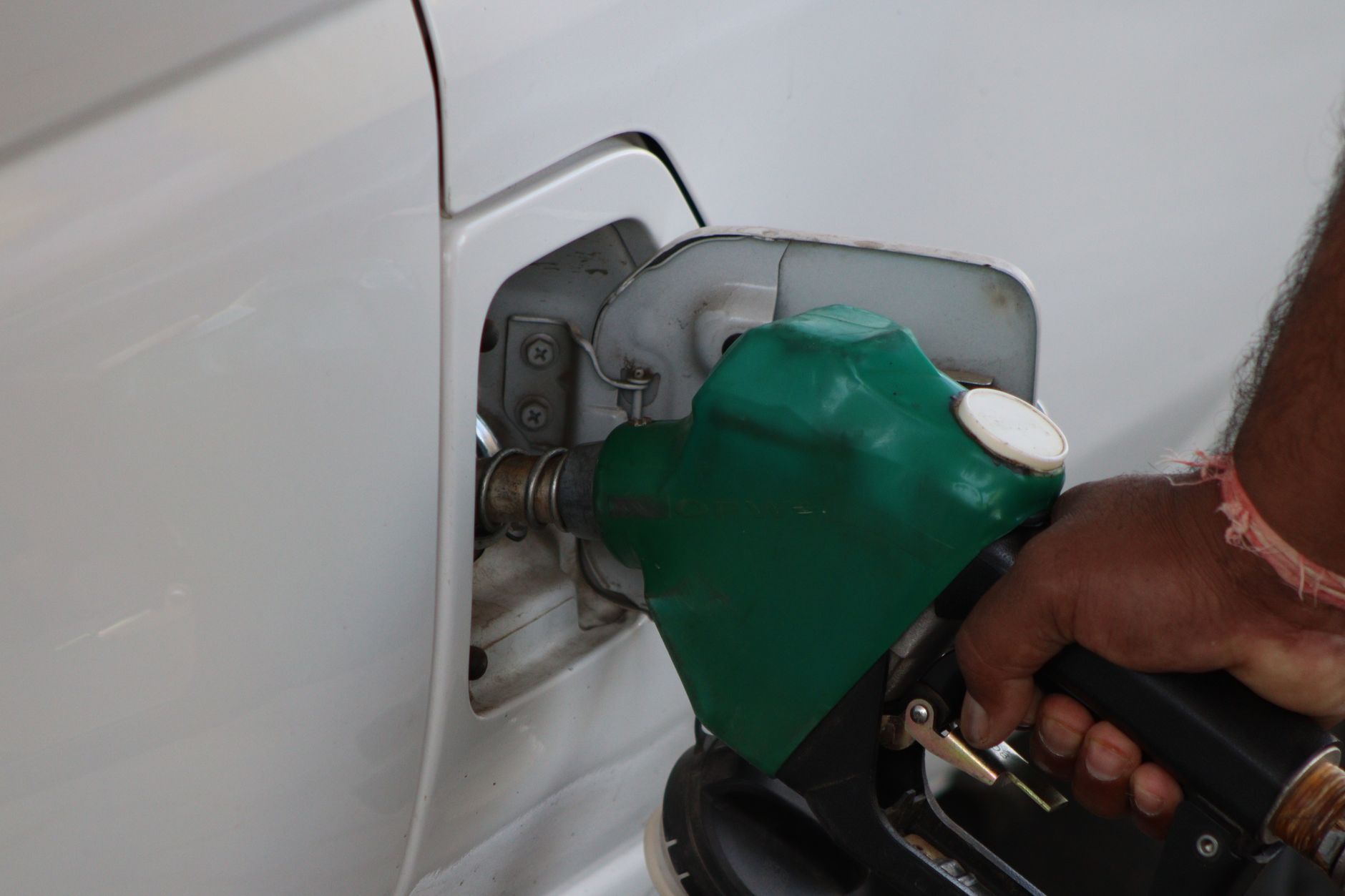
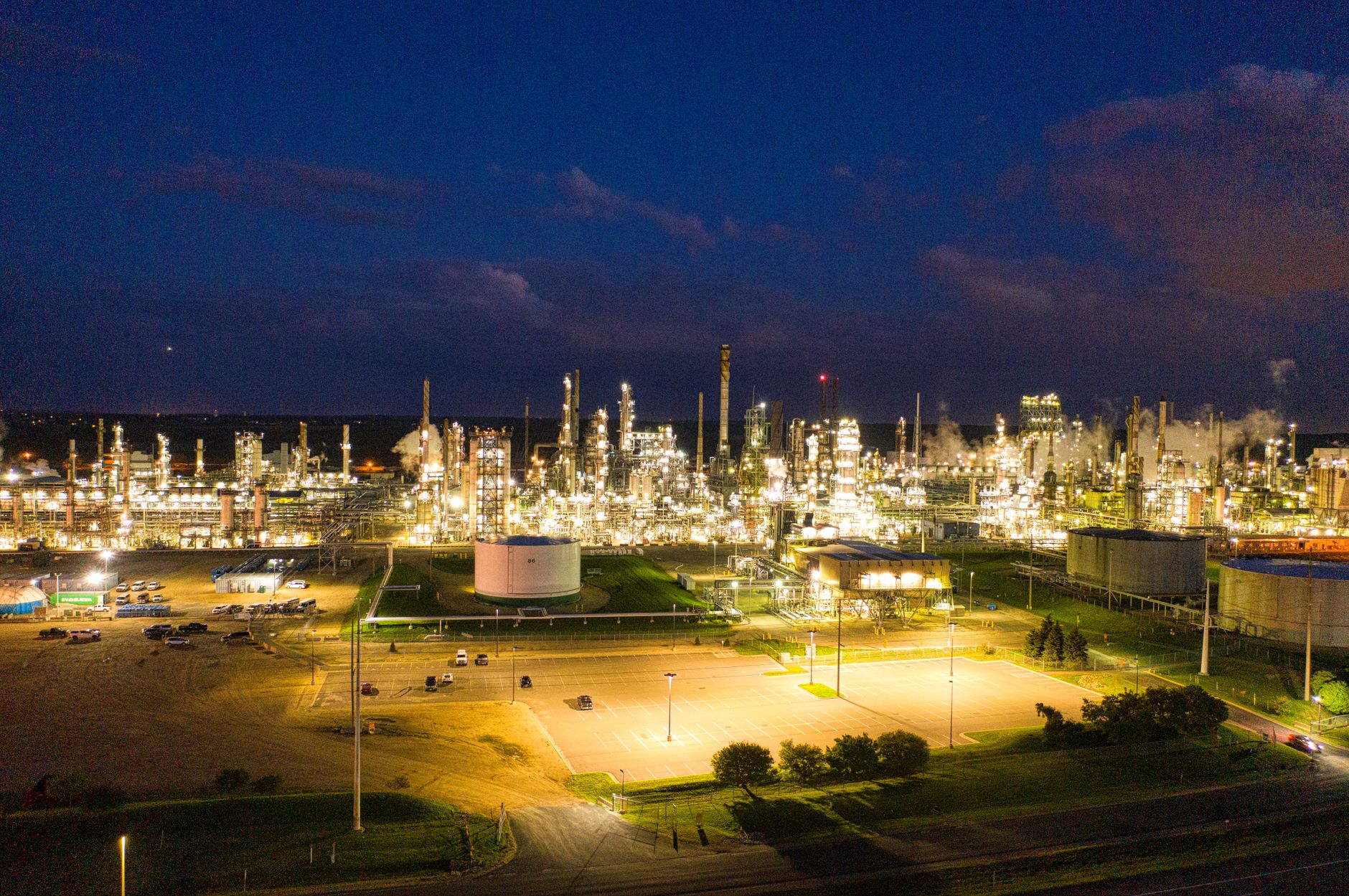
- Energy markets are anticipated to face sustained volatility, with crude oil prices projected to remain elevated above $90 per barrel throughout 2025 and into 2026, directly impacting inflation and consumer purchasing power globally.
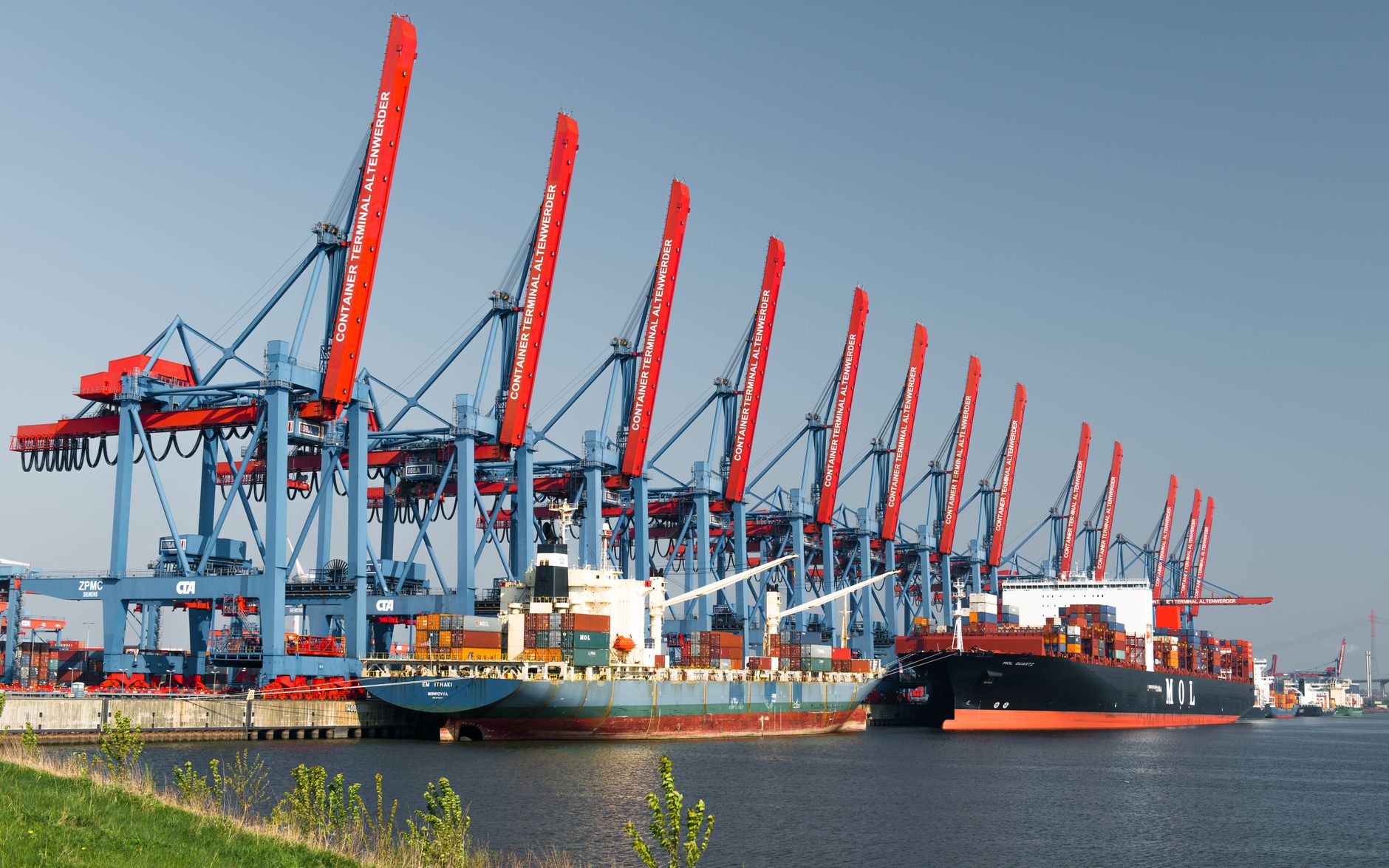
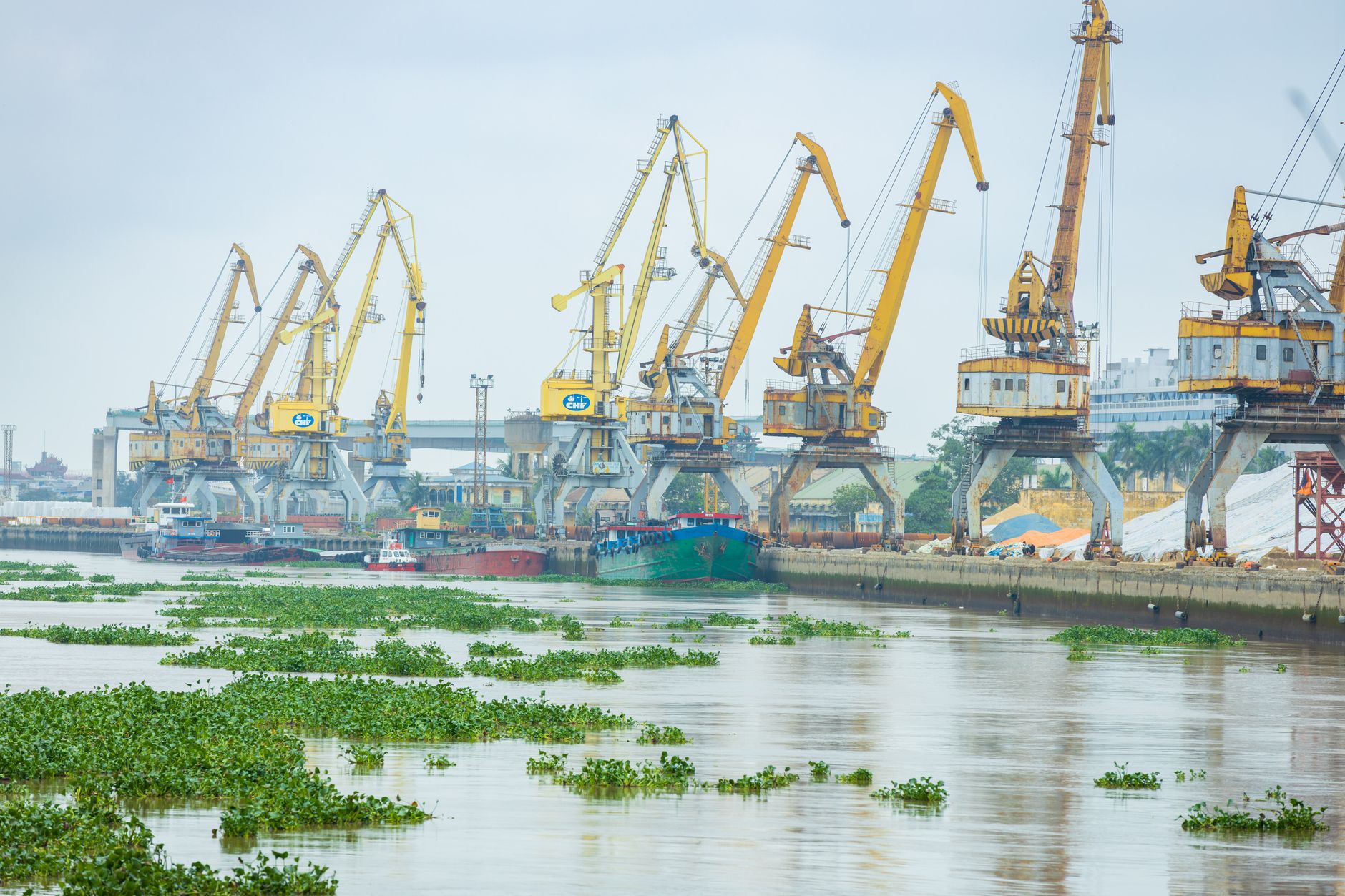
- Global trade volumes are expected to contract by an additional 0.5% in 2026 beyond earlier estimates, as supply chain disruptions and increased protectionist measures become more prevalent due to regional conflicts.
- Emerging markets and developing economies, particularly those reliant on energy imports or situated near conflict zones, are forecast to experience the most severe economic headwinds, potentially leading to increased debt distress and social instability.
Context Check
The IMF's decision to cut its 2026 global growth forecast is not an isolated event but rather a critical reflection of a deteriorating global economic landscape. This revision comes at a time when the world economy is already grappling with the lingering effects of high inflation, aggressive monetary policy tightening by central banks, and persistent supply chain vulnerabilities. The confluence of these factors creates a precarious environment, making the global economy particularly susceptible to external shocks. The geopolitical landscape, marked by increasing fragmentation and regional conflicts, further exacerbates these existing fragilities, pushing the world closer to a period of prolonged economic stagnation.
The explicit mention of the 'Iran war fallout' as a primary driver for this downgrade underscores the profound and far-reaching economic implications of geopolitical conflicts. Modern globalized economies are intricately linked, meaning that conflicts in one region can rapidly ripple across continents, affecting energy prices, trade routes, and investor confidence. The Middle East, in particular, remains a critical hub for global energy supplies, and any instability there invariably translates into higher oil prices, increased shipping costs, and heightened uncertainty for businesses and consumers worldwide. This interconnectedness means that what begins as a regional conflict quickly evolves into a global economic challenge.
This downgrade serves as a stark warning to policymakers globally, highlighting the urgent need for coordinated international efforts to mitigate risks and foster economic resilience. Relying solely on domestic policy tools may prove insufficient in addressing challenges that are inherently global in nature. The current economic climate demands innovative solutions, including strengthening international cooperation on trade, energy security, and conflict resolution. Failure to address these underlying issues could lead to a more fragmented and less prosperous global economy, with significant implications for living standards and social stability across various nations.
Background
The International Monetary Fund, as a leading global financial institution, regularly assesses and forecasts the health of the world economy. These forecasts are crucial benchmarks for governments, businesses, and investors, providing insights into potential economic trajectories and emerging risks. The IMF's methodology involves comprehensive analysis of various economic indicators, geopolitical developments, and policy stances of member countries. When the IMF revises its projections downward, especially for a medium-term horizon like 2026, it signals a significant shift in its assessment of underlying economic fundamentals and external pressures. Such revisions are not made lightly and are typically based on a rigorous evaluation of evolving global conditions, reflecting a consensus view among its expert economists regarding the severity of the challenges ahead.
The specific reference to the 'Iran war fallout' points to a complex web of economic disruptions. Geopolitical conflicts, particularly those in energy-rich regions, have a direct and immediate impact on global commodity markets. The war's influence extends beyond mere oil price fluctuations; it affects shipping lanes, insurance costs, and the overall stability of international trade routes. Furthermore, such conflicts often lead to increased defense spending, diversion of resources, and a general dampening of investment sentiment, as businesses become more risk-averse. The ripple effects can be felt in supply chains, manufacturing costs, and ultimately, consumer prices, contributing to inflationary pressures that central banks are already struggling to contain.
Historically, major geopolitical events have consistently demonstrated their capacity to derail economic growth. From the oil shocks of the 1970s to more recent conflicts, periods of heightened international tension invariably introduce uncertainty and volatility into financial markets. The current situation is particularly challenging because it overlays existing economic vulnerabilities such as high public debt levels in many nations, persistent inflation, and the ongoing structural adjustments necessitated by climate change and technological shifts. The IMF's latest forecast serves as a critical reminder that economic prosperity is inextricably linked to global peace and stability, and that geopolitical risks must be actively managed to safeguard future growth.
Winners and Losers
In this challenging economic environment, there will inevitably be distinct winners and losers. Energy-exporting nations, particularly those outside the direct conflict zone and with stable production capacities, could see a temporary boost to their revenues due to elevated oil and gas prices. Countries with robust domestic demand and less reliance on international trade or energy imports might also be more insulated from the immediate shocks. Furthermore, industries involved in defense and cybersecurity could experience increased demand, leading to growth in those sectors. However, these gains are often short-lived and overshadowed by the broader global economic downturn, making long-term prosperity uncertain even for these beneficiaries.
The primary 'losers' are likely to be emerging market economies that are heavily dependent on imported energy and food, as they will face higher costs and increased inflationary pressures. Nations with significant public debt will find it harder to service their obligations as global interest rates remain high and economic growth falters. Industries reliant on global supply chains, such as manufacturing and technology, will grapple with persistent disruptions and increased operational costs. Moreover, consumers worldwide will experience a squeeze on their purchasing power due to inflation and slower wage growth, potentially leading to reduced consumption and a further slowdown in economic activity. The humanitarian cost in conflict zones also represents an immeasurable loss, impacting long-term development and stability.
The ripple effect of reduced global trade and investment will also disproportionately impact smaller, open economies that thrive on international commerce. Businesses operating in volatile regions will face heightened risks, potentially leading to capital flight and reduced foreign direct investment. The overall sentiment of uncertainty will deter long-term planning and investment, stifling innovation and job creation. Ultimately, the cumulative effect of these factors points to a period of increased economic divergence, where some nations and sectors might weather the storm better than others, but the global economy as a whole will struggle to regain its momentum, exacerbating existing inequalities and potentially fostering social unrest in vulnerable populations.
Analyst Perspectives
Leading economic analysts are largely in agreement with the IMF's revised forecast, emphasizing the gravity of the situation. Dr. Eleanor Vance, Chief Global Economist at Stratagem Analytics, notes, "The IMF's downgrade is not just a statistical adjustment; it's a flashing red light for the global economy. The confluence of persistent inflation, tight monetary policies, and now intensified geopolitical conflict, particularly in a region as critical as the Middle East, creates a perfect storm. We're looking at a prolonged period of subdued growth, with significant downside risks that could easily tip several major economies into recession." Her analysis highlights the systemic nature of the current challenges, suggesting that isolated policy responses will be insufficient.
Many experts are particularly concerned about the impact on energy markets. Mr. David Chen, Senior Energy Strategist at Global Insight Group, states, "The Iran war fallout means sustained volatility in oil and gas prices. We anticipate crude oil remaining elevated, possibly even breaching $100 per barrel if the conflict escalates further or shipping routes in the Strait of Hormuz face prolonged disruptions. This isn't just about higher pump prices; it's about increased input costs for virtually every industry, from manufacturing to agriculture, which will fuel inflation and erode corporate profits. Businesses will struggle to absorb these costs, leading to higher consumer prices and potentially job losses." This perspective underscores the direct inflationary channel through which geopolitical tensions transmit to the broader economy.
Furthermore, there is a consensus among financial strategists that investor confidence will remain fragile. Ms. Sophia Rodriguez, Head of Macro Strategy at Nexus Capital, observes, "Uncertainty is the enemy of investment. The ongoing geopolitical instability, coupled with the IMF's grim outlook, will likely lead to a flight to safety, with investors favoring less risky assets. This means less capital flowing into emerging markets and growth-oriented ventures, further stifling innovation and development. Companies will delay expansion plans, and consumers will become more cautious, creating a self-reinforcing cycle of slower growth. Policymakers must act decisively to restore confidence, but their options are increasingly limited by fiscal constraints and the need to combat inflation." This highlights the psychological and behavioral aspects of economic downturns, where fear and uncertainty can become powerful self-fulfilling prophecies.
Key Questions Explained
The Outlook
The immediate outlook for the global economy is undeniably challenging, marked by persistent uncertainty and significant downside risks. The IMF's revised forecast paints a picture of a world struggling to regain its footing amidst a complex interplay of economic and geopolitical forces. While the precise trajectory remains subject to the evolution of the Iran war and other geopolitical flashpoints, it is clear that policymakers, businesses, and individuals must prepare for a period of slower growth, elevated inflation, and increased market volatility. The interconnectedness of global markets means that regional conflicts will continue to have far-reaching consequences, making a swift return to pre-pandemic growth rates increasingly unlikely in the short to medium term.
Looking further ahead to 2026 and beyond, the potential for a more fragmented global economy looms large. Increased protectionism, trade barriers, and a retreat from globalization could exacerbate existing economic woes, hindering innovation and reducing overall prosperity. The imperative for international cooperation has never been stronger, yet the current geopolitical climate suggests a move in the opposite direction. Without concerted efforts to de-escalate conflicts, stabilize energy markets, and rebuild trust in international institutions, the world risks entering a prolonged era of economic stagnation, characterized by lower living standards and heightened social tensions across many nations.
Despite the grim forecast, there remain avenues for resilience and adaptation. Investment in green technologies, diversification of supply chains, and strengthening domestic economic fundamentals can help countries mitigate some of the external shocks. However, these efforts require significant political will and coordinated action. The global economy is at a critical juncture, and the decisions made by leaders in the coming months will profoundly shape the economic landscape for years to come. A proactive, collaborative approach is essential to navigate these turbulent waters and steer the world towards a more stable and prosperous future, rather than succumbing to the forces of fragmentation and decline.







Comments
No comments yet. Be the first to comment!