

The Story in Brief
- The United States and Iran are locked in a dangerous, escalating cycle of military actions, primarily targeting proxy forces and strategic assets across the Middle East, intensifying regional instability.
- Recent drone and missile attacks, attributed to Iranian-backed militias, have targeted US personnel and facilities in Iraq and Syria, prompting swift and forceful retaliatory strikes from American forces.
- These tit-for-tat exchanges are significantly raising the specter of a direct military confrontation between Washington and Tehran, a scenario with potentially catastrophic global implications.
- Diplomatic efforts to de-escalate tensions and revive nuclear negotiations have been severely hampered, if not entirely derailed, by the increasing frequency and lethality of these strikes.
- Regional allies and international observers are expressing profound alarm over the deteriorating security landscape, urging both sides to exercise maximum restraint and pursue diplomatic off-ramps immediately.
- The current trajectory suggests a deepening of the shadow war, with each retaliatory action pushing the adversaries closer to a direct, open conflict that neither side explicitly desires but appears unable to prevent.
The Human Face
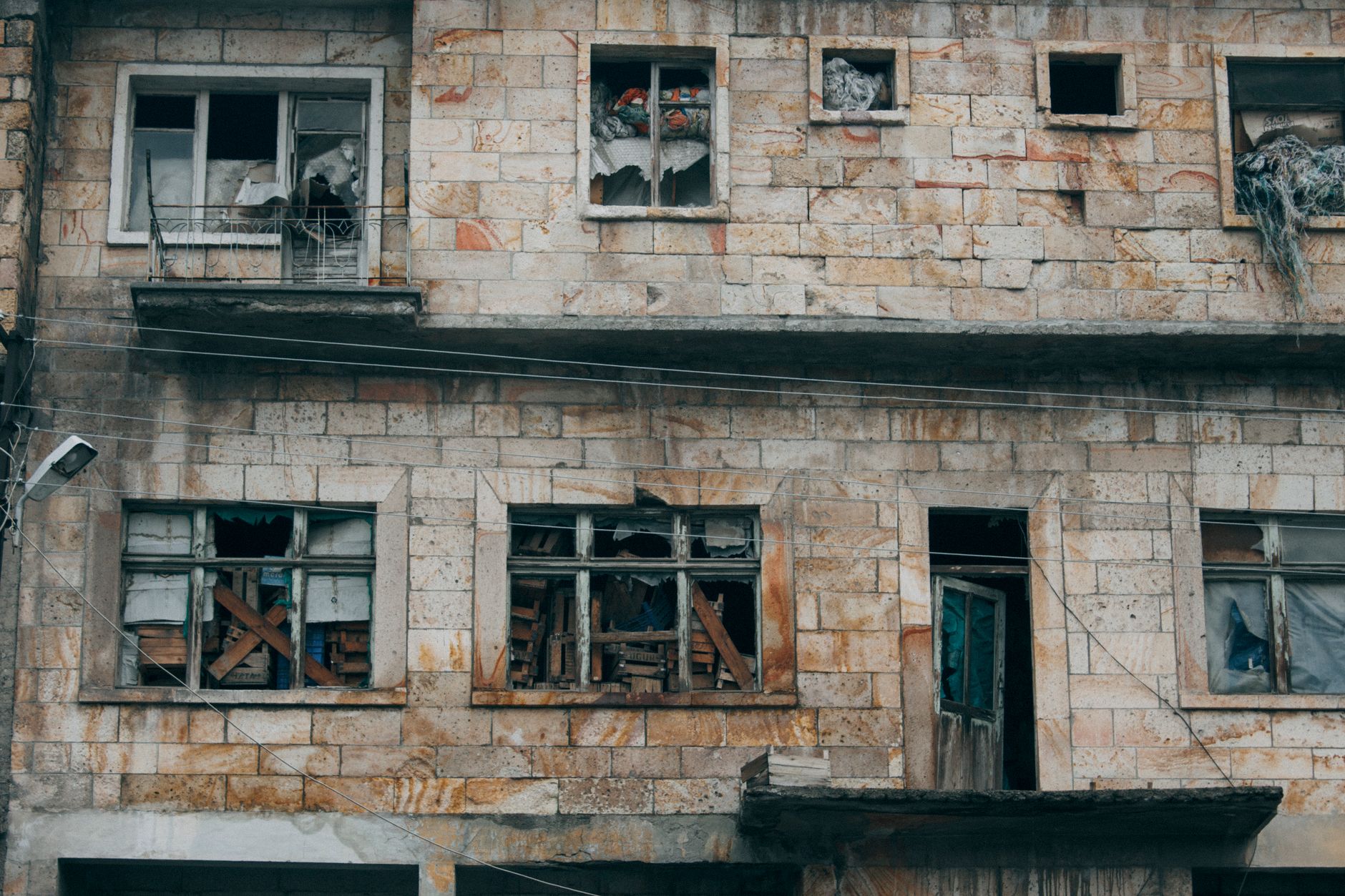
Beyond the geopolitical chess moves and strategic calculations, the escalating tensions between the US and Iran cast a long, dark shadow over the lives of ordinary citizens in the Middle East. Families in Iraq, Syria, and Yemen, already reeling from decades of conflict and instability, now face the constant threat of further violence, displacement, and economic collapse. The daily reality for many involves navigating checkpoints, enduring power outages, and living with the gnawing fear that their homes could become the next target in a conflict not of their making. This pervasive insecurity erodes trust, shatters communities, and leaves deep psychological scars that persist for generations.
Healthcare systems, already fragile and underfunded, are stretched to breaking point, struggling to cope with the influx of casualties and the long-term health consequences of conflict. Children are particularly vulnerable, often deprived of education, proper nutrition, and the sense of safety essential for healthy development. The constant threat of violence forces many to abandon their homes, becoming internally displaced persons or refugees, adding to an already dire humanitarian crisis. Their stories, often unheard amidst the din of international diplomacy and military posturing, represent the true cost of this dangerous escalation.
Local economies, dependent on stability and trade, are devastated by the uncertainty. Businesses shutter, jobs vanish, and the basic necessities of life become luxuries. The human cost is not merely measured in casualties but in the slow, grinding erosion of dignity, opportunity, and hope for millions. As leaders weigh their options, it is imperative to remember the faces behind the statistics – the parents struggling to feed their children, the students whose futures are on hold, and the communities yearning for a peace that seems increasingly out of reach.
How We Got Here
The current surge in US-Iran tensions is deeply rooted in a complex history of mistrust, strategic rivalry, and proxy conflicts that span decades. A pivotal moment was the 2018 US withdrawal from the Joint Comprehensive Plan of Action (JCPOA), the Iran nuclear deal, which was swiftly followed by the re-imposition of crippling sanctions on Iran. This move, intended to pressure Tehran into renegotiating a more comprehensive agreement, instead led Iran to gradually roll back its commitments under the deal and intensify its regional activities, viewing the US action as a profound betrayal and an act of economic warfare.
The period since 2018 has been characterized by a dangerous game of tit-for-tat. Iran, through its network of proxy militias across Iraq, Syria, Lebanon, and Yemen, has consistently challenged US influence and interests in the region. These proxies, including groups like Kata'ib Hezbollah and others within the Popular Mobilization Forces in Iraq, have launched rocket and drone attacks against US bases and personnel, particularly after the US assassination of Iranian General Qassem Soleimani in January 2020. Each such attack has been met with a US response, often targeting the same proxy groups or their logistical infrastructure, creating a perilous cycle of escalation.
Furthermore, the broader geopolitical landscape in the Middle East, including the ongoing conflict in Gaza and the Houthi attacks on Red Sea shipping, has provided new pretexts and avenues for these long-simmering tensions to boil over. Iran's support for groups like Hamas and the Houthis is seen by the US as destabilizing, while Iran views US military presence and support for regional adversaries as an existential threat. This intricate web of alliances and antagonisms, coupled with a lack of direct communication channels and a profound absence of trust, has propelled both nations into a precarious dance on the precipice of a wider, more devastating conflict.
Why This Cannot Be Ignored
The escalating US-Iran conflict is not merely a regional skirmish; it is a critical flashpoint with profound global implications that demand immediate and sustained international attention. A full-blown military confrontation between these two powers would unleash unprecedented chaos across the Middle East, a region already grappling with multiple intractable conflicts. Such a war would inevitably draw in other regional actors, potentially igniting a broader conflagration that could destabilize global energy markets, trigger massive refugee flows, and provide fertile ground for extremist ideologies to flourish, threatening international security far beyond the region's borders.
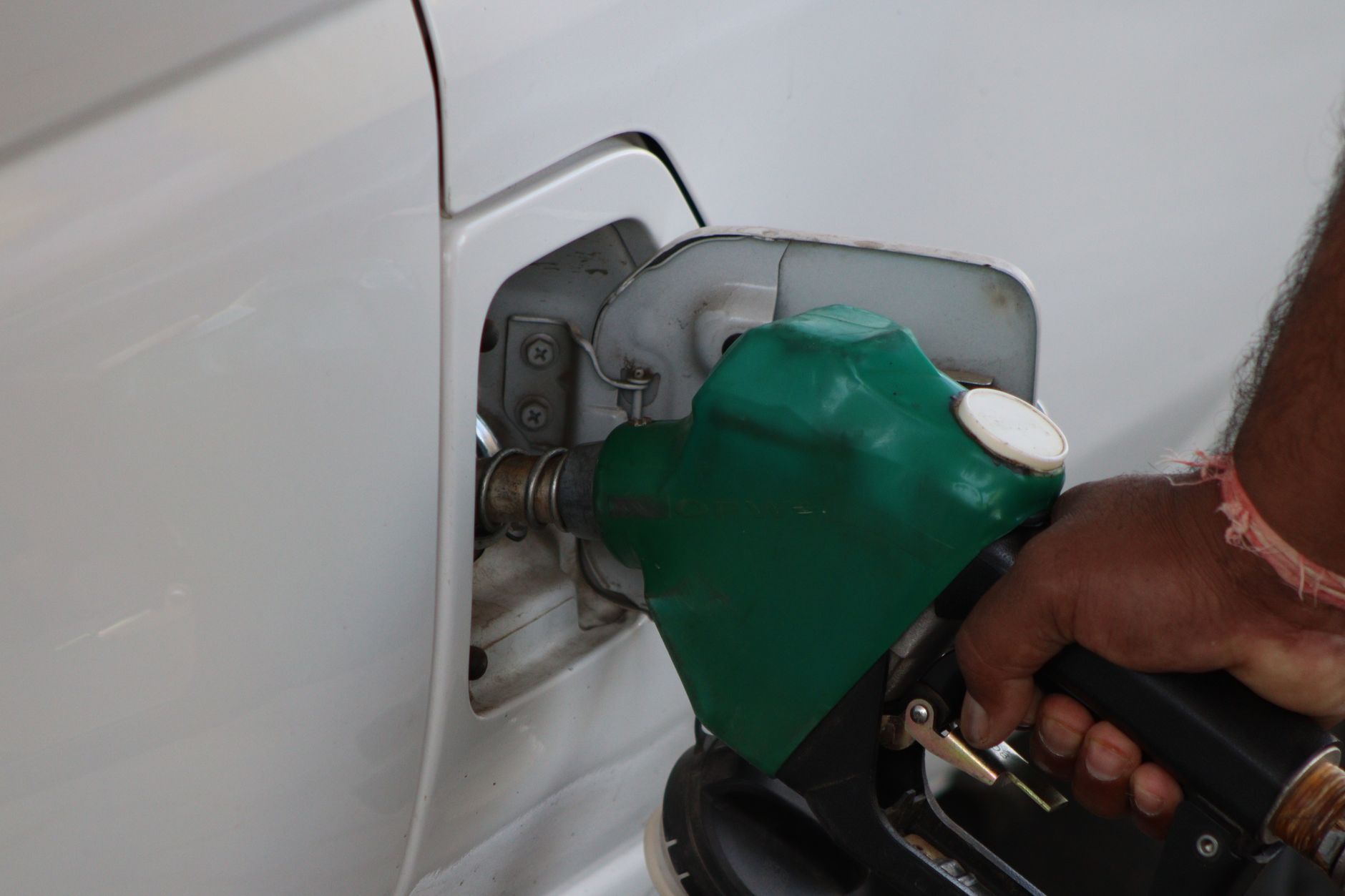
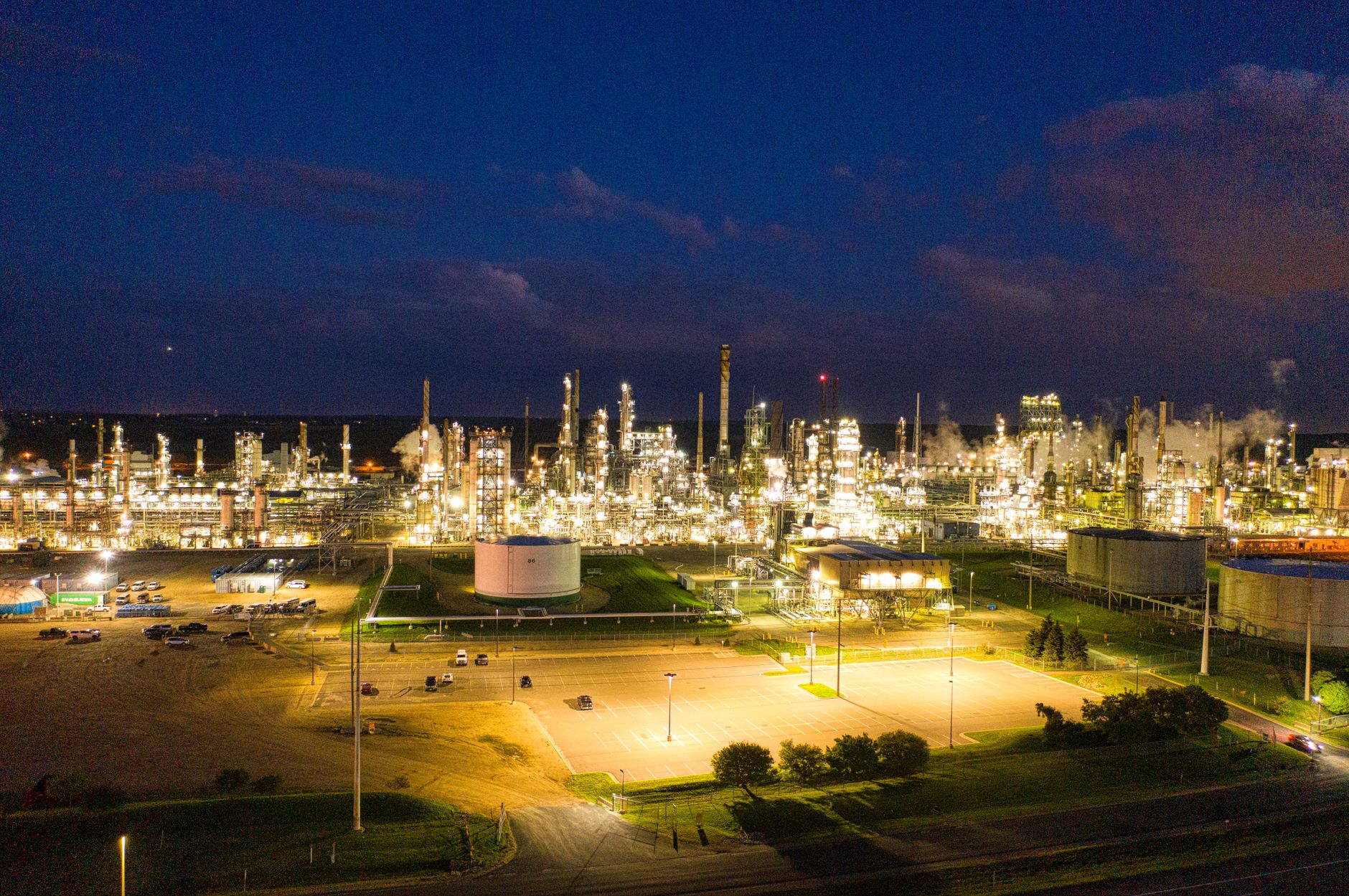
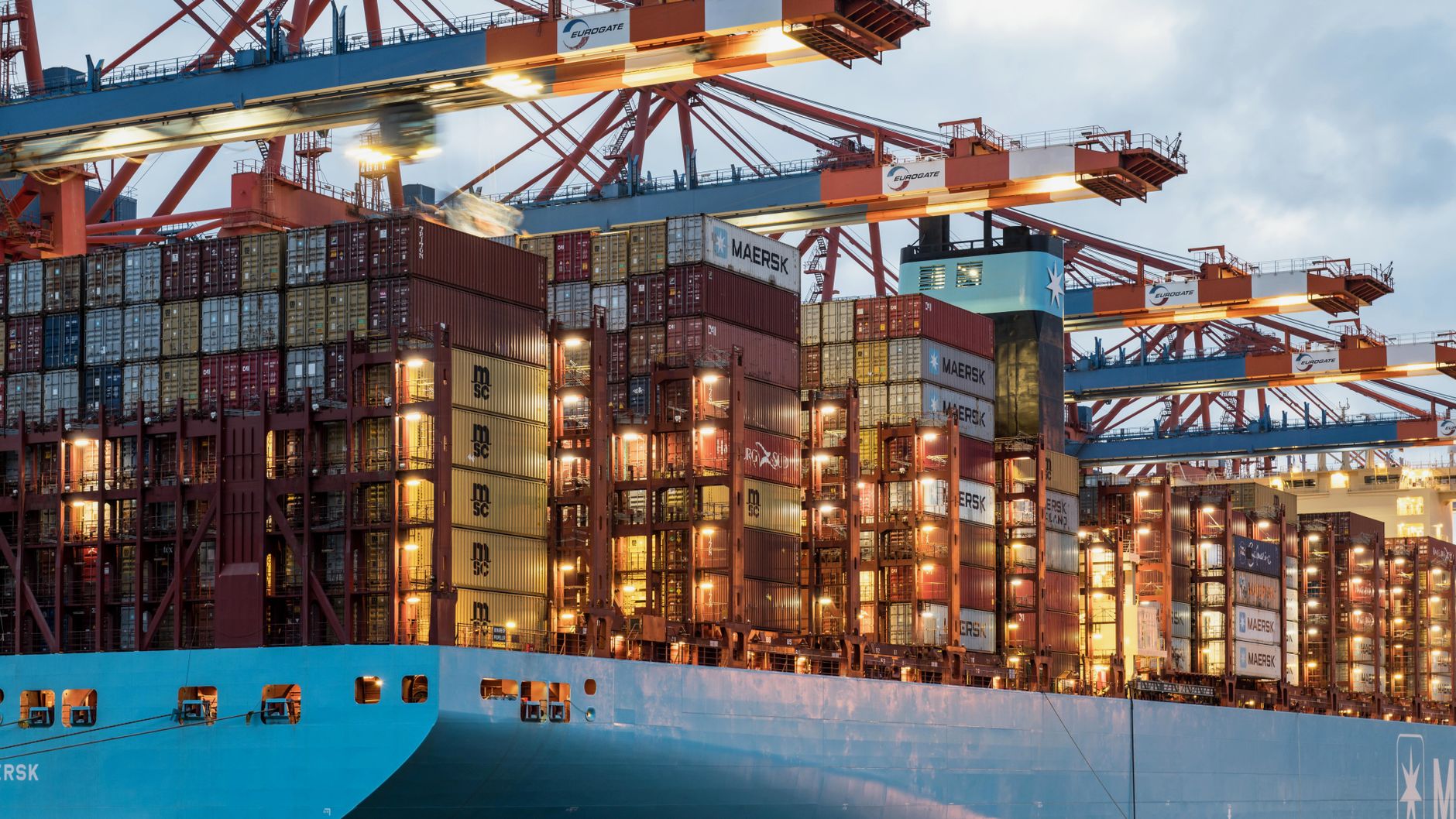
Economically, the stakes are astronomically high. The Strait of Hormuz, a narrow chokepoint through which a significant portion of the world's oil supply passes, would be immediately jeopardized. Any disruption to this vital shipping lane, whether through direct military action or the threat of it, would send crude oil prices soaring, plunging the global economy into a severe crisis. Businesses worldwide would face crippling energy costs, supply chains would be fractured, and the ripple effects would be felt in every household and industry across the planet, exacerbating existing inflationary pressures and potentially triggering a global recession.
Moreover, the current trajectory severely undermines any prospects for nuclear non-proliferation and diplomatic resolution. As tensions mount and trust erodes, the possibility of reviving the Iran nuclear deal or negotiating any future arms control agreements becomes increasingly remote. This risks pushing Iran further down a path of nuclear development, creating an even more dangerous security dilemma in an already volatile region. The international community's ability to address other pressing global challenges, from climate change to pandemics, would be severely hampered if its attention and resources are diverted to managing a protracted and devastating conflict in the Middle East. Ignoring this escalation is not an option; the consequences would be too dire for the entire world.
Possible Paths Forward
Navigating the perilous US-Iran dynamic requires a multifaceted approach that prioritizes de-escalation and diplomatic engagement over military posturing. One critical path involves re-establishing direct, discreet communication channels between Washington and Tehran. These channels, perhaps facilitated by neutral third parties like Oman or Switzerland, could serve as vital off-ramps during moments of heightened tension, allowing both sides to clarify intentions, prevent miscalculations, and explore avenues for mutual restraint. The absence of such direct dialogue has historically contributed to misunderstandings that have spiraled into dangerous confrontations.
Another crucial strategy is a renewed commitment to diplomacy aimed at a broader regional security framework. This would involve not just the US and Iran, but also key regional players like Saudi Arabia, the UAE, and Qatar. The goal would be to foster a dialogue about shared security concerns, de-escalation mechanisms, and confidence-building measures that can gradually reduce the reliance on proxy warfare and military solutions. While ambitious, such a framework could address the underlying grievances and insecurities that fuel the current cycle of violence, moving towards a more stable and predictable regional environment.
Finally, there is the path of targeted sanctions relief coupled with verifiable steps by Iran to curb its nuclear program and regional destabilizing activities. This would require a delicate balance: offering economic incentives to encourage compliance, while maintaining pressure on egregious behavior. Any such approach would need robust international monitoring and verification mechanisms to build trust and ensure adherence to agreements. The international community, particularly the European Union and the UN Security Council, must play a more assertive role in brokering these complex negotiations, emphasizing that a return to the nuclear deal or a new, comprehensive agreement remains the most viable long-term solution to prevent a catastrophic escalation.
Questions People Are Actually Asking
What to Watch
- Monitor the frequency and lethality of attacks by Iranian-backed militias on US forces and interests in Iraq and Syria, as these often serve as immediate triggers for US retaliatory strikes.
- Observe any shifts in rhetoric from both US and Iranian leadership, particularly statements that signal a willingness for de-escalation or, conversely, a hardening of positions and threats of further action.
- Keep an eye on the Strait of Hormuz and Red Sea shipping lanes; any significant disruption or direct targeting of commercial vessels could indicate a dangerous escalation of the conflict beyond proxy battlegrounds.
- Watch for any renewed efforts by international mediators, such as the UN, EU, or neutral states like Oman, to facilitate indirect talks or de-escalation agreements between Washington and Tehran.
- Track the status of Iran's nuclear program, specifically any further advancements in uranium enrichment levels or restrictions on IAEA inspections, as this could dramatically alter the strategic calculus.
- Pay close attention to the political stability within Iraq and Lebanon, as these nations are often central arenas for US-Iran proxy conflicts, and internal political shifts can either exacerbate or mitigate regional tensions.






Comments
No comments yet. Be the first to comment!