
Key Takeaways
- The Trump administration has implemented significant tariff reductions on imported agricultural machinery, a move initially perceived as beneficial for the farming sector.
- Despite these tariff cuts, industry analysts and manufacturers are forecasting potential price increases for farm equipment, driven by a confluence of global economic factors and supply chain disruptions.
- Farmers face a complex economic landscape where the immediate benefits of reduced tariffs may be overshadowed by rising input costs, currency fluctuations, and sustained demand for advanced machinery.
- The global supply chain remains fragile, with ongoing challenges in sourcing raw materials and components, which directly impacts manufacturing costs and ultimately, the retail price of farm equipment.
- Technological advancements and the increasing sophistication of modern agricultural machinery contribute to higher production costs, a factor independent of tariff policies but critical to overall pricing.
- The long-term impact on agricultural profitability and food prices remains uncertain, as farmers must navigate these rising costs while maintaining productivity and competitiveness in a volatile market.
Background
In a move intended to bolster the American agricultural sector, the Trump administration recently announced a series of tariff reductions on imported farm machinery. This policy shift was widely anticipated to provide much-needed relief to farmers, who have long grappled with the high costs of essential equipment. The rationale behind these cuts was straightforward: by lowering import duties, the cost of bringing foreign-made machinery into the U.S. would decrease, theoretically translating into lower prices for domestic buyers. This initiative was part of a broader strategy to support American farmers, who have often found themselves at the sharp end of international trade disputes and fluctuating commodity prices.
The agricultural machinery market is a globalized and intricate ecosystem, heavily reliant on international supply chains for components, raw materials, and finished products. Major manufacturers often operate across multiple continents, sourcing parts from various countries before assembly. This interconnectedness means that tariff policies, while significant, are just one piece of a much larger puzzle influencing final product costs. The tariffs themselves were initially imposed as part of broader trade negotiations, particularly with countries like China, aiming to protect domestic industries and encourage local manufacturing. Their reduction marks a strategic pivot, signaling a potential de-escalation in certain trade tensions affecting the agricultural sector.
Historically, tariffs have been a contentious tool in international trade, often leading to retaliatory measures and unintended consequences. For the agricultural sector, the imposition of tariffs on machinery had created a challenging environment, increasing operational costs for farmers already operating on thin margins. The subsequent reduction, therefore, was met with cautious optimism. However, the complex interplay of global economics, manufacturing costs, and market demand suggests that the direct benefits of these tariff cuts may not materialize as simply as anticipated, pointing to a more nuanced reality for farmers on the ground.
Why It Matters
The potential for rising farm machinery prices, even in the face of tariff reductions, represents a critical challenge for the American agricultural industry. Farmers operate on tight margins, and the cost of essential equipment—tractors, combines, planters, and other specialized machinery—constitutes a significant portion of their operational expenses. An increase in these prices directly impacts profitability, making it harder for farmers to invest in new technologies, maintain their fleets, and remain competitive. This financial strain could lead to delayed equipment upgrades, reduced efficiency, and ultimately, a ripple effect across the entire food supply chain.
Beyond individual farm economics, the implications extend to the broader economy and food security. Higher machinery costs can translate into increased production costs for crops and livestock, which may eventually be passed on to consumers in the form of higher food prices. This scenario could exacerbate inflationary pressures and disproportionately affect lower-income households. Furthermore, the ability of American agriculture to innovate and adopt sustainable practices is intrinsically linked to access to affordable, modern equipment. If prices become prohibitive, it could hinder progress in areas like precision agriculture and environmental stewardship, vital for the long-term health of the sector.
This situation underscores the intricate and often unpredictable nature of global trade and supply chains. While policy interventions like tariff adjustments are designed to yield specific outcomes, external factors frequently intervene, creating complex economic landscapes. For policymakers, understanding these dynamics is crucial to crafting effective support mechanisms for agriculture. For farmers, it necessitates careful financial planning and a keen awareness of market trends, as they navigate a volatile environment where the cost of doing business continues to evolve in unexpected ways.
Ground Reality
Despite the administration's efforts to reduce tariffs, the on-the-ground reality for farmers is proving to be far more complex than a simple price drop. Manufacturers are citing a confluence of factors that are pushing production costs upward, effectively neutralizing the benefits of tariff reductions. A primary driver is the escalating cost of raw materials, particularly steel and other metals crucial for heavy machinery fabrication. Global demand for these commodities has remained robust, while supply chain bottlenecks, exacerbated by geopolitical events and lingering effects of the pandemic, have driven prices to unprecedented levels. This means that even if tariffs on finished goods are lower, the cost of the components used to build those goods is significantly higher.
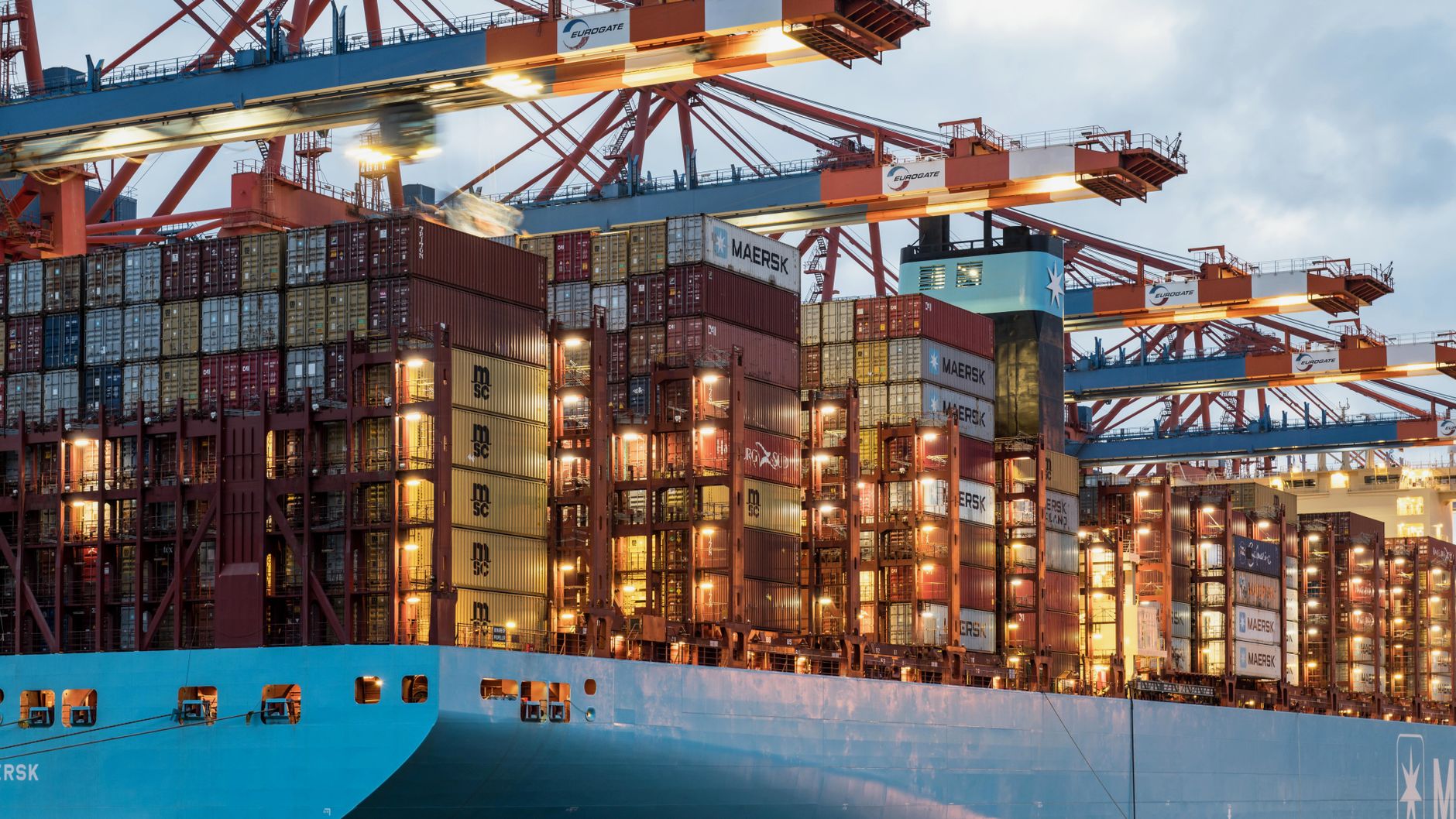
Another significant factor is the persistent disruption in global supply chains. Shipping delays, port congestion, and shortages of critical electronic components continue to plague manufacturers worldwide. These logistical challenges not only add to the cost of transportation but also create inefficiencies in production, leading to higher labor costs and extended lead times. Furthermore, a tight labor market in manufacturing sectors, both domestically and internationally, is contributing to increased wage pressures, which are inevitably factored into the final price of machinery. These operational hurdles are proving to be more impactful on pricing than the tariff adjustments alone.
Moreover, the agricultural machinery industry is experiencing a surge in demand for technologically advanced equipment. Modern farming requires precision agriculture tools, integrated GPS systems, and automated features that significantly enhance efficiency and yield. While these innovations offer substantial long-term benefits to farmers, their development and integration come with a higher price tag. Manufacturers invest heavily in research and development to bring these cutting-edge technologies to market, and these costs are reflected in the retail price. Therefore, even with tariff relief, the inherent value and complexity of new machinery contribute to its overall expense, creating a situation where advanced features drive up costs independently of trade policy.
What Experts Are Saying
Agricultural economists and industry analysts are largely in agreement that the impact of tariff reductions on farm machinery prices will be marginal at best, and potentially non-existent in the short term. Dr. Eleanor Vance, a leading expert in agricultural economics at the University of Nebraska-Lincoln, notes, "While the tariff cuts are a welcome policy signal, they are simply not potent enough to counteract the immense inflationary pressures stemming from raw material costs, supply chain disruptions, and robust global demand. Farmers should temper expectations for immediate price relief." She emphasizes that the global market for steel, aluminum, and other critical components is currently dictating manufacturing costs far more than import duties.
Furthermore, supply chain specialists highlight the unprecedented challenges in logistics. Mark Jensen, a senior analyst at Global Trade Insights, explains, "We're seeing a perfect storm of factors: port backlogs, container shortages, and a dramatic increase in freight costs. A 5% tariff reduction on a finished product pales in comparison to a 20-30% increase in shipping costs for its components. Manufacturers are simply passing on these unavoidable expenses, and rightly so, to maintain their margins in a highly competitive market." He suggests that until global logistics normalize, any tariff benefits will be absorbed by these elevated transportation and handling fees.
Industry leaders from major farm equipment manufacturers have also weighed in, confirming the complex pricing environment. A spokesperson for John Deere recently stated that while they appreciate any efforts to reduce trade barriers, the rising cost of inputs and the significant investments in advanced technology development are the primary drivers of their pricing strategies. They indicated that these factors, combined with the need to maintain a sustainable business model, mean that price adjustments are more likely to reflect broader economic realities than isolated tariff changes. This sentiment is echoed across the industry, suggesting a consensus that the benefits of tariff cuts are being outpaced by other, more powerful economic forces.
Frequently Asked Questions
What Happens Next
The immediate future for farmers regarding agricultural machinery purchases appears challenging, with experts forecasting continued upward pressure on prices through the next purchasing cycles. Farmers should prepare for a market where the cost of new equipment remains elevated, requiring more strategic financial planning and potentially longer investment horizons. This trend is unlikely to reverse until significant improvements are seen in global supply chain stability, raw material prices moderate substantially, and inflationary pressures across the manufacturing sector ease. The interplay of these global economic forces will continue to shape the agricultural equipment market more profoundly than targeted tariff adjustments.
Looking ahead, policymakers may face increased pressure to explore additional avenues of support for the agricultural sector beyond tariff adjustments. This could include direct subsidies, enhanced financing programs, or incentives for domestic manufacturing of critical components to reduce reliance on volatile international supply chains. The current situation highlights the limitations of single-policy interventions in a complex global economy and underscores the need for a multi-faceted approach to support farmers and ensure the resilience of the food supply chain. Dialogue between government, industry, and farmer associations will be crucial in identifying effective long-term solutions.
For agricultural machinery manufacturers, the focus will likely remain on optimizing production efficiencies, diversifying supply chains, and continuing to innovate. While they navigate rising input costs, the demand for advanced, productivity-enhancing equipment is not expected to wane. This means that future machinery will likely be more technologically sophisticated, offering greater value in terms of efficiency and yield, but also commanding a higher price point. Farmers will need to carefully evaluate the return on investment for these advanced machines, balancing initial cost against long-term operational savings and increased productivity.














Comments
No comments yet. Be the first to comment!