
The Story in Brief
- Recent, unidentified aerial attacks have targeted key military installations and strategic sites within Iran, marking a significant escalation in the ongoing shadow conflict that has simmered for years.
- These strikes follow a pattern of increasing regional instability, with various actors engaging in proxy warfare and direct confrontations across the Middle East, making it difficult to pinpoint exact responsibility.
- The international community is grappling with the potential ramifications of these new attacks, fearing a rapid descent into a full-scale regional war that could have catastrophic global economic and humanitarian consequences.
- Analysts are closely examining the nature and sophistication of the attacks, attempting to discern the capabilities of the perpetrators and the potential for a more direct and overt military response from Tehran.
- Diplomatic efforts are underway behind the scenes, though public statements remain cautious, reflecting the delicate balance required to de-escalate tensions without appearing weak or inviting further aggression.
- The attacks have reignited urgent debates about nuclear proliferation in the region, as Iran's nuclear program remains a central point of contention and a potential flashpoint for future conflict.
The Human Face
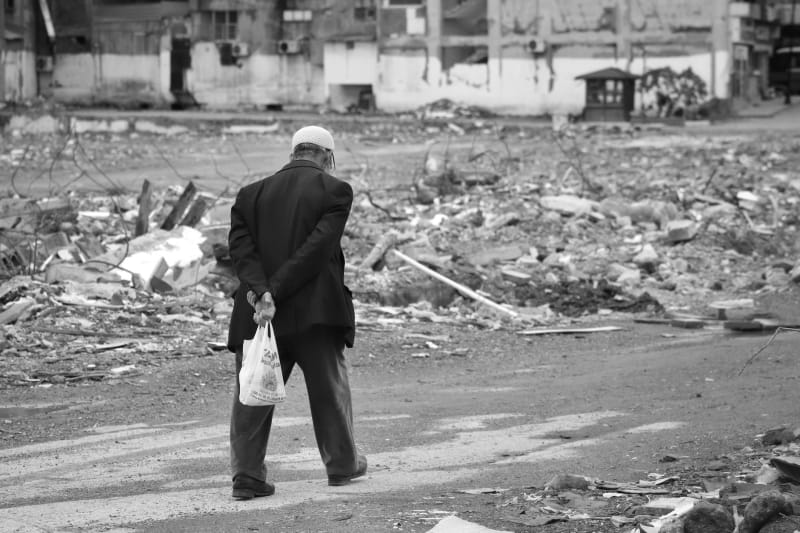
Beyond the geopolitical chess game and military posturing, the true cost of escalating conflict is always borne by ordinary people. In the shadow of these new attacks, communities across Iran and neighboring countries live under a palpable cloud of fear and uncertainty. Families grapple with the constant threat of violence, the disruption of daily life, and the potential for their homes and livelihoods to be irrevocably altered by forces far beyond their control. The psychological toll of living in a perpetual state of heightened alert cannot be overstated, leading to widespread anxiety and a profound sense of vulnerability among civilian populations.
The economic ripple effects of such instability are immediate and devastating. Sanctions, blockades, and the disruption of trade routes lead to soaring prices for essential goods, food shortages, and a collapse of local economies. Small businesses, the backbone of many communities, are often the first casualties, leaving countless individuals without income and pushing already struggling families into deeper poverty. Access to healthcare and education also deteriorates rapidly in conflict zones, creating long-term societal damage that can take generations to repair, even if the fighting eventually ceases.
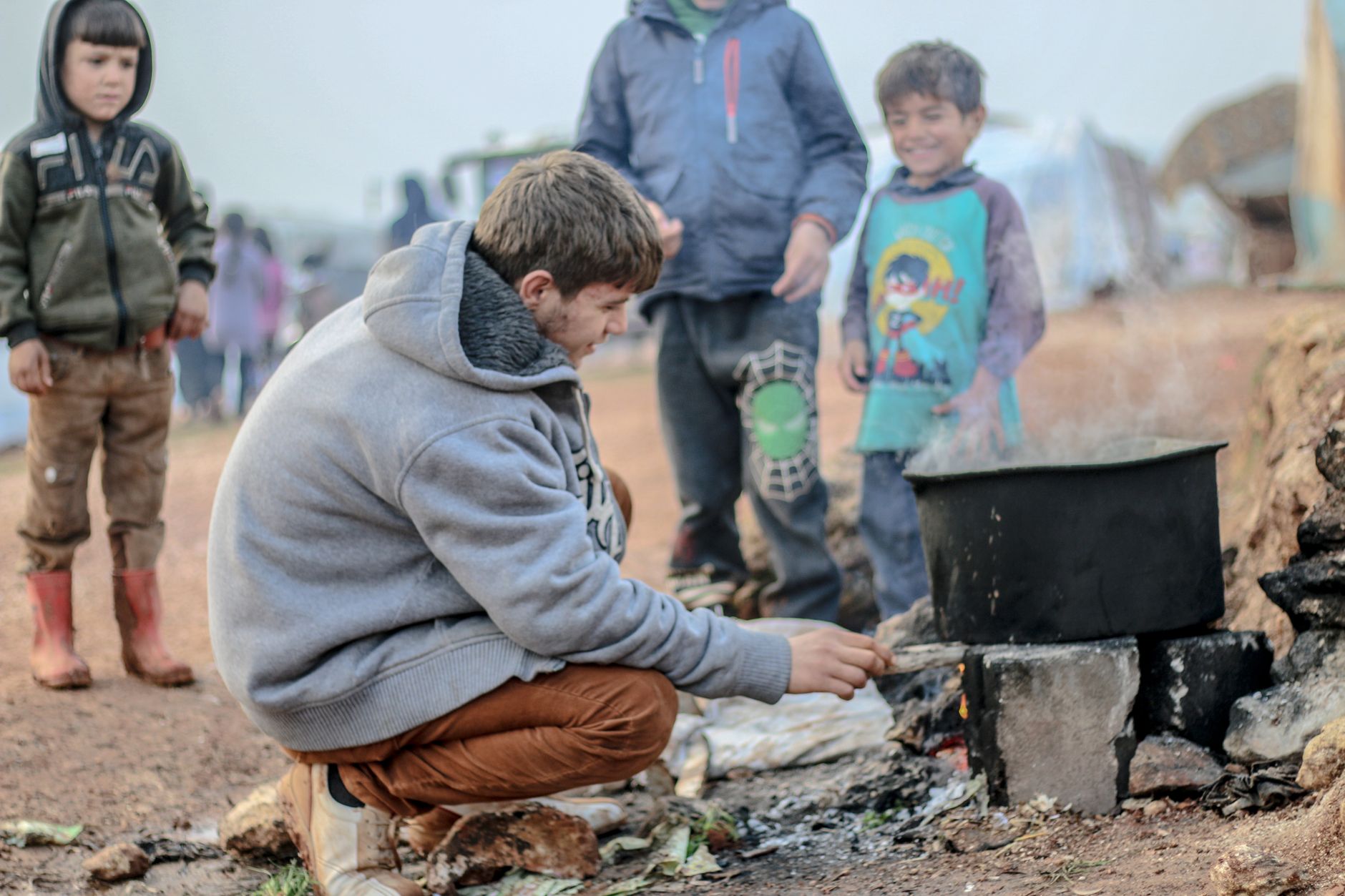
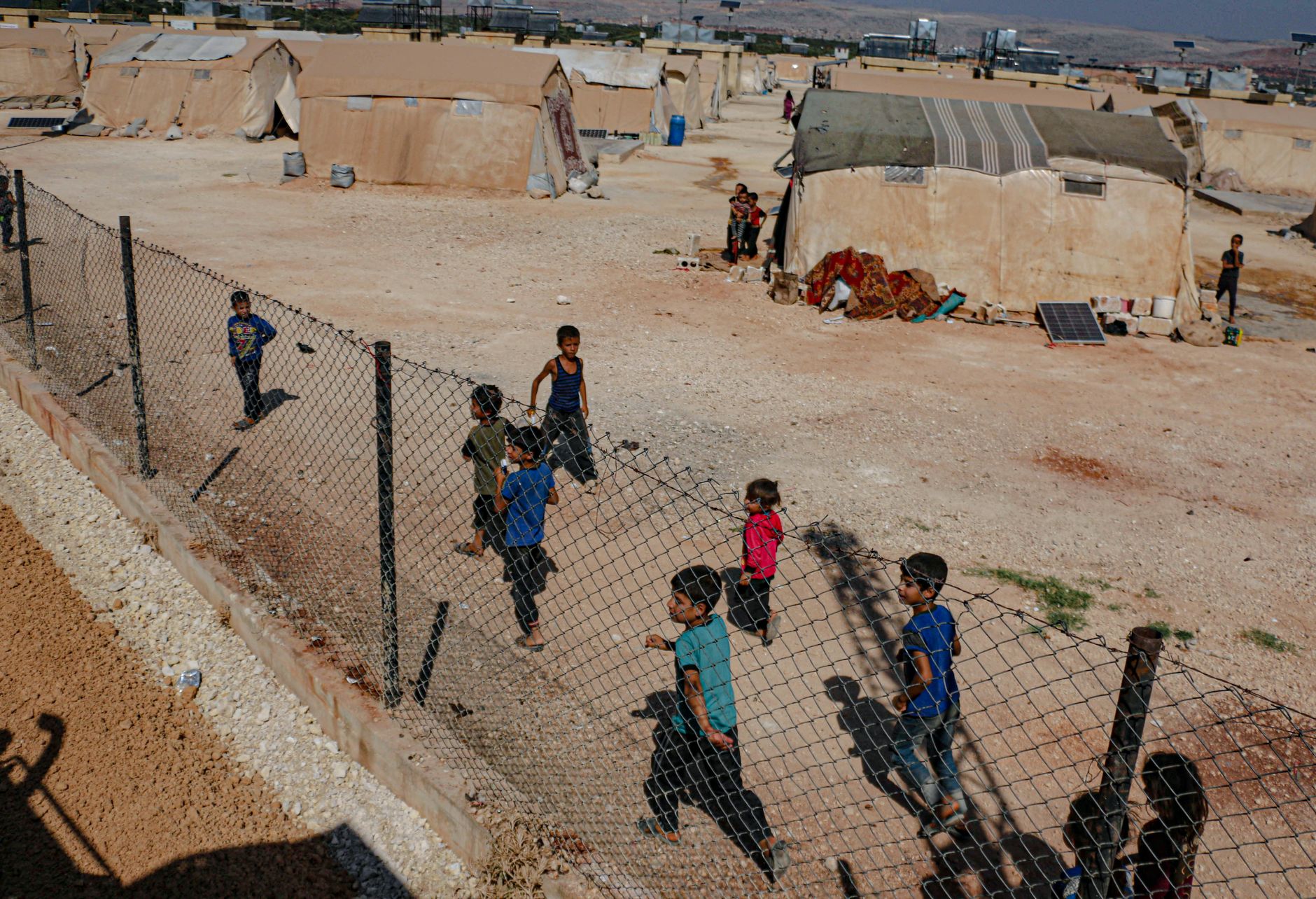
Furthermore, the specter of displacement looms large. Should the conflict intensify, millions could be forced to abandon their homes, becoming refugees or internally displaced persons. This mass exodus places immense strain on humanitarian organizations and neighboring countries, while the displaced individuals face unimaginable hardships, including exposure to violence, lack of basic necessities, and the trauma of losing everything they once knew. The human face of this potential war is one of suffering, resilience, and an urgent plea for peace before it is too late.
How We Got Here
The current volatile situation is the culmination of decades of deep-seated animosity, strategic rivalries, and a complex web of proxy conflicts that have continuously reshaped the Middle East. At its core lies the enduring geopolitical struggle between Iran and its regional adversaries, primarily Israel and Saudi Arabia, often with the United States playing a significant, though sometimes ambiguous, role. This rivalry is fueled by ideological differences, competition for regional hegemony, and disputes over critical resources and strategic waterways. Each major power has cultivated a network of non-state actors and allied governments, transforming local grievances into regional flashpoints.
A critical turning point was the 2015 Iran nuclear deal (JCPOA), which aimed to curb Iran's nuclear program in exchange for sanctions relief. Its subsequent withdrawal by the U.S. in 2018, followed by the re-imposition of crippling sanctions, significantly exacerbated tensions. This move was perceived by Iran as a betrayal, leading to a gradual rollback of its nuclear commitments and an acceleration of its uranium enrichment activities. The period since has been marked by a series of tit-for-tat escalations, including attacks on oil tankers, drone strikes, cyber warfare, and targeted assassinations of key military figures and scientists, each pushing the region closer to the brink.
More recently, the ongoing conflict in Gaza and the Red Sea shipping disruptions have provided new arenas for these rivalries to play out, drawing in additional actors and increasing the frequency and intensity of direct and indirect confrontations. The recent attacks on Iranian soil represent a dangerous qualitative shift, signaling a potential move beyond proxy warfare to more direct, though still deniable, military action. This trajectory indicates a dangerous erosion of red lines, where each retaliatory strike raises the stakes and narrows the path to de-escalation, making a wider conflict an increasingly grim possibility.
Why This Cannot Be Ignored
The escalating tensions and recent attacks in the Middle East are not merely regional concerns; they represent a profound threat to global stability that cannot be overlooked. The region is the world's primary source of oil and natural gas, and any significant disruption to its production or transit routes—such as the Strait of Hormuz—would send shockwaves through the global economy. Energy prices would skyrocket, triggering inflation, supply chain chaos, and potentially plunging major economies into recession. This economic vulnerability makes the stability of the Middle East a critical interest for every nation, far beyond its immediate borders.
Beyond economics, a full-scale conflict involving Iran would unleash a humanitarian catastrophe of unprecedented scale. Millions would be displaced, creating a refugee crisis that would dwarf previous ones, straining international aid organizations and destabilizing neighboring countries. The human cost in terms of lives lost, injuries sustained, and psychological trauma would be immense, leaving a legacy of suffering for generations. Furthermore, the proliferation of advanced weaponry and the potential for non-state actors to acquire such arms would pose a long-term security threat to the entire international community.
Moreover, the conflict carries the inherent risk of drawing in global powers, transforming a regional dispute into a broader international confrontation. With major nations like the United States, Russia, and China all having strategic interests and alliances in the region, a miscalculation or an unchecked escalation could trigger a wider conflict with devastating consequences. The potential for the use of more destructive weapons, including the specter of nuclear escalation given Iran's advanced nuclear program, makes the current situation an existential concern. Ignoring these developments is not an option; the world must actively seek de-escalation and diplomatic solutions to avert a catastrophe.
Possible Paths Forward
Navigating the treacherous landscape of the Iran conflict requires a multi-pronged approach, with diplomacy at its absolute core. One critical path involves re-engaging in robust, multilateral negotiations to revive and strengthen the Iran nuclear deal (JCPOA). This would entail addressing both Iranian and international concerns, potentially expanding the scope to include ballistic missile programs and regional proxies, while offering meaningful sanctions relief. Such a diplomatic track, however challenging, is essential to de-escalate nuclear proliferation risks and build trust, even incrementally. It demands sustained effort from all parties, including the P5+1 nations, to find common ground and verifiable commitments.
Concurrently, regional de-escalation initiatives are vital. This could involve direct or indirect dialogue between Iran and its regional rivals, particularly Saudi Arabia and Israel, facilitated by neutral third parties. These discussions should aim to establish clear communication channels, agree on conflict resolution mechanisms, and potentially explore confidence-building measures such as joint economic projects or cultural exchanges. Reducing proxy conflicts in Yemen, Syria, and Iraq is paramount, as these often serve as flashpoints that can quickly spiral into wider confrontations. A regional security framework, however ambitious, could provide a long-term structure for stability.
Finally, while diplomatic and regional solutions are pursued, the international community must maintain a unified stance against aggression and uphold international law. This includes targeted sanctions against individuals or entities responsible for destabilizing actions, alongside robust intelligence sharing to prevent further attacks. However, any military response or deterrence strategy must be carefully calibrated to avoid unintended escalation, prioritizing de-escalation over punitive measures. The goal should be to create an environment where diplomacy can thrive, fostering a path towards a more stable and peaceful Middle East, rather than an endless cycle of retaliation.
Questions People Are Actually Asking
What to Watch
- **Iran's Official Response:** Monitor official statements and actions from Tehran for signs of direct retaliation or a shift in their nuclear policy, which could signal a significant escalation or a move towards more aggressive regional posturing.
- **Regional Proxy Activity:** Keep a close eye on the activities of Iran-backed groups in Yemen, Iraq, Syria, and Lebanon. Any increase in attacks or new fronts opened by these proxies could indicate Iran's indirect response to the recent strikes.
- **International Diplomacy:** Watch for emergency meetings of the UN Security Council, statements from the IAEA, and any coordinated diplomatic efforts by major powers to de-escalate the situation or revive nuclear negotiations with Iran.
- **Oil Market Volatility:** Track global oil prices and energy market reactions. Significant spikes or sustained volatility would indicate widespread concern about supply disruptions and the economic fallout of a wider conflict.
- **U.S. and Israeli Military Posture:** Observe any changes in the military readiness or deployments of the United States and Israel in the region, as these could signal preparations for further defensive or offensive actions.
- **Internal Iranian Dynamics:** Pay attention to any shifts in Iran's internal political landscape, including statements from the Supreme Leader or changes in the Revolutionary Guard Corps' command, which could reflect heightened internal pressure or a more unified hawkish stance.







Comments
No comments yet. Be the first to comment!