
What We Know
- Economic warfare has fundamentally shifted, moving beyond traditional sanctions to encompass direct disruption of global trade infrastructure and maritime routes, marking a significant departure from established norms.
- The concept of 'navalization' illustrates how economic competition is increasingly manifesting in physical control or coercion over critical sea lanes, transforming them from neutral conduits into strategic battlegrounds.
- Major powers are actively developing and deploying capabilities to project influence and enforce economic objectives across vital maritime choke points, indicating a strategic pivot towards sea-based economic leverage.
- International law and established maritime conventions are being tested and, in some cases, openly challenged as nations prioritize national economic security interests over multilateral cooperation and free passage.
- The weaponization of supply chains is no longer theoretical; it is a tangible reality where nations are leveraging their control over essential goods and transportation networks to exert political and economic pressure.
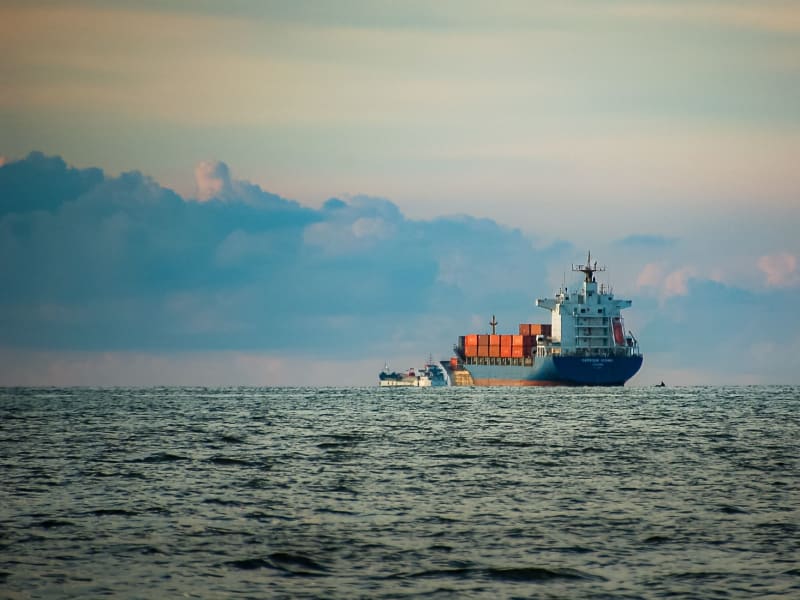
- The global shipping industry faces unprecedented risks, including increased insurance premiums, rerouting costs, and potential for direct conflict, as commercial vessels navigate increasingly militarized economic zones.
What We Do Not Know Yet
- The full extent of the long-term economic impact on global GDP and specific industries remains unclear, particularly regarding how sustained disruptions to major trade routes will reshape international commerce.
- Whether new international legal frameworks or agreements will emerge to address the 'navalization' of economic warfare, or if existing maritime laws will be reinterpreted or simply ignored, is still an open question.
- How smaller, trade-dependent nations will adapt to or mitigate the risks associated with increasingly contested trade routes, and what support mechanisms might be developed to protect their economic lifelines, is largely undefined.
- The precise thresholds at which economic coercion in maritime spaces could escalate into direct military conflict are not yet established, creating dangerous ambiguities for international actors.
- Which specific technologies, beyond traditional naval assets, will become central to enforcing economic blockades or protecting trade routes in this new era of navalized economic warfare is an evolving area of concern.
- The degree to which private shipping companies and logistics providers will be compelled to align with national security agendas, potentially compromising their neutrality and commercial interests, is an ongoing development.
Background
For decades, the global economic order largely operated on the principle of free and open trade, underpinned by international agreements and the tacit understanding that maritime routes were neutral conduits for commerce. This era fostered unprecedented globalization, allowing goods to flow freely across oceans, connecting markets and supply chains worldwide. The stability of these routes was considered a global public good, essential for the prosperity of all nations, and military forces primarily served to deter piracy or ensure general security rather than to enforce economic leverage directly.
However, recent geopolitical shifts have dramatically altered this landscape. The rise of great power competition, coupled with an increasing willingness to employ economic tools as instruments of statecraft, has led to a profound transformation. Economic sanctions, once a primary non-military tool, have evolved into more aggressive tactics, including direct interference with trade flows and the weaponization of critical supply chains. This strategic pivot reflects a broader recognition that economic vulnerabilities can be exploited as effectively as military ones, blurring the lines between economic competition and national security.
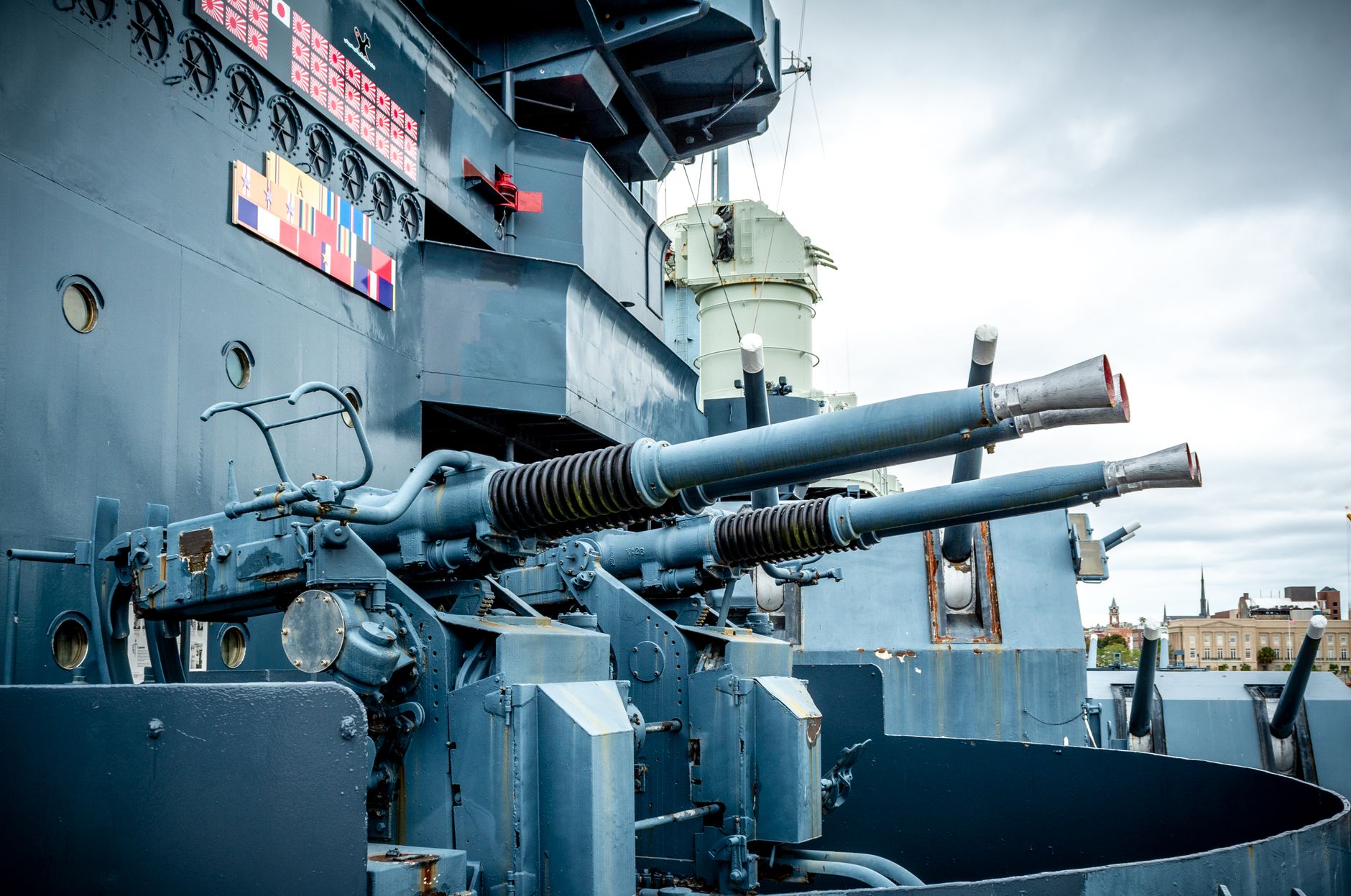
The term 'navalization' aptly describes this paradigm shift, where the physical spaces of global trade—particularly maritime routes and choke points—are becoming zones of strategic contestation. Nations are increasingly using their naval and coast guard assets not just for traditional defense, but to project economic power, enforce blockades, or protect their own commercial interests against perceived threats. This trend signifies a move away from a rules-based international trading system towards one where force, or the threat of force, dictates access and flow, fundamentally challenging the foundations of global commerce and stability.
Why It Matters
The 'navalization' of economic warfare carries profound implications, threatening to unravel decades of global economic integration and stability. When trade routes become zones of force rather than rules, the predictability and security essential for international commerce evaporate. This shift directly impacts global supply chains, leading to increased costs, delays, and a pervasive sense of uncertainty for businesses and consumers alike. The ripple effects will be felt across every sector, from manufacturing and agriculture to technology and energy, as companies grapple with unreliable shipping and the potential for politically motivated disruptions.
Beyond immediate economic disruptions, this trend risks escalating geopolitical tensions into direct confrontations. As nations increasingly view maritime trade arteries as strategic assets to be controlled or contested, the likelihood of incidents at sea—whether accidental or intentional—grows significantly. Such incidents could quickly spiral into broader conflicts, transforming economic disputes into military engagements. This erosion of the distinction between economic and military domains creates a dangerous new reality where the global commons become battlegrounds for economic dominance, putting international peace and security at grave risk.
Ultimately, the shift away from a rules-based system undermines the very fabric of international cooperation and trust. If the fundamental principles of free navigation and open trade are disregarded in favor of nationalistic economic coercion, the incentive for nations to adhere to multilateral agreements diminishes. This could lead to a fragmentation of the global economy, characterized by regional blocs, protectionism, and a decline in shared prosperity. The long-term consequences include reduced innovation, slower economic growth, and a more volatile and unpredictable world order, making it imperative for policymakers to address this challenge with urgency and foresight.
Timeline of Events
- Early 2000s: Initial discussions emerge regarding the weaponization of economic interdependence, particularly after 9/11, focusing on financial sanctions and export controls as tools against state and non-state actors.
- 2010-2015: Increased focus on critical infrastructure protection and cybersecurity, recognizing digital vulnerabilities in global trade and logistics, laying groundwork for broader economic warfare strategies.
- 2016-2018: Major powers begin to overtly use trade tariffs and restrictions as instruments of foreign policy, signaling a departure from traditional free-trade principles and escalating economic competition.
- 2019-2021: The COVID-19 pandemic exposes severe vulnerabilities in global supply chains, prompting nations to reassess dependencies and consider strategic reshoring or diversification, further fueling economic nationalism.
- 2022-Present: The concept of 'navalization' gains prominence as geopolitical conflicts directly impact major shipping lanes, leading to increased military presence, threats to commercial vessels, and rerouting of vital trade.
- Ongoing: Discussions intensify within international bodies and among maritime stakeholders about the need for new rules or enforcement mechanisms to protect freedom of navigation and prevent economic warfare from destabilizing global commerce.
Rapid-Fire Q&A
What Is Coming
- Expect a continued escalation in the strategic importance of maritime control, leading to increased naval deployments and the development of advanced capabilities aimed at projecting economic power across global oceans.
- The international community will likely face intense pressure to either adapt existing international maritime laws or create new frameworks to address the challenges posed by economic warfare in contested sea lanes.
- Businesses, particularly those heavily reliant on global supply chains, will need to fundamentally restructure their logistics, potentially leading to regionalization of production and increased stockpiling of critical goods.
- We anticipate a rise in cyberattacks targeting port infrastructure, shipping logistics, and navigation systems, as economic warfare extends into the digital realm to disrupt physical trade flows.
- The cost of international shipping and trade insurance is projected to continue rising, reflecting the heightened risks and operational complexities introduced by increasingly militarized economic zones.
- Nations will increasingly form alliances and partnerships focused on securing specific trade routes and critical resources, potentially leading to a more fragmented and bloc-oriented global trading system.















Comments
No comments yet. Be the first to comment!