
What We Know
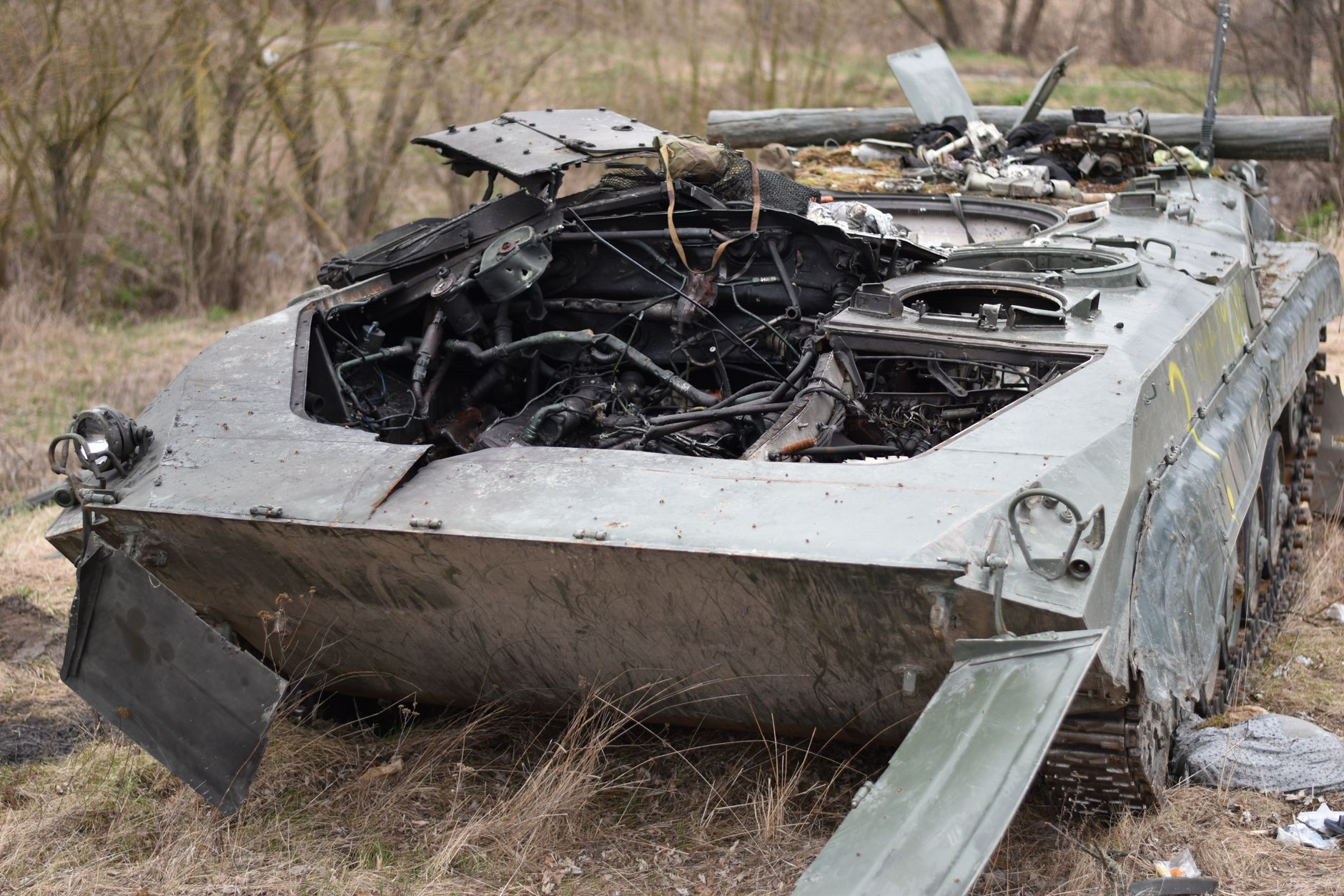
- The war in Ukraine is experiencing a significant and alarming escalation, marked by a surge in civilian casualties and widespread destruction across multiple regions.
- Recent reports indicate a dramatic increase in the intensity and frequency of missile and drone attacks, targeting not only military installations but also critical civilian infrastructure and residential areas.
- The United Nations Security Council has convened to address the dire humanitarian situation and the deteriorating security landscape, with member states expressing profound concern over the conflict's trajectory.
- International aid organizations are struggling to provide adequate assistance amidst the heightened hostilities, facing immense challenges in accessing affected populations and delivering vital supplies.
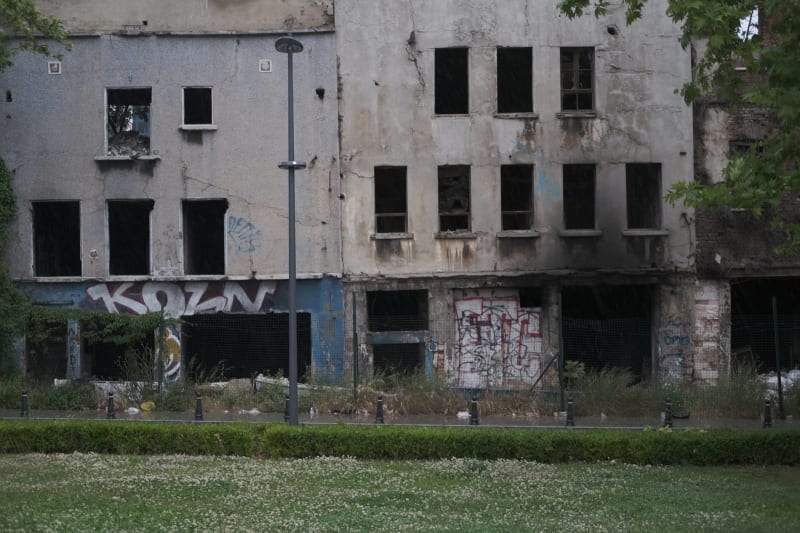
- The deliberate targeting of energy infrastructure has plunged millions into darkness and cold, exacerbating the humanitarian crisis as winter approaches and essential services are severely disrupted.
- Both sides continue to report significant military losses, underscoring the brutal and attritional nature of the conflict, which shows no immediate signs of de-escalation.
What We Do Not Know Yet
- The precise number of current military casualties on both sides remains largely unverified, with official figures often contested and independent confirmation proving exceptionally difficult amidst ongoing combat operations.
- The full extent of damage to Ukraine's critical infrastructure, particularly its energy grid and transportation networks, is still being assessed, with many areas inaccessible due to active fighting.
- Whether the recent escalation represents a strategic shift in military objectives from either Russia or Ukraine, or if it is a response to specific battlefield developments, remains a subject of intense speculation and analysis.
- The potential for a diplomatic breakthrough or a ceasefire agreement in the near future appears increasingly remote, with no clear path to de-escalation emerging from recent international discussions.
- The long-term impact of the current wave of attacks on Ukraine's ability to sustain its defense and maintain essential services for its population is not yet fully understood, posing significant future challenges.
- The specific details of any new international aid packages or military support commitments that might emerge from the Security Council meetings or bilateral discussions are yet to be publicly disclosed.
Background
The conflict in Ukraine, which began with Russia's full-scale invasion in February 2022, has evolved into Europe's most significant and devastating war since World War II. Initially characterized by rapid Russian advances and a swift Ukrainian defense, the conflict has since settled into a brutal war of attrition, particularly along the eastern and southern fronts. The initial phase saw major offensives targeting Kyiv, followed by a strategic pivot by Russia to consolidate control over the Donbas region and establish a land bridge to Crimea. Ukraine, bolstered by substantial Western military and financial aid, mounted effective counter-offensives, reclaiming significant territories and demonstrating remarkable resilience against a numerically superior adversary.
Over the past year, the nature of the warfare has become increasingly complex, marked by intense artillery duels, drone warfare, and a relentless campaign of missile strikes against Ukrainian cities and infrastructure. Russia has consistently targeted Ukraine's energy grid, particularly during colder months, aiming to cripple the country's ability to sustain its population and military operations. These attacks have led to widespread power outages, disruptions in heating and water supplies, and immense suffering for millions of civilians. The international community, led by the United States and European allies, has responded with unprecedented sanctions against Russia and substantial military assistance to Ukraine, aiming to bolster its defensive capabilities.
The United Nations, through its various agencies and the Security Council, has been a central forum for discussing the conflict, though its actions have often been hampered by Russia's veto power. Despite repeated calls for peace and adherence to international law, the fighting has continued unabated, with both sides entrenched in their positions and showing little willingness to compromise. The humanitarian toll has been catastrophic, with millions displaced, thousands killed, and widespread destruction of homes, schools, and hospitals. The global ramifications, including impacts on food security and energy markets, underscore the far-reaching consequences of this devastating war.
Why It Matters
The escalating conflict in Ukraine is not merely a regional crisis; it represents a profound challenge to the foundational principles of international law and sovereign integrity. When a permanent member of the UN Security Council can unilaterally invade a neighboring state, redraw borders by force, and systematically target civilian infrastructure, it undermines the entire global security architecture established post-World War II. This sets a dangerous precedent, signaling to other potential aggressors that territorial conquest and disregard for international norms might be tolerated, thereby increasing instability worldwide and threatening peace far beyond Eastern Europe. The failure to decisively address this aggression could embolden similar actions in other volatile regions, leading to a more chaotic and dangerous international landscape.
Beyond the geopolitical implications, the humanitarian catastrophe unfolding in Ukraine is staggering and demands immediate global attention. Millions of lives have been uprooted, essential services decimated, and a generation of children is growing up amidst the trauma of war. The deliberate targeting of energy infrastructure, especially as winter approaches, transforms warfare into a weapon of mass suffering, risking widespread hypothermia, disease, and starvation. This systematic destruction of civilian life and essential services constitutes potential war crimes and requires robust international accountability. Allowing such atrocities to continue unchecked would be a moral failure for humanity, eroding our collective commitment to protecting innocent lives and upholding human dignity.
The economic ripple effects of the war extend globally, impacting energy markets, food supplies, and supply chains, contributing to inflation and economic uncertainty in countries far removed from the conflict zone. Ukraine and Russia are major global suppliers of critical commodities, and disruptions to their production and export have far-reaching consequences, particularly for developing nations already struggling with poverty and instability. Furthermore, the conflict has forced a significant realignment of international alliances and defense spending, diverting resources that could otherwise be used for global development, climate action, or public health initiatives. The longer this conflict persists, the more entrenched these global economic and political dislocations become, making a return to stability increasingly difficult and costly for everyone.
Timeline of Events
- February 24, 2022: Russia launches a full-scale invasion of Ukraine, targeting multiple cities including Kyiv, marking a dramatic escalation of the conflict that began in 2014.
- March 2022: Russian forces are repelled from Kyiv, leading to a strategic shift in focus towards the Donbas region and southern Ukraine, aiming to establish a land corridor to Crimea.
- September 2022: Ukraine launches a successful counter-offensive in Kharkiv Oblast, reclaiming significant territory and demonstrating its capacity to push back Russian forces.
- October 2022: Russia intensifies its missile and drone attacks on Ukraine's energy infrastructure, initiating a systematic campaign to cripple the country's power grid as winter approaches.
- November 2022: Ukrainian forces liberate Kherson city, a major strategic victory and the only regional capital captured by Russia since the full-scale invasion, forcing a significant Russian retreat.
- January-February 2023: Intense fighting continues in the Donbas region, particularly around Bakhmut, becoming one of the longest and bloodiest battles of the war, with high casualties on both sides.
- Summer 2023: Ukraine launches its anticipated counter-offensive in the south, making slow but steady progress through heavily fortified Russian defensive lines, aiming to sever the land bridge to Crimea.
- October-November 2023: Reports emerge of a significant surge in missile and drone attacks across Ukraine, leading to increased civilian casualties and further damage to critical infrastructure, prompting renewed international concern.
- December 2023: The UN Security Council convenes an emergency session to address the escalating humanitarian crisis and the intensifying nature of the conflict, with calls for de-escalation and protection of civilians.
- January 2024: Continued reports of intensified fighting along the front lines and persistent long-range strikes against Ukrainian cities underscore the ongoing and escalating lethality of the war.
- February 2024: International bodies and humanitarian organizations issue dire warnings about the humanitarian situation, emphasizing the urgent need for increased aid and protection for civilians caught in the crossfire.
- March 2024: Western allies reaffirm their commitment to supporting Ukraine, discussing new military aid packages and sanctions against Russia in response to the sustained escalation of hostilities.
Rapid-Fire Q&A
What Is Coming
- Expect continued intense fighting along the front lines, particularly in the eastern and southern regions, as both sides strive to gain or consolidate strategic positions before any potential winter slowdown.
- Further waves of missile and drone attacks targeting Ukraine's critical infrastructure, especially its energy grid, are highly probable as Russia maintains pressure to degrade the country's resilience.
- The humanitarian crisis is projected to deepen significantly, with increasing needs for shelter, food, medical aid, and psychological support for millions of displaced and affected civilians.
- The international community will likely face renewed pressure to provide more substantial and timely military aid to Ukraine, alongside increased humanitarian assistance to mitigate the escalating suffering.
- Diplomatic efforts, while currently stalled, will continue behind the scenes, with various international actors attempting to find common ground for de-escalation or a future peace process.
- Increased scrutiny and calls for accountability for potential war crimes and violations of international humanitarian law are anticipated as the conflict's lethality and impact on civilians grow.













Comments
No comments yet. Be the first to comment!