
The Numbers
- Median inflation expectations for the one-year horizon surged to 3.3% in April, marking a significant increase of 0.3 percentage points from the previous month and reaching their highest level since November 2023.
- The three-year inflation outlook also saw an uptick, rising by 0.2 percentage points to 2.8%, indicating a sustained concern among consumers about future price stability.
- In contrast, the five-year inflation expectation remained stable at 2.8%, suggesting that while short- and medium-term concerns are escalating, long-term views on inflation are relatively anchored.
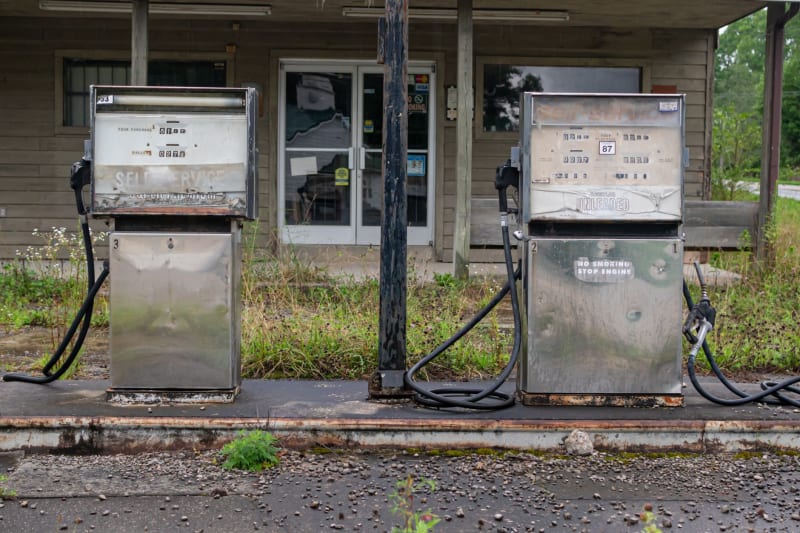
- Median expected growth in gas prices over the next year dramatically fell by 2.3 percentage points to 4.8%, a notable decline that could offer some relief to household budgets, despite overall inflation worries.
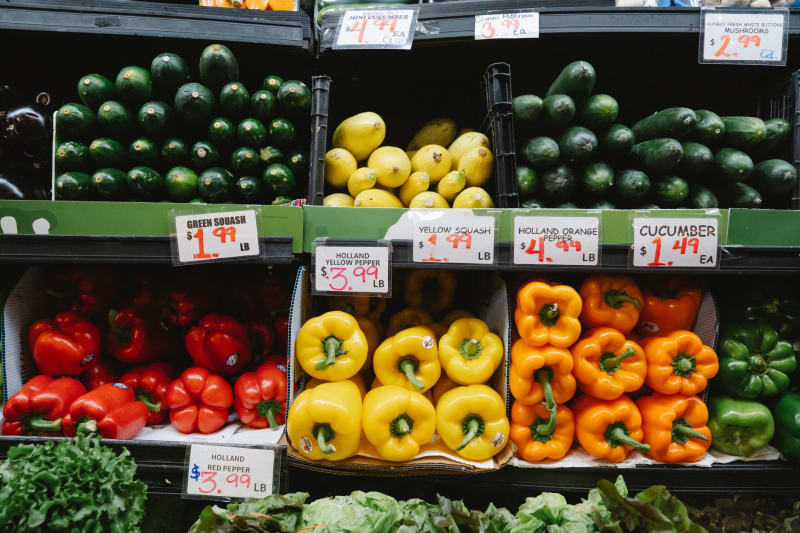
- Expected growth in food prices for the coming year decreased by 0.3 percentage points to 5.2%, providing a glimmer of hope that one of the most volatile components of household spending might stabilize.
- Rent price growth expectations for the next year saw a modest decrease of 0.1 percentage points to 9.0%, still a high figure that continues to put pressure on renters nationwide.
- The median expected growth in medical costs for the next year increased by 0.2 percentage points to 9.2%, highlighting persistent concerns about healthcare affordability.
- Expected growth in college education costs for the next year rose by 0.9 percentage points to 8.4%, signaling growing anxiety among families about the escalating price of higher education.
Context Check
The recent surge in short- and medium-term inflation expectations reflects a complex interplay of economic forces currently at play in the global and domestic markets. Consumers are not simply reacting to past price increases but are actively forming forward-looking assessments based on a myriad of signals, including ongoing geopolitical tensions, supply chain disruptions, and the persistent strength of the labor market. This elevated concern about near-term price stability can significantly influence purchasing decisions, wage demands, and investment strategies, potentially creating a self-fulfilling prophecy if not carefully managed by monetary authorities. The Federal Reserve, in particular, closely monitors these expectations as they are a critical input into its policy deliberations, especially regarding interest rate adjustments.
While the overall inflation outlook appears concerning for the immediate future, the notable decline in gas price growth expectations offers a nuanced perspective. This divergence suggests that consumers might be distinguishing between broad inflationary pressures and specific commodity price movements. Factors such as increased global oil production, strategic petroleum reserve releases, or even a perceived slowdown in demand could be contributing to this more optimistic view on fuel costs. However, it is crucial to remember that energy prices are notoriously volatile and can shift rapidly due to unforeseen events, making this particular expectation a fragile one. Any sudden escalation in global conflicts or supply disruptions could quickly reverse this trend, reigniting inflationary fears.
The stability of long-term inflation expectations, remaining anchored at 2.8%, is a critical indicator of the public's confidence in the central bank's ability to eventually bring inflation back to its target. This anchoring is vital for economic stability, as it prevents a spiral of ever-increasing prices and wages. If long-term expectations were to become unmoored, it would signal a profound loss of trust in monetary policy, potentially leading to more aggressive and disruptive interventions. The current data suggests that while consumers are bracing for a bumpy ride in the short run, they still believe in the eventual return to a more stable price environment, a testament to the Fed's communication efforts and perceived credibility.
Background
Inflation expectations are not merely academic constructs; they are powerful psychological forces that profoundly influence economic behavior. When consumers anticipate higher prices, they may accelerate purchases, demanding higher wages to maintain their purchasing power. Businesses, in turn, may raise prices to cover anticipated cost increases and higher labor expenses. This cycle can create a self-reinforcing inflationary spiral, making it exceedingly difficult for central banks to achieve price stability. The Federal Reserve, through its monthly Survey of Consumer Expectations, meticulously tracks these sentiments to gauge the public's perception of future economic conditions and to inform its monetary policy decisions. Understanding these expectations is as crucial as analyzing historical inflation data.
The period following the COVID-19 pandemic saw an unprecedented surge in inflation, driven by a combination of robust consumer demand, extensive fiscal stimulus, and severe supply chain disruptions. This era of elevated price growth significantly impacted household budgets, eroding real wages and sparking widespread public concern. While the Federal Reserve has aggressively raised interest rates to combat inflation, bringing the headline numbers down from their peaks, the psychological impact of this period lingers. Consumers remain highly attuned to price changes, and their expectations are particularly sensitive to fluctuations in essential goods and services, such as food, energy, and housing. This heightened sensitivity makes the current rise in short-term expectations particularly noteworthy.
Historically, periods of high and volatile inflation expectations have often preceded or accompanied significant economic instability. The 1970s, for example, serve as a stark reminder of the dangers of unanchored inflation expectations, where a wage-price spiral became deeply entrenched in the economy. Central banks learned valuable lessons from this era, emphasizing the importance of maintaining credibility and clearly communicating their commitment to price stability. Today's policymakers are acutely aware of these historical precedents, which is why the current data, showing a rise in short- and medium-term expectations, is being scrutinized with such intensity. The challenge lies in managing these perceptions without stifling economic growth.
Winners and Losers
In an environment of rising short-term inflation expectations, certain segments of the economy and population tend to fare better than others. Debtors, particularly those with fixed-rate loans such as mortgages, might see the real value of their debt diminish over time, effectively making their repayments less burdensome in real terms. Asset holders, especially those with tangible assets like real estate or commodities, often find their investments appreciating in nominal value, providing a hedge against inflation. Businesses with strong pricing power, capable of passing on increased costs to consumers without significant loss of demand, are also positioned to navigate this landscape more effectively. These entities can maintain or even expand their profit margins, outperforming competitors who lack such flexibility.
Conversely, the primary losers in an inflationary environment are often those on fixed incomes, such as retirees or individuals relying on social security, whose purchasing power is steadily eroded as prices rise. Savers, especially those holding cash or low-yielding bonds, also see the real value of their savings diminish, as the returns fail to keep pace with inflation. Workers whose wages do not keep up with the rate of inflation experience a decline in their real income, effectively making them poorer. Small businesses, particularly those with thin margins and limited ability to absorb or pass on increased costs, can face significant operational challenges, potentially leading to reduced profitability or even closure. This disparity in impact exacerbates economic inequality.
The current scenario presents a mixed bag. While the overall inflation outlook is concerning for many, the decline in gas price growth expectations offers a slight reprieve for consumers who are heavily reliant on transportation. This could translate into marginal savings for commuters and families, potentially freeing up some disposable income for other necessities. However, this small win is likely overshadowed by the broader increases in expected costs for essentials like food, medical care, and education. Therefore, while some may experience minor relief in specific areas, the general population, especially those with lower incomes, remains vulnerable to the broader inflationary pressures, necessitating careful financial planning and policy interventions.
Analyst Perspectives
Economists are closely scrutinizing the latest inflation expectation data, with many expressing a degree of caution regarding the upward trend in short- and medium-term forecasts. "This rise in consumer expectations is a critical signal that inflationary pressures are proving more persistent than initially hoped," noted Dr. Evelyn Reed, a senior economist at Global Insights Group. "It suggests that the market may be pricing in a 'higher for longer' interest rate scenario, as the Federal Reserve will likely feel compelled to maintain a hawkish stance to re-anchor these expectations." The consensus among many analysts is that this data reinforces the Fed's resolve to continue its fight against inflation, potentially delaying any anticipated rate cuts further into the year, or even into the next, depending on subsequent economic indicators.
However, not all analysts view the situation with unmitigated alarm. Some point to the stability of long-term expectations and the decline in specific commodity price forecasts, particularly for gas, as signs of underlying resilience. "While the headline numbers for short-term expectations are certainly elevated, the nuanced picture, especially the tempering of gas price forecasts, indicates that consumers are not uniformly pessimistic," stated Marcus Chen, a market strategist at Apex Financial. "This suggests that while general inflationary sentiment is up, there's a recognition that some of the more volatile components might be cooling. The Fed will need to carefully balance these signals, avoiding an overreaction that could unnecessarily stifle economic growth." This perspective emphasizes the importance of disaggregating the data to understand the underlying drivers.
Furthermore, a recurring theme in analyst discussions is the potential impact of these expectations on wage negotiations and labor market dynamics. "When workers anticipate higher inflation, they naturally demand higher wages to protect their real income," explained Dr. Sofia Khan, a labor economist at the Institute for Economic Research. "This can create a feedback loop, where rising wages contribute to higher business costs, which are then passed on as higher prices, fueling further inflation. The Fed is acutely aware of this risk, and the latest expectations data will undoubtedly factor into their assessment of labor market tightness and the potential for a wage-price spiral." This highlights the intricate connection between consumer sentiment, labor markets, and monetary policy, underscoring the complexity of the current economic environment.
Key Questions Explained
The Outlook
The immediate economic outlook is characterized by a delicate balance between persistent inflationary pressures and nascent signs of moderation in specific sectors. The upward revision of short- and medium-term inflation expectations suggests that the path to the Federal Reserve's 2% target may be longer and more challenging than initially anticipated. This could translate into a 'higher for longer' interest rate environment, impacting borrowing costs for consumers and businesses, and potentially slowing economic growth. Policymakers will be keenly watching upcoming inflation reports and labor market data to assess the true trajectory of price stability and to determine the appropriate timing for any shifts in monetary policy.
Looking further ahead, the stability of long-term inflation expectations provides a crucial anchor amidst the near-term volatility. This indicates that while consumers are bracing for continued price increases in the coming months and years, there is still a fundamental belief in the central bank's ability to restore price stability over a five-year horizon. This confidence is vital for preventing a more entrenched inflationary spiral and offers a glimmer of hope that current pressures are transient, albeit persistent. However, this long-term optimism could be eroded if short-term inflation remains stubbornly high, making the Fed's communication and actions in the coming quarters exceptionally important.
For households and businesses, the coming months will demand continued vigilance and adaptability. While the anticipated slowdown in gas price growth offers a slight reprieve, the broader increases in expected costs for essentials like food, medical care, and education underscore the need for prudent financial planning. Businesses will need to carefully manage their pricing strategies and supply chains to navigate these inflationary headwinds without alienating customers. The overall outlook suggests a period of sustained economic uncertainty, where consumer sentiment and policy responses will play pivotal roles in shaping the trajectory of inflation and the broader economy.
















Comments
No comments yet. Be the first to comment!