

The Story in Brief
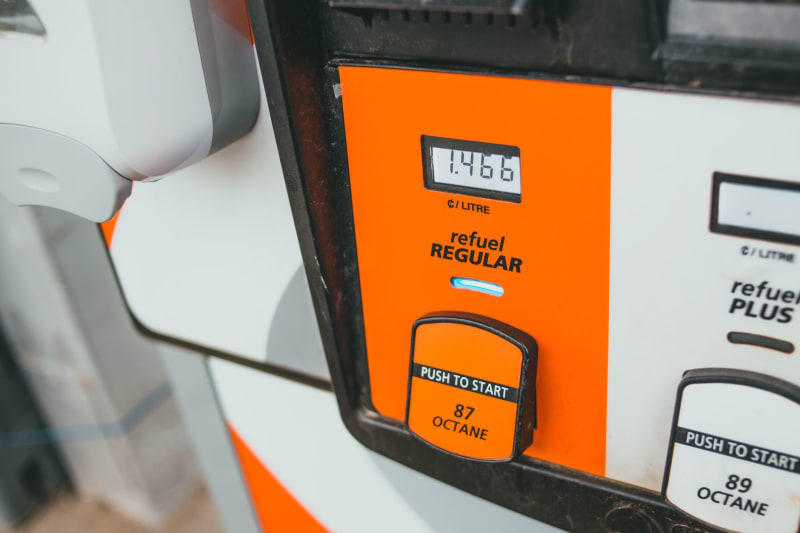
- Inflation has reached its highest point in three years, presenting a significant challenge to economic stability and household financial planning across the nation.
- The primary driver behind this alarming inflationary surge is the relentless and substantial increase in gasoline prices, impacting transportation costs for individuals and businesses alike.
- This sharp rise in inflation is intensifying the existing affordability crisis, making essential goods and services increasingly out of reach for many families and individuals.
- Consumers are feeling the direct impact of these price hikes, with their purchasing power diminishing and disposable income shrinking, forcing difficult budgetary decisions.
- Economists and policymakers are now grappling with how to effectively address this inflationary pressure without stifling economic growth or exacerbating other financial vulnerabilities.
- The current economic landscape suggests that without targeted interventions, the cost of living will continue to climb, further straining the financial resilience of the average citizen.
The Human Face
For countless families, the daily commute has transformed from a routine necessity into a significant financial burden. Sarah, a mother of two working a demanding retail job, now spends nearly 20% more on gas each week just to get to work and drop her children at daycare. This isn't merely an inconvenience; it's a direct assault on her already tight budget, forcing her to cut back on groceries and postpone essential medical appointments. The rising cost of fuel doesn't just impact her car; it ripples through every aspect of her life, making basic survival a constant struggle.
Small business owners are also feeling the immense pressure. Mark, who runs a local delivery service, has seen his operational costs skyrocket. The increased fuel expenses mean he either absorbs the losses, dramatically reducing his profit margins, or passes the costs onto his customers, risking losing their business to larger competitors. This dilemma highlights the precarious position many local enterprises find themselves in, caught between rising input costs and the need to remain competitive in a challenging economic climate. The dream of growing his business is now overshadowed by the struggle to simply keep it afloat.
The psychological toll of this sustained inflation is equally profound. A pervasive sense of anxiety and uncertainty has settled over many households as they watch their savings erode and their future financial stability become increasingly tenuous. The constant recalculation of budgets, the difficult choices between necessities, and the fear of unforeseen expenses create a stressful environment that impacts mental well-being. This isn't just about numbers on a spreadsheet; it's about the everyday struggles and the eroding sense of security for millions of people navigating an increasingly expensive world.
How We Got Here
The current inflationary spike, particularly in energy prices, is a complex confluence of global and domestic factors that have been brewing for months. Geopolitical tensions, especially in major oil-producing regions, have significantly disrupted supply chains and created an atmosphere of uncertainty in the global energy markets. These international events directly translate into higher crude oil prices, which are then passed on to consumers at the pump, exacerbating the cost of living crisis and impacting every sector of the economy.
Domestically, a robust post-pandemic demand rebound, coupled with persistent supply chain bottlenecks, has contributed to upward price pressures across various goods and services. As economies reopened and consumer spending surged, the existing production and logistics infrastructure struggled to keep pace. This imbalance between heightened demand and constrained supply created fertile ground for inflation to take root, with businesses facing higher input costs and subsequently raising their prices to maintain profitability. The cumulative effect is a broad-based increase in the cost of living.
Furthermore, a series of fiscal and monetary policies implemented over the past few years, while aimed at stimulating economic recovery, have also injected significant liquidity into the system. While necessary at the time, this expansive approach has, in part, contributed to the current inflationary environment by increasing the money supply without a proportional increase in goods and services. The lag effect of these policies, combined with external shocks, has created a challenging economic landscape where inflation is not just a temporary blip but a more entrenched problem requiring careful and strategic intervention.
Why This Cannot Be Ignored
The escalating inflation, particularly driven by soaring gas prices, is not merely an economic statistic; it represents a profound threat to the financial stability of millions of households. When the cost of essential transportation rises sharply, it directly impacts disposable income, forcing families to make difficult choices between filling their tank, buying groceries, or paying for healthcare. This erosion of purchasing power can push vulnerable populations deeper into poverty and make upward mobility an increasingly distant dream for the working class.
Beyond individual households, sustained high inflation can destabilize the broader economy, leading to reduced consumer spending on non-essentials, which in turn can slow economic growth and potentially trigger a recession. Businesses face increased operational costs, which can lead to layoffs, reduced investments, and a general contraction of economic activity. If left unchecked, this inflationary spiral can erode confidence in the economy, making long-term planning for both individuals and corporations incredibly challenging and uncertain.
Moreover, the current inflation crisis exacerbates social inequalities. Those with lower incomes spend a larger proportion of their earnings on necessities like food and fuel, making them disproportionately affected by price hikes. This widens the wealth gap and can lead to increased social unrest and political instability as citizens feel the pinch of an unresponsive economic system. Addressing this inflation is not just an economic imperative; it is a social and ethical responsibility to ensure a fair and equitable society for all its members.
Possible Paths Forward
Addressing the current inflation crisis demands a multi-faceted approach, beginning with strategic monetary policy adjustments. Central banks could consider further interest rate hikes to cool down an overheated economy, thereby reducing demand and bringing prices back into alignment. However, this must be carefully balanced to avoid triggering a recession, requiring meticulous data analysis and forward-looking economic projections to ensure that any rate adjustments are precise and effective without stifling essential growth.
Fiscal policy also plays a crucial role. Governments could explore targeted subsidies for essential goods, particularly fuel, to alleviate immediate pressure on consumers and businesses. Simultaneously, investing in renewable energy infrastructure and diversifying energy sources could reduce long-term reliance on volatile global oil markets, providing a more sustainable and stable energy future. Such investments would not only mitigate future price shocks but also contribute to environmental sustainability, offering a dual benefit.
Furthermore, fostering greater competition and addressing supply chain inefficiencies are vital for long-term price stability. Policies that encourage new market entrants, break up monopolies, and streamline logistics can help reduce costs and improve the availability of goods. International cooperation to stabilize global commodity markets and resolve geopolitical tensions that impact energy supplies will also be critical in creating a more predictable and less inflationary economic environment for everyone.

Questions People Are Actually Asking
What to Watch
- The next Consumer Price Index (CPI) report will be crucial for understanding if inflationary pressures are beginning to ease or if they are becoming more entrenched in the economy.
- Decisions from the central bank regarding interest rates will signal their commitment to combating inflation and will directly impact borrowing costs for consumers and businesses.
- Global oil supply and demand dynamics, especially any new geopolitical developments, will continue to dictate the trajectory of gasoline prices and their ripple effect.
- Government policy responses, including potential subsidies or strategic energy investments, could offer relief to consumers and businesses struggling with high costs.
- Consumer spending patterns and confidence levels will indicate how households are adapting to the increased cost of living and their willingness to continue spending.
- Wage growth data will be important to see if incomes are keeping pace with inflation, which is critical for maintaining purchasing power and preventing a decline in living standards.









Comments
No comments yet. Be the first to comment!