

The Numbers
- Consumer confidence saw a modest uptick in the latest survey, primarily driven by a noticeable decrease in average gasoline prices across the nation, offering immediate financial relief to households.
- Despite the positive nudge from fuel costs, a significant majority of consumers still express deep reservations about the current state of the U.S. economy, with many anticipating a downturn or stagnation.
- Inflationary pressures, while showing signs of easing in some sectors, continue to be a major concern for American households, eroding purchasing power and contributing to a general sense of economic unease.
- Job market sentiment remains relatively stable, with low unemployment rates providing a foundational support for consumer sentiment, yet concerns about job security and wage growth persist for many.
- Consumer spending patterns indicate a cautious approach, with households prioritizing essential goods and services while deferring discretionary purchases amid ongoing economic uncertainties and unpredictable future costs.
- Expectations for future economic conditions remain subdued, as consumers grapple with the lingering effects of past inflation and anticipate potential headwinds from interest rate hikes and global economic instability.
Context Check
The recent uptick in consumer confidence, while welcome news, paints a complex picture of American economic sentiment. The primary driver appears to be the tangible relief provided by falling gasoline prices, a significant component of household budgets. This immediate financial reprieve allows consumers to breathe a little easier, potentially freeing up some discretionary income or simply reducing the stress of making ends meet. However, this positive shift is largely localized to the impact of fuel costs and does not necessarily reflect a broader endorsement of the economy's underlying health or future trajectory. Many consumers are acutely aware that the factors contributing to lower gas prices, such as shifts in global demand or supply adjustments, can be volatile and may not offer lasting stability.
Beneath the surface of this marginal confidence boost lies a persistent undercurrent of economic anxiety. Consumers are still grappling with the cumulative effects of sustained inflation over the past few years, which has diminished their purchasing power and savings. The memory of rapidly rising prices for groceries, housing, and other essentials remains vivid, fostering a sense of vulnerability. Furthermore, concerns about potential economic slowdowns, the impact of interest rate hikes on borrowing costs, and geopolitical uncertainties continue to weigh heavily on their outlook. This duality—immediate relief from gas prices juxtaposed with long-term economic worries—creates a fragile optimism that could easily dissipate if other economic indicators turn unfavorable.
The disconnect between the gas price relief and overall economic gloom highlights the nuanced way consumers perceive economic well-being. While lower fuel costs provide a direct, observable benefit, broader economic indicators like inflation rates, job market strength, and future growth prospects are often viewed through a more abstract, yet deeply felt, lens of personal financial security. The current environment suggests that consumers are adopting a wait-and-see approach, appreciating the temporary respite but remaining unconvinced about the economy's robust recovery. This cautious stance influences spending habits, investment decisions, and overall sentiment, indicating that a true return to widespread economic optimism will require more than just a dip at the gas pump.
Background
The economic landscape has been characterized by a volatile mix of factors over the past year, significantly impacting consumer sentiment. Initially, soaring inflation, exacerbated by supply chain disruptions and geopolitical events, led to a sharp decline in consumer confidence. As prices for essential goods, including energy, reached record highs, households felt the pinch acutely, leading to widespread pessimism about their financial futures and the overall economic direction. This period saw consumers cutting back on discretionary spending and expressing deep concern about their ability to maintain their standard of living amidst rising costs.
In response to persistent inflation, central banks, particularly the Federal Reserve, implemented a series of aggressive interest rate hikes. The intended effect was to cool down demand and bring inflation under control, but these measures also raised concerns about potentially triggering an economic recession. Higher interest rates increase the cost of borrowing for everything from mortgages to car loans and business investments, potentially slowing economic growth and impacting employment. Consumers have been keenly aware of these trade-offs, balancing the hope for lower inflation against the fear of a significant economic downturn.
More recently, global energy markets have experienced a notable shift, with crude oil prices experiencing a significant decline from their previous peaks. This decrease is attributed to a combination of factors, including slowing global demand, increased production in some regions, and strategic releases from reserves. The direct impact on consumers has been a welcome reduction in gasoline prices at the pump, providing a much-needed, albeit potentially temporary, financial relief. This development offers a counterpoint to the persistent inflation seen in other areas and has begun to influence consumer sentiment surveys.
Winners and Losers
The most immediate beneficiaries of falling gas prices are, unequivocally, average consumers and households. For millions, particularly those with longer commutes or who rely heavily on personal vehicles for work and daily life, the reduction in fuel expenditures translates directly into increased disposable income or at least a lessening of financial strain. This relief can enable families to allocate funds towards other necessities, reduce debt, or even afford small discretionary purchases they might have previously postponed. The psychological impact of seeing lower numbers at the gas station can also provide a much-needed morale boost, counteracting some of the pervasive economic anxiety.
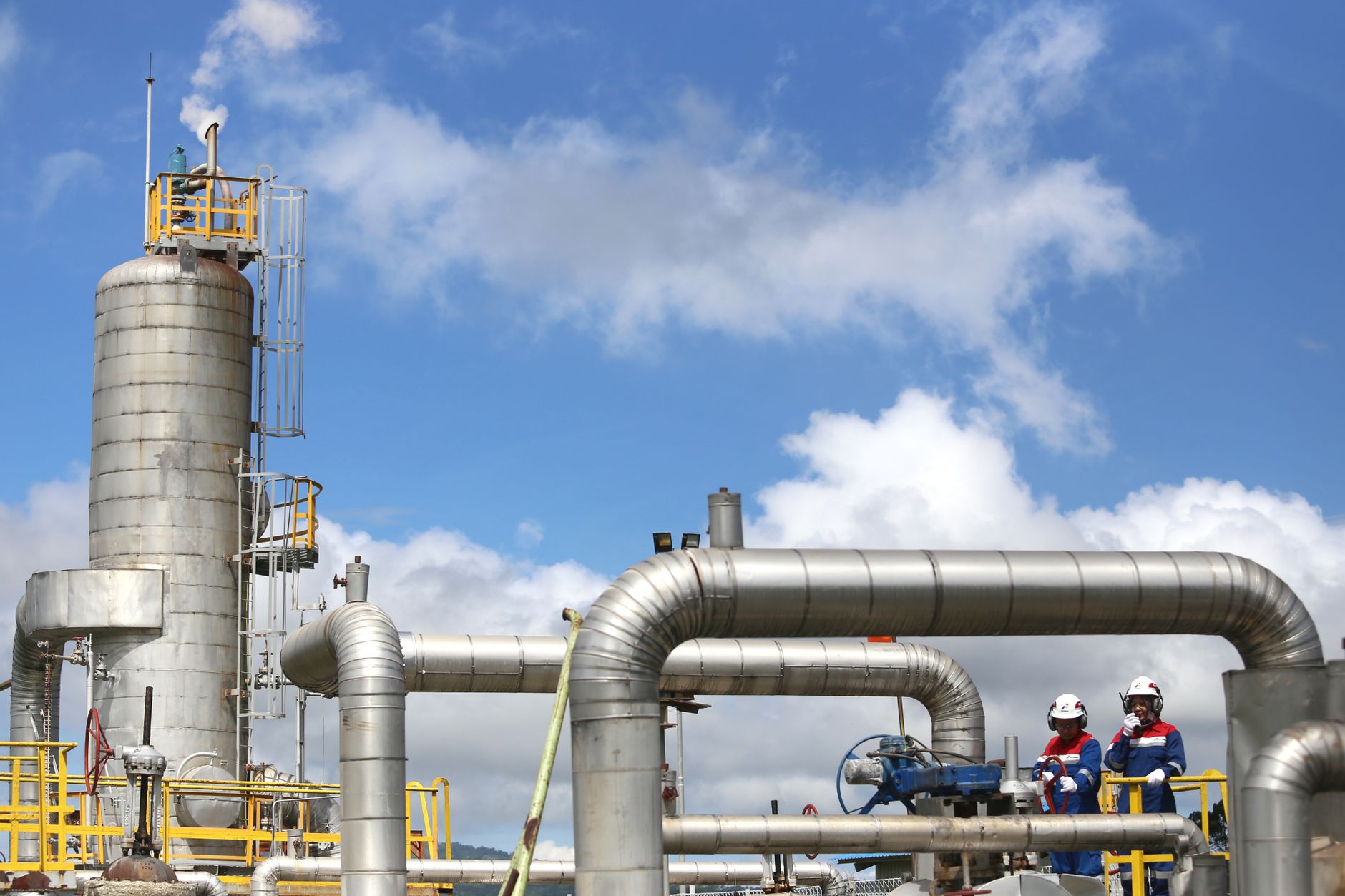
Conversely, the energy sector, particularly oil and gas producers, may find themselves in a less favorable position with declining commodity prices. While they may have benefited from earlier high prices, sustained lower prices can impact profit margins, reduce investment in new exploration and production, and potentially lead to layoffs or scaled-back operations. Companies that have taken on significant debt or made large capital expenditures based on the expectation of continued high prices could face financial pressure. This dynamic can create a ripple effect throughout the industry and related financial markets, impacting investors and employees.
Beyond these direct impacts, the broader economic ecosystem experiences a complex interplay. Businesses that rely heavily on transportation and logistics, such as shipping companies and retailers with extensive supply chains, stand to benefit from reduced operating costs, potentially leading to more competitive pricing or improved profitability. However, if the overall economic sentiment remains negative, consumer demand for goods and services might not fully rebound, limiting the upside for many businesses. Policymakers also find themselves navigating a delicate balance, trying to sustain economic growth without reigniting inflationary pressures, making the current environment a challenging one for strategic decision-making.
Analyst Perspectives
Many economists view the current consumer confidence figures with cautious optimism, emphasizing that the rise is primarily a reaction to falling energy costs rather than a fundamental improvement in economic prospects. They point out that while lower gas prices provide immediate relief, the underlying inflationary pressures in areas like housing, food, and services remain stubbornly high. This suggests that the boost in confidence might be temporary, contingent on sustained low energy prices, and could quickly erode if other costs continue to climb or if the labor market shows signs of weakening. The focus remains on whether this confidence translates into sustained consumer spending or remains a fleeting reaction to a single commodity price.
Analysts specializing in consumer behavior highlight the psychological impact of gas prices as a key indicator for many households. The visibility and frequency of gasoline purchases make price fluctuations highly salient, influencing overall perceptions of economic well-being. However, they caution against overinterpreting this metric. True economic resilience requires broader stability, including stable job growth, manageable inflation across the board, and predictable interest rate environments. The current situation, where relief in one area is overshadowed by concerns in others, indicates a fragile consumer mindset that remains susceptible to negative news or economic shocks.
From a monetary policy perspective, analysts are watching closely to see if the slight improvement in sentiment affects the Federal Reserve's approach to interest rates. While lower energy prices might slightly ease headline inflation figures, core inflation (excluding food and energy) remains a primary concern. The Fed is likely to maintain its focus on bringing inflation down to its target, suggesting that interest rate policy may not change dramatically in the short term based solely on this confidence tick. The persistence of wage growth and service sector inflation will be critical factors in future policy decisions, indicating that the battle against inflation is far from over.

Key Questions Explained
The Outlook
The immediate future for consumer sentiment appears to be a delicate balancing act. The continued moderation of energy prices could provide a sustained, albeit modest, lift to confidence, helping to buffer against other economic headwinds. However, this positive momentum is highly vulnerable to shifts in global oil markets, geopolitical developments, or unexpected domestic economic shocks. If inflation in other sectors fails to recede significantly or if the labor market begins to show weakness, the current fragile optimism could quickly evaporate, pushing consumer sentiment back towards its previous lows. Therefore, the sustainability of this trend hinges on a broader stabilization of economic conditions.
Looking ahead, the effectiveness of monetary policy in taming inflation without inducing a severe recession will be a critical determinant of future economic outlook. If the Federal Reserve can achieve a 'soft landing,' gradually bringing inflation down while maintaining employment, consumer confidence could see a more robust and sustained recovery. Conversely, an overly aggressive approach leading to a sharp economic downturn would undoubtedly deepen consumer pessimism and curtail spending significantly. The path forward remains uncertain, requiring careful monitoring of inflation data, employment figures, and global economic trends.
Ultimately, a genuine and lasting improvement in consumer confidence will likely require more than just falling gas prices. It will necessitate a demonstrable cooling of inflation across a wide range of goods and services, continued strength in the job market with stable wage growth, and clearer signals of sustainable economic expansion. Until these broader conditions are met, consumers are expected to remain cautious, prioritizing financial security and adapting their spending habits to navigate an environment that, while showing glimmers of relief, still presents considerable economic uncertainty.













Comments
No comments yet. Be the first to comment!