

What We Know
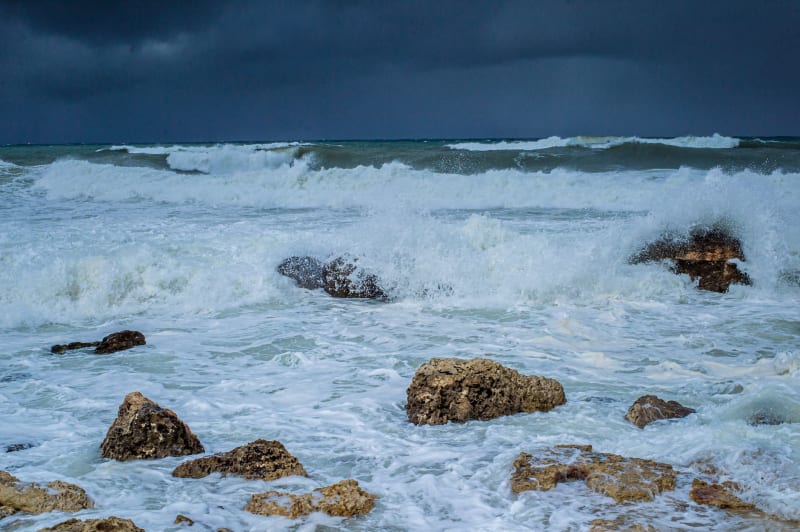
- The frequency and intensity of extreme weather events, such as floods, storms, and heatwaves, are demonstrably increasing across the UK, directly attributable to climate change, leading to a surge in insurance claims.
- Insurance premiums for properties in high-risk areas are already experiencing significant hikes, making coverage increasingly unaffordable for many homeowners and businesses, particularly in coastal regions and floodplains.
- The rising cost of insurance is not merely a localized issue; it has the potential to depress property values in vulnerable areas, creating a two-tiered housing market and exacerbating wealth inequality across the nation.
- Businesses, especially those in sectors heavily reliant on physical infrastructure or exposed to supply chain disruptions from extreme weather, face escalating operational costs and reduced profitability due to higher insurance expenses.
- The UK government and the insurance industry are grappling with how to effectively manage and mitigate these growing risks, exploring options like enhanced flood defenses, stricter building codes, and innovative insurance models.
- Without proactive and comprehensive strategies, the economic burden of climate change, channeled through the insurance sector, could significantly impede the UK's long-term economic growth and fiscal stability.
What We Do Not Know Yet
- The precise threshold at which insurance becomes entirely unavailable or prohibitively expensive for entire regions, leading to mass market failure and widespread economic displacement, remains an urgent unanswered question.
- The full extent of the ripple effect on the broader financial sector, including mortgage lending, property investment, and the stability of local economies heavily reliant on affected industries, is yet to be comprehensively modeled and understood.
- Whether current government and industry initiatives, such as Flood Re, are truly scalable and sustainable enough to address the escalating and geographically widespread nature of climate risks in the long term is a critical unknown.
- The potential for a 'climate migration' within the UK, where populations are forced to relocate from high-risk areas due to unaffordable insurance and declining property values, and its societal implications, has not been adequately assessed.
- How rapidly technological advancements in climate modeling, risk assessment, and protective infrastructure can evolve to keep pace with the accelerating impacts of climate change is a key variable that could alter future projections significantly.
- The degree to which international collaboration and shared risk mechanisms could alleviate the national burden, or if the UK will largely face these escalating costs in isolation, is still an open question for policymakers and global leaders.
Background
The UK, an island nation with extensive coastlines and numerous river systems, has always been susceptible to natural hazards. However, the last two decades have seen a dramatic and undeniable shift in the frequency and severity of extreme weather events. Scientific consensus firmly links this escalation to anthropogenic climate change, manifesting as more intense rainfall leading to widespread flooding, more powerful storms causing structural damage, and prolonged heatwaves impacting infrastructure and public health. This new reality is fundamentally altering the risk landscape for insurers, forcing them to re-evaluate their models and pricing strategies in ways that were unimaginable just a generation ago.
Historically, insurance has served as a critical mechanism for risk transfer, pooling premiums to cover the unpredictable losses of a few. This model, however, is being severely tested by the increasing predictability of 'unpredictable' climate events. Insurers are no longer dealing with isolated incidents but with systemic, recurring, and often intensifying patterns of damage. This shift from managing random occurrences to confronting systemic climate-driven risks is pushing the industry to its limits, leading to a fundamental re-evaluation of what constitutes an insurable risk and at what cost. The traditional actuarial tables are proving inadequate in the face of a rapidly changing climate.
The knock-on effects extend far beyond the direct cost of premiums. As insurance becomes more expensive or even unavailable in certain areas, it directly impacts property values, mortgage availability, and the viability of local businesses. This creates a dangerous feedback loop: higher risks lead to higher premiums, which in turn depress economic activity and investment in affected regions, potentially creating 'uninsurable zones' where economic life becomes unsustainable. The challenge for policymakers and the insurance industry is to develop innovative solutions that not only manage the immediate financial risks but also incentivize long-term climate resilience and adaptation across the entire economy.
Why It Matters
The escalating cost of climate-related insurance is not merely an inconvenience; it represents a fundamental threat to the stability of the UK's housing market. As premiums soar in high-risk areas, property ownership could become an unaffordable luxury for many, particularly first-time buyers and those on lower incomes. This creates a stark divide, where properties in vulnerable locations become increasingly difficult to sell or mortgage, leading to significant depreciation in value. The potential for widespread negative equity and a collapse in local property markets is a concerning prospect, impacting individual wealth and broader financial stability across the nation.
Beyond individual homeowners, businesses across the UK face an existential challenge. Industries ranging from agriculture and tourism to manufacturing and logistics are directly exposed to the impacts of extreme weather. Higher insurance costs erode profit margins, discourage investment, and can even force businesses to relocate or cease operations entirely. This economic strain can lead to job losses, reduced local tax revenues, and a decline in regional economic vitality. The cumulative effect of these pressures could significantly dampen the UK's overall economic growth trajectory, making it harder to compete globally and maintain living standards.
Ultimately, the rising cost of climate insurance is a stark indicator of the broader economic burden of climate change. It forces society to confront the true financial implications of inaction on emissions reduction and adaptation. If left unaddressed, this issue could exacerbate social inequalities, as the most vulnerable communities often reside in areas most exposed to climate risks and are least able to absorb rising costs. It mandates a comprehensive national strategy that integrates climate resilience into urban planning, infrastructure development, and financial policy, ensuring that the UK can adapt to a changing climate without sacrificing economic stability or social equity.
Timeline of Events
- Early 2000s: Initial scientific reports begin to highlight the increasing frequency of extreme weather events in the UK, prompting early discussions within the insurance industry about future risk models and potential premium adjustments.
- 2007: Devastating summer floods across the UK cause billions in damages, serving as a major wake-up call for insurers and policymakers regarding the immediate and escalating financial impact of climate-related events.
- 2013-2014: Winter storms and widespread flooding lead to further significant insurance payouts, intensifying pressure on the government and industry to develop a more sustainable long-term solution for flood insurance.
- 2016: Flood Re, a joint initiative between the UK government and insurers, is launched to ensure affordable flood insurance remains available to high-risk households, subsidizing premiums through a levy on all home insurance policies.
- 2018-2020: A series of heatwaves and subsequent droughts highlight new climate risks beyond flooding, such as subsidence claims due to dry ground, expanding the scope of climate-related insurance concerns.
- 2021-Present: Ongoing discussions intensify regarding the long-term sustainability of Flood Re and the broader insurance market's ability to absorb escalating climate risks, with warnings of 'uninsurable' areas becoming more frequent in industry reports and parliamentary debates.

Rapid-Fire Q&A
What Is Coming
- Expect continued upward pressure on insurance premiums across various sectors, not just property, as climate risks become more pervasive and the cost of capital for insurers increases in response to higher payouts and greater uncertainty.
- Increased scrutiny and potential reforms of existing government-backed insurance schemes like Flood Re, as their long-term sustainability and effectiveness in a rapidly changing climate come under review, possibly leading to new funding models or eligibility criteria.
- A growing divergence in property values between climate-resilient areas and those highly exposed to extreme weather, creating a two-tiered market that could exacerbate wealth inequality and challenge the traditional notion of property as a secure investment.
- More stringent building codes and planning regulations are likely to be introduced, particularly in coastal and flood-prone regions, to mandate climate-resilient construction and discourage development in the most vulnerable areas, impacting developers and homeowners.
- The emergence of new financial products and services designed to help individuals and businesses adapt to climate risks, including climate-resilience bonds, specialized climate risk advisory services, and innovative insurance-linked securities.
- Heightened political debate and public pressure for more aggressive government action on both climate change mitigation (reducing emissions) and adaptation (building resilience), recognizing the direct economic and social costs of inaction.












Comments
No comments yet. Be the first to comment!