
Key Takeaways
- A recent powerful earthquake has significantly aggravated Venezuela's already dire economic and humanitarian crisis, pushing an already fragile nation closer to collapse.
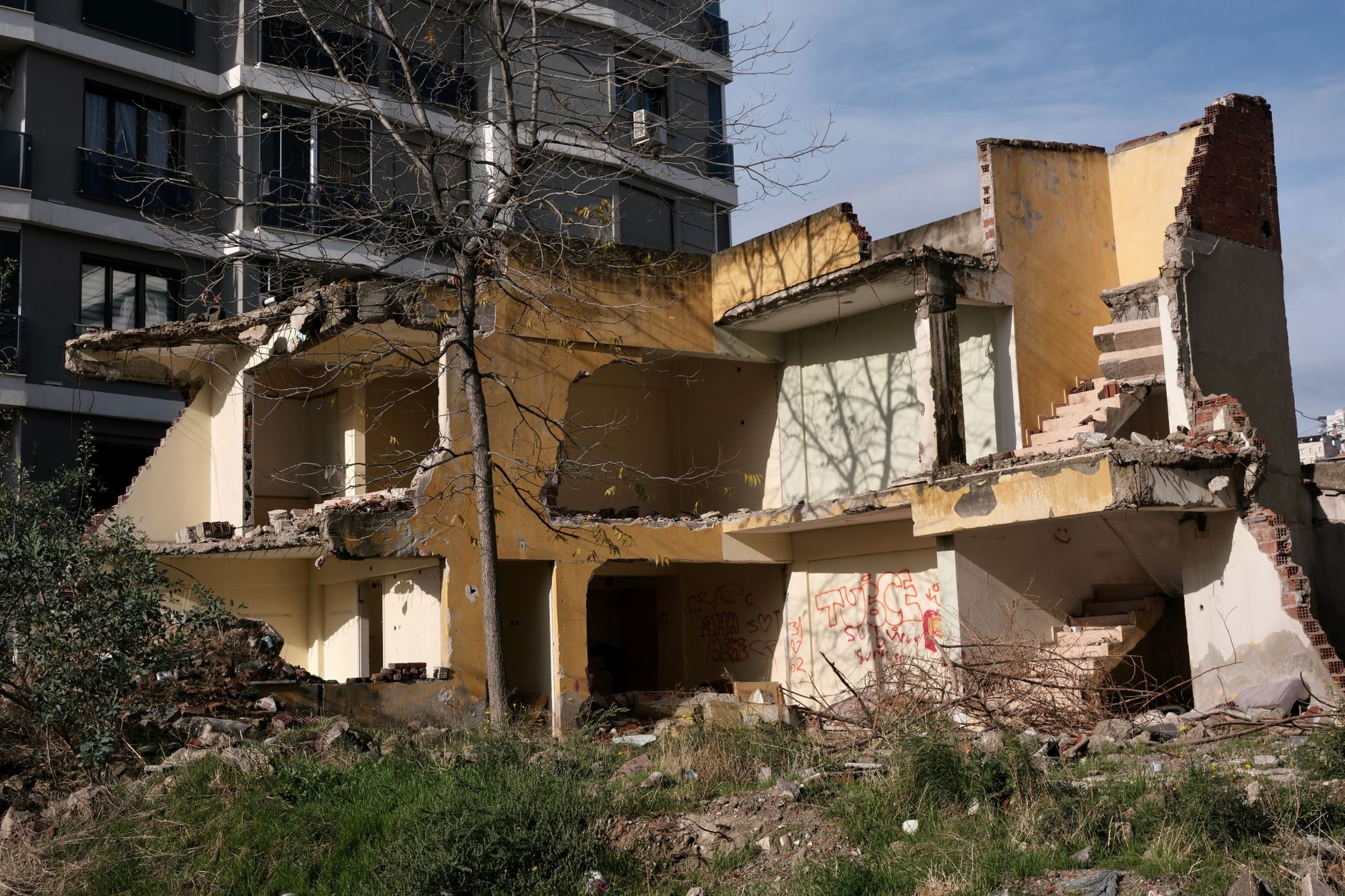
- The tremor has inflicted further damage on critical, dilapidated infrastructure, including hospitals, roads, and communication networks, severely hampering relief efforts and essential services.
- Venezuela's healthcare system, already struggling with chronic shortages of medicine and equipment, faces an overwhelming surge in demand due to earthquake-related injuries and displacement.
- The disaster is expected to accelerate the exodus of Venezuelans seeking stability and basic necessities, intensifying the regional migration crisis and placing immense pressure on neighboring countries.
- International aid efforts are complicated by the Venezuelan government's historical reluctance to accept external assistance and the logistical challenges posed by damaged infrastructure and political instability.
- The earthquake serves as a stark reminder of the compounding vulnerabilities in nations experiencing prolonged socio-economic and political turmoil, highlighting the urgent need for comprehensive, coordinated international intervention.
Background
Venezuela has been in the throes of an unprecedented socio-economic and political crisis for nearly a decade, characterized by hyperinflation, widespread shortages of food and medicine, and a mass exodus of its population. This protracted emergency has decimated public services, eroded the rule of law, and left millions in a state of extreme vulnerability. The nation's once-thriving oil industry, the backbone of its economy, has collapsed due to mismanagement, corruption, and international sanctions, leading to a catastrophic decline in national revenue and an inability to import essential goods. This pre-existing fragility created a perfect storm, leaving the country ill-equipped to handle any unforeseen shock, let alone a natural disaster of significant magnitude.
Before the recent seismic event, the humanitarian situation was already dire, with an estimated 7 million people requiring assistance, according to UN reports. Hospitals lacked basic supplies, electricity grids were unreliable, and water infrastructure was crumbling. The public health system, once a regional model, had deteriorated to the point where preventable diseases were resurfacing, and chronic conditions went untreated. This systemic decay meant that even a moderate natural disaster would have disproportionate consequences, as the state lacked the capacity, resources, and institutional strength to mount an effective emergency response. The population, already traumatized and impoverished, had minimal resilience against further shocks.
The political landscape further complicates any response. The government of Nicolás Maduro faces international isolation and internal dissent, leading to a highly polarized environment. Access for international humanitarian organizations has been historically restricted, often politicized, and subject to bureaucratic hurdles. This lack of transparency and cooperation has severely hampered efforts to deliver aid and assess needs effectively. The earthquake, therefore, doesn't just strike a country; it strikes a system already on the verge of collapse, where political gridlock and a breakdown of governance amplify the human suffering caused by natural forces. The reverberations of this earthquake will extend far beyond immediate structural damage, deepening an already profound crisis.
Why It Matters
This earthquake is not merely a localized natural disaster; it is a catastrophic amplifier for Venezuela's existing humanitarian crisis, pushing millions further into destitution and despair. The damage to already fragile infrastructure, particularly hospitals and transportation networks, will severely impede the delivery of crucial aid and medical attention to affected populations. With a healthcare system already operating at a bare minimum, the influx of trauma cases and the potential for outbreaks of waterborne diseases in damaged areas could lead to a secondary public health emergency, overwhelming what little capacity remains. This directly translates to increased suffering and preventable deaths among an already vulnerable populace.
Beyond the immediate human toll, the earthquake threatens to destabilize the entire region. The acceleration of outward migration from Venezuela, driven by intensified hardship and the destruction of livelihoods, will place immense pressure on neighboring countries like Colombia, Ecuador, Peru, and Brazil, which are already struggling to cope with millions of Venezuelan refugees and migrants. This surge could strain their social services, labor markets, and political stability, potentially sparking new regional tensions. The international community, already grappling with the Venezuelan crisis, must recognize that this disaster elevates the urgency and complexity of the situation, demanding a more robust and coordinated response to prevent a broader regional catastrophe.
Furthermore, the earthquake exposes the profound vulnerability of states suffering from prolonged governance failures and economic collapse. It serves as a stark warning that natural disasters in such contexts can have exponentially more devastating consequences, transforming a challenging situation into an unmanageable one. The international response to this crisis will be a critical test of global solidarity and the effectiveness of humanitarian mechanisms in highly politicized and access-restricted environments. Failure to act decisively and strategically risks allowing a natural calamity to fully unravel a nation and destabilize an entire continent, setting a dangerous precedent for other fragile states facing similar threats.
Ground Reality
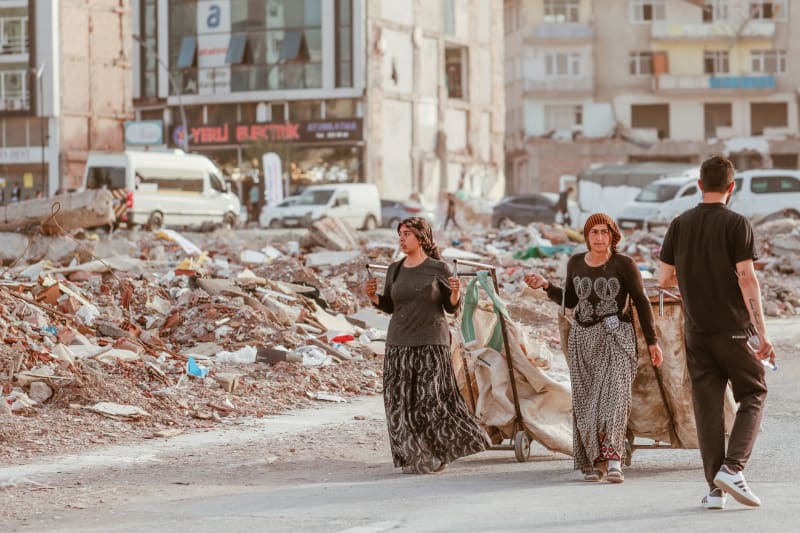
On the ground, the situation is rapidly deteriorating. Reports from affected areas paint a grim picture of widespread damage and a population struggling to cope without adequate support. Many communities, already facing intermittent electricity and water supplies, are now completely cut off, exacerbating their isolation. Essential services, such as public transportation and communication networks, have been severely disrupted, making it incredibly difficult for people to access help or for aid to reach them. The scarcity of construction materials and skilled labor, a direct consequence of the economic crisis, means that rebuilding efforts will be protracted and costly, leaving many displaced for the foreseeable future. Makeshift shelters are appearing, but they lack basic sanitation and are vulnerable to further environmental hazards, creating immediate health risks.
The human impact is profound and immediate. Families are reporting injuries, loss of homes, and the psychological trauma of experiencing a major earthquake in an already precarious existence. Access to clean water and food, already a daily struggle for many Venezuelans, has become even more critical in the affected zones. Hospitals, already operating with minimal staff and a severe lack of medicines and equipment, are overwhelmed by the influx of injured individuals. Medical professionals, many of whom have endured years of hardship, are now facing an even more impossible task, often working without essential supplies or reliable power. This dire situation is pushing the healthcare system past its breaking point, leaving countless individuals without the care they desperately need.
The government's response has been slow and largely insufficient, hampered by a lack of resources, logistical capabilities, and a history of downplaying the severity of crises. While official statements acknowledge the earthquake, the scale of the damage and the true extent of human suffering are likely being underestimated. International aid organizations face significant hurdles, including bureaucratic delays, security concerns, and the challenge of navigating a complex political environment where aid can be politicized. This creates a dangerous vacuum, leaving affected communities largely to their own devices in the immediate aftermath of the disaster, further eroding trust in institutions and deepening the sense of abandonment among the populace. The ground reality is one of profound need met with inadequate capacity and systemic barriers.
What Experts Are Saying
Seismologists are emphasizing that while earthquakes are a natural phenomenon in the region, the catastrophic impact in Venezuela is largely a result of human factors—specifically, years of underinvestment in infrastructure and a complete breakdown of building codes. Dr. Elena Ramirez, a structural engineer specializing in seismic resilience, noted, "Many buildings, particularly older ones and those constructed during periods of rapid, unregulated expansion, were already structurally compromised. The earthquake simply exposed and exacerbated these pre-existing vulnerabilities. This isn't just a natural disaster; it's a disaster amplified by systemic neglect and a failure to prioritize public safety and infrastructure maintenance over decades." Her analysis underscores that the physical damage is a symptom of deeper governance issues.
Humanitarian aid experts are unanimous in their assessment that the earthquake will significantly worsen the already dire humanitarian crisis. "This is a crisis layered upon a crisis," stated Mark Johnson, head of emergency operations for a major international NGO. "Venezuela's health system was already on life support, its food security precarious, and its social safety nets non-existent. This earthquake will push millions more into extreme poverty and displacement. We anticipate a surge in internal displacement and an acceleration of cross-border migration, further straining regional resources. The immediate need is for unfettered access for humanitarian organizations and a depoliticization of aid delivery to prevent a complete collapse of essential services." His comments highlight the compounding nature of the catastrophe.
Economists are projecting that the earthquake will deliver another severe blow to Venezuela's crippled economy, further hindering any prospects of recovery. Dr. Sofia Vargas, an economist specializing in Latin American markets, explained, "The destruction of infrastructure, even if localized, represents a significant economic cost in a nation that has virtually no fiscal capacity for reconstruction. Damage to roads, ports, and power grids will disrupt what little economic activity remains, further fueling inflation and exacerbating shortages. Foreign investment, already non-existent, will be further deterred. This event pushes Venezuela even deeper into a negative feedback loop, making any future economic stabilization efforts exponentially more challenging and prolonging the suffering of its citizens." Her analysis underscores the long-term economic ramifications.
Frequently Asked Questions
What Happens Next
In the immediate aftermath, the focus will remain on search and rescue operations and providing emergency relief to the most affected populations. However, the capacity for these efforts is severely limited by Venezuela's pre-existing conditions. We anticipate a slow and fragmented response from the government, likely supplemented by desperate, grassroots community efforts. International humanitarian organizations will continue to push for greater access and cooperation, but significant breakthroughs are unlikely without a fundamental shift in the government's stance towards external aid. The coming weeks will reveal the true scale of the human tragedy as communication is restored to more remote areas and the full extent of the damage becomes clear, undoubtedly revealing a far more dire situation than initially reported.
Looking further ahead, the earthquake's long-term repercussions will profoundly shape Venezuela's trajectory. The destruction of infrastructure will further cripple economic activity, deepen the humanitarian crisis, and likely accelerate the ongoing exodus of its citizens. The already strained social fabric will be tested to its limits, potentially leading to increased social unrest and a further breakdown of public order in some areas. The international community faces a critical dilemma: how to effectively deliver aid and support reconstruction in a politically charged environment without legitimizing a regime that has been widely criticized for human rights abuses and mismanagement. This event will force a re-evaluation of current strategies for engaging with Venezuela.
Ultimately, the earthquake serves as a stark and undeniable testament to the compounding vulnerabilities of a nation in crisis. Its impact will resonate for years, not only in terms of physical reconstruction but also in the psychological trauma inflicted upon a population already enduring immense suffering. The path to recovery, already arduous, has become significantly steeper. Without a concerted, depoliticized, and well-resourced international intervention, combined with a genuine commitment from within Venezuela to address its systemic failures, the earthquake's legacy will be one of deepened despair and a further slide into an even more profound humanitarian catastrophe. The world must not look away; the stakes are too high for the Venezuelan people and the stability of the entire region.













Comments
No comments yet. Be the first to comment!