

The Numbers
- The Conference Board's Consumer Confidence Index surged to 117.0 in July, a significant jump from June's revised 110.1, marking the highest level since July 2021 and exceeding all economist expectations.
- The Present Situation Index, reflecting consumers' assessment of current business and labor market conditions, rose sharply to 160.0, up from 155.3, indicating a more positive immediate outlook on the economy.
- The Expectations Index, which gauges consumers' short-term outlook for income, business, and labor market conditions, improved to 88.3 from 80.0, moving further above the critical 80-point recession threshold.
- Consumers' assessment of current business conditions became more optimistic, with 21.3% describing conditions as 'good,' an increase from 19.1%, while those calling them 'bad' decreased from 17.2% to 15.1%.
- Regarding the labor market, 47.1% of consumers reported 'jobs are plentiful,' up from 45.4%, and those anticipating fewer jobs in the months ahead decreased from 19.1% to 15.3%, signaling reduced anxiety.
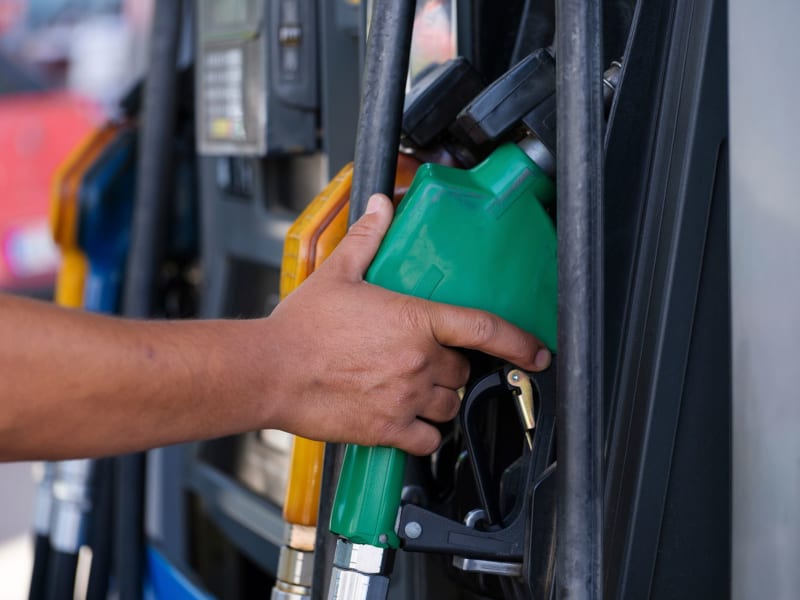
- The average price of regular gasoline in the US has fallen by approximately 15% since its peak in mid-June, providing tangible relief to household budgets and directly contributing to the boost in consumer sentiment.
- Despite the improved confidence, a substantial 69.9% of consumers still anticipate a recession within the next 12 months, a slight decrease from 70.4% in June, highlighting persistent underlying economic anxieties.
Context Check
The latest surge in consumer confidence presents a fascinating paradox within the current economic landscape. While headline inflation remains stubbornly high and the Federal Reserve continues its aggressive interest rate hikes, American consumers are feeling unexpectedly more optimistic. This divergence suggests that immediate, tangible improvements in personal finances, such as lower gas prices, can momentarily outweigh broader macroeconomic concerns like recession fears. The Conference Board's index, a closely watched barometer of economic health, provides crucial insights into household spending intentions, which are a primary driver of economic growth. Understanding this shift is vital for policymakers and businesses alike, as it can influence everything from retail sales to investment decisions.
This uptick in confidence is particularly noteworthy because it defies many prevailing pessimistic forecasts. Economists have largely been bracing for a slowdown, if not an outright recession, as the cumulative effects of monetary tightening begin to bite. Yet, consumers are reporting a better present situation and a more hopeful short-term outlook for their incomes and the job market. This doesn't necessarily mean the economy is out of the woods, but it does indicate a resilience in the face of headwinds that was perhaps underestimated. The immediate relief from lower energy costs appears to be a powerful psychological boost, demonstrating how directly commodity prices impact everyday household sentiment and spending capacity.
However, it is imperative to contextualize this optimism against the backdrop of ongoing inflationary pressures and global economic instability. While gas prices have fallen, food prices and housing costs remain elevated, continuing to strain household budgets. The labor market, while strong, shows some signs of cooling, and the impact of future interest rate hikes is yet to be fully realized. Therefore, this rise in confidence could be a temporary reprieve, a 'dead cat bounce' before more significant economic challenges emerge. The underlying anxieties about a potential recession, still held by a majority of consumers, underscore the fragility of this newfound optimism and the need for continued vigilance.
Background
Consumer confidence has been on a rollercoaster ride since the onset of the pandemic, experiencing dramatic swings influenced by lockdowns, stimulus checks, inflation, and geopolitical events. Following an initial plunge in early 2020, confidence rebounded as the economy reopened and unprecedented fiscal and monetary support flowed through the system. However, this recovery was quickly challenged by soaring inflation, particularly in energy and food prices, which began to erode purchasing power and dampen spirits throughout late 2021 and much of 2022. The Federal Reserve's aggressive stance on interest rates, aimed at taming inflation, further introduced uncertainty, as higher borrowing costs threatened to slow economic activity and potentially trigger a recession. This volatile environment has made it incredibly difficult to predict consumer behavior, making each new data point critically important for understanding the economy's trajectory.
The recent decline in gasoline prices serves as a crucial turning point, offering a tangible and immediate financial relief to millions of American households. For months, record-high fuel costs had been a significant drain on disposable income, forcing consumers to cut back on other expenditures and contributing to a pervasive sense of economic pessimism. The psychological impact of seeing lower prices at the pump cannot be overstated; it often translates directly into a feeling of having more money in one's pocket, even if other costs remain high. This direct correlation between energy prices and consumer sentiment highlights the vulnerability of the economy to global commodity markets and geopolitical stability, factors often beyond domestic policy control.
Historically, consumer confidence indices like those from The Conference Board and the University of Michigan have proven to be reliable leading indicators of economic activity. When confidence is high, consumers are more likely to spend on discretionary items, make large purchases like homes and cars, and feel secure in their employment. Conversely, low confidence often precedes periods of reduced spending, increased saving, and economic contraction. The current rebound, therefore, offers a glimmer of hope that the economy might avoid a severe downturn, or at least that consumers are adapting to the 'new normal' of higher prices and interest rates. However, the lingering fear of a recession, as indicated by the Expectations Index, suggests that this optimism is fragile and could quickly dissipate if economic conditions deteriorate or if gas prices begin to climb again.
Winners and Losers
The primary winners in this scenario are undoubtedly American consumers, particularly those with lower incomes who are disproportionately affected by fluctuating energy costs. The immediate relief from falling gas prices translates directly into more disposable income, allowing families to allocate funds to other essential goods and services, or even discretionary spending. This financial breathing room can alleviate stress and improve overall household budgets, providing a much-needed boost after months of inflationary pressures. Additionally, sectors heavily reliant on consumer spending, such as retail, hospitality, and travel, stand to benefit from this renewed confidence, potentially seeing an uptick in sales and activity as consumers feel more secure about their financial future and are more willing to spend.
Another significant winner is the Biden administration, which has been grappling with persistently low approval ratings tied to economic concerns, particularly inflation. The narrative of falling gas prices and rising consumer confidence provides a welcome positive talking point, suggesting that some of their economic policies or external factors are beginning to yield beneficial results for everyday Americans. This can help to counter criticisms regarding the overall economic outlook and provide a more optimistic perspective ahead of upcoming political cycles. The administration can leverage this data to demonstrate progress in managing economic challenges, even if broader inflation remains a concern.
Conversely, the 'losers' in this equation are less clear-cut but certainly include energy producers and refiners who thrive on higher oil and gas prices. While still profitable, the recent decline in crude oil prices and subsequent drop at the pump means reduced revenue and potentially narrower profit margins compared to the peak levels seen earlier in the year. Furthermore, businesses that have been banking on a more severe economic downturn and preparing for significant cost-cutting or reduced demand might find themselves needing to adjust strategies if consumer resilience proves stronger than anticipated. The Federal Reserve also faces a nuanced challenge; while improved confidence is generally good, it could complicate their inflation-fighting efforts if it leads to increased demand that keeps prices elevated, potentially necessitating further aggressive rate hikes.
Analyst Perspectives
Economists are largely interpreting this surge in consumer confidence with a mix of cautious optimism and analytical scrutiny. Many analysts, like those at Oxford Economics, suggest that the drop in gas prices has provided a powerful, albeit potentially temporary, tailwind. "The immediate relief at the pump has a disproportionately positive psychological effect, making consumers feel wealthier and more secure in the short term," noted a senior economist. However, they also emphasize that this doesn't fundamentally alter the broader inflation picture or the Federal Reserve's trajectory. The consensus remains that while a recession might be less imminent than previously feared, the path to a soft landing is still fraught with challenges, and the underlying economic fundamentals have not drastically changed.
Several market strategists highlight the importance of the Expectations Index moving above the 80-point threshold, a level historically associated with impending recessions. "Crossing that 80-point mark is a significant psychological victory," stated a chief investment officer from a major financial institution. "It suggests that while consumers acknowledge economic headwinds, they are not yet capitulating to recessionary fears. This resilience could provide a crucial buffer for corporate earnings and equity markets in the near term." However, these experts also caution that sustained improvement depends heavily on continued moderation in inflation and a stable job market, without which this confidence could quickly erode.
Conversely, some more skeptical analysts warn against overinterpreting a single month's data point, especially one so heavily influenced by a volatile commodity like oil. "While the gas price effect is undeniable, we must remember that core inflation remains elevated, and the full impact of the Fed's rate hikes is still unfolding," argued a research director at a prominent economic think tank. "This could be a fleeting moment of relief rather than a sustained shift in economic sentiment. Businesses and policymakers should remain prepared for potential volatility and not assume this marks a definitive turn in the economic cycle." This perspective underscores the fragility of the current optimism and the numerous factors that could still derail a stable economic outlook.

Key Questions Explained
The Outlook
The immediate outlook for consumer confidence appears cautiously optimistic, at least in the short term, largely buoyed by the continued moderation in energy prices. If gas prices remain stable or continue their downward trend, this could sustain the current level of consumer optimism, potentially translating into stronger retail sales and a more resilient economy through the latter half of the year. Businesses might see this as an opportunity to invest and expand, anticipating continued consumer demand. However, this positive trajectory is highly dependent on external factors and the broader economic environment, which remains volatile and unpredictable, suggesting that any sustained optimism needs to be carefully managed and not taken for granted.
Looking further ahead, the picture becomes more complex. The Federal Reserve's ongoing battle against inflation, which likely involves further interest rate hikes, poses a significant risk to this newfound confidence. Higher borrowing costs could eventually cool the labor market, dampen investment, and increase the likelihood of an economic slowdown, which would inevitably erode consumer sentiment. The persistent concern about a looming recession, even if slightly diminished, indicates that consumers are still keenly aware of the economic headwinds. Therefore, while the current moment offers a reprieve, the medium-term outlook remains clouded by the potential for policy-induced slowdowns and lingering inflationary pressures.
Ultimately, the trajectory of consumer confidence will serve as a crucial barometer for the U.S. economy's ability to navigate the current period of high inflation and aggressive monetary tightening. A sustained period of elevated confidence, driven by real improvements in household finances and a stable job market, could pave the way for a softer landing than many economists currently predict. Conversely, if this optimism proves fleeting, quickly succumbing to renewed inflationary pressures or a weakening labor market, the risk of a more severe economic downturn will undoubtedly increase. Policymakers and businesses must monitor these trends closely, as consumer sentiment will dictate much of the economic activity in the coming months.












Comments
No comments yet. Be the first to comment!