
Key Takeaways
- A potential Trump administration is reportedly considering lifting sanctions imposed on Turkey under the Countering America's Adversaries Through Sanctions Act (CAATSA), a move that would represent a significant policy reversal.
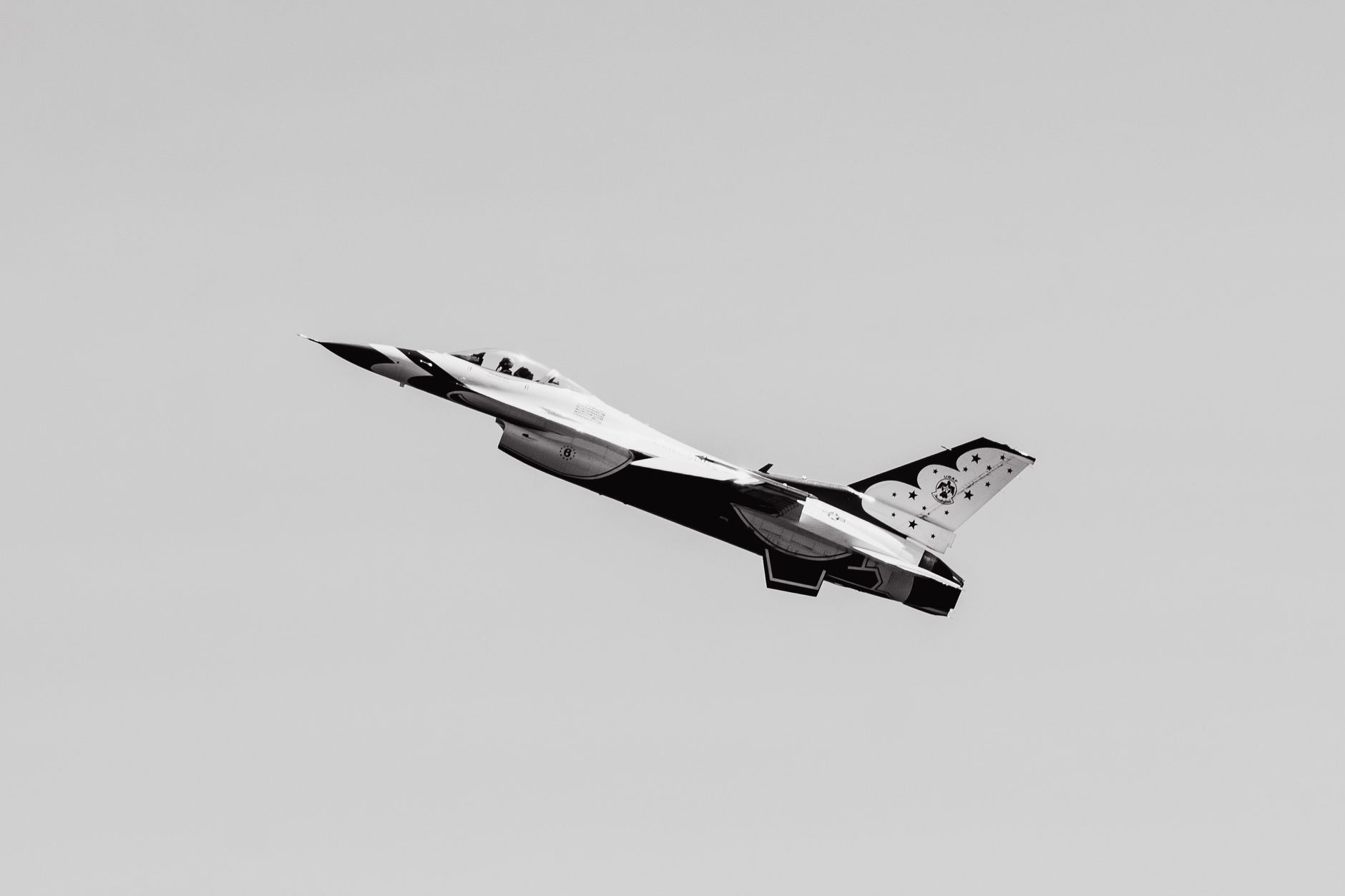
- The proposed policy shift includes the possibility of resuming the sale of advanced F-35 fighter jets to Turkey, which were halted after Ankara acquired Russian S-400 missile defense systems, creating a major point of contention.
- This strategic realignment aims to improve bilateral relations between the U.S. and Turkey, which have been strained by numerous disagreements, including human rights concerns, differing regional interests, and the S-400 acquisition.
- Such a decision could have profound implications for NATO unity, potentially signaling a more transactional approach to alliances and raising questions about the alliance's collective defense posture and technological interoperability.
- The move is likely to face considerable opposition within the U.S. Congress, where concerns about Turkey's democratic backsliding and its relationship with Russia remain strong, potentially leading to legislative challenges.
- Resuming F-35 sales could be perceived by some as a reward for Turkey's defiance of U.S. policy, potentially encouraging other allies to pursue independent defense acquisitions that conflict with NATO's strategic objectives.
Background
The relationship between the United States and Turkey, two long-standing NATO allies, has been fraught with tension for several years, reaching a critical juncture following Turkey's decision to acquire the Russian S-400 air defense system. This acquisition, finalized in 2019, was viewed by the U.S. as a direct threat to the security of NATO's advanced military technology, specifically the F-35 Joint Strike Fighter program. The U.S. argued that integrating the S-400 system into Turkish air defenses would allow Russia to gather intelligence on the F-35's capabilities, compromising its stealth technology and overall operational effectiveness. This concern led to Turkey's expulsion from the F-35 program, a significant blow to its military modernization efforts and a clear signal of U.S. disapproval.
In response to Turkey's continued deployment of the S-400s, the U.S. imposed sanctions on Turkey's Presidency of Defense Industries (SSB) in December 2020 under the Countering America's Adversaries Through Sanctions Act (CAATSA). These sanctions targeted specific individuals and entities involved in the S-400 acquisition, prohibiting U.S. export licenses and authorizations for any goods or technology transferred to the SSB and imposing asset freezes and visa restrictions. The CAATSA sanctions were intended to deter further military cooperation with Russia and underscore the seriousness of the U.S. position, emphasizing that such actions by an ally would not be tolerated without consequences.
Beyond the S-400 controversy, the U.S.-Turkey relationship has been complicated by a myriad of other issues. These include disagreements over U.S. support for Kurdish groups in Syria, which Turkey views as terrorists; human rights concerns and democratic backsliding within Turkey; and Ankara's increasingly independent foreign policy, which has sometimes diverged from NATO's collective stance. A potential Trump administration's consideration of lifting these sanctions and resuming F-35 sales signals a willingness to fundamentally re-evaluate this complex relationship, potentially prioritizing geopolitical alignment and transactional diplomacy over previous punitive measures and long-standing strategic concerns.
Why It Matters
This potential policy shift carries immense geopolitical weight, fundamentally altering the dynamics within NATO and reshaping the U.S.'s strategic posture in a volatile region. Lifting CAATSA sanctions and reintroducing Turkey into the F-35 program would not merely be a bilateral adjustment; it would send a powerful message to other allies and adversaries alike. For NATO, it could signal a more flexible, perhaps even transactional, approach to alliance obligations, potentially undermining the collective security framework that has defined the alliance for decades. The implications for interoperability, trust, and the alliance's unified front against external threats are profound and warrant serious scrutiny.
The decision to potentially reverse previous sanctions and resume F-35 sales also directly impacts the balance of power in the Eastern Mediterranean and the Black Sea. Turkey, with its strategic geographic location, plays a pivotal role in regional security. Granting it access to advanced F-35 technology could significantly enhance its military capabilities, influencing its actions in ongoing disputes with Greece, its involvement in Libya, and its posture towards Russia. This could either stabilize or further destabilize regional conflicts, depending on how Turkey chooses to leverage its enhanced military might and its evolving foreign policy objectives. The ripple effects across regional alliances and rivalries are undeniable.
Furthermore, this policy re-evaluation by a potential Trump administration raises critical questions about the future of U.S. foreign policy and its commitment to democratic values and human rights. The original sanctions were not solely about the S-400s but also reflected broader concerns about Turkey's trajectory. A reversal could be interpreted as a de-prioritization of these concerns in favor of perceived strategic gains or a desire to mend fences with a key, albeit challenging, ally. Such a move would undoubtedly face fierce scrutiny from Congress and human rights organizations, potentially creating domestic political friction and impacting the U.S.'s global standing as a champion of democratic principles.
Ground Reality
On the ground, Turkey's strategic calculus remains complex and multi-faceted. Despite its NATO membership, Ankara has increasingly pursued an independent foreign policy, often balancing its relationships with Western allies against its engagement with Russia and other regional powers. The acquisition of the S-400 system was a clear manifestation of this independence, driven by a perceived need for robust air defense capabilities that the U.S. was unwilling to provide without conditions. While the CAATSA sanctions have undoubtedly impacted Turkey's defense industry and its access to certain U.S. technologies, they have not fundamentally altered Turkey's strategic partnerships or its determination to assert its interests in areas like Syria, Libya, and the Eastern Mediterranean. The economic pressures on Turkey, while significant, have not led to a complete capitulation on the S-400 issue.
The domestic political landscape in Turkey also plays a crucial role. President Erdoğan's government often leverages nationalistic sentiment and a desire for greater strategic autonomy to consolidate power. A potential lifting of sanctions and the resumption of F-35 sales could be framed domestically as a diplomatic victory, validating Turkey's assertive foreign policy and strengthening Erdoğan's position. This could empower Ankara to continue its independent course, potentially making it a more challenging partner for the U.S. and NATO in the long run. The internal dynamics within Turkey, including its economic challenges and upcoming elections, will heavily influence how any U.S. policy shift is perceived and utilized by the ruling party.
Furthermore, the current geopolitical environment is highly fluid. The ongoing conflict in Ukraine has underscored the importance of NATO unity and the need for a strong, cohesive Western alliance. However, it has also highlighted the complex energy and economic ties many European nations, including Turkey, maintain with Russia. A U.S. policy reversal on Turkey could be seen as an attempt to pull Ankara more firmly back into the Western orbit, or it could be interpreted as a concession that emboldens other allies to pursue similar independent defense procurement decisions. The ground reality is that Turkey is navigating a multi-polar world, and any U.S. policy must contend with Ankara's existing relationships and strategic imperatives, which extend far beyond its alliance with Washington.
What Experts Are Saying
Security analysts are largely divided on the wisdom of such a policy reversal. Many argue that lifting CAATSA sanctions and resuming F-35 sales without Turkey fully divesting from the S-400 system would set a dangerous precedent. "It would effectively reward a NATO ally for undermining alliance security and acquiring adversarial military technology," warns Dr. Evelyn Farkas, a former Deputy Assistant Secretary of Defense for Russia, Ukraine, and Eurasia. "This sends a message that defiance can be tolerated, potentially encouraging other allies to make similar problematic choices and eroding the very foundations of collective defense and technological integrity within NATO." Such a move, they contend, would weaken the U.S.'s credibility and its ability to enforce red lines with allies.
Conversely, some experts suggest that a more conciliatory approach might be necessary to prevent Turkey from drifting further into the Russian or Chinese spheres of influence. "The current punitive measures have not achieved their desired effect of compelling Turkey to abandon the S-400s," states Dr. Steven Cook, a senior fellow for Middle East and Africa Studies at the Council on Foreign Relations. "Instead, they've pushed Ankara to seek alternatives and deepen ties with non-Western partners. Re-engaging Turkey through incentives, like the F-35s, could be a pragmatic way to pull it back into closer alignment with NATO's strategic objectives, even if it means accepting a less-than-ideal compromise on the S-400s." This perspective emphasizes the long-term strategic imperative of keeping Turkey anchored to the West.
Furthermore, there are concerns about the potential impact on regional stability. "Any significant shift in U.S.-Turkey relations, particularly concerning military capabilities, will reverberate across the Eastern Mediterranean," notes Dr. Elizabeth Ziemba, a geopolitical risk consultant. "Greece and Cyprus, already wary of Turkish assertiveness, would view F-35 sales with alarm, potentially escalating regional tensions and an arms race. The U.S. would need to carefully manage these relationships to avoid inadvertently destabilizing an already fragile region." Experts also highlight the domestic political challenges within the U.S., anticipating strong bipartisan opposition in Congress to any move that appears to reward Turkey's past actions without clear concessions on the S-400s or human rights.

Frequently Asked Questions
What Happens Next
Should Donald Trump win the upcoming presidential election, the reported considerations regarding Turkey's sanctions and F-35 sales will likely move from internal discussions to concrete policy proposals. The initial steps would involve a comprehensive review by the incoming administration, potentially led by the National Security Council and the State Department, to assess the geopolitical implications, congressional appetite, and potential diplomatic fallout of such a dramatic shift. This review would weigh the perceived benefits of improving ties with Turkey against the significant security concerns and the potential damage to U.S. credibility within NATO. The process would be intricate, requiring careful navigation of entrenched bureaucratic positions and external pressures.
A key hurdle will be navigating the U.S. Congress, where bipartisan opposition to Turkey's S-400 acquisition and its human rights record remains strong. Any attempt to lift CAATSA sanctions or approve F-35 sales would almost certainly face intense scrutiny, potential legislative challenges, and even attempts to block such moves through congressional action. The administration would need to engage in extensive lobbying and potentially offer significant concessions or assurances to overcome this resistance. The debate would likely center on whether Turkey has taken sufficient steps to address the original concerns that led to its expulsion from the F-35 program and the imposition of sanctions, particularly regarding the S-400s.
Beyond Washington, the international community, particularly NATO allies and regional partners, will be closely watching these developments. Greece, Cyprus, and other nations in the Eastern Mediterranean would likely express strong concerns, potentially seeking assurances from the U.S. or adjusting their own defense postures. Russia, on the other hand, would observe whether its strategic partnership with Turkey is being undermined or whether the U.S. is simply accepting a new reality. The coming months will be critical in determining whether a new U.S. administration prioritizes transactional diplomacy over established alliance norms, potentially setting a new course for U.S. foreign policy and reshaping the geopolitical landscape.














Comments
No comments yet. Be the first to comment!