


Policy Snapshot
- The UK has imposed a fresh wave of sanctions targeting key Russian individuals and entities directly involved in the development and deployment of chemical weapons, signaling a robust stance against such illicit activities.
- These new sanctions specifically target those identified as instrumental in the production and storage of Novichok, the deadly nerve agent used in the attempted assassination of Alexei Navalny and the tragic death of Dawn Sturgess.
- The measures include asset freezes and travel bans, designed to severely restrict the financial and operational capabilities of those implicated, preventing them from accessing international financial systems and travel.
- This policy move is a direct response to Russia's flagrant disregard for international norms and treaties governing chemical weapons, particularly the Chemical Weapons Convention, which prohibits their development, production, and use.
- The UK government emphasizes that these sanctions are part of a broader, coordinated international effort to hold Russia accountable for its destabilizing and dangerous actions on the global stage, reinforcing collective security.
- By targeting specific individuals and organizations, the UK aims to disrupt the infrastructure supporting Russia's chemical weapons program, sending a clear message that such egregious violations will not be tolerated by the international community.
The Policy History
The UK's current policy on sanctions against Russia is deeply rooted in a series of escalating incidents involving chemical weapons, starting prominently with the 2018 Novichok attack in Salisbury. This heinous act, which targeted former Russian double agent Sergei Skripal and his daughter Yulia, tragically resulted in the death of British citizen Dawn Sturgess and left several others critically ill. The use of a military-grade nerve agent on British soil represented an unprecedented violation of international law and a direct assault on national security, prompting an immediate and forceful diplomatic response from the UK and its allies.
Following the Salisbury attack, the UK spearheaded a global effort to condemn Russia's actions, leading to the expulsion of over 150 Russian diplomats from various countries. This collective diplomatic pressure was a precursor to the targeted sanctions regime that has steadily evolved. The international community, including the Organisation for the Prohibition of Chemical Weapons (OPCW), confirmed the use of Novichok, solidifying the evidence against Russia. This established a critical precedent for future responses to similar chemical weapons incidents, laying the groundwork for the more recent sanctions.
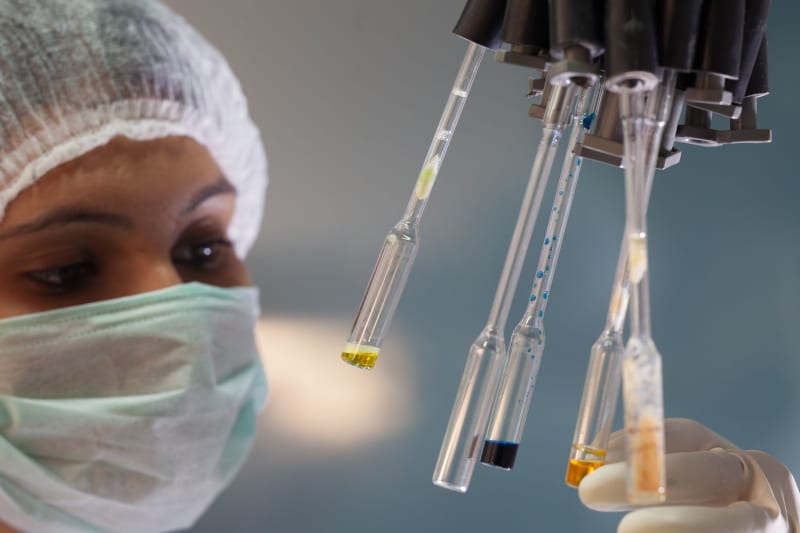
The attempted poisoning of Russian opposition leader Alexei Navalny in August 2020 with the same Novichok nerve agent further solidified the international consensus regarding Russia's ongoing chemical weapons program. Navalny's near-fatal poisoning, confirmed by multiple international laboratories, demonstrated a disturbing pattern of behavior and a continued willingness by the Russian state to deploy prohibited chemical agents. These repeated violations have compelled the UK to continually review and strengthen its sanctions framework, ensuring that the measures remain robust and proportionate to the gravity of the offenses, aiming to deter future chemical weapon use and hold perpetrators accountable.
Who Is Affected
The immediate and most direct impact of these sanctions falls upon the specific Russian individuals and entities explicitly named in the UK's latest designations. These include high-ranking officials within Russia's security apparatus, scientists and researchers believed to be directly involved in the development and production of chemical weapons, and organizations that provide material or financial support to these illicit programs. For these individuals, the consequences are severe: asset freezes mean their financial holdings in the UK and potentially in allied jurisdictions are inaccessible, while travel bans prevent them from entering the UK or transiting through its territories. This effectively isolates them from significant portions of the international financial and travel systems.
Beyond the directly sanctioned, the broader Russian scientific and military-industrial complex engaged in sensitive research and development may also feel an indirect chill. The heightened scrutiny and the explicit targeting of chemical weapons programs could lead to increased caution and potentially disrupt international collaborations or procurement channels, even for ostensibly legitimate research. While the sanctions are precise, the pervasive atmosphere of international condemnation surrounding Russia's chemical weapons activities could make it more challenging for any Russian entity with ties to defense or security sectors to operate freely on the global stage, impacting their reputation and access to foreign markets and technologies.
Crucially, these sanctions also aim to affect the Russian state itself by signaling a clear and unwavering international resolve to counter chemical weapons proliferation. While not directly targeting the entire Russian economy, the measures contribute to the cumulative pressure exerted by the international community, aiming to compel a change in behavior regarding chemical weapons. For the victims of chemical attacks, such as the surviving family and associates of Alexei Navalny and Dawn Sturgess, these sanctions represent a tangible step towards justice and accountability, offering a measure of reassurance that their suffering is not being ignored and that perpetrators are being held responsible for their reprehensible actions.
The Case For
The primary argument in favor of these sanctions is the imperative to uphold international law and norms, particularly the Chemical Weapons Convention (CWC), which unequivocally prohibits the development, production, stockpiling, and use of chemical weapons. Russia's repeated use of Novichok, a banned nerve agent, constitutes a flagrant violation of this critical treaty and undermines the entire global disarmament architecture. Imposing sanctions sends a clear, unambiguous message that such egregious breaches will not be tolerated and that there will be severe consequences for states that resort to chemical warfare, even against their own citizens or on foreign soil.
Furthermore, these sanctions serve as a vital deterrent against future chemical weapons attacks and proliferation. By targeting the individuals and entities directly responsible for developing and deploying these deadly agents, the UK aims to disrupt the operational capabilities of Russia's chemical weapons program. The asset freezes and travel bans are designed to make it more difficult for these perpetrators to operate internationally, acquire necessary components, or finance their illicit activities. This proactive approach is essential to prevent further loss of life and to protect global security from the destabilizing threat posed by chemical weapons.
Finally, the sanctions demonstrate the UK's unwavering commitment to justice and accountability for victims. The poisonings of Alexei Navalny and Dawn Sturgess were not just attacks on individuals but assaults on the principles of human rights and international order. By holding those responsible to account, the UK reaffirms its dedication to seeking justice for those harmed by chemical weapons and reinforces the notion that perpetrators of such crimes will face international repercussions. This stance also strengthens the UK's position as a responsible global actor, willing to take decisive action in defense of international law and human dignity, encouraging other nations to follow suit in a coordinated effort against chemical weapons.
The Case Against
While the moral imperative to respond to chemical weapons use is strong, some critics argue that sanctions, particularly those targeting specific individuals, often prove ineffective in altering state behavior. Russia has a long history of enduring international pressure and has frequently demonstrated a willingness to absorb economic and diplomatic blows without fundamentally changing its strategic objectives or internal policies. There is a concern that these measures, while symbolically potent, may not genuinely disrupt Russia's chemical weapons program or deter future attacks, potentially leading to a cycle of escalating sanctions without achieving the desired behavioral shift from Moscow.
Another argument against such targeted sanctions is the potential for unintended consequences, including further deterioration of diplomatic relations and increased geopolitical instability. Russia often views sanctions as hostile acts, which can provoke retaliatory measures or lead to a hardening of its stance on international issues, making future cooperation on critical global challenges even more difficult. This could include areas like arms control, climate change, or regional conflicts where Russian engagement is necessary for effective solutions. The risk is that these sanctions, rather than isolating Russia, might push it further into alliances with other adversarial states, complicating global efforts to maintain peace and security.
Furthermore, there are concerns about the practical enforceability and long-term impact of asset freezes and travel bans. Wealthy and influential individuals often possess sophisticated means to circumvent sanctions, including transferring assets to proxies or utilizing complex financial networks in jurisdictions less aligned with Western enforcement efforts. This can dilute the effectiveness of the sanctions, making them more of a symbolic gesture than a truly incapacitating measure. Without a broader, more comprehensive strategy that includes sustained diplomatic engagement, robust intelligence sharing, and potentially even covert actions, targeted sanctions alone might not be sufficient to dismantle a state-sponsored chemical weapons program or prevent its future use.
Policy Questions Answered
Implementation Watch
The effective implementation of these new sanctions will hinge on robust enforcement mechanisms and sustained international cooperation. The UK's Office of Financial Sanctions Implementation (OFSI) will be tasked with ensuring that asset freezes are meticulously applied across financial institutions operating within the UK's jurisdiction. This requires diligent monitoring of financial transactions, identifying any attempts to circumvent the sanctions through complex ownership structures or third-party intermediaries. The challenge lies in the sophisticated methods often employed by sanctioned individuals to hide assets, necessitating continuous vigilance and intelligence sharing to prevent evasion and maintain the integrity of the sanctions regime.
Beyond financial enforcement, the travel bans imposed on sanctioned individuals demand close coordination with international border agencies and intelligence services. Preventing these individuals from entering or transiting through UK territory, and ideally through allied nations, requires real-time information sharing and a unified approach to immigration controls. Any lapse in this coordination could undermine the effectiveness of the travel restrictions, allowing perpetrators to maintain international mobility and potentially continue their illicit activities. The UK will need to actively engage with its partners, particularly within the G7 and NATO, to ensure a consistent and impenetrable barrier against those targeted.
Looking ahead, the success of these sanctions will also be measured by their ability to influence Russia's long-term behavior regarding chemical weapons. This requires not only diligent enforcement but also a clear communication strategy from the UK government, articulating the specific conditions under which sanctions might be reviewed or lifted. Without a defined pathway for de-escalation, sanctions can become entrenched, losing their coercive power over time. The UK will need to balance firm resolve with diplomatic flexibility, continuously assessing the impact of the measures and adapting its strategy to maximize pressure while leaving room for a potential shift in Russian policy, ultimately aiming for full adherence to international chemical weapons prohibitions.















Comments
No comments yet. Be the first to comment!