


The Numbers
- **$15 Billion:** The estimated value of the credit line proposed by France to Iran, contingent on Tehran's full compliance with the nuclear deal, a crucial step to de-escalate tensions and stabilize the region.
- **2015:** The year the Joint Comprehensive Plan of Action (JCPOA) was signed, a landmark agreement designed to prevent Iran from developing nuclear weapons in exchange for sanctions relief, which the U.S. later withdrew from.
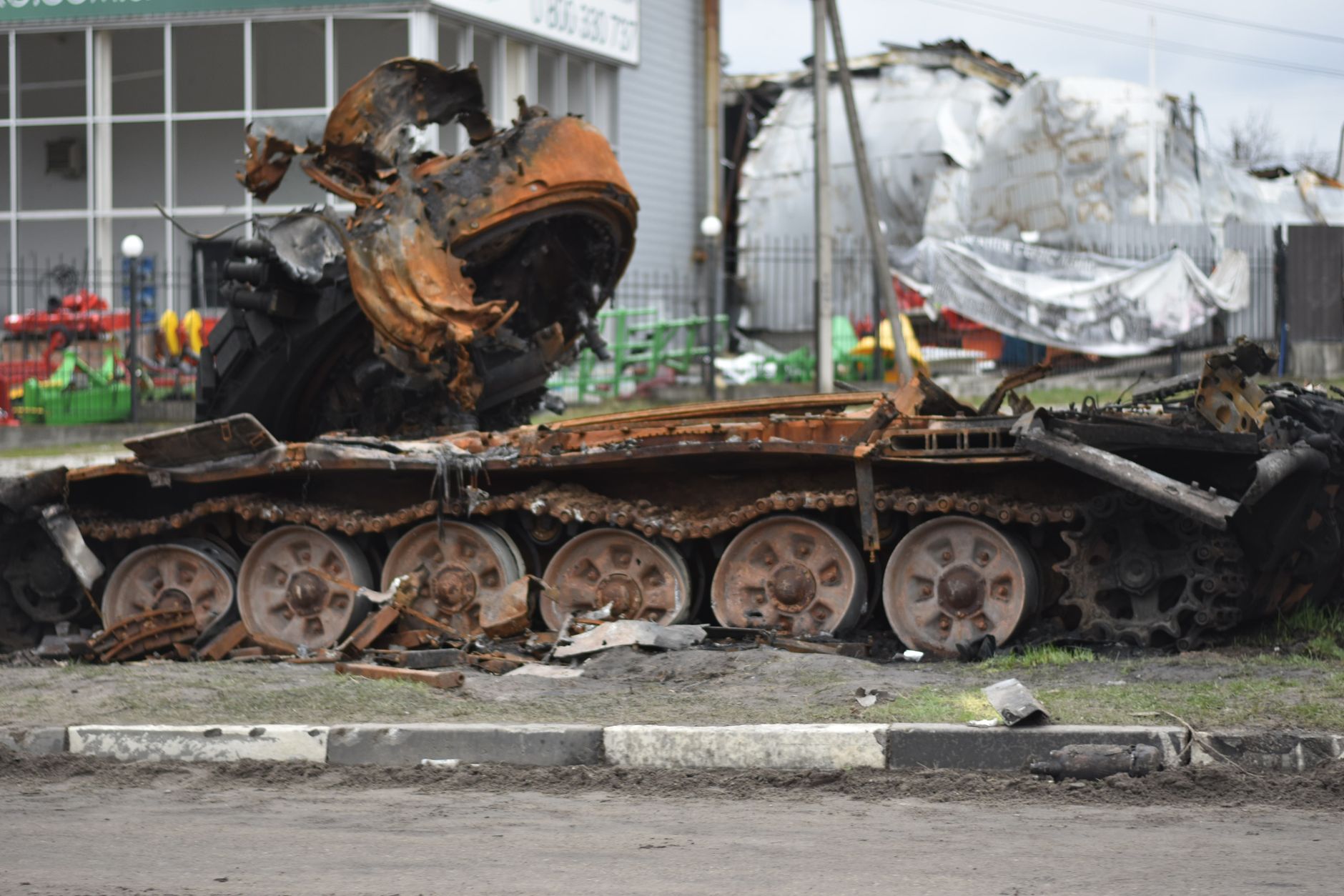
- **Over 13,000:** The tragic number of lives lost in the conflict in eastern Ukraine since 2014, highlighting the devastating human cost and persistent instability in the region, demanding urgent diplomatic solutions.
- **7:** The number of leading industrial nations comprising the G7 — Canada, France, Germany, Italy, Japan, the United Kingdom, and the United States — whose collective decisions profoundly influence global policy and economic stability.
- **30%:** The approximate percentage of global GDP represented by G7 nations, underscoring their immense economic leverage and responsibility in addressing international crises and fostering economic growth.
- **180 Days:** The duration of the waiver period for certain Iranian oil sanctions that the U.S. previously granted to several countries, a policy that has since been revoked, intensifying economic pressure on Tehran.
Context Check
The G7 summit serves as a critical forum for the world's most influential democracies to address pressing global challenges. This year, the agenda is dominated by two highly volatile situations: the escalating tensions with Iran and the protracted conflict in Ukraine. These issues are not isolated; they are deeply intertwined with global energy markets, international security, and the delicate balance of power. The leaders gathering here face the immense pressure of finding common ground on complex geopolitical matters, often complicated by differing national interests and domestic political considerations. The stakes are extraordinarily high, as missteps could lead to wider regional instability or even direct confrontation.
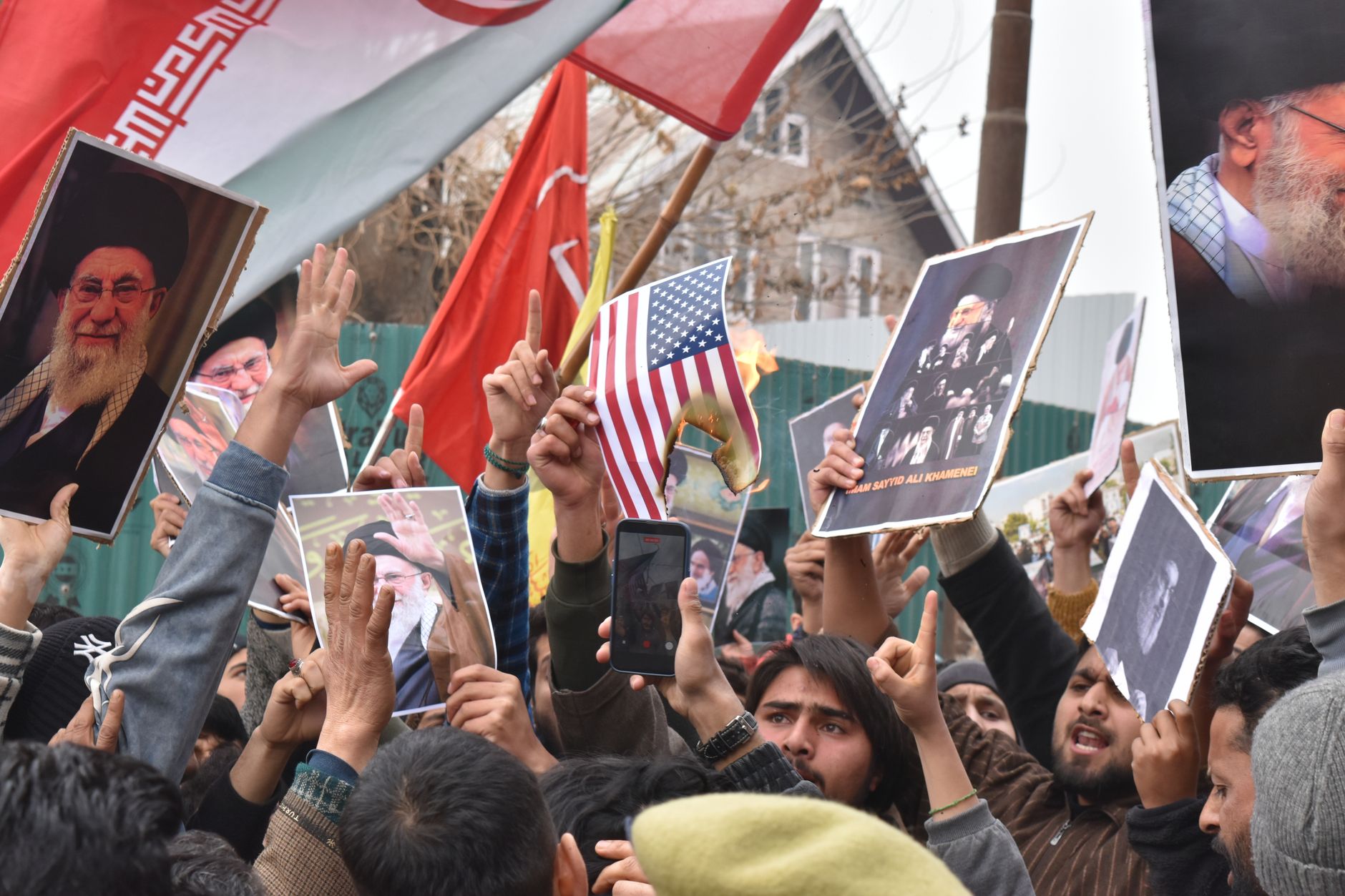
Regarding Iran, the situation has become increasingly perilous since the U.S. withdrew from the Joint Comprehensive Plan of Action (JCPOA) in 2018 and reimposed stringent sanctions. This move has severely crippled Iran's economy and led Tehran to progressively scale back its commitments under the nuclear deal, raising international alarm about its nuclear ambitions. European nations, particularly France, have been actively seeking a diplomatic off-ramp, proposing initiatives like a credit line to entice Iran back into full compliance. However, the path to de-escalation is fraught with challenges, as trust between Washington and Tehran has eroded significantly, and hardliners on both sides remain entrenched in their positions.
The conflict in Ukraine, now in its fifth year, continues to destabilize Eastern Europe and strain relations between Russia and the West. Despite numerous ceasefire agreements and diplomatic efforts, a lasting peace remains elusive. The ongoing skirmishes in the Donbas region, coupled with Russia's annexation of Crimea, have fundamentally altered the European security landscape. G7 leaders are grappling with how to maintain pressure on Russia while simultaneously supporting Ukraine's sovereignty and territorial integrity. The discussion at the summit will likely focus on reinforcing sanctions, providing further assistance to Kyiv, and exploring avenues for renewed diplomatic engagement, though progress has historically been slow and difficult to achieve.
Background
The G7, or Group of Seven, is an intergovernmental political forum consisting of Canada, France, Germany, Italy, Japan, the United Kingdom, and the United States. These nations represent some of the world's largest advanced economies, collectively holding significant influence over global trade, finance, and diplomatic policy. Formed in 1975 as the G6, with Canada joining in 1976, the group was initially conceived as an informal gathering for leaders to discuss pressing economic issues following the 1973 oil crisis. Over the decades, its mandate has expanded to encompass a broad range of global challenges, including climate change, security, and development, making its annual summit a focal point for international decision-making.
The current tensions with Iran trace their roots back decades, but significantly escalated after the U.S. withdrawal from the JCPOA in May 2018. This multilateral agreement, reached after years of painstaking negotiations, aimed to prevent Iran from developing nuclear weapons in exchange for relief from international sanctions. The Trump administration argued the deal was flawed and did not adequately address Iran's ballistic missile program or its regional malign activities. Since the U.S. exit, Iran has progressively reduced its compliance, enriching uranium beyond agreed limits and threatening further steps, creating a dangerous trajectory that risks regional conflict. European powers have consistently sought to preserve the deal, viewing it as the best mechanism to constrain Iran's nuclear program.
The conflict in Ukraine began in early 2014 following the Maidan Revolution, which saw the ousting of pro-Russian President Viktor Yanukovych. Russia responded by annexing Crimea and supporting separatists in the eastern Donbas region, leading to a full-blown armed conflict. Despite the Minsk agreements, signed in 2014 and 2015, which outlined a roadmap for peace, fighting has continued intermittently, claiming thousands of lives and displacing millions. Western nations, including G7 members, have imposed extensive sanctions on Russia for its actions, but these have not yet led to a resolution. The G7's ongoing commitment to Ukraine's sovereignty and territorial integrity remains a cornerstone of its foreign policy, yet the path to peace remains elusive and fraught with geopolitical complexities.
Winners and Losers
In the immediate term, the proposed French credit line for Iran could be seen as a win for European diplomacy and a potential lifeline for Iran's struggling economy. If successful, it could de-escalate the immediate threat of military confrontation and provide a much-needed breathing room for further negotiations. However, the U.S. administration, which has maintained a 'maximum pressure' campaign, might view any significant economic relief for Iran as undermining its strategy, potentially creating friction within the G7. The Iranian populace, bearing the brunt of sanctions, stands to gain immensely from any economic opening, while hardliners in Tehran might find their anti-Western rhetoric challenged by pragmatic economic relief.
For Ukraine, sustained G7 support, both financial and political, is crucial for its continued resilience against Russian aggression. Any reaffirmation of sanctions against Russia or increased aid to Kyiv would be a clear win, bolstering its position in ongoing peace talks. Conversely, any perceived wavering in G7 unity or a softening of the stance on Russia could be a significant loss, emboldening Moscow and undermining Ukraine's territorial integrity. The people of eastern Ukraine, who have endured years of conflict, desperately need a diplomatic breakthrough, and the G7's collective voice carries substantial weight in pushing for a lasting peace.
Globally, the biggest winner from successful G7 diplomacy on both Iran and Ukraine would be international stability and the principle of multilateralism. A de-escalation with Iran would alleviate fears of a major Middle East conflict and stabilize global oil markets. A renewed push for peace in Ukraine would restore confidence in international law and regional security. The losers, however, would be those who benefit from instability: extremist groups in the Middle East who thrive on chaos, and any actors seeking to undermine the rules-based international order. The G7's ability to project a united front against these challenges is paramount for global peace and prosperity.
Analyst Perspectives
Analysts are largely divided on the efficacy of the G7's approach to Iran. Many European experts argue that a diplomatic solution, involving economic incentives, is the only viable path to de-escalation. "The maximum pressure campaign has clearly failed to achieve its stated objectives and has only pushed Iran closer to the brink," states Dr. Clara Hartmann, a Middle East policy expert at the German Institute for International and Security Affairs. "A credit line, while controversial, offers a pragmatic way to restart dialogue and prevent a catastrophic regional war. The alternative is simply too dangerous to contemplate, risking an uncontrolled escalation that no one truly desires." This perspective emphasizes the need for a nuanced strategy that balances pressure with incentives.
Conversely, some U.S. foreign policy hawks express deep skepticism about any concessions to Iran. "Offering a credit line to a regime that continues to fund terrorism and develop ballistic missiles sends the wrong message," argues Michael Rubin, a resident scholar at the American Enterprise Institute. "It undermines the very sanctions designed to curb their dangerous behavior and could be perceived as weakness, encouraging further defiance rather than compliance." These analysts advocate for maintaining robust sanctions until Iran fundamentally alters its regional conduct and fully commits to verifiable nuclear disarmament, viewing any economic relief as a premature reward for bad behavior. The ideological chasm between these viewpoints makes a unified G7 strategy incredibly challenging.
On Ukraine, there is a broader consensus among experts that sustained international pressure on Russia is essential, but the path to peace remains murky. Dr. Olga Litvinenko, a security analyst specializing in Eastern Europe, notes, "The G7's role in maintaining sanctions and providing support to Ukraine is indispensable. However, the lack of significant progress on the ground suggests that current strategies may need re-evaluation. A more robust diplomatic offensive, perhaps involving new mediators or a revised framework for the Minsk agreements, might be necessary to break the current stalemate." She emphasizes that while unity is important, innovation in diplomatic approaches is equally critical to moving beyond the current impasse and achieving a lasting resolution to the conflict.

Key Questions Explained
The Outlook
The immediate outlook for both the Iran nuclear crisis and the Ukraine conflict remains precariously balanced. While the G7 summit offers a vital platform for dialogue and potential breakthroughs, the deep-seated disagreements and complex geopolitical realities mean that quick, definitive resolutions are unlikely. For Iran, the success of any European-led diplomatic initiative, such as the proposed credit line, hinges heavily on the willingness of both Washington and Tehran to compromise, a willingness that has been conspicuously absent in recent months. The path forward will likely involve continued, painstaking negotiations, punctuated by periods of heightened tension, as each side tests the other's resolve.
Regarding Ukraine, the G7's continued commitment to sanctions against Russia and support for Kyiv is expected to remain firm. However, the fundamental dynamics of the conflict, including Russia's entrenched position and the internal political challenges within Ukraine, suggest that a rapid resolution is improbable. The upcoming Normandy Format talks, if they materialize, could offer a glimmer of hope for renewed diplomatic engagement, but past experience indicates that progress will be incremental and hard-won. The international community will need to maintain sustained pressure and offer robust support to Ukraine to prevent the conflict from fading from global attention, which would only embolden aggressive actions.
Ultimately, the G7 summit's true measure of success will not be in immediate, dramatic breakthroughs, but in its ability to forge a unified strategy and maintain a consistent, principled approach to these critical global challenges. The leaders must demonstrate a collective resolve to de-escalate tensions with Iran through diplomatic means while simultaneously holding firm on nuclear non-proliferation. Similarly, on Ukraine, they must reaffirm their unwavering support for sovereignty and territorial integrity while actively seeking viable pathways to peace. The world watches, hoping that these powerful nations can navigate the treacherous currents of international politics and steer towards a more stable future.








Comments
No comments yet. Be the first to comment!