

At a Glance
- The European Stability Mechanism (ESM) has issued a stark warning regarding the Eurozone's economic future, highlighting two critical external shocks that could trigger a recession.
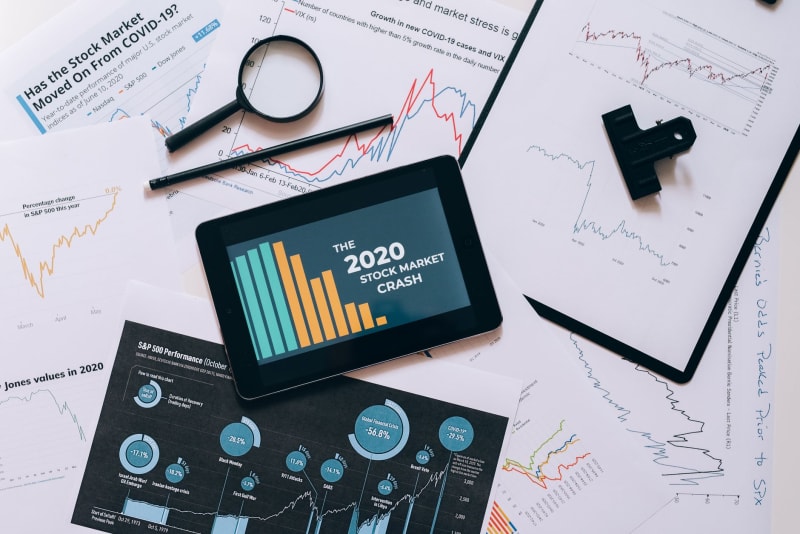
- A significant sell-off in the U.S. stock market, potentially driven by persistent inflation and aggressive Federal Reserve rate hikes, poses a direct threat to global financial stability and, by extension, the Eurozone.
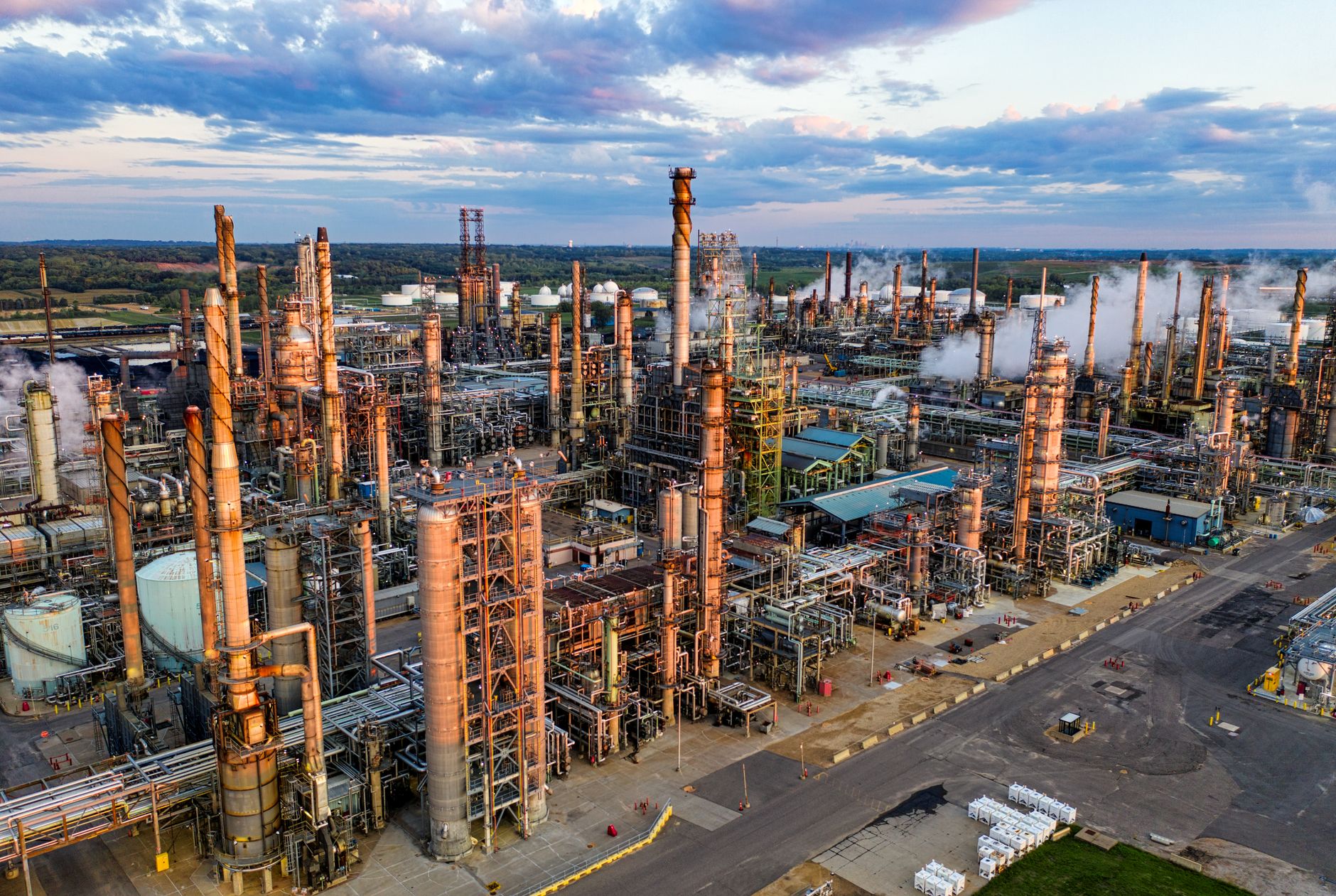
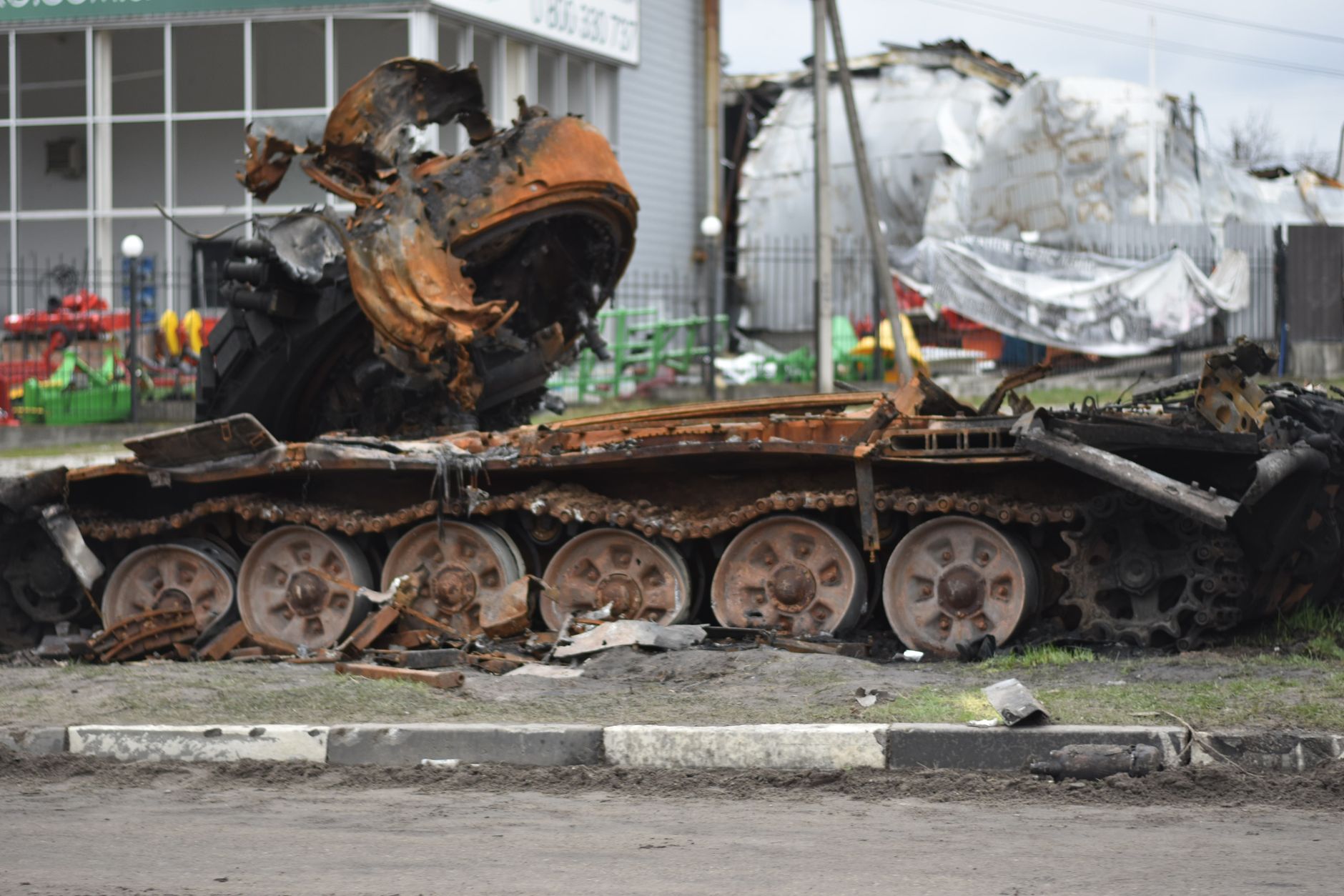
- The escalating conflict in the Middle East, particularly any expansion beyond its current scope, threatens to disrupt global energy supplies and drive up oil prices, severely impacting European economies.
- ESM Managing Director Pierre Gramegna emphasized that while either event alone might be manageable, their simultaneous occurrence would create an unprecedented economic challenge for Europe.
- The Eurozone's current economic resilience is already being tested by high inflation and tight monetary policy, leaving it vulnerable to these compounding external pressures.
- Policymakers are urged to prepare robust contingency plans, focusing on fiscal prudence and strategic energy reserves, to mitigate the severe economic fallout of such a dual crisis.
The Record
The European Stability Mechanism (ESM), a crucial financial backstop for Eurozone member states, has recently articulated a profoundly concerning outlook for the region's economic stability. In a series of statements, ESM Managing Director Pierre Gramegna laid bare the potential for a severe economic downturn, specifically a recession, should two significant global risks materialize concurrently. This assessment is not merely a hypothetical exercise but a calculated warning based on current geopolitical and economic trajectories, urging immediate attention from European policymakers and financial institutions.
Gramegna's primary concern revolves around the potential for a substantial U.S. stock market sell-off. The American economy, despite recent resilience, faces persistent inflationary pressures and the Federal Reserve's aggressive stance on interest rate hikes. A sharp correction in U.S. equities, perhaps triggered by an unexpected economic shock or a loss of investor confidence, would inevitably send ripple effects across global financial markets. Given the interconnectedness of the global economy, such a downturn would directly impact European financial institutions, investment flows, and overall economic sentiment, potentially stifling growth and triggering a broader economic contraction in the Eurozone.
Compounding this financial risk is the escalating geopolitical tension in the Middle East. The ongoing conflict, if it were to broaden significantly and involve major oil-producing nations, could lead to severe disruptions in global energy supplies. Europe, heavily reliant on imported energy, would face a dramatic surge in oil and gas prices. Such an energy shock would exacerbate existing inflationary pressures, cripple industrial output, and erode household purchasing power, effectively pushing the Eurozone into a recession. The dual impact of a financial market collapse and an energy crisis presents an almost insurmountable challenge for an economy already grappling with post-pandemic recovery and high inflation.
Who Knew and When
The European Stability Mechanism (ESM) has consistently monitored global economic risks, but the recent pronouncements from Managing Director Pierre Gramegna mark a heightened level of urgency and specificity regarding the Eurozone's vulnerability. While general concerns about global market volatility and geopolitical instability have been present for some time, the explicit linking of a U.S. stock market sell-off with an expanding Middle East conflict as a direct trigger for a Eurozone recession represents a more pointed and immediate warning. This refined assessment reflects an evolving understanding of the compounding nature of these external threats.
Economic analysts and international financial institutions have, for months, been flagging the potential for a U.S. economic slowdown or recession, driven by the Federal Reserve's aggressive monetary tightening cycle aimed at taming inflation. Similarly, the inherent instability of the Middle East has been a perpetual concern, with each escalation in conflict immediately prompting fears of oil supply disruptions and price spikes. What is relatively new, however, is the explicit articulation by a key European institution like the ESM of the catastrophic scenario where these two distinct, yet equally potent, risks converge simultaneously to create a perfect storm for the Eurozone.
Gramegna's statements effectively serve as an early warning system, drawing on the ESM's deep analytical capabilities and its role in safeguarding Eurozone financial stability. By clearly outlining this dual-shock scenario, the ESM aims to prompt proactive measures from national governments and the European Central Bank. The timing of this warning suggests that the probability of these events occurring, or at least the perceived risk, has significantly increased in the eyes of the ESM, moving from a low-probability tail risk to a more tangible threat that demands immediate strategic consideration and contingency planning across the continent.
Voices from the Ground
While the ESM provides a macro-level assessment, the potential impact of a dual crisis would be felt acutely by businesses and households across the Eurozone. Small and medium-sized enterprises (SMEs), which form the backbone of many European economies, would be particularly vulnerable. "Another energy shock, coupled with a financial market downturn, would be devastating," states Maria Schmidt, owner of a manufacturing firm in Germany. "We've barely recovered from the last energy price spikes, and our margins are already razor-thin. A new crisis would force layoffs, or worse, closures. We need stability, not more uncertainty."
Consumers are also bracing for potential hardship. "Every time there's talk of war or market crashes, I worry about my job and my savings," says Jean-Luc Dubois, a retail worker in France. "Prices are already so high for food and fuel. If things get worse, I don't know how families like mine will cope. The government needs to have a plan, not just warnings, to protect ordinary people from these global shocks." This sentiment reflects a broader public anxiety about economic resilience in the face of persistent external threats and a perceived lack of immediate, tangible protections.
Financial sector professionals, while accustomed to market volatility, echo the ESM's concerns about the compounding nature of these specific risks. "A U.S. market correction is one thing, an energy crisis is another, but both simultaneously? That's a systemic risk," explains Dr. Elena Petrova, a senior economist at a major investment bank in London. "Our models show significant stress on sovereign debt and banking stability under such a scenario. European policymakers must coordinate fiscal and monetary responses with unprecedented speed and scale to prevent a deeper and prolonged recession. The time for proactive measures is now, not when the crisis is already upon us."
The Debate
The ESM's stark warning has ignited a crucial debate among European policymakers and economists regarding the appropriate response to such a severe dual-shock scenario. One camp advocates for immediate, aggressive fiscal stimulus and coordinated monetary easing should the crisis materialize, arguing that a swift and substantial intervention is necessary to prevent a deep and prolonged recession. Proponents of this view point to the lessons learned from the 2008 financial crisis and the COVID-19 pandemic, where large-scale government spending and central bank liquidity injections helped to stabilize economies. They argue that waiting for the crisis to fully unfold would be a costly mistake, leading to greater economic damage and social unrest.
Conversely, another perspective emphasizes fiscal prudence and structural reforms as the primary defense. This camp argues that excessive spending now, or even during a crisis, could exacerbate existing debt burdens and fuel inflation, making future economic recovery even more challenging. They advocate for strengthening national budgets, reducing public debt, and implementing reforms that enhance economic competitiveness and resilience to external shocks. While acknowledging the severity of the ESM's warning, they contend that the Eurozone's long-term stability depends more on sound fiscal management and supply-side improvements than on short-term stimulus measures that could create new vulnerabilities.
A third, more nuanced position suggests a combination of both approaches, tailored to the specific nature and severity of the dual shock. This view proposes that while fiscal space should be preserved, contingency plans must include targeted support for vulnerable sectors and households, alongside strategic investments in energy independence and diversification. The debate also extends to the role of the European Central Bank (ECB), with some arguing for a more flexible mandate to address energy supply shocks, while others insist on strict adherence to its inflation-targeting mandate. The core challenge lies in finding a consensus on how to balance immediate crisis response with long-term economic sustainability in a highly uncertain global environment.
Your Questions Answered
What Accountability Looks Like
Accountability in the face of the ESM's warning requires a multi-faceted approach from European institutions and national governments. Firstly, the European Central Bank (ECB) must demonstrate clear communication and readiness to act, balancing its inflation-fighting mandate with the need to maintain financial stability. Its accountability will be judged on its ability to provide liquidity and support without compromising long-term price stability. Any perceived hesitation or misstep in monetary policy could exacerbate market panic and deepen a potential recession, demanding a delicate yet decisive stance.
National governments, on the other hand, are accountable for their fiscal policies. This means not only preparing contingency budgets that can deploy targeted support rapidly but also demonstrating fiscal discipline in the interim to build up necessary reserves. Governments must also be held accountable for accelerating structural reforms that enhance economic resilience, such as diversifying energy sources, improving labor market flexibility, and fostering innovation. Failure to implement these proactive measures would leave their economies unnecessarily exposed to external shocks, directly impacting their citizens' livelihoods.
Finally, the European Union as a whole, including the European Commission and the ESM itself, is accountable for fostering coordination and solidarity among member states. This involves ensuring that financial assistance mechanisms are robust and accessible, that common energy policies are effective, and that a united front is presented on the global stage to de-escalate geopolitical tensions. The ultimate measure of accountability will be the Eurozone's ability to navigate this potential storm with minimal economic damage and a swift recovery, demonstrating that its institutions can effectively protect its citizens from severe external threats.
















Comments
No comments yet. Be the first to comment!