


What We Know
- The G7 summit is currently underway, bringing together leaders from the world's most industrialized democracies to address pressing global challenges and coordinate international responses.
- Discussions are heavily focused on the ongoing conflict in Ukraine, with leaders expected to reaffirm their commitment to supporting Kyiv through financial aid, military assistance, and continued sanctions against Russia.
- The escalating crisis in the Middle East, particularly the conflict in Gaza and its regional ramifications, is a dominant agenda item, demanding urgent attention to humanitarian concerns and de-escalation efforts.
- Economic stability and global inflation are also central themes, as leaders seek strategies to mitigate the impact of geopolitical tensions on supply chains, energy markets, and the cost of living for citizens worldwide.
- Climate change remains a critical discussion point, with renewed calls for accelerated action on renewable energy transitions and commitments to emission reduction targets, despite the immediate focus on security crises.
- Food security, exacerbated by conflicts and climate events, is being addressed, with leaders exploring mechanisms to ensure stable global food supplies and prevent widespread hunger in vulnerable regions.
- The summit aims to present a united front against authoritarianism and uphold democratic values, reinforcing alliances and promoting multilateral cooperation in an increasingly fragmented world order.
- Cybersecurity threats and the regulation of artificial intelligence are emerging topics, highlighting the need for international frameworks to manage technological advancements and protect critical infrastructure.
What We Do Not Know Yet
- The precise details of any new financial aid packages or military commitments for Ukraine, including the specific types and quantities of weapons systems that might be pledged by individual nations.
- Whether a concrete, unified G7 strategy for a lasting ceasefire or peace resolution in the Middle East will emerge, or if discussions will primarily focus on humanitarian relief and immediate de-escalation.
- The extent to which G7 nations will agree on coordinated economic measures to combat inflation and stabilize energy markets, particularly given differing national priorities and economic conditions.
- If any significant breakthroughs or new initiatives regarding global climate action will be announced, or if existing commitments will merely be reiterated amidst the more immediate security concerns.
- How the G7 will address the growing influence of non-G7 powers like China and India in shaping global responses to these crises, and whether any new engagement strategies will be formulated.
- The specific mechanisms or timelines for implementing any agreed-upon sanctions or diplomatic pressures against actors deemed to be destabilizing either the Ukrainian or Middle Eastern conflicts.
- Whether the summit will yield a clear consensus on the future of global governance structures, especially concerning the role of the United Nations and other international bodies in conflict resolution.
- The long-term implications of the summit's outcomes on global trade relations and the potential for new trade agreements or disputes arising from the current geopolitical realignments.
Background
The G7, or Group of Seven, is an intergovernmental political forum consisting of Canada, France, Germany, Italy, Japan, the United Kingdom, and the United States. The European Union is also a 'non-enumerated member.' Formed in the 1970s, it represents a significant portion of global net wealth and advanced economies. Its primary purpose is to discuss and coordinate solutions to major global issues, ranging from economic stability and trade to security and environmental protection. The annual summit serves as a crucial platform for leaders to engage in high-level diplomacy, forge consensus on critical challenges, and project a unified stance on international affairs, often influencing broader global policy decisions.
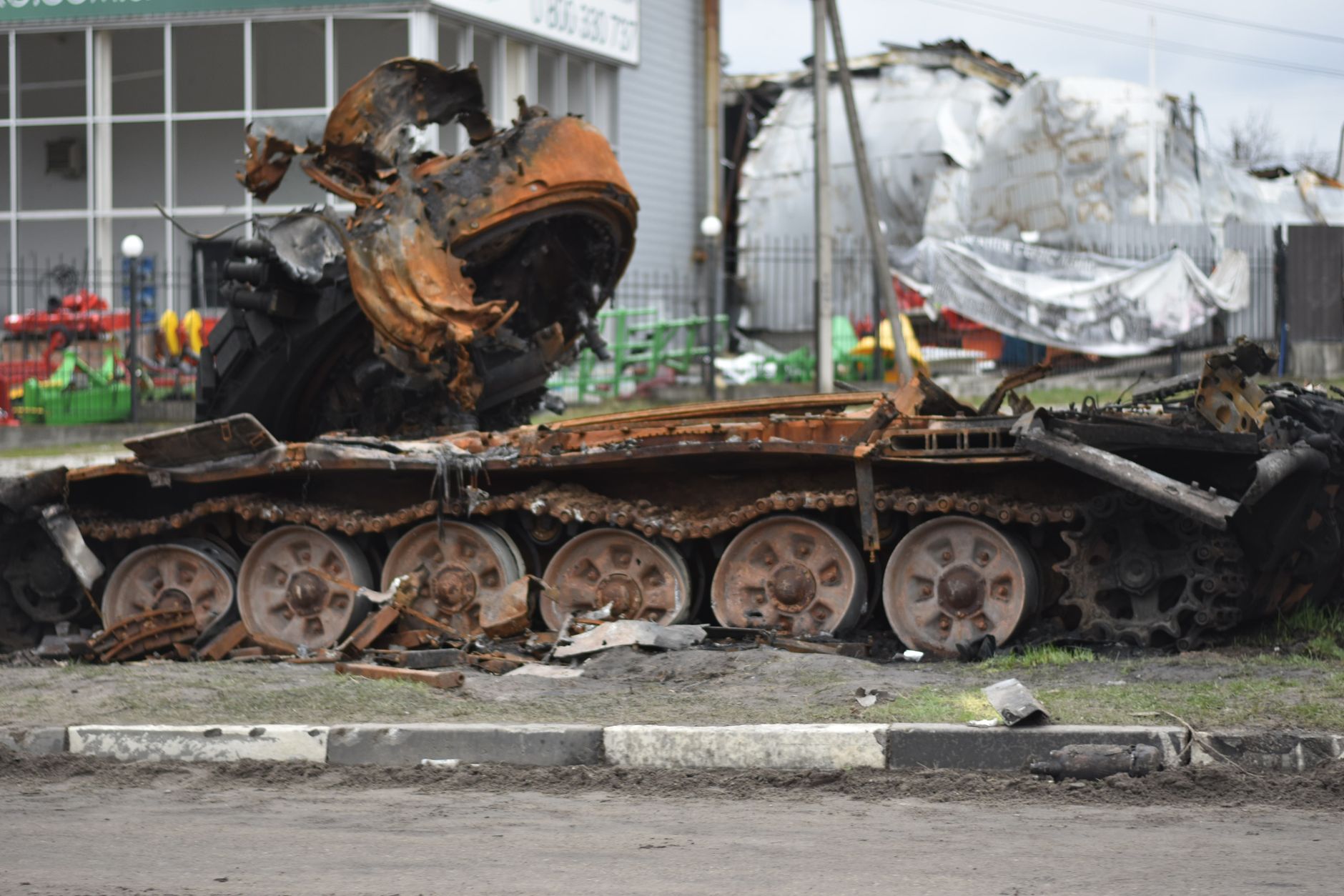
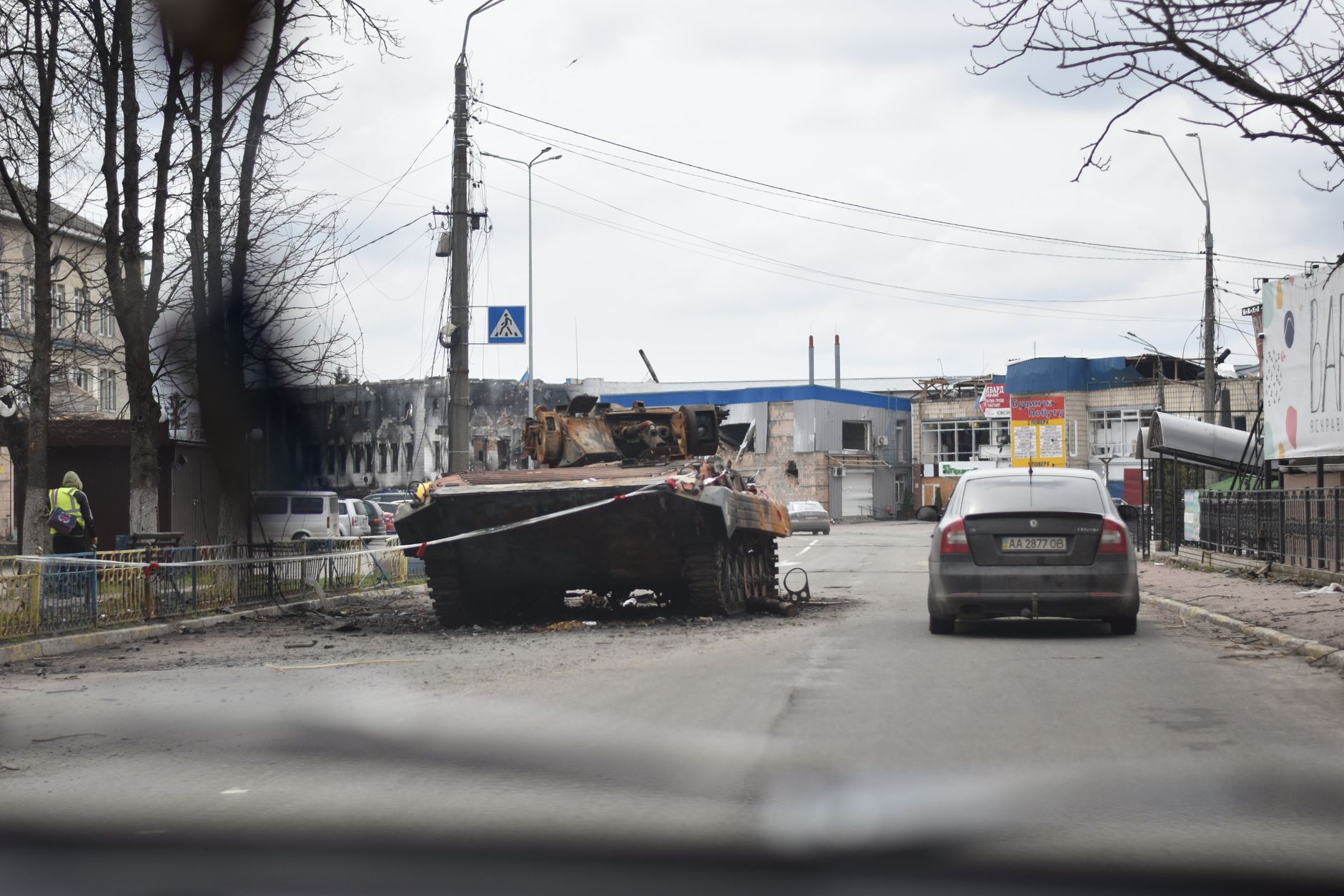
This year's summit convenes amidst an exceptionally turbulent geopolitical landscape. The war in Ukraine, now in its third year, continues to exact a devastating human and economic toll, challenging the foundational principles of international law and sovereign integrity. G7 nations have been at the forefront of providing extensive support to Ukraine, implementing unprecedented sanctions against Russia, and working to isolate Moscow on the global stage. The ongoing conflict has not only reshaped European security architecture but has also triggered significant disruptions in global energy and food markets, creating ripple effects that impact economies far beyond the immediate conflict zone.
Concurrently, the Middle East is grappling with an escalating crisis, primarily centered around the conflict in Gaza, which has seen widespread destruction, immense civilian casualties, and a dire humanitarian situation. This conflict has ignited regional tensions, raising fears of broader destabilization and drawing in various state and non-state actors. The G7 leaders are under immense pressure to address these interconnected crises, balancing the need for robust support for allies and humanitarian aid with the imperative to prevent further escalation and pursue pathways to sustainable peace. The complexity of these challenges underscores the critical importance of coordinated international responses.
Why It Matters
The decisions made at this G7 summit will have profound and far-reaching implications for global stability and economic prosperity. The collective stance of these leading economies on the Ukraine war directly impacts the trajectory of the conflict, influencing the level of military aid, the effectiveness of sanctions, and the potential for future peace negotiations. A strong, unified message from the G7 can bolster Ukraine's defense capabilities and signal to Russia the unwavering international resolve against aggression, thereby shaping the future of European security and the rules-based international order. Conversely, any perceived division or hesitation could embolden aggressors and prolong the conflict, leading to greater human suffering and geopolitical instability.
Regarding the Middle East, the G7's approach is critical for mitigating a rapidly deteriorating humanitarian crisis and preventing a wider regional conflagration. The group's ability to coordinate diplomatic efforts, push for humanitarian access, and advocate for de-escalation can directly influence the lives of millions and the prospects for peace in one of the world's most volatile regions. Furthermore, the economic repercussions of both conflicts, including inflationary pressures, energy price volatility, and disruptions to global supply chains, demand a coherent G7 response to safeguard the global economy. Their policy choices will affect everything from consumer prices in developed nations to food security in developing countries, underscoring the interconnectedness of these crises.
Beyond immediate crisis management, the summit serves as a vital test of multilateralism in an era of increasing geopolitical fragmentation. The G7's capacity to find common ground and act decisively on these complex issues will reinforce the relevance and efficacy of international cooperation. It sends a powerful message about the commitment of democratic nations to upholding shared values, addressing global challenges collectively, and providing leadership in times of crisis. Failure to achieve meaningful consensus could weaken the international system, encourage unilateralism, and leave the world more vulnerable to future shocks, making the outcomes of this summit exceptionally significant for the future direction of global governance.
Timeline of Events
- February 24, 2022: Russia launches a full-scale invasion of Ukraine, marking a significant escalation of the conflict that began in 2014 and prompting immediate condemnation and sanctions from G7 nations.
- March 2022: G7 leaders hold emergency meetings to coordinate initial responses to the Ukraine invasion, including imposing severe economic sanctions on Russia and pledging substantial aid to Kyiv.
- Throughout 2022-2023: G7 nations continue to provide military, financial, and humanitarian assistance to Ukraine, while also working to stabilize global energy markets impacted by the conflict.
- October 7, 2023: Hamas launches a surprise attack on Israel, triggering a massive Israeli military response in Gaza and rapidly escalating the Middle East crisis, drawing global attention and concern.
- Late 2023 - Early 2024: The Middle East conflict intensifies, leading to a severe humanitarian crisis in Gaza and increasing regional tensions, with G7 nations calling for de-escalation and humanitarian pauses.
- Spring 2024: Preparations for the current G7 summit intensify, with preliminary discussions focusing heavily on the dual challenges of the ongoing Ukraine war and the escalating Middle East crisis.
- Current Summit Dates: G7 leaders convene for their annual summit, with the agenda dominated by strategies to support Ukraine and address the humanitarian and security challenges in the Middle East.
- Post-Summit: Expected announcements and policy directives from the G7 summit will guide international efforts and national policies in the coming months, shaping responses to both major global crises.

Rapid-Fire Q&A
What Is Coming
- Expect official communiqués and joint statements detailing the G7's collective positions and commitments on Ukraine, the Middle East, and other global issues, providing a roadmap for future international action.
- Anticipate specific announcements regarding new sanctions against Russia, increased military aid packages for Ukraine, and potentially new financial mechanisms to support Kyiv's long-term recovery and reconstruction.
- Look for coordinated diplomatic initiatives aimed at de-escalating the Middle East crisis, including calls for ceasefires, humanitarian corridors, and renewed efforts towards a political resolution.
- Potential pledges for increased humanitarian assistance to Gaza and other affected regions in the Middle East, alongside efforts to ensure the safe and unimpeded delivery of aid.
- Discussions will continue on global economic stability, with potential agreements on strategies to combat inflation, secure energy supplies, and strengthen global supply chain resilience against future shocks.
- Further engagement with non-G7 nations and international organizations is expected as the G7 seeks broader consensus and cooperation on implementing the outcomes of the summit.
- Ongoing monitoring of the geopolitical landscape will be critical, as the effectiveness of G7 decisions will depend on their implementation and the reactions of various state and non-state actors.
- The next G7 summit will likely build upon the foundations laid here, continuing to address these complex challenges and adapting strategies as global circumstances evolve.










Comments
No comments yet. Be the first to comment!