
Key Takeaways
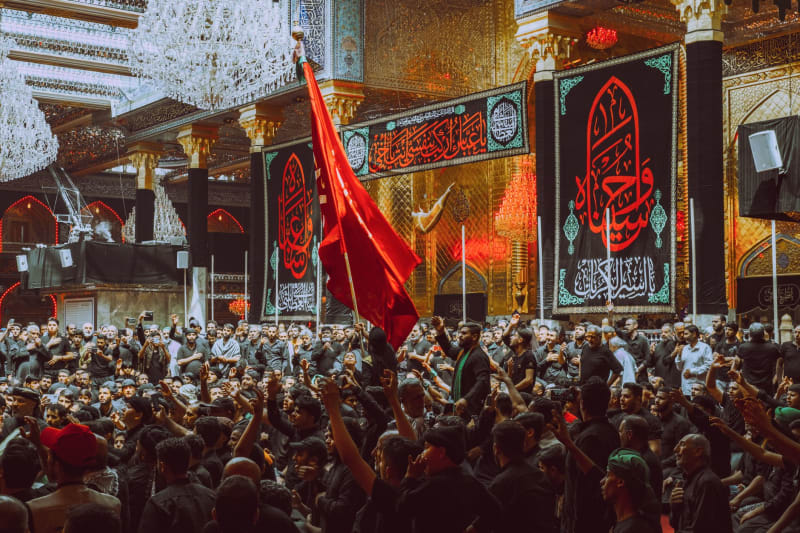
- Hundreds of thousands of mourners gathered in Tehran, showcasing a significant display of public sentiment and solidarity following the death of a prominent figure, highlighting the deep emotional and political resonance within the nation.
- A mourner explicitly called for the death of former U.S. President Donald Trump, underscoring the intense anti-American sentiment prevalent among certain segments of the Iranian population and the lingering animosity from past geopolitical events.
- The massive turnout and the nature of the rhetoric suggest a hardening of anti-Western stances within Iran, potentially signaling a more confrontational approach in future international relations and domestic policy.
- The event serves as a powerful reminder of the enduring impact of historical grievances and the potential for public demonstrations to shape national narratives and influence policy decisions in the region.
- Such public calls for violence against a former head of state could further complicate diplomatic efforts and exacerbate an already fragile geopolitical environment, making de-escalation more challenging for international actors.
- The sheer scale of the commemoration reflects the profound influence and legacy of Ali Khamenei, indicating that his passing will likely have a lasting impact on Iran's political landscape and its strategic direction.
Background
The recent mass commemoration in Tehran follows a period of heightened tensions between Iran and the United States, largely stemming from the U.S. withdrawal from the Joint Comprehensive Plan of Action (JCPOA) in 2018 under the Trump administration. This withdrawal, coupled with the re-imposition of stringent sanctions, severely crippled Iran's economy and was viewed by many Iranians as an act of economic warfare. The assassination of General Qassem Soleimani in January 2020 further inflamed anti-American sentiment, leading to widespread calls for revenge and solidifying a narrative of American aggression within Iran.
The figure being commemorated, Ali Khamenei, while not the Supreme Leader, held significant influence within Iran's political and religious establishment. His passing has triggered a moment of national reflection and public mourning, which often serves as an opportunity for the regime to mobilize support and reinforce its ideological tenets. These events are meticulously organized to project an image of national unity and unwavering resolve against perceived external threats, particularly from the United States and its allies.
Historically, large public gatherings in Iran have been potent platforms for expressing political grievances and rallying support for the government's stance on international issues. The chants and slogans heard during these events are not spontaneous outbursts but often reflect carefully curated messages intended to resonate with the populace and send clear signals to both domestic and international audiences. The call for Donald Trump's death, while shocking to Western ears, is a stark manifestation of the deep-seated anger and desire for retribution that has been cultivated over years of perceived injustices and direct confrontations.
Why It Matters
The explicit call for the death of a former U.S. President by a mourner at a state-sanctioned event is not merely an isolated incident; it signifies a dangerous escalation in rhetoric that could have profound geopolitical consequences. Such public declarations, especially when amplified by mass gatherings, contribute to a climate of hostility that makes de-escalation and diplomatic engagement increasingly difficult. It reinforces the perception of an intractable conflict, potentially emboldening hardliners on both sides and diminishing the prospects for peaceful resolution.
This event matters because it vividly illustrates the deep chasm of mistrust and animosity that defines the Iran-U.S. relationship. The widespread participation in the commemoration, coupled with the fervent anti-American slogans, indicates that these sentiments are not confined to a fringe element but resonate with a significant portion of the Iranian populace. This public sentiment can exert considerable pressure on Iranian leadership, limiting their flexibility in negotiations and potentially pushing them towards more confrontational policies in the future. Ignoring this popular anger would be a critical miscalculation for international observers.
Furthermore, the incident sends a chilling message to the international community about the potential for violence and instability in the Middle East. When calls for retribution against former world leaders become a public spectacle, it raises concerns about the erosion of diplomatic norms and the increasing normalization of extremist rhetoric. This could inspire similar sentiments in other regions, contributing to a more volatile global landscape where political disputes are increasingly framed in terms of vengeance rather than resolution. The implications for regional security and global stability are undeniably significant.
Ground Reality
On the ground in Tehran, the atmosphere during the commemoration was a complex mix of genuine grief, nationalistic fervor, and political defiance. Hundreds of thousands of people, from all walks of life, converged to pay their respects, demonstrating the deep emotional connection many Iranians have to their leaders and the revolutionary ideals. The sheer scale of the turnout, despite economic hardships and ongoing protests in other contexts, underscores the regime's enduring capacity to mobilize its base and project an image of popular support, especially during moments of national significance.
Amidst the sea of mourners, the chants of "Death to America" and "Death to Israel" were not just background noise; they were powerful, unifying refrains that echoed through the streets, reflecting a deeply ingrained anti-imperialist narrative. The specific call for the death of Donald Trump, delivered with impassioned conviction, highlights the direct association many Iranians make between the former U.S. President and the suffering inflicted by sanctions and military actions. This sentiment is not abstract; it is rooted in tangible experiences of economic hardship and perceived national humiliation, making it a potent force in shaping public opinion.
The Iranian government leverages these mass gatherings to reinforce its narrative of resistance against external adversaries and to consolidate domestic support. By providing a platform for such fervent expressions of anti-Western sentiment, the regime effectively channels public anger towards its geopolitical rivals, diverting attention from internal challenges and strengthening its legitimacy among its loyalists. The ground reality is one where political messaging is seamlessly interwoven with religious and nationalistic fervor, creating a formidable force that is both emotionally charged and strategically deployed.
What Experts Are Saying
Analysts specializing in Iranian affairs interpret the recent events in Tehran as a clear signal of the regime's unwavering commitment to its anti-U.S. posture, particularly in the wake of significant national events. Dr. Sarah Khan, a Middle East policy expert, notes, "The public outcry and specific calls for retribution are not spontaneous; they are carefully orchestrated expressions that serve multiple strategic purposes. They energize the domestic base, send a defiant message to Washington, and reinforce the narrative of Iranian resilience against foreign aggression. This makes any immediate diplomatic breakthrough exceedingly difficult." She emphasizes that these demonstrations are a critical barometer of the regime's ideological direction.
According to Professor David Miller, an expert on international relations, the rhetoric surrounding the commemoration underscores the deep-seated historical grievances that continue to shape Iran's foreign policy. "The memory of past interventions, the 1953 coup, and more recently, the impact of sanctions and the Soleimani assassination, have created a powerful collective memory of victimhood and defiance," Miller explains. "When a mourner calls for Trump's death, it's not just personal animosity; it's a symbolic demand for justice against what is perceived as systemic aggression. This makes it challenging for any U.S. administration to find common ground without addressing these historical wounds." The emotional weight of these historical narratives cannot be overstated.
Security strategists like Dr. Lena Petrova warn that such inflammatory rhetoric, particularly when emanating from large public gatherings, significantly increases the risk of miscalculation and unintended escalation. "When the public discourse normalizes calls for violence against political figures, it creates a dangerous precedent," Petrova states. "It can embolden non-state actors, complicate intelligence assessments, and narrow the diplomatic space for de-escalation. The international community must recognize that these aren't just words; they are indicators of a volatile environment where the threshold for conflict could be dangerously low." The potential for these sentiments to translate into actions is a constant concern for global stability.
Frequently Asked Questions
What Happens Next
In the immediate aftermath of the commemoration, expect a period of heightened rhetoric from Iranian officials, likely reinforcing the themes of national unity and defiance against external pressures. The government will likely leverage the emotional energy generated by the mass gathering to consolidate its base and project an image of unwavering resolve. This could manifest in stronger condemnations of U.S. policies and a reaffirmation of Iran's strategic objectives in the region, making any immediate diplomatic overtures from the West particularly challenging to navigate.
Internationally, the incident will undoubtedly draw sharp condemnation from the United States and its allies, further straining diplomatic relations. The explicit call for violence against a former U.S. President will likely be viewed as a serious provocation, potentially leading to increased scrutiny of Iran's actions and possibly even new sanctions or diplomatic measures. This escalation in rhetoric could also prompt regional rivals to bolster their own security postures, contributing to a dangerous cycle of mistrust and military build-up across the Middle East.
Looking ahead, the long-term implications depend heavily on how both Iran and the U.S. choose to respond. While the current U.S. administration has expressed a desire for diplomacy, such inflammatory events make it politically difficult to engage without appearing weak. Iran, on the other hand, may feel emboldened by the public display of support. The path forward remains fraught with peril, with the potential for either a slow, arduous return to negotiations or a dangerous acceleration of tensions that could have unpredictable and far-reaching consequences for global stability.










Comments
No comments yet. Be the first to comment!