
The Numbers
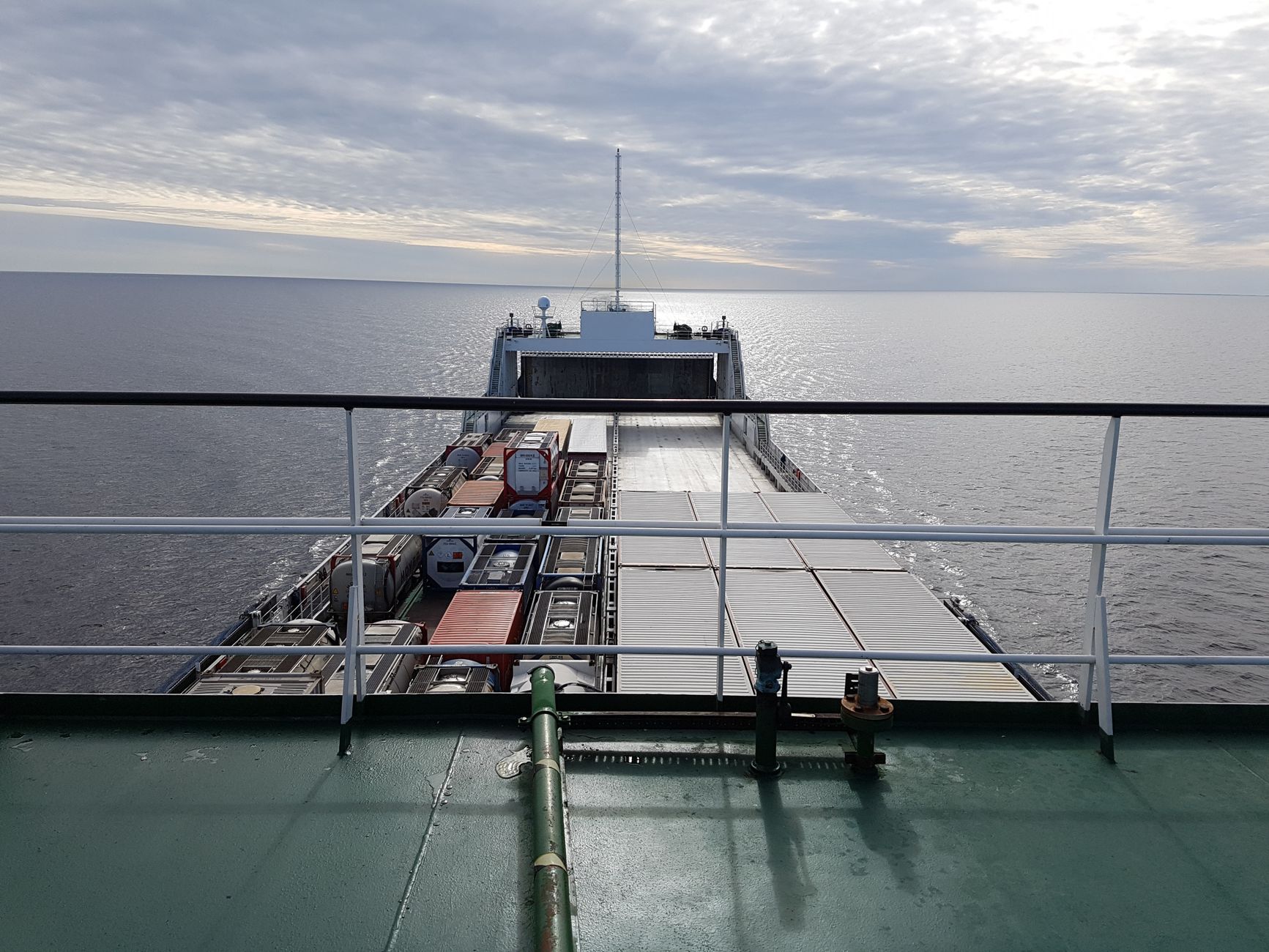
- Approximately 21 million barrels of oil per day, representing roughly one-third of the world's seaborne oil trade, transit through the Strait of Hormuz, underscoring its unparalleled importance to global energy markets.
- Over 80% of the crude oil exported from Saudi Arabia, Iran, UAE, Kuwait, and Iraq passes through this narrow waterway, making it an indispensable artery for major OPEC producers.
- The Strait is merely 21 nautical miles (39 km) wide at its narrowest point, creating a significant chokepoint that is highly vulnerable to disruption, with shipping lanes just two miles wide in each direction.
- Estimates suggest that a sustained closure of the Strait of Hormuz could cause oil prices to skyrocket by 50% or more within weeks, triggering a severe global economic recession and widespread energy shortages.
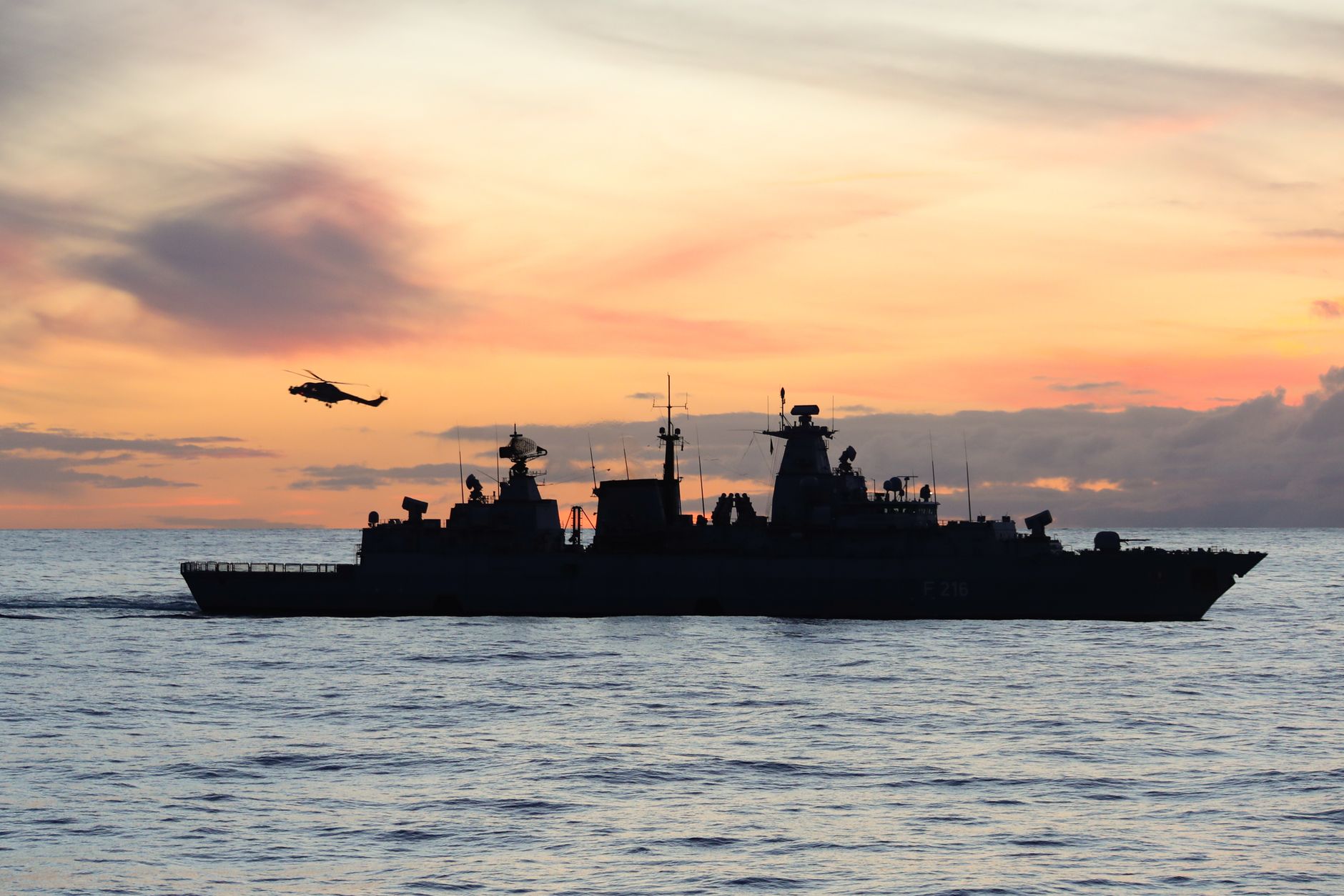
- Iran possesses a substantial naval presence, including fast attack craft, submarines, and anti-ship missiles, capable of posing a credible threat to commercial shipping and naval vessels within the Strait.
- The U.S. Fifth Fleet, headquartered in Bahrain, maintains a robust presence in the region, tasked with ensuring freedom of navigation, yet its capabilities are constantly tested by Iranian maneuvers and regional tensions.
- Over the past decade, there have been numerous incidents, including tanker seizures, drone attacks, and mine placements, highlighting the persistent and volatile security challenges in the Strait of Hormuz.
Context Check
The Strait of Hormuz is not merely a geographic feature; it is the pulsating jugular of the global energy economy. Connecting the Persian Gulf with the Arabian Sea and the broader Indian Ocean, this narrow waterway is the sole maritime passage for a substantial portion of the world's oil supply. Its strategic significance cannot be overstated, as any disruption, however minor, sends immediate shockwaves through international markets, affecting everything from gasoline prices at the pump to the stability of national economies. The geopolitical dynamics surrounding the Strait are incredibly complex, involving major oil-producing nations, global powers, and a web of regional rivalries and alliances.
For Washington, securing the Strait of Hormuz has been a cornerstone of its foreign policy in the Middle East for decades. This commitment stems from a recognition that unfettered passage through the Strait is vital for global economic stability and the national security interests of the United States and its allies. The U.S. Navy's Fifth Fleet maintains a continuous presence in the region, explicitly tasked with deterring aggression and ensuring freedom of navigation. However, the efficacy of this military posture is increasingly being questioned, especially as regional actors, particularly Iran, grow more assertive and the nature of threats evolves beyond conventional warfare.
The current U.S. policy towards Iran, characterized by sanctions, diplomatic isolation, and a reluctance for direct, high-level engagement, inadvertently complicates the security landscape of Hormuz. While intended to pressure Tehran, this approach often fuels Iranian defiance and escalatory actions, creating a dangerous cycle of provocation and response. Without a viable diplomatic off-ramp or channels for de-escalation, the risk of miscalculation or accidental conflict in this volatile maritime corridor remains alarmingly high. This policy framework, therefore, requires urgent re-evaluation to prevent a potential catastrophe that could cripple global energy supplies.
Background
The historical context of the Strait of Hormuz is deeply intertwined with the rise of global oil consumption and the geopolitical struggles for control over vital resources. Since the mid-20th century, as the world became increasingly reliant on Middle Eastern oil, the Strait transformed from a relatively obscure waterway into a flashpoint of international concern. During the Iran-Iraq War in the 1980s, both sides targeted oil tankers in what became known as the 'Tanker War,' demonstrating the vulnerability of shipping and prompting significant international intervention to protect commercial vessels. This period solidified the understanding that the Strait's security is a global responsibility, not merely a regional one.
Iran's strategic leverage over the Strait is a fundamental aspect of its national security doctrine and foreign policy. Positioned along the northern coast of the Strait, Iran views its ability to threaten or disrupt shipping as a potent deterrent against external aggression and a bargaining chip in international negotiations. This perception is amplified by its long-standing grievances with the United States and its allies, particularly concerning sanctions and perceived interference in its internal affairs. Consequently, any discussion of Hormuz security must acknowledge Iran's inherent interest in maintaining, and occasionally demonstrating, its capacity to influence traffic through the waterway.
The current U.S. strategy, largely focused on a 'maximum pressure' campaign against Iran, has paradoxically heightened tensions in the Strait. While aiming to curb Iran's nuclear ambitions and destabilizing regional activities, this approach has often led to retaliatory actions by Tehran, including harassment of commercial shipping and the seizure of tankers. The absence of robust, direct diplomatic channels between Washington and Tehran means that minor incidents can quickly escalate, increasing the risk of a broader conflict. This cycle of pressure and retaliation underscores the urgent need for a more nuanced and engagement-oriented strategy to ensure the long-term security and stability of this indispensable maritime corridor.
Winners and Losers
In the current geopolitical climate surrounding the Strait of Hormuz, there are clear beneficiaries and significant casualties. Nations with robust domestic energy production and diversified supply chains, such as the United States, might initially appear less vulnerable to a Hormuz disruption. However, the interconnectedness of global oil markets means that even these nations would face soaring prices and economic instability. Furthermore, countries like China and India, heavily reliant on Middle Eastern oil imports, stand to lose immensely from any instability, facing severe energy shortages and economic contraction. Their economies are directly tied to the free flow of oil through this strait, making them highly exposed to any escalation.
The primary 'winners,' if one can use such a term in a scenario of potential global crisis, are often those who profit from market volatility. Speculators in oil futures and certain energy companies might see short-term gains from price spikes. However, even these gains are fleeting in the face of widespread economic collapse. Regionally, Iran, by demonstrating its capacity to disrupt global oil flows, gains a degree of leverage and attention, albeit at the cost of further international isolation and economic hardship for its own citizens. This short-term tactical advantage comes with immense strategic risks, potentially inviting a more forceful international response that could devastate its economy and infrastructure.
The unequivocal losers in any significant disruption of the Strait of Hormuz would be the global economy and ordinary citizens worldwide. Consumers would face exorbitant energy costs, businesses would grapple with increased operational expenses, and supply chains would buckle under the pressure. Developing nations, with less resilience to economic shocks, would be hit particularly hard, potentially triggering humanitarian crises. Moreover, the environmental impact of any military conflict in such a vital maritime area, particularly involving oil spills, would be catastrophic for the delicate marine ecosystems of the Persian Gulf. The stakes are incredibly high, demanding a proactive and diplomatic approach to prevent such a dire outcome.
Analyst Perspectives
Leading geopolitical analysts widely concur that the current U.S. strategy of maximum pressure on Iran, while intended to curb its nuclear program and regional influence, inadvertently escalates tensions in the Strait of Hormuz. Many experts argue that this approach, by limiting diplomatic engagement and increasing economic hardship on Iran, pushes Tehran towards more provocative actions as a means of demonstrating its leverage and retaliating against sanctions. Dr. Emily Harding, a senior fellow at the Center for Strategic and International Studies, notes that 'the absence of clear de-escalation pathways means that even minor incidents can rapidly spiral out of control, making the Strait a perpetual powder keg.'
Several defense strategists highlight the inherent limitations of a purely military solution to securing the Strait. While the U.S. Fifth Fleet provides a formidable deterrent, it cannot entirely prevent asymmetric threats such as mine warfare, swarm attacks by small boats, or the use of anti-ship missiles from coastal batteries. 'Military might alone cannot guarantee absolute security in such a confined and complex maritime environment,' states Admiral (Ret.) James Stavridis. 'A truly secure Hormuz requires a diplomatic framework that addresses Iran's legitimate security concerns while ensuring international freedom of navigation.' This perspective underscores the need for a multifaceted approach beyond just naval power.
Economists and energy market analysts consistently warn about the catastrophic global economic consequences of a sustained closure of the Strait. Dr. Fatih Birol, Executive Director of the International Energy Agency, has repeatedly emphasized that 'there is no viable alternative route for the sheer volume of oil that passes through Hormuz.' Any significant disruption would not only send oil prices soaring but also trigger a global recession, destabilize financial markets, and create widespread energy shortages. This consensus among experts reinforces the urgency of finding a stable, long-term solution that prioritizes diplomacy and de-escalation over confrontation, recognizing the immense global stakes involved.

Key Questions Explained
The Outlook
The outlook for the Strait of Hormuz remains precariously balanced, teetering between uneasy stability and the constant threat of escalation. Without a fundamental shift in the U.S. approach to Iran, the cycle of pressure and provocation is likely to continue, keeping global energy markets on edge. The inherent strategic importance of the Strait, coupled with the deeply entrenched mistrust between Washington and Tehran, creates a volatile environment where even minor incidents can trigger disproportionate responses. The international community, heavily reliant on the Strait's unimpeded flow, must actively advocate for diplomatic solutions and de-escalation strategies to avert a potential crisis.
Looking ahead, any viable path towards sustained security in Hormuz must involve a recognition of Iran's legitimate security interests and a willingness from all parties to engage in direct, high-level dialogue. A strategy that solely relies on military deterrence and economic sanctions, while ignoring the complex geopolitical realities and Iran's strategic calculations, is inherently flawed and unsustainable in the long run. Regional actors, too, bear a significant responsibility in fostering a more cooperative security architecture, moving beyond historical rivalries to prioritize collective stability and economic prosperity.
Ultimately, the future of the Strait of Hormuz, and by extension, global energy security, hinges on the capacity of international diplomacy to bridge deep divides and forge common ground. The alternative – a continuous state of heightened tension and the ever-present risk of conflict – is simply too costly for the world to bear. A proactive, engagement-oriented strategy, focused on de-escalation, confidence-building, and multilateral cooperation, offers the most promising route to transforming this critical chokepoint from a flashpoint of conflict into a stable conduit for global trade and prosperity. The urgency for such a strategic pivot cannot be overstated.











Comments
No comments yet. Be the first to comment!