

At a Glance
- A speeding passenger bus carrying nearly fifty passengers crashed into a deep ravine in Lasbela, Balochistan, resulting in at least forty confirmed fatalities.
- Initial investigations point to severe overspeeding and driver fatigue as the primary catalysts for the vehicle losing control on a notoriously sharp turn.
- Rescue operations faced immense logistical hurdles due to the remote, mountainous terrain and a lack of immediate emergency response infrastructure nearby.
- Local authorities confirmed that the bus caught fire almost immediately after the impact, making the identification of victims exceptionally difficult without DNA testing.
- National highway safety experts are pointing to systemic failures in vehicle fitness certifications and the rampant overloading of commercial transport.
- Public outrage is mounting as citizens demand immediate accountability from regional transport ministries for their persistent failure to police dangerous mountain passes.
The Record
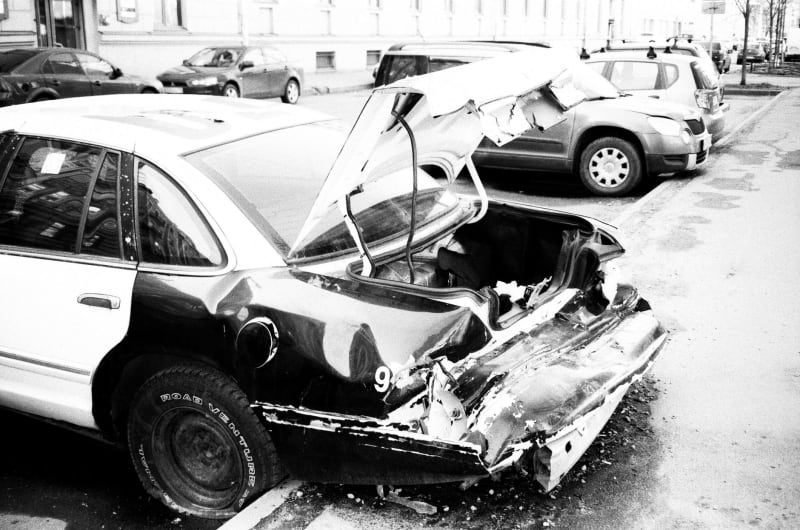
The tragic incident unfolded in the early hours of the morning when the intercity passenger bus, traveling from Quetta to Karachi, failed to negotiate a sharp curve near the town of Lasbela. Eyewitnesses reported that the vehicle was traveling at an excessive speed despite the challenging terrain and poor visibility conditions. The impact of the plunge was so severe that the bus immediately burst into flames, trapping dozens of passengers inside the burning wreckage before local rescue teams could arrive on the scene.
According to official reports from the Balochistan provincial administration, rescue workers recovered forty bodies from the charred remains of the vehicle, with several others transported to nearby medical facilities in critical condition. The identification process has been severely hampered by the condition of the remains, prompting health officials to initiate DNA testing protocols to help grieving families identify their loved ones. This disaster highlights the persistent dangers of long-distance night travel on Pakistan's poorly lit and inadequately maintained national highways.
Historical data reveals that the Quetta-Karachi highway has long been one of the most hazardous transit routes in the country, colloquially referred to by locals as a killer highway due to its high frequency of fatal accidents. Despite repeated promises from successive governments to dualize the road and install modern safety barriers, progress has been painfully slow, leaving commuters at the mercy of outdated infrastructure and reckless driving practices that go largely unchecked by highway patrols.
Who Knew and When
For years, regional transport unions and civil society organizations have raised red flags regarding the lack of safety regulations governing commercial passenger buses operating in Balochistan. Regulatory bodies were repeatedly warned about the widespread practice of overloading vehicles and utilizing substandard tires to cut operating costs. Despite these explicit warnings, local transport authorities consistently failed to implement rigorous vehicle inspection regimes, allowing unsafe buses to continue operating on high-risk routes daily.
Furthermore, highway police departments had previously documented numerous instances of speed limit violations along the specific stretch of road where the crash occurred. Reports indicate that patrol officers frequently lacked the equipment and personnel necessary to enforce speed limits effectively during late-night and early-morning hours. This enforcement gap created a permissive environment where commercial drivers routinely ignored safety protocols to meet tight delivery and arrival schedules.
Internal government memos from the Ministry of Communications reveal that proposals for installing modern crash barriers and improving road banking on the Lasbela curves had been approved in principle over a year ago. However, bureaucratic delays and budget reallocations stalled the implementation of these life-saving infrastructure upgrades. The failure to execute these plans timely has now resulted in one of the deadliest road accidents the region has witnessed in recent years.
Voices from the Ground
In the immediate aftermath of the crash, the families of the victims gathered outside local hospitals, expressing profound grief and anger over the preventable loss of life. Relatives of those on board recounted how their loved ones had expressed anxiety about the journey, noting that the bus appeared overcrowded even before departing the terminal. Many demanded that the government look beyond the driver and hold the transport company owners criminally liable for sending an unsafe vehicle onto the road.
Local rescue volunteers, who were among the first to arrive at the burning wreckage, described a scene of absolute chaos and devastation. With limited specialized equipment, these volunteers had to rely on basic tools to extricate survivors from the mangled metal while waiting for professional emergency services to arrive from distant urban centers. Their testimonies underscore the critical lack of localized trauma centers and emergency response infrastructure along Pakistan's major transit corridors.
Community leaders in Lasbela have voiced their frustration, stating that they have witnessed dozens of similar accidents over the past decade without seeing any meaningful intervention from the state. They emphasize that until the government treats road safety as a national emergency rather than an occasional administrative issue, rural communities will continue to pay the ultimate price. The collective demand is for immediate, visible action to upgrade road conditions and enforce traffic laws strictly.
The Debate
The tragedy has reignited a fierce national debate regarding the root causes of Pakistan's chronic road safety crisis. On one side, government officials often point to driver error, poor training, and individual negligence as the primary factors behind such disasters. They argue that even with perfect infrastructure, reckless driving behavior and a disregard for traffic laws will inevitably lead to catastrophic accidents, placing the burden of responsibility on the operators.
Conversely, urban planners, safety advocates, and legal experts argue that attributing these disasters solely to driver error is a convenient way for the state to evade its regulatory responsibilities. They contend that systemic issues, such as corrupt licensing systems, the absence of mandatory vehicle fitness testing, and poorly engineered highways, create a structural environment where fatal accidents are statistically guaranteed to happen. They demand a complete overhaul of the regulatory framework.
Furthermore, economic analysts point out that the transport sector's razor-thin profit margins encourage operators to cut corners on maintenance and exploit drivers, who often work exhausting shifts without adequate rest. Resolving this crisis, they suggest, requires not just stricter policing, but also economic reforms that incentivize safety compliance and provide livable wages and reasonable working hours for commercial drivers across the country.
Your Questions Answered
What Accountability Looks Like
True accountability in the wake of this disaster requires a shift away from temporary suspensions of low-level transport officials toward comprehensive legal action against the owners of the transport company. If investigations reveal that the company knowingly operated an unroadworthy, overloaded vehicle with an exhausted driver, they must face severe criminal charges. This would send a clear signal to the entire commercial transport industry that safety violations will carry heavy legal consequences.
Furthermore, there must be an independent, transparent audit of the provincial transport department and the highway patrol divisions responsible for monitoring this route. Officials who turned a blind eye to persistent overloading and speed violations at checkpoints must be identified and dismissed. Public trust cannot be restored if the regulatory bodies tasked with protecting citizens are allowed to escape scrutiny after such a massive failure.
Finally, the federal government must commit to a binding, time-bound infrastructure funding plan to upgrade the hazardous sections of the national highway network. Upgrading these roads is not a luxury but a fundamental state obligation. Only by combining strict regulatory enforcement with modern, forgiving road infrastructure can Pakistan hope to break the cycle of highway tragedies and protect the lives of its traveling public.













Comments
No comments yet. Be the first to comment!