

At a Glance
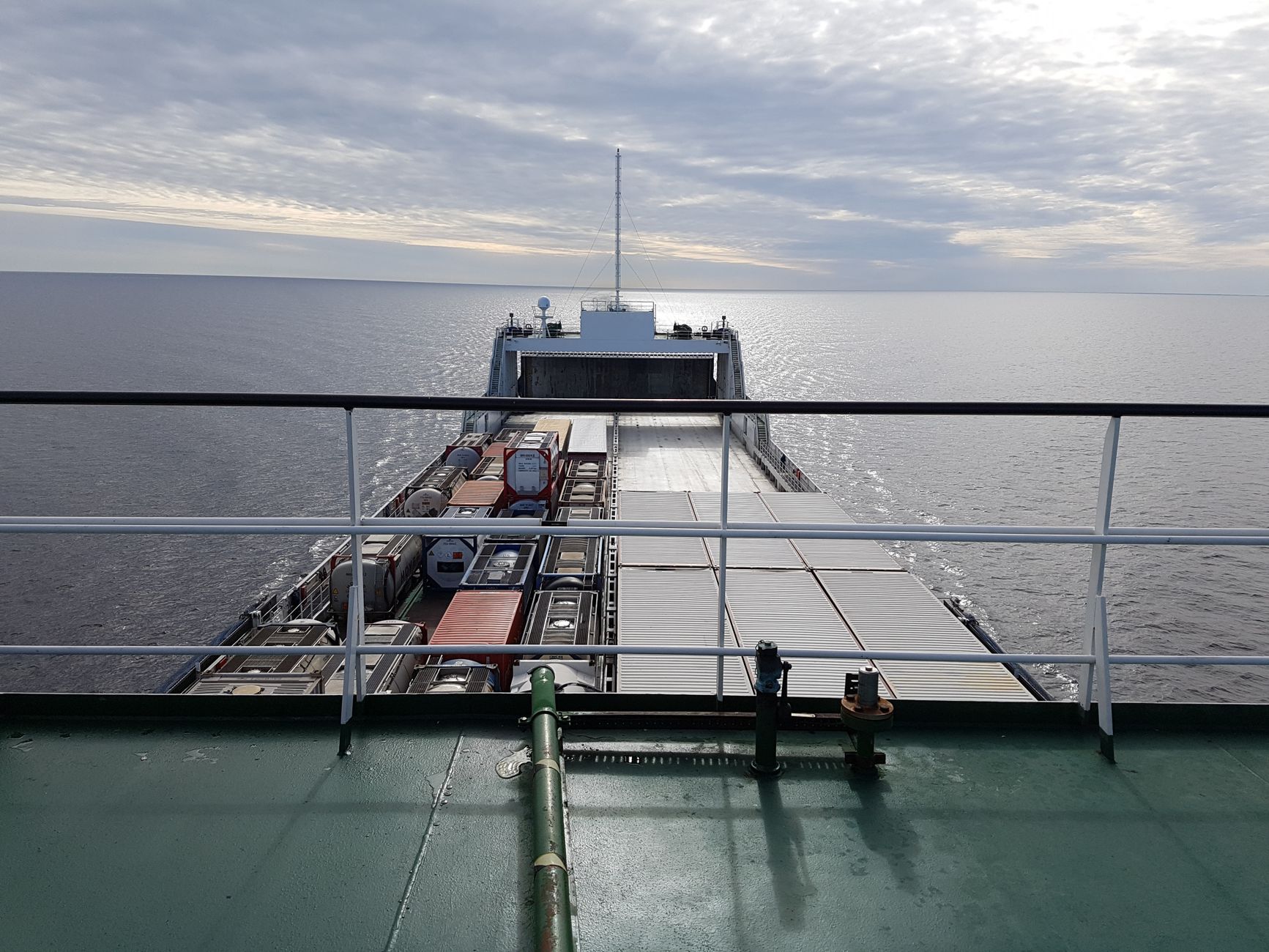
- The Strait of Hormuz is a critically important maritime chokepoint, through which a significant portion of the world's oil supply transits daily, making its security paramount for global energy markets.
- Iran frequently threatens to close the Strait of Hormuz, leveraging this strategic leverage as a potent tool to counter international sanctions and deter potential military actions against its interests.
- International law, specifically the UN Convention on the Law of the Sea (UNCLOS), designates the Strait as an international waterway, guaranteeing the right of innocent passage for all vessels.
- Any closure of the Strait of Hormuz would precipitate an immediate and severe global economic crisis, driving oil prices to unprecedented levels and disrupting supply chains worldwide, with devastating consequences.
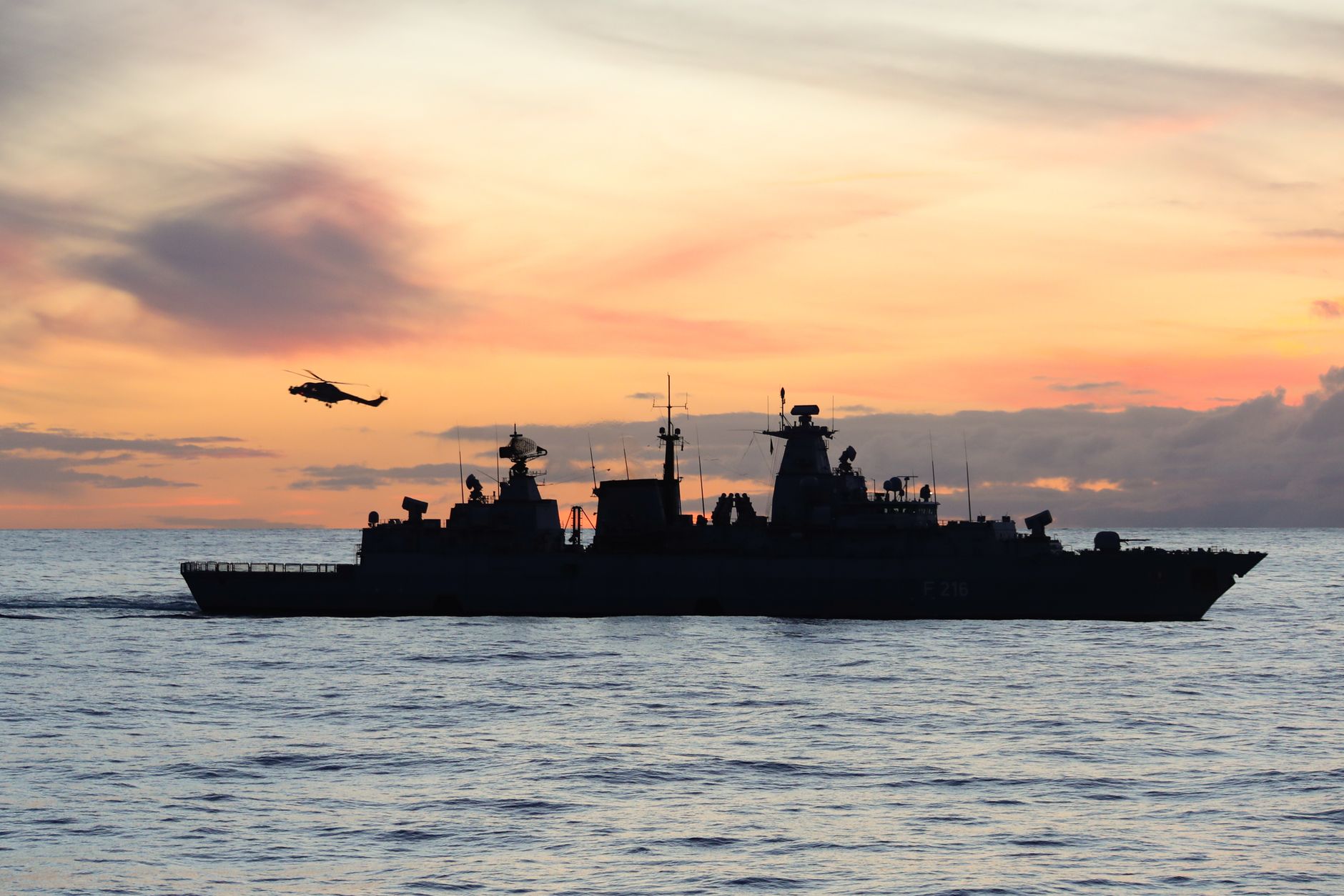
- The United States and its allies maintain a robust naval presence in the region, explicitly designed to ensure the free flow of commerce and deter any attempts by Iran to obstruct maritime traffic.
- The ongoing dispute over the Strait's status and Iran's perceived right to control it remains a core driver of regional instability, perpetuating a cycle of tension and the constant threat of escalation.
The Record
The Strait of Hormuz, a narrow waterway connecting the Persian Gulf to the Arabian Sea, has long been a focal point of geopolitical tension, primarily due to its unparalleled strategic importance. Approximately one-fifth of the world's total petroleum consumption, including nearly all of the oil exports from Saudi Arabia, Iran, UAE, Kuwait, and Iraq, passes through this 21-mile wide chokepoint. This makes its unimpeded flow absolutely critical for global energy security and economic stability. Iran's geographical position, directly bordering the northern side of the Strait, grants it significant leverage, which it has historically not hesitated to exploit in times of heightened international pressure or perceived threats.
Throughout various periods of escalating tensions, Iran has repeatedly issued explicit threats to close the Strait of Hormuz. These pronouncements are typically made in response to stringent economic sanctions imposed by Western powers or in retaliation for military exercises conducted by the United States and its allies in the Persian Gulf. Such threats are not merely rhetorical; they serve as a powerful bargaining chip, designed to remind the international community of Iran's capacity to inflict severe economic damage globally. The strategic calculus behind these threats is clear: to deter external aggression and force a reconsideration of policies deemed hostile by Tehran.
The international community, particularly major oil-importing nations and maritime powers, views any potential closure of the Strait with extreme alarm. The United States, along with its regional partners, has consistently affirmed its commitment to ensuring the freedom of navigation through this vital waterway. This commitment is backed by a substantial naval presence, including the U.S. Fifth Fleet, headquartered in Bahrain, whose primary mission includes safeguarding maritime security in the Persian Gulf. The delicate balance of power and the constant vigilance required to maintain open shipping lanes underscore the precarious nature of peace and stability in this critical region.
Who Knew and When
The strategic significance of the Strait of Hormuz has been recognized for centuries, but its modern geopolitical importance truly crystallized with the advent of the global oil industry in the early 20th century. As Middle Eastern oil reserves became central to the world's energy supply, the chokepoint's role as the primary conduit for these exports became undeniable. By the 1970s, following the oil crises and the increasing reliance on Persian Gulf oil, policymakers worldwide were acutely aware that any disruption in the Strait would have catastrophic global implications. This understanding has only deepened with time, making it a constant fixture in international security discussions.
During the Iran-Iraq War (1980-1988), the 'Tanker War' phase explicitly demonstrated the vulnerability of shipping in the Strait of Hormuz. Both belligerents targeted oil tankers and commercial vessels, leading to significant international intervention, most notably by the United States Navy, to protect maritime traffic. This period served as a stark, real-world lesson in the potential for conflict to disrupt global energy flows, solidifying the international community's resolve to maintain open access. The lessons learned from the Tanker War continue to inform current naval strategies and diplomatic efforts aimed at preventing similar disruptions.
In recent decades, particularly since the early 2000s, Iran's explicit threats to close the Strait have become a recurring feature of its foreign policy, especially in response to nuclear sanctions or military posturing by the West. Each time such threats are made, global oil markets react with volatility, underscoring the immediate and tangible impact of these declarations. Intelligence agencies and defense ministries across the globe continuously monitor Iranian intentions and capabilities regarding the Strait, recognizing that any miscalculation or aggressive act could ignite a wider regional conflict with devastating global economic repercussions. The world has long understood the stakes, and the vigilance remains constant.
Voices from the Ground
For the local fishermen and small traders who ply the waters of the Strait of Hormuz daily, the geopolitical tensions are not abstract concepts but a tangible, ever-present reality. "Every time there's talk of conflict, our livelihoods are immediately threatened," explains Ahmed, a fisherman from Bandar Abbas. "Shipping slows down, prices for our catch drop, and the fear of military action keeps us off the water. We just want to fish in peace and provide for our families, but we are caught in the middle of a much larger game." Their daily struggles highlight the human cost of these high-stakes international disputes, often overlooked in strategic analyses.
Oil tanker captains and their crews, who navigate the narrow channels of the Strait, speak of heightened vigilance and palpable tension. "You feel the eyes on you, both from the Iranian side and the international navies," recounts Captain Elena Petrova, who regularly transports crude oil through the Strait. "Every vessel is a potential target, every small boat a possible threat. The pressure is immense, and the margin for error is virtually nonexistent in such a confined and heavily monitored space. It's a constant reminder that we are operating in a potential war zone, even in times of 'peace'." Their experiences underscore the critical operational risks.
Regional business leaders and port authorities in countries like the UAE and Oman express deep concern over the long-term impact of instability. "Investment is deterred, trade routes are perceived as risky, and the overall economic development of the entire Gulf region is hampered by this perpetual state of uncertainty," states a senior executive at a Dubai-based shipping firm. "We need a stable and predictable environment to thrive, but the shadow of the Strait of Hormuz dispute constantly looms, making long-term planning incredibly challenging. The economic prosperity of millions depends on the free and safe passage through this vital artery." Their voices emphasize the broader economic ramifications.
The Debate
The central debate surrounding the Strait of Hormuz revolves around the fundamental question of sovereignty versus international law. Iran asserts that because the Strait falls within its territorial waters and those of Oman, it possesses the sovereign right to control passage, especially for military vessels or in times of national emergency. This perspective often cites historical claims and national security imperatives. Tehran argues that its actions are defensive measures, intended to protect its borders and economic interests from perceived external threats, particularly from the United States and its allies. This stance underpins their repeated threats to close the Strait, framing it as a legitimate exercise of national power.
Conversely, the international community, led by major maritime powers and supported by the United Nations Convention on the Law of the Sea (UNCLOS), firmly maintains that the Strait of Hormuz is an international strait. Under UNCLOS, international straits are subject to the right of 'transit passage,' which grants all ships and aircraft the freedom of navigation and overflight solely for the purpose of continuous and expeditious transit. This right is more expansive than 'innocent passage' and is considered non-suspendable. The argument is that the Strait's global economic importance necessitates its status as a free and open international waterway, irrespective of the territorial claims of bordering nations.
This fundamental disagreement creates a perpetual diplomatic and military standoff. Iran's interpretation allows for potential closure or restrictions, while the international community's view demands unimpeded access. The implications of this debate are profound, directly impacting global energy prices, international trade, and regional security dynamics. Any attempt by Iran to enforce its interpretation through physical closure would be met with overwhelming international opposition and likely military intervention, underscoring the high stakes involved and the urgent need for a diplomatic resolution that respects both national sovereignty and international maritime law.

Your Questions Answered
What Accountability Looks Like
Accountability for actions in the Strait of Hormuz primarily rests with all nations bordering the waterway, particularly Iran, to adhere to international maritime law and norms. For Iran, accountability means refraining from any actions that impede or threaten international shipping, including issuing threats to close the Strait. It also entails engaging constructively in diplomatic efforts to de-escalate tensions and build confidence among regional and international stakeholders. Failure to uphold these responsibilities could lead to severe international condemnation, economic isolation, and potentially military confrontation, underscoring the gravity of their choices.
For the international community, accountability involves consistently upholding the principle of freedom of navigation and ensuring that international law, specifically UNCLOS, is respected by all parties. This includes maintaining a credible deterrent presence to prevent any unilateral closure of the Strait, while simultaneously pursuing robust diplomatic channels to resolve disputes peacefully. It also means holding all actors, including non-state actors operating in the region, responsible for any acts of piracy or aggression that threaten maritime security. A balanced approach of deterrence and diplomacy is crucial for long-term stability.
Ultimately, true accountability would manifest in a stable, demilitarized, and internationally recognized framework for the Strait of Hormuz that guarantees unimpeded passage for all vessels, while respecting the legitimate security concerns of riparian states. This would require a significant shift towards multilateral cooperation and a reduction in the adversarial rhetoric that currently dominates the discourse. Without such a framework, the Strait will remain a dangerous flashpoint, perpetually threatening global energy security and regional peace. The path to accountability is long, but essential for averting future crises.













Comments
No comments yet. Be the first to comment!