
The Story in Brief
- Former President Trump significantly reduced tariffs on imported farm machinery and parts, a move initially hailed as a potential cost-saving measure for the agricultural sector.
- Despite these tariff reductions, experts and industry analysts are forecasting a potential increase in the overall prices of farm machinery, confounding initial expectations.
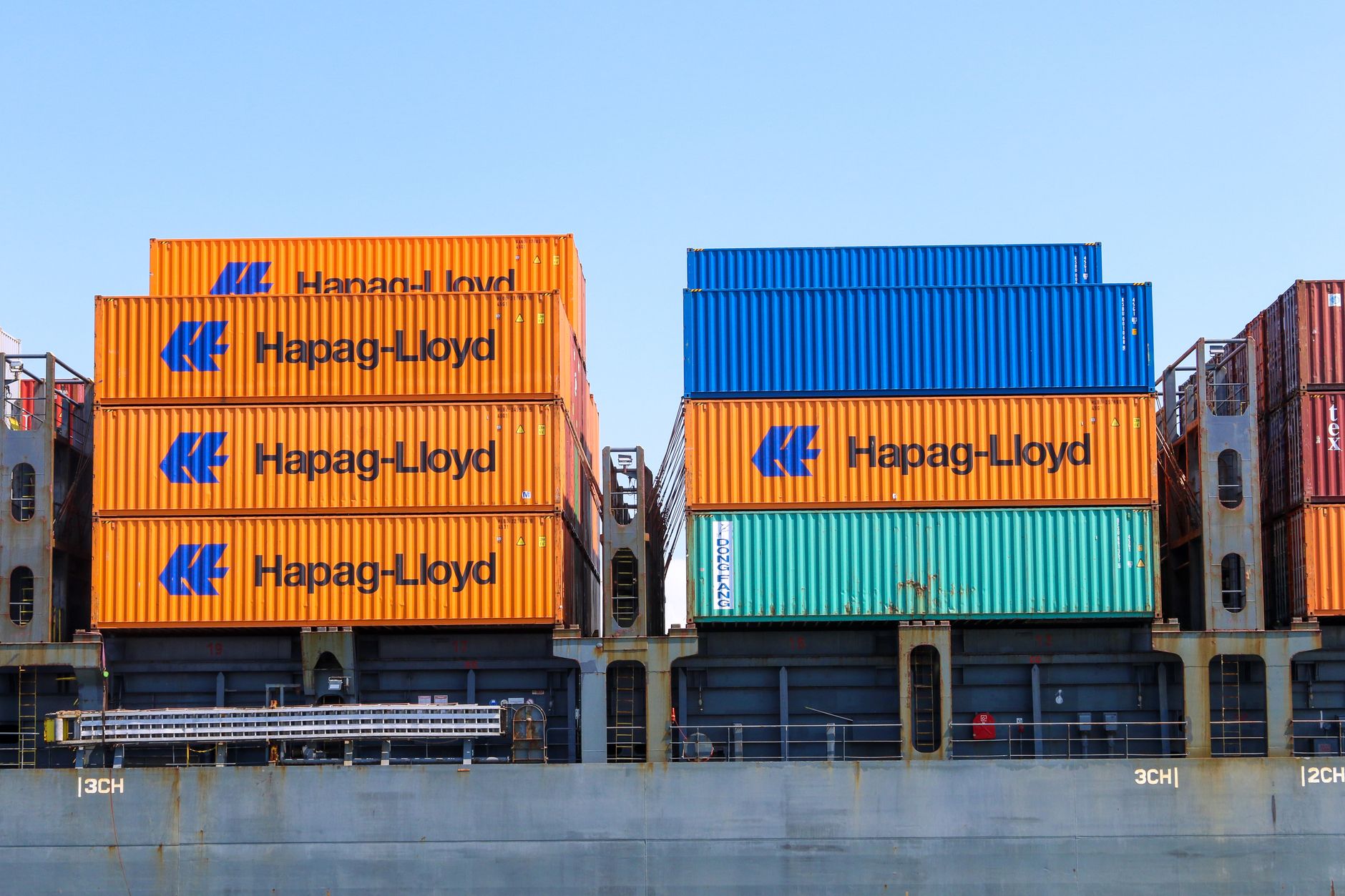
- The primary drivers behind these anticipated price hikes include persistent supply chain disruptions, rising labor costs, and the escalating prices of raw materials such as steel and semiconductors.
- This complex economic scenario places significant financial pressure on farmers, who rely heavily on modern, efficient equipment to maintain productivity and competitiveness.
- The agricultural sector is grappling with the dual challenge of needing new technology to boost yields while facing the prospect of higher capital expenditures for essential machinery.
- Stakeholders are closely monitoring how these economic forces will ultimately impact farm profitability and the broader stability of the food supply chain in the coming months.
The Human Face
For farmers like John Miller, a third-generation corn and soybean grower in Iowa, the news of tariff reductions on farm machinery was initially a beacon of hope. "We're always looking for ways to cut costs and improve efficiency," Miller explains. "New equipment can make a huge difference in yields and labor, but the price tag is always a major hurdle. When the tariffs were cut, I thought, finally, some relief." This sentiment was widely shared across the agricultural community, where every dollar saved on inputs directly impacts the bottom line, especially in an industry often characterized by thin margins and unpredictable market fluctuations. The promise of more affordable, advanced machinery offered a tangible path to modernization and increased competitiveness for many family farms.
However, that initial optimism has quickly soured as the reality of market dynamics sets in. Miller, like many of his peers, is now confronting the sobering possibility that these tariff cuts might not translate into the expected savings. "I've been talking to my dealers, and they're already warning about price increases," he says with a sigh. "It's not just the tariffs; it's everything else – the cost of steel, the shipping delays, even finding enough skilled mechanics. It feels like we take one step forward with tariffs, and two steps back with everything else." This frustration underscores a broader anxiety among farmers, who feel caught between the need to invest in their operations and the relentless pressure of rising input costs that seem to erode any potential gains.
The human impact extends beyond mere financial calculations. The ability to upgrade equipment directly affects a farmer's capacity to adopt precision agriculture technologies, which are crucial for sustainable practices and maximizing yields in a changing climate. If new machinery remains prohibitively expensive, it could widen the gap between large-scale operations that can absorb higher costs and smaller family farms struggling to keep pace. This economic disparity threatens the very fabric of rural communities, where the success of local farms underpins the vitality of the entire region. The dream of a more affordable future for farm equipment is rapidly being replaced by the grim reality of persistent financial strain.
How We Got Here
The journey to the current predicament began with the Trump administration's trade policies, which saw the imposition of significant tariffs on a wide range of imported goods, including steel, aluminum, and various manufactured products from countries like China. While these tariffs were primarily aimed at protecting domestic industries and rebalancing trade deficits, they also had a ripple effect across sectors. For the agricultural machinery industry, tariffs on imported components and raw materials led to increased manufacturing costs for equipment produced both domestically and abroad. Farmers, already operating on tight margins, began to feel the pinch as the prices of essential tractors, combines, and other implements steadily climbed.
Recognizing the growing strain on the agricultural sector, which is a vital part of the American economy and a key political constituency, the Trump administration eventually moved to reduce or eliminate some of these tariffs on specific farm machinery and parts. This policy adjustment was widely seen as a direct response to lobbying efforts from agricultural groups and an acknowledgment of the financial burden these tariffs placed on farmers. The expectation was that by removing these import taxes, the cost of acquiring and maintaining farm equipment would decrease, thereby providing much-needed relief to an industry often buffeted by volatile commodity prices and unpredictable weather patterns. This policy shift was intended to inject optimism and economic stability into the farming community.
However, the global economic landscape has proven far more complex than anticipated. Even as tariffs were rolled back, new and formidable challenges emerged. The COVID-19 pandemic triggered unprecedented disruptions in global supply chains, leading to shortages of critical components like semiconductors and significant delays in shipping. Concurrently, a surge in demand for raw materials, coupled with labor shortages and rising energy costs, pushed manufacturing expenses upward. These compounding factors have largely negated the intended benefits of tariff reductions, creating a scenario where the cost of farm machinery continues its upward trajectory despite the policy changes. The initial relief from tariff cuts has been overshadowed by a perfect storm of inflationary pressures.
Why This Cannot Be Ignored
The potential for rising farm machinery prices, even after tariff reductions, represents a critical threat to the economic viability of American agriculture. Farmers operate within a highly capital-intensive industry where modern equipment is not a luxury but a necessity for efficient production, improved yields, and sustainable practices. When the cost of acquiring or maintaining essential machinery escalates, it directly erodes profit margins, making it harder for farms to remain competitive. This financial pressure can force difficult decisions, such as delaying crucial upgrades, extending the lifespan of aging equipment, or even reducing farm size, all of which can hinder productivity and long-term sustainability. The ripple effect of these increased costs could destabilize the entire agricultural supply chain.
Beyond individual farm economics, this issue has broader implications for food security and rural economies. A struggling agricultural sector can lead to higher food prices for consumers, as farmers pass on increased operational costs. Furthermore, rural communities, which often depend heavily on the economic health of local farms, face job losses and reduced investment when farmers are under financial duress. The inability to invest in new, more efficient, and environmentally friendly machinery also slows the adoption of critical agricultural innovations, potentially impacting the nation's ability to meet future food demands and address climate change challenges effectively. This stagnation could have profound, long-lasting societal consequences.
Moreover, the situation highlights the complex interplay of global trade policies, supply chain vulnerabilities, and inflationary pressures. It serves as a stark reminder that policy interventions, while well-intentioned, can be undermined by unforeseen external factors. For policymakers, understanding these intricate dynamics is crucial to developing more resilient strategies that truly support the agricultural sector. Ignoring these rising costs would be tantamount to neglecting the foundational industry that feeds the nation, potentially leading to a decline in agricultural output, a weakening of rural economies, and an increased reliance on imported food products. The long-term stability of the American food system hinges on addressing these challenges proactively.
Possible Paths Forward
Addressing the rising costs of farm machinery requires a multi-faceted approach, starting with a deeper examination of global supply chains. Policymakers could explore initiatives to diversify the sourcing of critical components and raw materials, reducing reliance on single regions or suppliers. This might involve incentivizing domestic production of key inputs like steel and semiconductors, or fostering trade agreements with a wider array of countries to ensure a more robust and resilient supply network. Furthermore, investing in infrastructure improvements for transportation and logistics could help mitigate shipping delays and reduce associated costs, making the movement of goods more efficient and predictable. Such strategic investments are crucial for long-term stability.
Another crucial path involves direct financial support and incentives for farmers. This could take the form of expanded loan programs with favorable interest rates specifically for equipment purchases, or tax credits for investing in new, energy-efficient, or precision agriculture machinery. Additionally, exploring options for government-backed bulk purchasing programs for common farm equipment or components could leverage collective buying power to negotiate lower prices. Subsidies for raw material costs for agricultural machinery manufacturers, tied to commitments to pass savings on to farmers, could also be considered. These targeted interventions would directly alleviate the financial burden on individual farmers, ensuring they can access the tools necessary for modern farming.
Finally, fostering innovation and competition within the agricultural machinery sector itself is paramount. Encouraging research and development into more cost-effective manufacturing processes, alternative materials, and modular equipment designs could lead to inherently more affordable products. Promoting a competitive marketplace by supporting smaller manufacturers and new entrants could also drive down prices. Furthermore, exploring the right-to-repair movement more broadly could empower farmers to maintain and repair their own equipment, reducing reliance on expensive dealership services and extending the lifespan of their investments. This holistic approach, combining supply chain resilience, financial aid, and market innovation, offers the most promising route to a sustainable future for farm machinery costs.

Questions People Are Actually Asking
What to Watch
- Monitor global supply chain recovery: Keep a close eye on improvements in shipping logistics and the availability of critical components like semiconductors, as these will directly influence manufacturing costs and delivery times for farm machinery.
- Track raw material price fluctuations: Pay attention to the market prices of steel, aluminum, and other key metals. Significant changes in these commodity prices will inevitably affect the final cost of agricultural equipment.
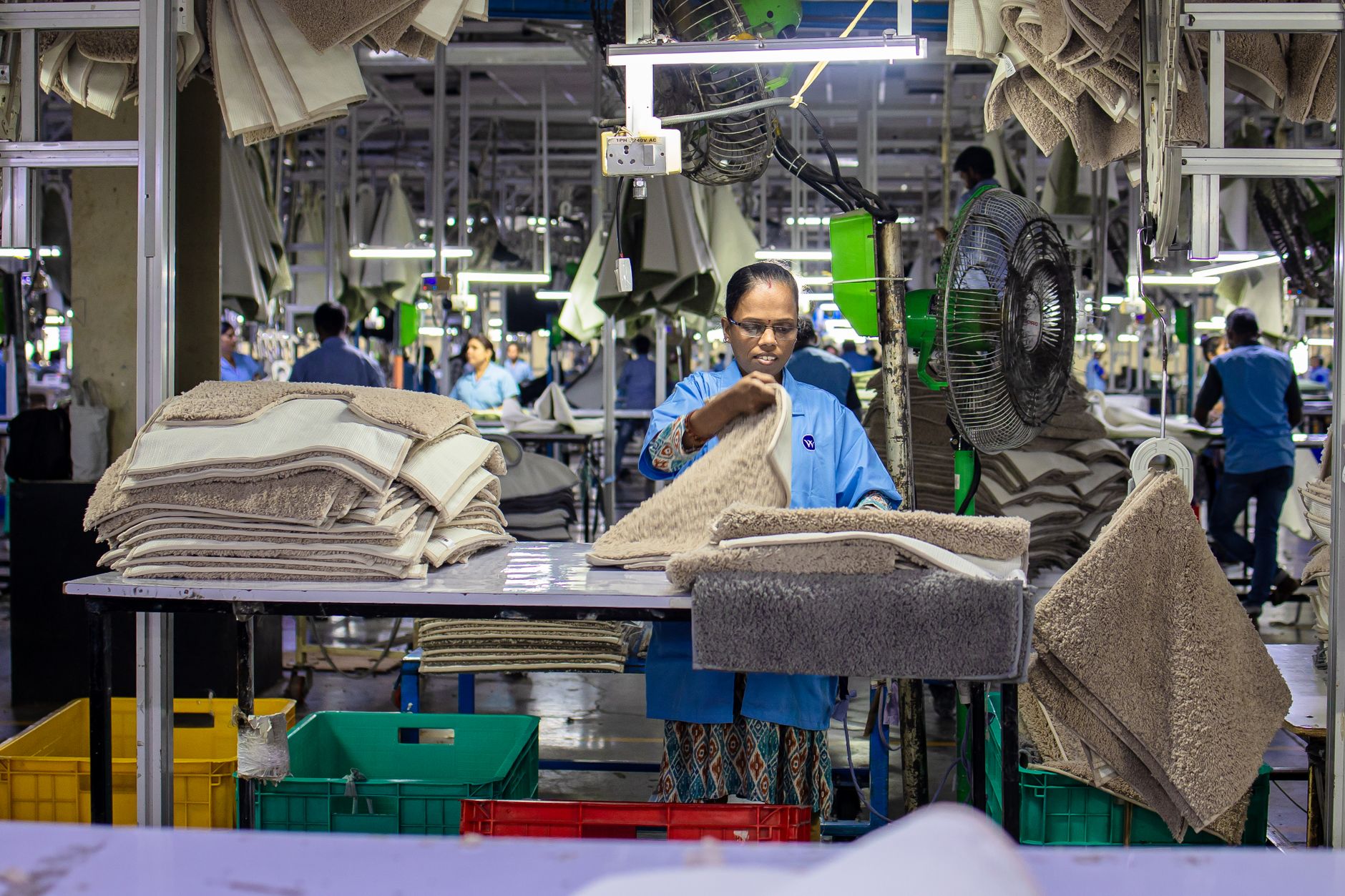
- Observe labor market trends: Watch for shifts in manufacturing labor costs and availability, as these are significant factors in the overall production expense for farm machinery companies.
- Follow government policy developments: Stay informed about any new government initiatives, subsidies, or trade policies that could either alleviate or exacerbate the cost pressures on the agricultural sector.
- Analyze manufacturer pricing strategies: Observe how major farm machinery manufacturers adjust their pricing models and product offerings in response to market conditions and input costs. This includes any new financing options or extended warranty programs.
- Assess agricultural commodity prices: The profitability of farming directly influences the ability to invest in new machinery. Fluctuations in crop and livestock prices will determine farmers' capacity to absorb higher equipment costs.










Comments
No comments yet. Be the first to comment!