

At a Glance
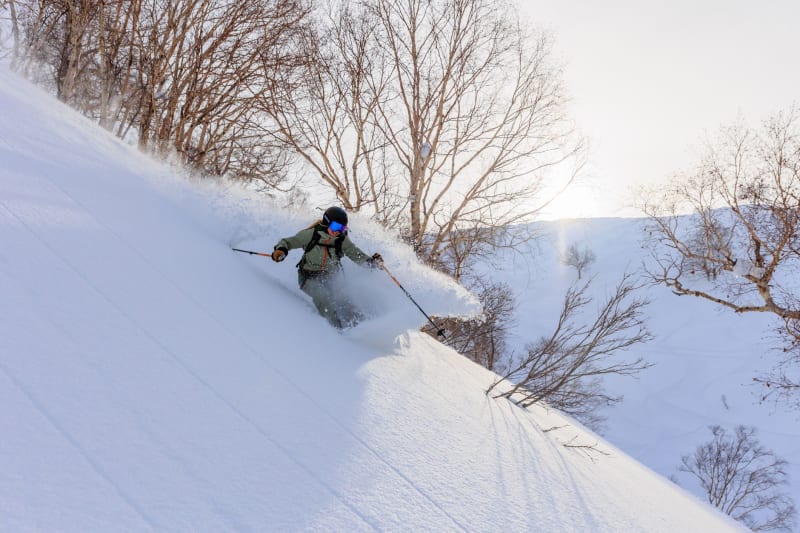
- Johannes Høsflot Klæbo secured his sixth gold medal at the 2026 Winter Olympics, a truly historic achievement in cross-country skiing.
- This unprecedented haul of six golds in a single Olympic Games solidifies his status as one of the greatest winter athletes of all time, transcending previous records.
- Klæbo's dominance was evident across various disciplines, showcasing his versatility and superior conditioning in both sprint and distance events.
- The Norwegian sensation's performance has sparked widespread admiration and discussion among sports analysts and fans globally, highlighting a new era of skiing excellence.
- His training regimen and strategic race planning are now under intense scrutiny, as competitors seek to understand the secrets behind his overwhelming success.
- The impact of Klæbo's performance extends beyond the medal count, inspiring a new generation of athletes and potentially altering future Olympic training methodologies.
The Record
Johannes Høsflot Klæbo has etched his name into the annals of Olympic history, achieving an astonishing feat at the 2026 Winter Olympics. His sixth gold medal, secured with a breathtaking display of power and precision, marks an unparalleled level of dominance in cross-country skiing. This achievement not only surpasses individual records but also elevates the standard for what is considered possible in winter sports. His consistent ability to perform under immense pressure, across diverse race formats, underscores a unique blend of talent, rigorous preparation, and an unyielding competitive spirit.
The journey to six golds was not merely a series of victories; it was a masterclass in strategic racing. Klæbo demonstrated exceptional tactical awareness, knowing precisely when to conserve energy and when to unleash his explosive speed. From the individual sprint to the team relay and longer distance events, he adapted his approach flawlessly, leaving his rivals struggling to keep pace. This versatility is a hallmark of true athletic greatness, proving that his success is not limited to a single specialty but is a testament to his comprehensive skill set and physical prowess.
This historic performance has sent ripples throughout the international sporting community. Experts are now debating whether Klæbo's achievement represents a new paradigm in athletic preparation and performance, or if it is simply the emergence of a generational talent whose capabilities transcend conventional expectations. Regardless, his six gold medals at a single Winter Olympics will serve as a benchmark for future athletes, inspiring them to push the boundaries of human endurance and skill in the pursuit of Olympic glory. The legacy he is building is one of relentless pursuit of excellence and an unwavering commitment to his craft.
Who Knew and When
The potential for Johannes Høsflot Klæbo to dominate the 2026 Winter Olympics was a topic of intense speculation among sports analysts and within the Norwegian skiing federation long before the games began. His consistent performance in World Cup circuits leading up to the Olympics, where he frequently secured podium finishes and demonstrated an unmatched ability to close out races, hinted at a formidable challenge to existing records. Coaches and teammates observed an enhanced level of focus and an almost obsessive dedication to fine-tuning every aspect of his technique and conditioning, suggesting he was preparing for something truly extraordinary.
Insiders within the Norwegian Olympic team had quietly expressed confidence in Klæbo's unprecedented potential. Training reports indicated that his physiological metrics were at an all-time high, and his mental fortitude appeared unshakable. While the exact number of gold medals was impossible to predict, the expectation was that he would be a strong contender in every event he entered. This internal optimism was based on years of observing his relentless work ethic, his meticulous attention to detail in equipment preparation, and his uncanny ability to perform optimally on the biggest stages.
However, the sheer scale of his success – six gold medals – still managed to surprise even the most ardent supporters and seasoned commentators. While many anticipated multiple golds, achieving such a clean sweep across a diverse range of cross-country skiing events was beyond most predictions. This level of sustained excellence over the course of an entire Olympic Games is a testament not just to his individual talent, but also to the sophisticated support system, coaching, and sports science that enabled him to peak at precisely the right moment and maintain that peak for weeks.
Voices from the Ground
Across Norway, the sentiment is one of overwhelming national pride and jubilation. "It's simply unbelievable," exclaimed Ingrid Olsen, a lifelong cross-country skiing fan watching from Lillehammer. "We knew he was good, but six golds? He's not just an athlete; he's a phenomenon. Every race was a masterclass, and the way he just kept delivering, race after race, was truly inspiring. My children are already out in the snow trying to emulate his technique, dreaming of their own Olympic glory. He has truly captured the heart of the nation with this historic performance." This widespread excitement highlights the profound cultural impact of Klæbo's achievements, resonating deeply within a country where winter sports are a way of life.
Competitors, while undoubtedly disappointed, have expressed a mixture of awe and admiration for Klæbo's unparalleled performance. "He's on another level," admitted Swedish skier Calle Halfvarsson, who finished just off the podium in one of the sprint events. "You train your whole life for this, and then someone comes along who just redefines what's possible. It's frustrating, yes, but also incredibly motivating. He pushes us all to be better, to find those extra percentages. We'll go back to the drawing board, analyze his technique, his strategy, and try to bridge that gap. He's raised the bar for everyone in the sport." This perspective from rivals underscores the transformative effect Klæbo is having on the competitive landscape of cross-country skiing.
Young athletes aspiring to reach the elite levels of cross-country skiing are particularly inspired. "Watching Klæbo makes me believe that anything is possible," said 16-year-old aspiring skier, Lars Johansen, from a junior training camp. "His dedication, his focus, and his ability to execute under pressure are what I look up to most. He shows us that with enough hard work and belief, you can achieve your wildest dreams. I've already started adjusting my training schedule, trying to incorporate some of the intensity and precision I saw in his races. He's not just winning medals; he's creating a legacy that will inspire generations." This sentiment reveals the profound influence Klæbo has on the next generation of winter sports stars, shaping their aspirations and training philosophies.
The Debate
Klæbo's unprecedented six-gold haul has ignited a fervent debate among sports historians and enthusiasts: where does he now rank among the all-time Olympic greats, not just in cross-country skiing, but across all winter sports? Some argue that his dominance in a single Games, spanning multiple disciplines, places him in a league with legends like Eric Heiden or Michael Phelps, whose singular Olympic performances redefined their respective sports. Others contend that comparing athletes across different eras and sports is inherently flawed, but acknowledge that his achievement is undeniably historic and sets a new benchmark for individual excellence in the Winter Olympics. The sheer breadth of his victories, from explosive sprints to grueling distance races, provides compelling evidence for his unparalleled versatility and endurance.
Another facet of the debate centers on the implications of Klæbo's success for the future of cross-country skiing. Is this an anomaly, a once-in-a-generation talent, or does it signal a shift in training methodologies and athlete development that could lead to more multi-medalists? Coaches are scrutinizing his preparation, diet, and recovery techniques, attempting to reverse-engineer his success. There's a growing discussion about whether the sport needs to adapt its formats or schedules to prevent such overwhelming dominance from a single athlete, or if this level of individual brilliance is precisely what makes the Olympics so captivating. The debate extends to whether his performance will inspire a new wave of specialization or, conversely, encourage more athletes to pursue a broader range of events.
Furthermore, there's a conversation about the role of technology and sports science in enabling such peak performances. While Klæbo's raw talent is undeniable, the advanced equipment, sophisticated training facilities, and personalized sports psychology support he likely received cannot be overlooked. Critics wonder if this creates an uneven playing field, while proponents argue that it's simply the natural evolution of elite sports. This discussion touches upon the broader ethical considerations of maximizing human performance through scientific means, and whether access to such resources inadvertently creates a divide between nations or athletes with varying levels of funding and support. The balance between natural ability and technological enhancement is a perennial topic, and Klæbo's success has brought it sharply back into focus.

Your Questions Answered
What Accountability Looks Like
In the context of athletic achievement, accountability for Johannes Høsflot Klæbo primarily revolves around maintaining the highest standards of sportsmanship, fair play, and continued excellence. His unparalleled success places him under immense scrutiny, not just from anti-doping agencies, but also from fans and competitors who expect integrity. Klæbo has consistently demonstrated a commitment to clean sport, and his transparency regarding his training and preparation reinforces trust in his achievements. This level of accountability is crucial for preserving the credibility of his records and the sport itself, ensuring that his legacy is built on a foundation of ethical conduct and genuine athletic prowess.
Beyond personal conduct, Klæbo's accountability extends to his role as a global ambassador for cross-country skiing and winter sports. His actions and words carry significant weight, influencing young athletes and shaping public perception. He is accountable for inspiring the next generation, promoting healthy competition, and contributing positively to the sporting community. This means actively engaging in outreach, sharing his experiences, and advocating for the values of dedication and perseverance. His public persona and interactions with media and fans are critical in upholding this broader responsibility, ensuring his influence is constructive and uplifting.
Furthermore, the Norwegian Ski Federation and relevant anti-doping authorities are accountable for ensuring that the environment in which Klæbo and other athletes compete remains fair and free from illicit substances or practices. Their rigorous testing protocols, educational programs, and commitment to international anti-doping standards are paramount. While Klæbo's achievements are celebrated, the systems that safeguard the integrity of the sport must also be held accountable for their effectiveness. This collective responsibility ensures that the extraordinary performances witnessed at the Olympics are a true reflection of human potential and not compromised by external factors, thereby protecting the sanctity of the competition.















Comments
No comments yet. Be the first to comment!