
At a Glance
- Switzerland executed a flawless tactical plan to secure a commanding 2-0 victory over a highly motivated Algerian side in their final group stage match.
- The Swiss midfield completely dominated possession, neutralizing the creative playmakers of Algeria and preventing any meaningful counter-attacks throughout the ninety minutes of play.
- Early breakthroughs in both halves allowed the European side to dictate the tempo of the game, forcing Algeria to abandon their defensive structure prematurely.
- Algeria struggled to find their rhythm in the final third, registering only two shots on target despite making several offensive substitutions late in the second half.
- This crucial victory officially guarantees Switzerland a spot in the coveted knockout rounds, keeping their dreams of international glory very much alive.
- For Algeria, the disappointing defeat marks the end of their ambitious tournament run, prompting immediate questions about the squad's future tactical direction.
The Record
The historical record between these two nations has always promised high-intensity football, but this latest clash in the tournament group stage elevated the rivalry to a new tactical level. Switzerland entered the match knowing that nothing less than a victory would guarantee their progression, and they played with a level of disciplined urgency that reflected those high stakes. From the opening whistle, the Swiss side controlled the tempo, utilizing short, precise passing sequences to tire out the Algerian midfield and create space on the flanks.
Algeria, conversely, seemed overwhelmed by the sheer physical presence of the Swiss defenders, who quickly shut down any attempts to launch direct counter-attacks. The opening goal came from a brilliantly worked set-piece routine that exposed a rare lapse in the Algerian zonal marking system, sending the Swiss fans into absolute raptures. This critical breakthrough forced Algeria to play more expansively, which ultimately played directly into the hands of the highly organized Swiss counter-pressing system.
As the second half progressed, the physical toll of chasing the ball became increasingly evident on the Algerian players, who began committing unforced errors in dangerous areas. Switzerland capitalized on one of these defensive turnovers to double their lead with a clinical finish that effectively sealed the match and extinguished any hopes of an Algerian comeback. The final whistle confirmed a deserved victory for the Swiss, cementing their reputation as one of the most disciplined and difficult teams to break down in the entire tournament.
Who Knew and When
Tactical analysts and scouts had long warned that Algeria's defensive transition was highly vulnerable to quick, diagonal switches of play, a weakness that the Swiss coaching staff clearly identified and exploited. In the weeks leading up to this decisive encounter, training footage and insider reports suggested that Switzerland was focusing heavily on rapid wing play to bypass Algeria's compact central block. This meticulous preparation paid off spectacularly on match day, as the Swiss wingers consistently found themselves in space with time to deliver dangerous crosses.
Algeria's coaching staff seemed slow to react to this obvious tactical threat, failing to adjust their defensive line or provide adequate cover for their overworked fullbacks during the opening forty-five minutes. By the time tactical adjustments were made at halftime, the damage had already been done, and Switzerland had established both a scoreboard advantage and complete psychological dominance over the pitch. This delay in tactical responsiveness will undoubtedly be a major point of criticism for the Algerian media in the coming days.
Furthermore, several key players in the Swiss squad revealed post-match that they had practiced the exact sequence that led to the opening goal multiple times during their closed-door training sessions. This level of detail and execution highlights the professionalism of the Swiss setup, proving that their success was not a matter of luck but the direct result of superior preparation and execution. It sends a clear warning to their upcoming knockout stage opponents that Switzerland is prepared for any tactical scenario.
Voices from the Ground
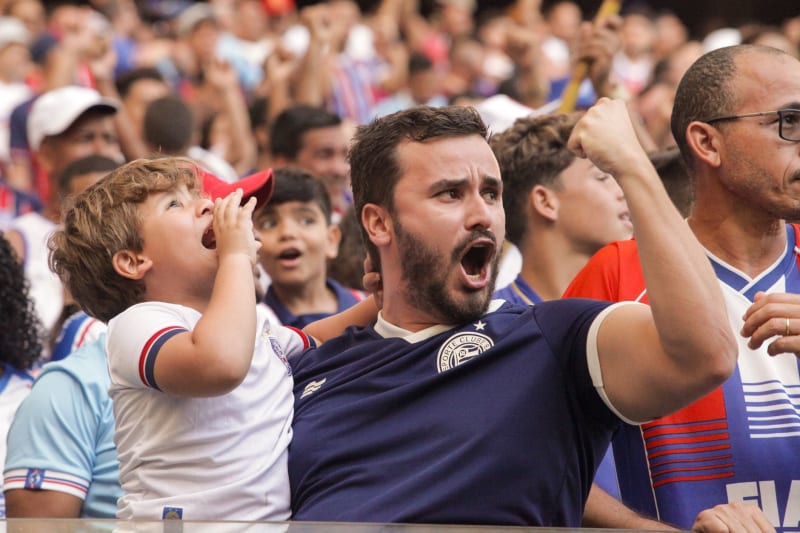
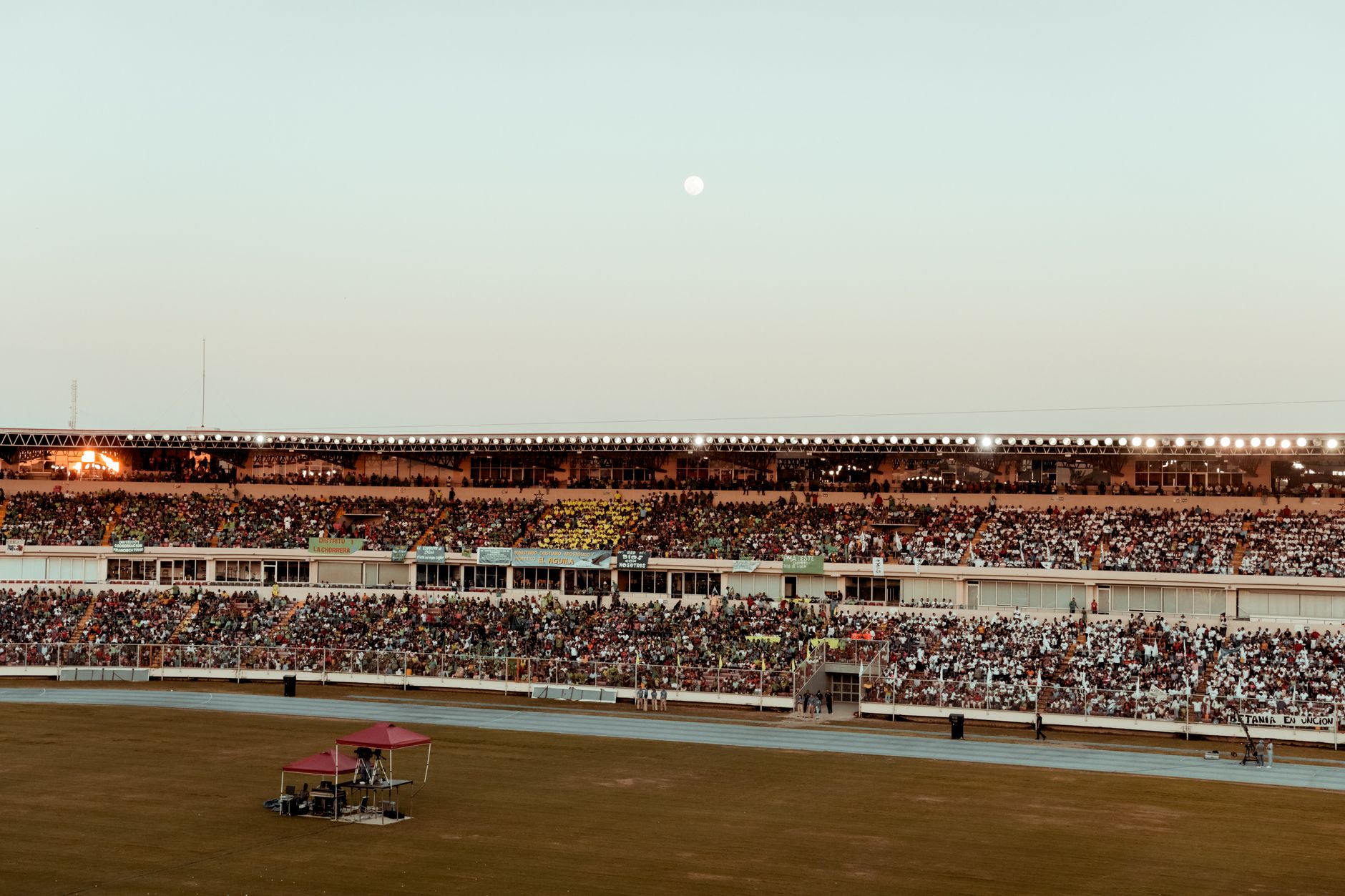
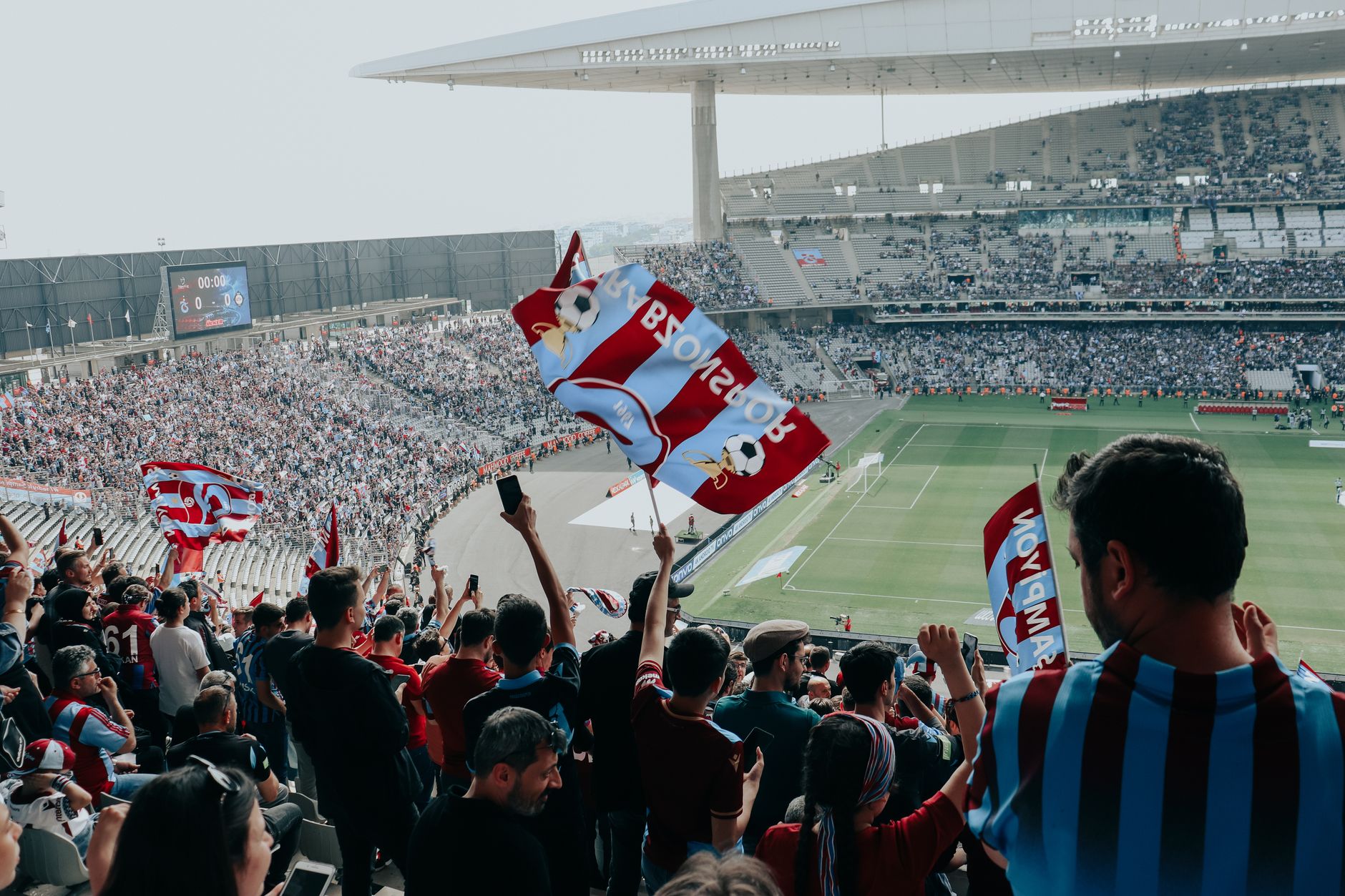
The atmosphere inside the stadium was an absolute pressure cooker, with passionate fans from both nations creating an deafening wall of sound that echoed throughout the arena. Swiss supporters, who traveled in thousands to witness this historic match, expressed pure elation and relief as the final whistle blew, confirming their team's advancement. Many fans spoke of the immense pride they felt watching their team execute such a disciplined performance under intense international pressure.
In contrast, the Algerian supporters were left in a state of quiet disbelief and profound disappointment, with many openly questioning the tactical decisions made by their manager. Fans gathered outside the stadium voiced their frustration over what they perceived as a lack of attacking intent and a failure to fight for the national colors on the world's biggest sporting stage. The sense of heartbreak was palpable, as this tournament represented a golden opportunity for a highly talented generation of Algerian footballers.
Neutral observers and football journalists praised the match as a masterclass in modern tournament football, highlighting the contrast between Swiss discipline and Algerian individual flair. Experts noted that while Algeria possessed individual brilliance, Switzerland's collective cohesion and adherence to a clear tactical plan were the ultimate deciding factors. This sentiment was echoed by several former players who commented that team chemistry will always triumph over individual talent in high-stakes matches.
The Debate
This decisive result has ignited a fierce debate among football pundits regarding the long-term viability of Switzerland's conservative, defensive-first tactical approach in the knockout rounds. Critics argue that while a highly disciplined defensive structure is sufficient to defeat teams like Algeria, it may prove inadequate against elite offensive powerhouses. They contend that Switzerland must develop a more potent and dynamic attacking threat if they hope to progress deep into the tournament and challenge for the trophy.
On the other side of the debate, proponents of the Swiss style argue that defensive solidity is the absolute foundation of any successful tournament run in modern football. They point to historical precedents where defensively organized teams have successfully neutralized highly favored opponents to win major championships. According to this perspective, Switzerland's ability to control the tempo of the game and minimize defensive errors makes them an incredibly dangerous opponent for any team.
Meanwhile, the post-mortem of Algeria's campaign has sparked intense discussions about the need for a complete overhaul of their national football infrastructure and coaching philosophy. Many analysts believe that the current squad has reached its ceiling and that fresh tactical ideas are urgently needed to revitalize the national team. The debate over whether to retain the current manager or seek international expertise is expected to dominate sports headlines in Algeria for months.
Your Questions Answered
What Accountability Looks Like
In the wake of this disappointing exit, the Algerian football federation must face difficult questions regarding their preparation and tactical direction for this tournament. Fans and stakeholders are demanding a transparent assessment of why the team failed to perform when it mattered most, especially given the talent available. Accountability in this context means acknowledging tactical shortcomings and making the necessary structural changes to prevent similar failures in the future.
For Switzerland, the focus must now turn to maintaining this high standard of performance as the tournament transitions into the unforgiving knockout phase. The coaching staff and players must remain grounded, recognizing that their previous success guarantees nothing in the matches ahead. True accountability for the Swiss team involves analyzing their own minor errors from the Algeria match and refining their strategies to face even stronger opposition.
Ultimately, both nations find themselves at critical turning points that will shape the future of their respective football programs for years to come. Switzerland has the opportunity to build on this momentum and prove they belong among the world's elite footballing nations. Meanwhile, Algeria must use this painful setback as a catalyst for meaningful reform, ensuring that their passionate fanbase has reason to hope for future success.





Comments
No comments yet. Be the first to comment!