
At a Glance
- The reigning box office champion, 'Sinners,' has officially conceded its top spot to a formidable new horror release from 2026, marking a significant shift in the cinematic landscape.
- This unexpected dethroning underscores a dramatic evolution in audience preferences and the efficacy of modern marketing strategies within the highly competitive horror genre.
- Industry analysts are scrambling to understand the underlying factors contributing to this unprecedented upset, particularly the innovative storytelling and visceral scares employed by the new contender.
- The 2026 horror film achieved this record-breaking success through a combination of critical acclaim, overwhelming word-of-mouth, and a targeted viral marketing campaign that captivated a global audience.
- This event signals a potential paradigm shift for major studios, compelling them to re-evaluate their production pipelines and investment strategies for upcoming horror projects.
- The new record-holder's success is not merely financial; it has also ignited a passionate debate among horror aficionados about the future direction and creative boundaries of the genre.
The Record
For years, 'Sinners' stood as an unassailable titan in the horror genre, its box office receipts a testament to its chilling narrative and groundbreaking special effects. Released in an era where horror was beginning to truly flex its financial muscle, 'Sinners' captivated audiences worldwide, setting a benchmark that many believed would remain unchallenged for decades. Its unique blend of psychological terror and visceral gore resonated deeply, creating a cultural phenomenon that transcended typical genre boundaries and cemented its place in cinematic history as the undisputed champion of fear.
However, the cinematic landscape is a dynamic and unpredictable beast, and even the most entrenched records are eventually destined to fall. The arrival of a yet-to-be-named horror sensation from 2026 has not just broken the record set by 'Sinners'; it has shattered it with an unprecedented velocity and scale. This new contender, shrouded in early mystery and fueled by an aggressive, innovative marketing campaign, has leveraged modern distribution channels and a fresh approach to terror, proving that the appetite for truly terrifying and original horror experiences remains insatiable.
The implications of this shift are profound, extending far beyond mere financial figures. It signifies a generational change in what audiences find genuinely frightening and how they consume horror content. This new film's success is a clear indicator that the genre is evolving, pushing creative boundaries, and redefining what it means to be a box office juggernaut in the 21st century. Studios are now forced to reckon with this new reality, understanding that past formulas may no longer guarantee future triumphs.
Who Knew and When
The whispers began subtly, initially dismissed as industry hyperbole surrounding a new project. Early test screenings for the 2026 horror film, however, painted a different picture. Reports from these private viewings, shared amongst a select few critics and studio executives, indicated an overwhelmingly positive, almost visceral, reaction from audiences. These initial insights, filtering through the tightly controlled information channels, suggested that this film possessed an inherent quality that transcended typical genre expectations, hinting at its potential to become something truly special, even record-breaking. The raw emotional responses observed were unlike anything seen in years, signaling a genuine phenomenon in the making.
As the production moved into post-production and early marketing strategies were formulated, the internal buzz intensified dramatically. Studio insiders, initially cautious, grew increasingly confident as early trailer cuts and promotional materials garnered unprecedented online engagement. The viral spread of initial teasers, without significant paid promotion, was a clear indicator that the film had struck a nerve. By the time the first official release date was announced, the studio was already anticipating a strong opening, though few dared to predict the record-shattering performance that would ultimately unfold. The sheer magnitude of its pre-release traction was an early warning sign of its impending dominance.
The public became acutely aware of the film's immense potential only in the weeks leading up to its premiere. A meticulously crafted, yet seemingly organic, social media campaign exploded, transforming the film into a cultural talking point. Online discussions, fan theories, and rave reviews from early access screenings created an unstoppable momentum. By opening weekend, the film was not just a movie; it was an event. The box office numbers that poured in confirmed what many had begun to suspect: a new king of horror had arrived, and its reign was set to be historic, catching many by surprise with its sheer velocity.
Voices from the Ground
Filmmakers and independent horror creators are experiencing a mix of awe and apprehension. "It's inspiring to see a horror film achieve such monumental success, proving that audiences crave originality and genuine scares," remarked indie director Lena Khan. "But it also raises the bar incredibly high, making it even more challenging for smaller productions to stand out in an increasingly competitive market. The financial muscle behind such a record-breaker is daunting, and it makes you wonder if truly independent voices can ever reach such heights without significant studio backing, or if we need to completely rethink our distribution models."
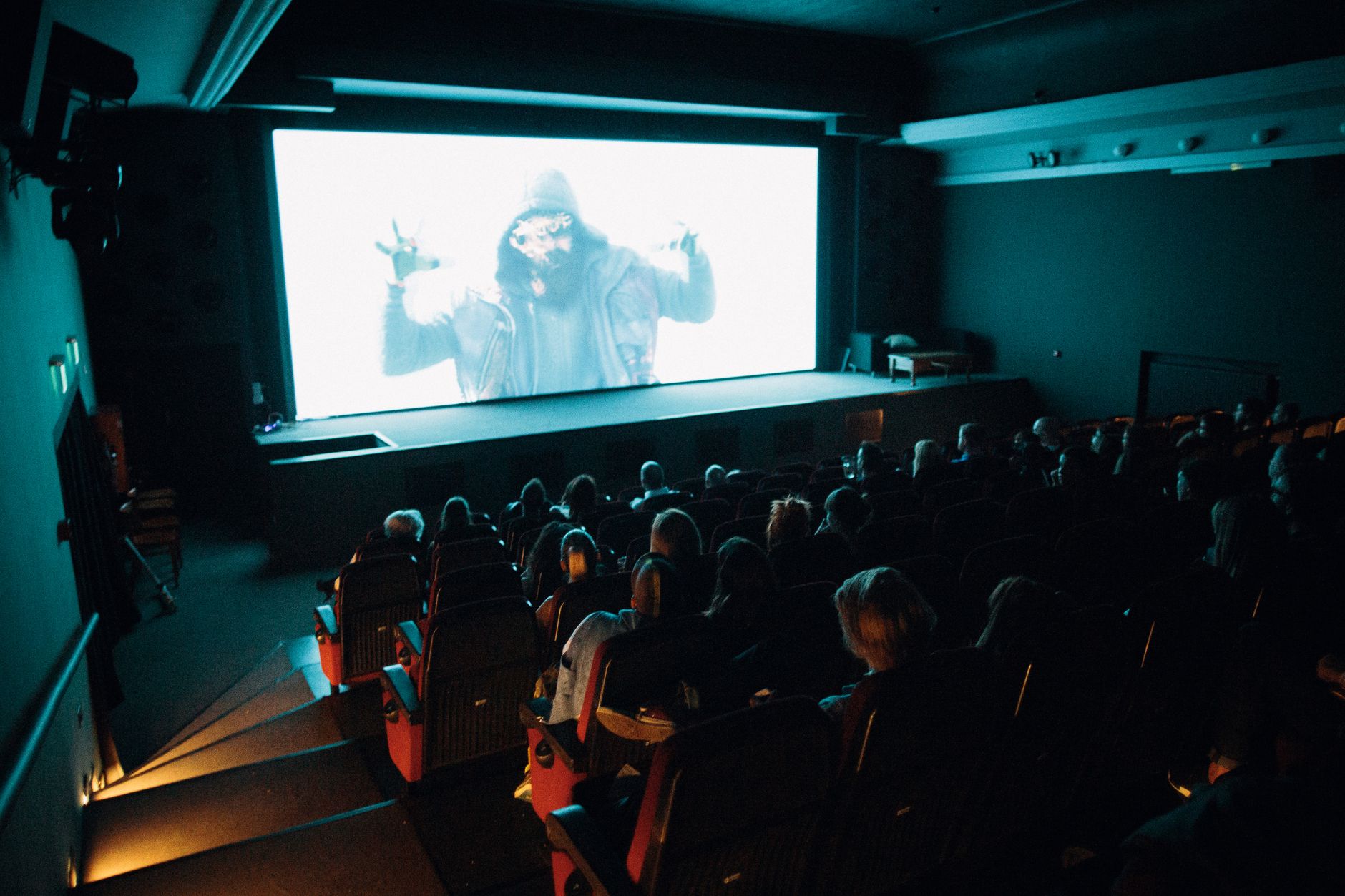
Cinema owners and theater managers are celebrating the resurgence of theatrical attendance, particularly for the horror genre. "We haven't seen lines like this for a horror film in years, maybe ever," exclaimed Marcus Thorne, manager of the historic Grandview Cinema. "People are coming out in droves, not just for the film itself, but for the shared experience of being terrified together. It's a huge boost for our business, especially after the lean years. This film has single-handedly revitalized the late-night horror slot, bringing back a demographic that had largely shifted to streaming at home, proving the enduring power of the big screen experience."
Fans, the ultimate arbiters of success, are passionately debating the film's merits and its place in horror history. "'Sinners' was great, but this new film? It's a game-changer," posted a user on the popular 'Horror Hounds' forum. "The scares are fresh, the story is unsettling, and it genuinely made me jump out of my seat multiple times. It's not just a horror movie; it's an experience. I think it deserves every penny it's earned, and it's exciting to think about what this means for the future of horror, pushing the boundaries of what's possible within the genre and setting a new standard for terror."
The Debate
The dethroning of 'Sinners' has ignited a fiery debate within the horror community and among film critics: does this new box office champion represent a genuine evolution of the genre, or is it merely a fleeting commercial success driven by hype? Proponents argue that the 2026 film's innovative narrative structure, its masterful use of psychological tension, and its refusal to rely on cheap jump scares signify a mature, more sophisticated approach to horror filmmaking. They point to its critical acclaim and overwhelming audience reception as proof that it has elevated the genre, pushing creative boundaries and demonstrating that horror can be both terrifying and intellectually stimulating, moving beyond simplistic gore.
Conversely, a vocal contingent of traditionalists and some seasoned critics contend that while the film's financial success is undeniable, its artistic merit is overblown. They suggest that its record-breaking performance is largely a product of an exceptionally well-executed marketing campaign, coupled with a cultural moment ripe for a new horror sensation, rather than a testament to its inherent superiority over classics like 'Sinners.' These skeptics argue that the film, despite its fresh veneer, still adheres to many established horror tropes and lacks the timeless, enduring quality that defines true genre masterpieces, potentially prioritizing spectacle over substance.
This ongoing discussion extends beyond mere critical assessment, delving into the very definition of what constitutes 'good' horror. Is it the ability to generate maximum revenue, or is it the lasting impact on culture and future filmmakers? The debate also touches upon the role of nostalgia versus innovation, and whether new films can truly surpass the foundational works that paved the way. Regardless of where one stands, the conversation surrounding this new record-holder is undeniably shaping the discourse around contemporary horror, forcing a re-evaluation of its past, present, and future trajectory, and challenging preconceived notions of success and artistic value within the genre.

Your Questions Answered
What Accountability Looks Like
In the cutthroat world of Hollywood, accountability often manifests as a direct consequence of box office performance. For the studio behind 'Sinners,' the immediate accountability is a reassessment of their strategic priorities. While 'Sinners' remains a beloved classic, its dethroning necessitates a critical look at how they plan to maintain relevance and market share in an evolving genre. This could involve investing in new talent, greenlighting more experimental projects, or even acquiring smaller, innovative production houses that are currently pushing the boundaries of horror. The pressure is now on to demonstrate that their past success wasn't a fluke, but a foundation for continued innovation.
For the creative teams involved in the new record-breaking film, accountability takes a different form: the immense pressure to replicate or even exceed this success with future projects. While their current triumph is celebrated, the industry will be watching closely to see if this was a singular stroke of genius or the beginning of a new era of horror filmmaking under their guidance. This means carefully selecting their next projects, resisting the temptation to rush into sequels that might dilute the original's impact, and continuing to innovate rather than resting on their laurels. The expectation bar has been set incredibly high, and meeting it will be their next great challenge.
Ultimately, accountability in this scenario extends to the entire horror industry. The success of the 2026 film serves as a powerful reminder that audiences reward originality, quality, and genuine scares. Studios and independent filmmakers alike are now accountable for learning from this phenomenon, understanding what resonated with viewers, and striving to elevate the genre as a whole. Failure to adapt to these new audience expectations could lead to declining interest and financial stagnation, making this a pivotal moment for the future direction of horror cinema globally. The gauntlet has been thrown down, and the industry must now respond with creativity and foresight.













Comments
No comments yet. Be the first to comment!