
Policy Snapshot
- Dwayne Johnson has officially confirmed that Moana 3 is already in active development at Disney, signaling an incredibly aggressive production timeline for the animated franchise.
- The announcement comes even before Moana 2 has completed its full theatrical run, demonstrating Disney's immense confidence in the enduring power of the intellectual property.
- This rapid-fire development strategy marks a major shift for Disney Animation, which traditionally waits several years between theatrical sequels to assess long-term home market performance.
- The live-action adaptation of the original Moana film is also moving forward simultaneously, creating a highly complex, multi-format release schedule for the franchise.
- Auli'i Cravalho and Dwayne Johnson are both expected to remain central to the franchise's future, ensuring continuity of voice talent that fans have grown to love.
- Industry analysts suggest this aggressive expansion is designed to secure Disney's dominant position in family entertainment as streaming and theatrical competition intensifies globally.
The Policy History
The journey of the Moana franchise represents one of the most fascinating evolutions in modern Disney history. When the original film debuted in 2016, it was a critical and commercial triumph, but its true power was realized in the streaming era. Over the late 2010s and early 2020s, Moana consistently ranked as one of the most-streamed movies across all platforms globally, racking up billions of viewing minutes on Disney+. This unprecedented, sustained home-viewing popularity convinced Disney executives that the property was not just a successful film, but a foundational pillar of the company's modern portfolio.
Initially, Disney planned to expand the universe through a high-budget spin-off television series destined directly for Disney+. However, as the studio re-evaluated its streaming-first strategy and sought to revitalize its theatrical box office output, the decision was made to re-engineer the television project into a full-fledged theatrical sequel, which became Moana 2. This pivot highlighted a broader corporate shift back toward traditional theatrical windows as the primary engine for generating long-term franchise value and cultural relevance.
Now, with Moana 3 officially entering the pipeline before the dust has even settled on the second film, Disney is charting completely uncharted waters. Never before has the studio greenlit and announced a third animated installment in such rapid succession. This bold strategy reflects a highly competitive theatrical landscape where established, beloved intellectual properties are the safest bets for securing massive global audiences and driving merchandise, theme park, and streaming ecosystems.
Who Is Affected
The primary beneficiaries of this rapid development are global audiences and dedicated Disney fans who will not have to wait another eight years for their next trip to the Pacific islands. By shortening the production cycle, Disney is attempting to keep the franchise fresh in the cultural conversation, ensuring that younger viewers who fall in love with Moana 2 will transition seamlessly into the third chapter while still within the target demographic. This continuous cycle of content keeps consumer engagement at an all-time high.
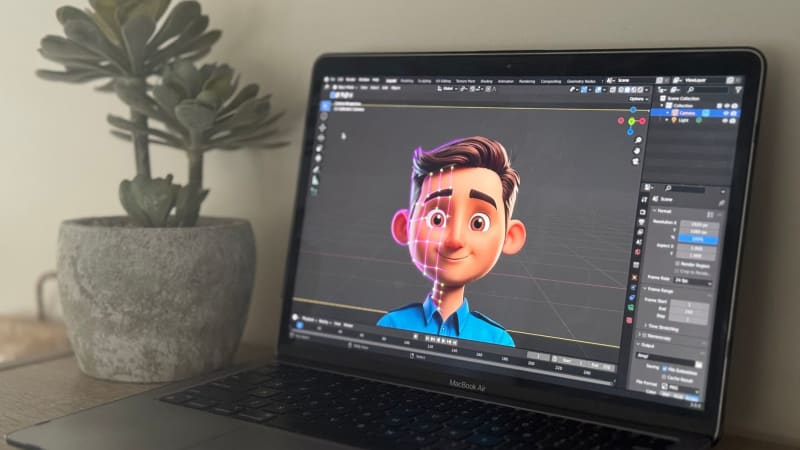
For the creative teams at Walt Disney Animation Studios, this announcement introduces an intense level of pressure and operational strain. Animators, writers, and directors are being asked to deliver world-class visual storytelling on a highly compressed schedule. Maintaining the high artistic standards of the original film while meeting strict corporate release deadlines is a monumental challenge that will test the limits of Disney's production pipeline and could risk creative burnout among the rank-and-file staff.
Additionally, Disney's shareholders and retail partners are heavily impacted by this news. A guaranteed theatrical pipeline for Moana means a steady stream of highly lucrative merchandising opportunities, soundtrack releases, and theme park integration possibilities. For toy manufacturers, apparel brands, and international distributors, a confirmed Moana 3 provides long-term financial predictability and a reliable anchor for their marketing budgets over the next several fiscal years.
The Case For
Proponents of Disney's aggressive franchise expansion argue that striking while the iron is hot is the smartest business move the studio can make. In an era where building new intellectual property is incredibly risky and expensive, doubling down on a proven winner like Moana makes perfect financial sense. The character of Moana has achieved a rare level of universal adoration, and there is clearly an insatiable appetite for more stories set in this rich, culturally vibrant mythological world.
Furthermore, fast-tracking Moana 3 allows Disney to maintain a tight grip on the cultural zeitgeist. By releasing sequels in close proximity, the studio prevents the brand from fading from the public consciousness, making marketing campaigns far more efficient and impactful. The shared momentum from Moana 2 will directly feed into the anticipation for the third film, creating a self-sustaining promotional cycle that maximizes box office potential and streaming engagement simultaneously.
From a narrative perspective, a planned trilogy allows the writers to craft a more cohesive, expansive, and deeply satisfying overarching story arc for Moana and Maui. Rather than treating each sequel as an afterthought, knowing that Moana 3 is on the horizon enables the creative team to plant narrative seeds and develop complex character journeys that can pay off beautifully over multiple films, elevating the artistic merit of the franchise as a whole.
The Case Against
Critics and purists express deep concern that Disney is prioritizing short-term corporate profits over artistic integrity. By rushing Moana 3 into production so quickly, there is a very real danger of franchise fatigue setting in among audiences. When a beloved property is overexposed, the sense of magic and novelty that made the original so special can quickly evaporate, turning a revered cinematic event into just another piece of assembly-line corporate content.
There are also serious concerns regarding the quality of the storytelling under such compressed timelines. Great animation takes time; it requires years of iterative writing, storyboarding, and visual experimentation to achieve the level of perfection Disney is famous for. Forcing a creative team to rush through these vital developmental phases increases the risk of a subpar script, uninspired musical numbers, and rushed animation that could permanently tarnish the legacy of the franchise.
Finally, this aggressive sequel strategy highlights Disney's growing reluctance to invest in original, risk-taking ideas. By funneling vast resources into Moana 3, the live-action Moana, and other established franchises, the studio may be starving original, visionary projects of the funding and attention they need to succeed. This reliance on safe sequels could ultimately lead to creative stagnation, leaving the studio vulnerable if audiences eventually tire of the same familiar characters.
Policy Questions Answered
Implementation Watch
As Disney moves forward with this ambitious plan, industry observers will be watching several key indicators to judge the health of the franchise. The first major test will be the final box office tally and audience reception of Moana 2. If the second film meets or exceeds expectations, it will validate Disney's rapid-fire development strategy and pave a smooth path for Moana 3. However, any signs of audience fatigue or critical backlash will force executives to re-evaluate their timeline.
Another critical factor to watch is the production progress of the live-action Moana movie starring Dwayne Johnson, set for release in 2026. Managing an animated sequel pipeline alongside a massive live-action production of the exact same intellectual property is an unprecedented logistical challenge. Disney must carefully manage its marketing and release schedules to ensure the two versions of the franchise do not cannibalize each other's audiences or cause brand confusion.
Ultimately, the success of Moana 3 will depend on the creative team's ability to deliver a story that feels necessary, fresh, and emotionally resonant. If they can capture the same sense of adventure, cultural respect, and musical magic that defined the original, Disney will have successfully solidified Moana as one of the premier entertainment franchises of the 21st century, securing its financial and cultural legacy for decades to come.



Comments
No comments yet. Be the first to comment!