

Key Takeaways
- A potential conflict with Iran could trigger a significant economic downturn, primarily driven by soaring energy prices and disrupted global supply chains, impacting American households directly.
- Analysts project that a full-scale war could add an average of $1000 to the annual expenses of every American household, stemming from higher fuel, food, and goods costs.
- The Strait of Hormuz, a critical chokepoint for global oil shipments, is central to these economic fears; any disruption here would send crude oil prices skyrocketing worldwide.
- Geopolitical instability in the Middle East consistently translates into market volatility, and a direct confrontation with Iran would undoubtedly exacerbate existing inflationary pressures.
- Beyond immediate price hikes, a prolonged conflict could lead to broader economic stagnation, increased national debt, and a significant diversion of resources from domestic priorities.
- Policymakers are grappling with strategies to mitigate these potential economic shocks, including strategic oil reserves and diplomatic efforts, though options remain limited given the scale of the threat.
Background
The relationship between the United States and Iran has been fraught with tension for decades, marked by periods of diplomatic engagement interspersed with severe sanctions and proxy conflicts. This intricate geopolitical dance has consistently kept global markets on edge, particularly concerning energy supplies. The current escalation of rhetoric and military posturing, however, suggests a heightened risk of direct confrontation, a scenario that economists and policymakers are now urgently modeling for its potential impact on the global economy. Understanding the historical context of these strained relations is crucial to grasping the gravity of the present situation and the potential for a rapid deterioration.
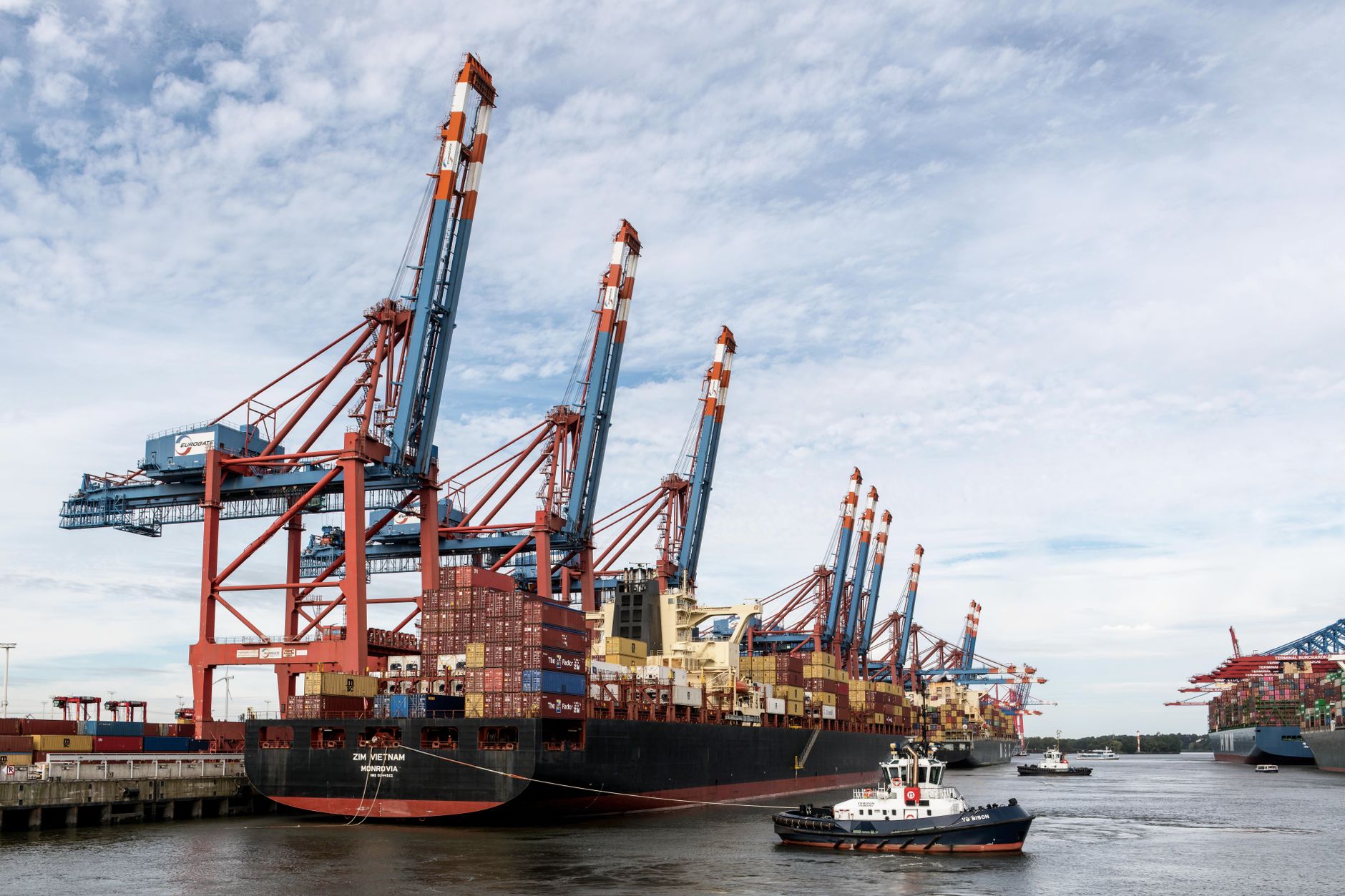
At the heart of many economic concerns lies Iran's strategic geographic position and its control over vital maritime routes. Specifically, the Strait of Hormuz, a narrow waterway connecting the Persian Gulf to the open ocean, is a critical chokepoint through which a significant portion of the world's oil supply passes daily. Any threat to this strait, whether through direct military action or naval blockades, immediately sends shockwaves through international oil markets. Past incidents, even minor ones, have demonstrated the immediate and dramatic effect on crude oil prices, underscoring the vulnerability of global energy infrastructure to regional instability.
The potential for conflict is not merely an abstract geopolitical concern; it carries tangible economic consequences that ripple far beyond the immediate region. The interconnectedness of the global economy means that disruptions in one critical area can quickly manifest as increased costs and decreased stability worldwide. For American households, this translates into higher prices at the pump, increased costs for consumer goods due to elevated shipping and manufacturing expenses, and a general erosion of purchasing power. The looming threat of a war with Iran is thus a direct challenge to economic stability and the financial well-being of ordinary citizens.
Why It Matters
The specter of a military conflict with Iran is not just another geopolitical headline; it represents a profound threat to the economic stability of the United States and, by extension, the financial security of every American household. The projected $1000 increase in annual household expenses is not a mere statistical anomaly but a tangible burden that would impact budgets already stretched thin by persistent inflation. This figure encapsulates the cumulative effect of rising energy costs, disrupted supply chains, and the broader economic uncertainty that a war would inevitably unleash, making it a critical concern for policymakers and citizens alike.
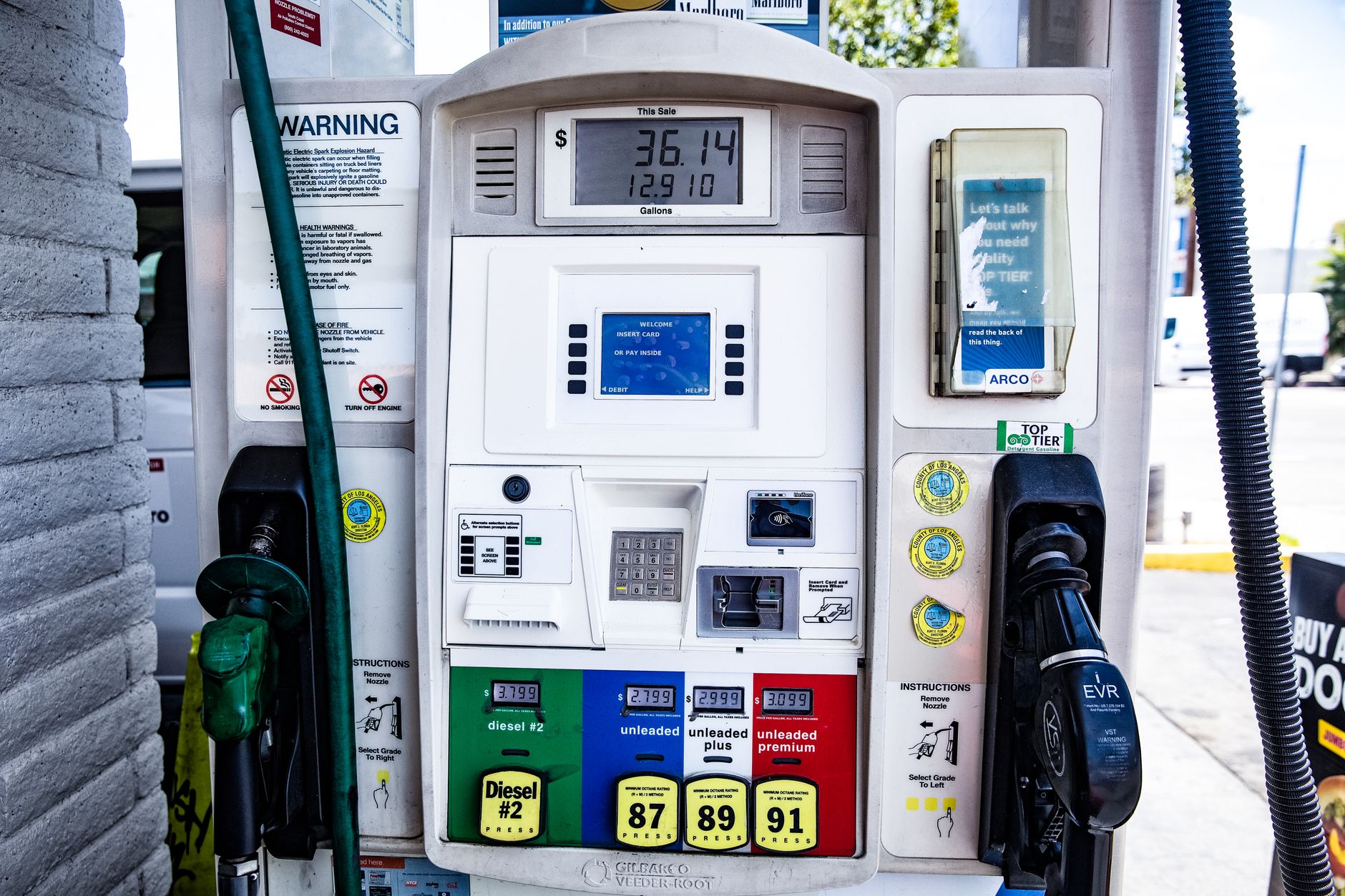
The primary driver of this economic pressure would be a dramatic surge in crude oil prices. Iran's capacity to disrupt oil shipments through the Strait of Hormuz, coupled with potential damage to regional oil infrastructure, could send global oil benchmarks soaring far beyond current levels. Higher oil prices directly translate into increased costs for gasoline, diesel, and jet fuel, impacting commuters, transportation companies, and airlines. These elevated fuel costs then cascade through the entire economy, raising prices for everything from food, which relies heavily on transportation, to manufactured goods, which require energy-intensive production processes.
Beyond the immediate inflationary shock, a prolonged conflict could trigger a broader economic slowdown or even a recession. Investor confidence would likely plummet, leading to market volatility and reduced investment. Businesses, facing higher operational costs and uncertain consumer demand, might scale back expansion plans or even lay off workers. Furthermore, the immense financial cost of military engagement would add significantly to the national debt, potentially crowding out domestic spending on vital programs. The ripple effects of such a conflict would be pervasive, touching every facet of the American economy and demanding careful consideration of all potential outcomes.
Ground Reality
The current ground reality in the Middle East is characterized by a dangerous confluence of factors that amplify the risk of conflict. Proxy skirmishes, cyberattacks, and naval incidents have become increasingly frequent, demonstrating a pattern of escalating tensions that could easily spiral out of control. Each incident, no matter how localized, carries the potential to ignite a broader confrontation, especially given the presence of major global powers and their strategic interests in the region. This volatile environment means that the margin for error is incredibly thin, and miscalculation by any party could have catastrophic consequences.
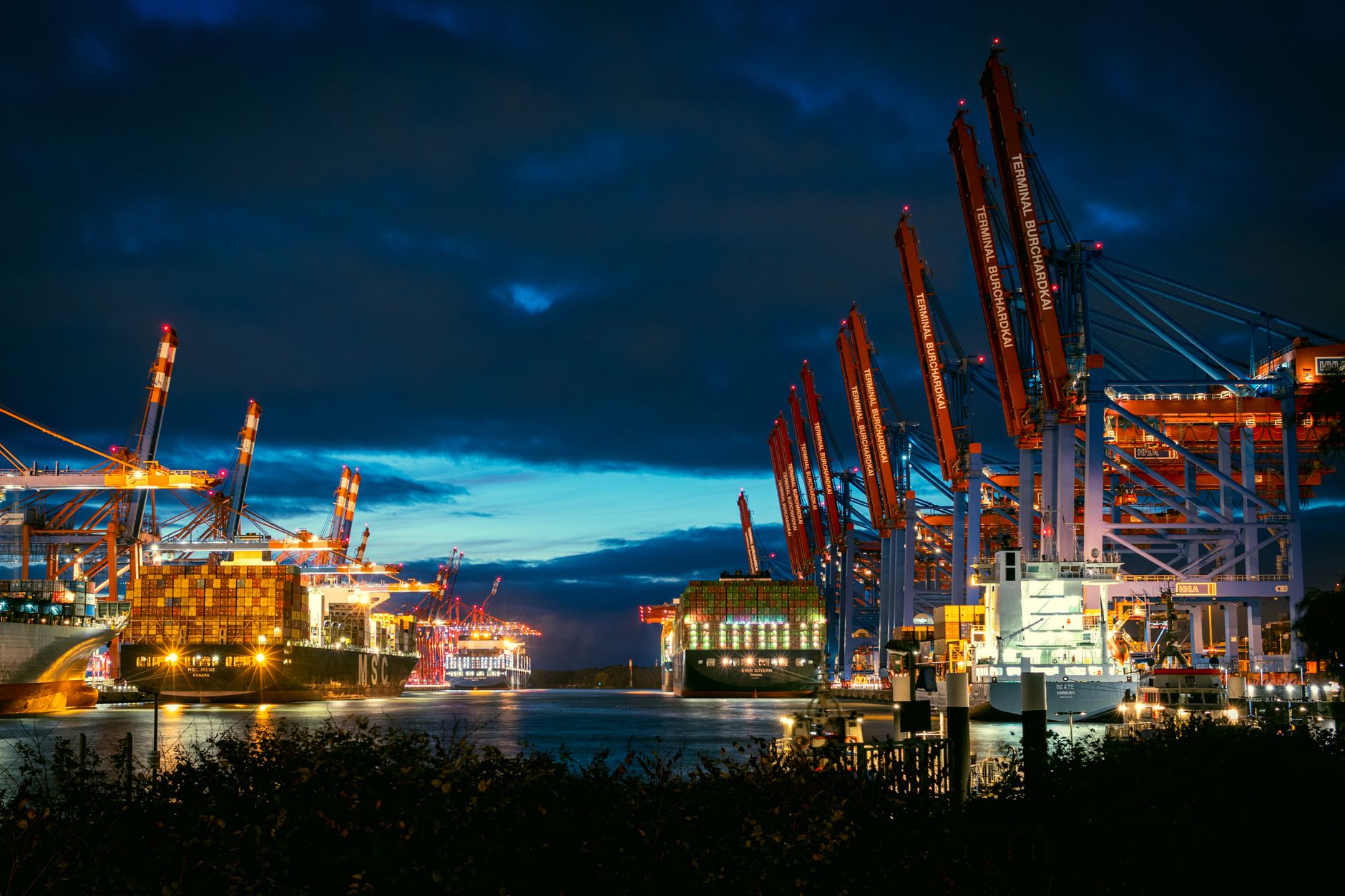
The economic impact of this instability is already being felt, even without a full-scale war. Insurance premiums for shipping through key waterways are rising, reflecting the increased risk for maritime trade. Energy markets remain hypersensitive to any news from the region, leading to unpredictable price fluctuations that complicate business planning and consumer budgeting. Furthermore, the constant threat of disruption forces nations and corporations to invest in contingency plans, diverting resources that could otherwise be used for productive economic growth. This state of perpetual tension exacts a hidden cost on the global economy, even before a shot is fired in a major conflict.
For American households, the ground reality translates into a pervasive sense of economic vulnerability. While the $1000 figure is an average, its impact would be disproportionately felt by lower-income families who allocate a larger percentage of their budgets to essential goods like fuel and food. The erosion of purchasing power, coupled with the psychological burden of uncertainty, could lead to reduced consumer spending, further dampening economic activity. This highlights the urgent need for robust economic preparedness and diplomatic solutions to de-escalate tensions, as the financial well-being of millions hangs in the balance.
What Experts Are Saying
Economists and geopolitical analysts are largely in agreement that a direct military confrontation with Iran would unleash an unprecedented wave of economic instability. Dr. Sarah Jenkins, a senior fellow at the Council on Foreign Relations, emphasizes, "The Strait of Hormuz is not just a shipping lane; it's the jugular vein of the global oil market. Any significant disruption there would not just spike oil prices, but fundamentally reconfigure supply chains, leading to widespread inflationary pressures that would be incredibly difficult to contain." Her analysis underscores the systemic vulnerability of the global economy to disruptions in this critical region, highlighting that the impact would extend far beyond mere energy costs.
Energy market specialists like John Peterson from the Eurasia Group point to the potential for crude oil to surge well past $150 per barrel in the event of a full-scale conflict. "We're not just talking about a temporary spike; we're talking about a sustained period of elevated prices that would cripple industries reliant on cheap energy," Peterson warns. He further elaborates that the immediate supply shock would be compounded by speculative trading and a deep-seated fear among investors, creating a perfect storm for price escalation. This scenario would have a devastating effect on consumer purchasing power and corporate profitability across numerous sectors.
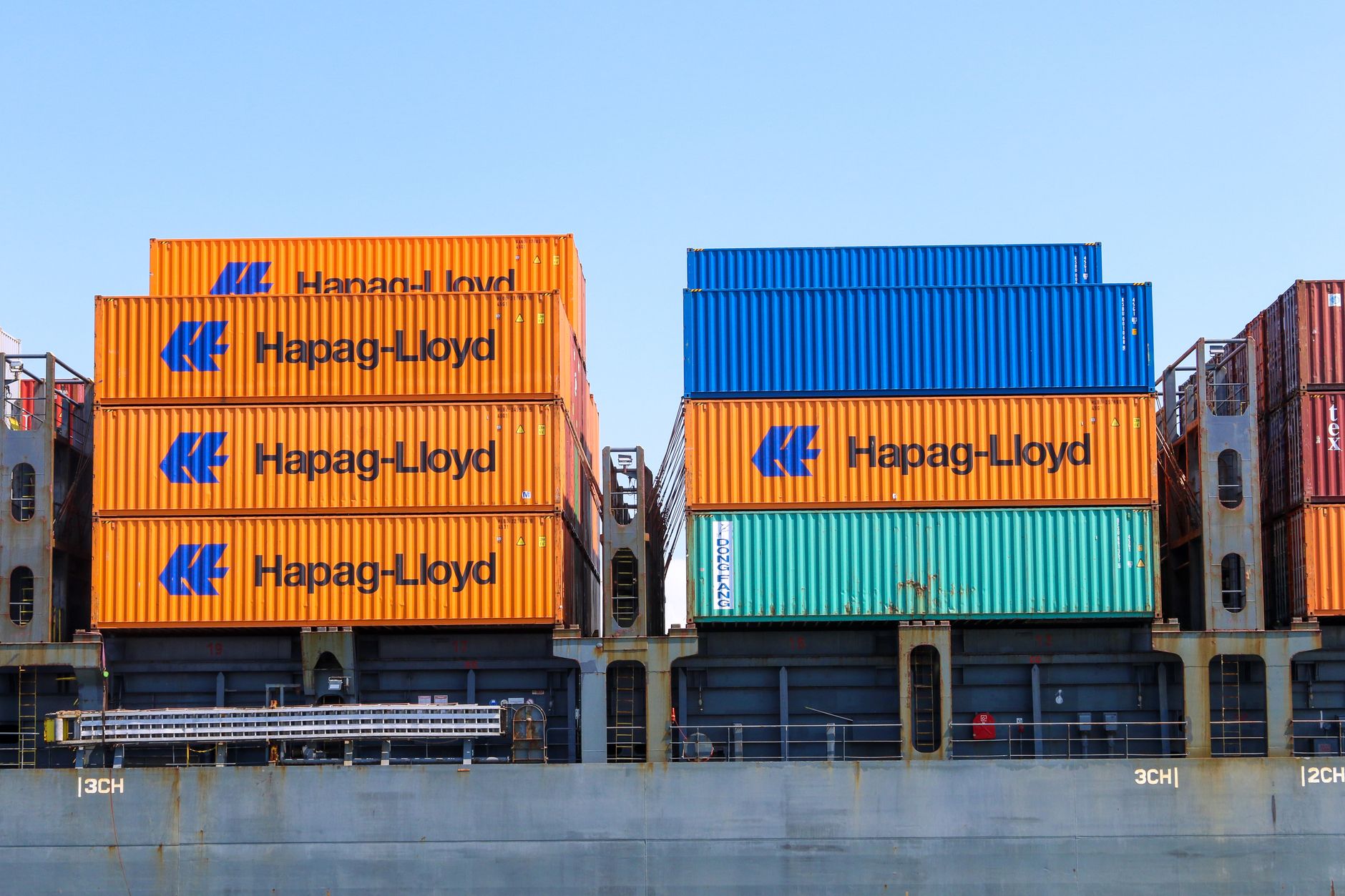
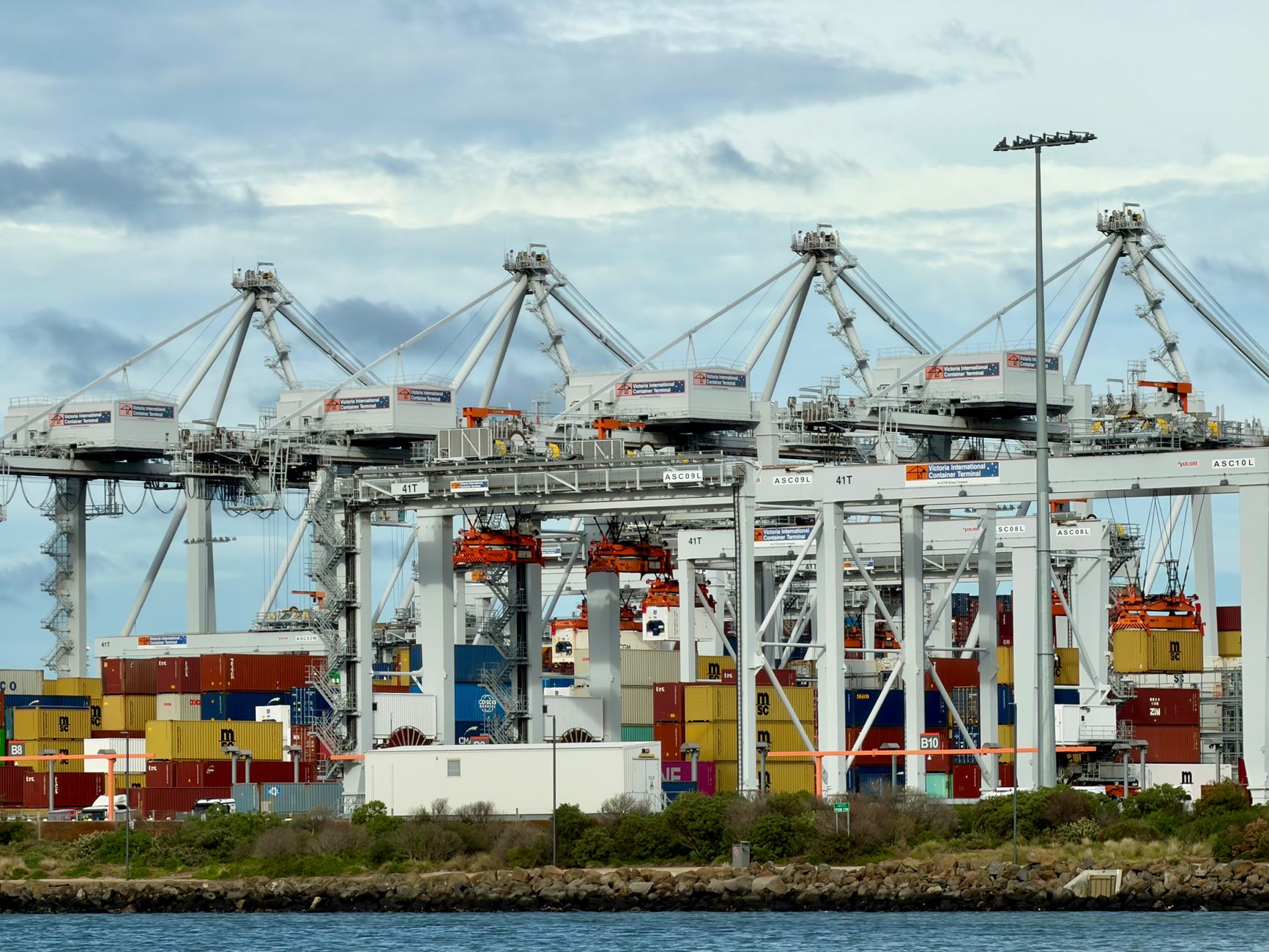
Beyond energy, supply chain experts are sounding alarms about broader economic fallout. Dr. Emily Chen, a professor of international trade at MIT, notes, "A conflict in the Middle East would disrupt not only oil but also critical shipping routes for a vast array of goods. The ripple effect on manufacturing, agriculture, and retail would be immense, leading to shortages, delays, and ultimately, higher prices for consumers. The estimated $1000 impact per household is likely a conservative figure when considering the full spectrum of potential supply chain disruptions and their compounding effects on inflation." These expert opinions collectively paint a grim picture of the economic landscape should tensions with Iran escalate into open warfare.

Frequently Asked Questions
What Happens Next
The immediate future hinges precariously on diplomatic efforts and the restraint of all parties involved. A critical watch point will be the ongoing negotiations and back-channel communications aimed at de-escalating the current tensions. Any misstep or provocative action from either side could rapidly accelerate the trajectory towards conflict, making the next few weeks and months particularly fraught. The international community, including major economic powers, is intensely focused on preventing a full-scale war, understanding the devastating global implications it would unleash.
Economically, markets will remain highly sensitive to every development in the Middle East. Oil prices, in particular, will serve as a barometer of the perceived risk, with any signs of escalation likely to trigger immediate surges. Businesses and consumers should prepare for continued volatility and the potential for rapid price changes in energy and other essential goods. Governments, meanwhile, will be evaluating their strategic reserves and contingency plans, though the efficacy of such measures in a widespread conflict remains a significant concern.
Looking further ahead, even if direct conflict is avoided, the heightened state of alert and the ongoing geopolitical friction will likely lead to a sustained period of elevated risk premiums in global markets. This means that the 'new normal' could include higher energy prices and more fragile supply chains, even without open warfare. The long-term implications for global trade, investment, and economic growth will depend heavily on the ability of international diplomacy to forge a path towards lasting stability, a task that appears increasingly challenging given the entrenched positions of the key players.










Comments
No comments yet. Be the first to comment!