

Key Takeaways
- The United States and China are currently engaged in critical discussions aimed at significantly rolling back tariffs on a range of agricultural products, signaling a potential de-escalation in trade tensions.
- These ongoing negotiations represent a crucial effort to stabilize global food supply chains, which have been severely impacted by previous trade disputes and recent geopolitical events, ensuring more predictable access to essential commodities.
- A successful agreement on tariff reductions could provide substantial economic relief for farmers in both nations, enabling them to access larger markets and reduce the financial burdens associated with international trade barriers.
- The proposed tariff rollbacks are anticipated to foster increased bilateral trade in agricultural goods, potentially leading to lower consumer prices and a wider variety of products available in both the U.S. and Chinese markets.
- While the potential benefits are significant, the path to a comprehensive agreement remains complex, fraught with political sensitivities and the need to balance domestic economic interests with international trade objectives.
- Observers are closely watching these talks, recognizing that their outcome will not only influence agricultural sectors but also set a precedent for future trade relations between the world's two largest economies.
Background
The trade relationship between the United States and China has been characterized by periods of intense cooperation and significant friction, particularly over the past decade. A pivotal moment arrived in 2018 when the U.S. initiated a series of tariffs on Chinese imports, citing unfair trade practices and intellectual property theft. China swiftly retaliated with its own tariffs on American goods, including a substantial portion of agricultural products, which severely impacted American farmers who had long relied on the Chinese market. This tit-for-tat escalation created immense uncertainty and financial strain across various sectors, leading to calls for de-escalation from industries on both sides of the Pacific.
The agricultural sector, in particular, bore the brunt of these trade hostilities. American soybeans, pork, and corn, once staples in Chinese imports, faced prohibitive tariffs, forcing U.S. farmers to seek alternative markets or face significant losses. Simultaneously, Chinese consumers and industries experienced higher costs for these essential commodities. The economic repercussions were not confined to the two superpowers; global supply chains were disrupted, and international commodity prices became volatile, affecting farmers and consumers worldwide. This period underscored the interconnectedness of global agriculture and the profound impact of trade policy on livelihoods.
Against this backdrop, the current discussions to roll back tariffs represent a critical juncture. Both nations appear to recognize the mutual benefits of a more stable and predictable trade environment, especially in the agricultural domain. The impetus for these talks stems from a combination of domestic economic pressures, the need to address global food security concerns, and a desire to stabilize broader bilateral relations. While the specific details of the proposed rollbacks remain under negotiation, the very act of engaging in these high-level discussions signals a pragmatic shift towards resolving long-standing trade grievances and fostering a more cooperative economic future.
Why It Matters
The potential rollback of tariffs on agricultural products between the U.S. and China carries immense significance, extending far beyond mere trade statistics. For American farmers, who have endured years of market uncertainty and reduced access to one of their largest export markets, this development could mean a vital lifeline. Reopening the Chinese market with fewer barriers would translate into increased demand for their crops and livestock, potentially leading to higher prices, greater stability, and a much-needed boost to rural economies that have struggled under the weight of tariffs. This is not just about profit margins; it's about the sustainability of family farms and the economic health of agricultural communities across the United States.
On the Chinese side, a reduction in tariffs would directly benefit consumers and the country's vast food processing industry. Lower import costs for essential commodities like soybeans, pork, and grains would help stabilize domestic food prices, contributing to food security and easing inflationary pressures. For a nation with a rapidly growing population and an increasing demand for diverse food sources, predictable access to high-quality agricultural imports is paramount. This move could also signal a broader commitment from China to open its markets further, potentially fostering greater competition and innovation within its agricultural sector.
Globally, the implications are equally profound. A de-escalation of agricultural trade tensions between the world's two largest economies would inject much-needed stability into international commodity markets. It could reduce price volatility, improve the efficiency of global supply chains, and set a positive precedent for resolving other trade disputes. This shift could encourage other nations to re-evaluate their own protectionist policies, fostering a more open and collaborative global trading environment. Ultimately, these negotiations are not just about bilateral trade; they are about shaping the future of global food systems and international economic cooperation.
Ground Reality
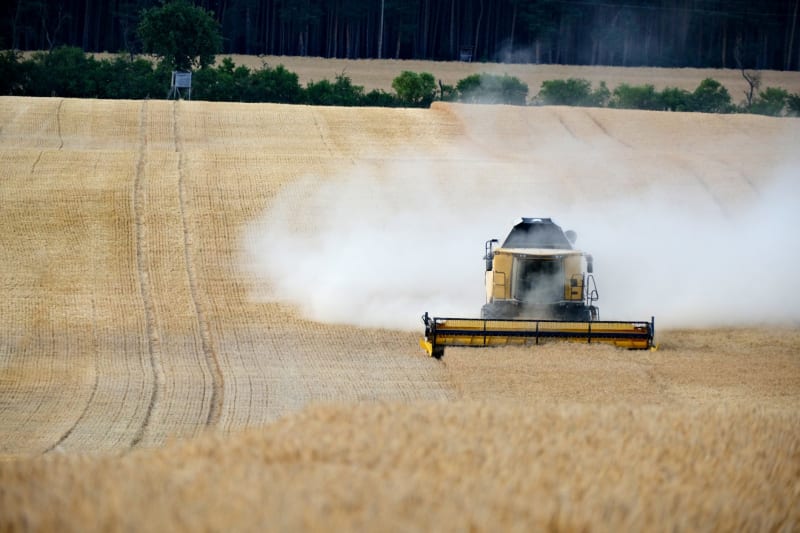
On the ground, the impact of the trade war on American agriculture has been stark and deeply felt. Farmers, particularly those in the Midwest, faced significant financial hardship as key export markets, most notably China, became largely inaccessible due to retaliatory tariffs. Soybean farmers, for instance, saw prices plummet and inventories swell, forcing many to sell at a loss or seek government aid to stay afloat. The ripple effect extended to related industries, from agricultural equipment manufacturers to rural transport services, creating a widespread economic downturn in farming communities. Many producers were compelled to diversify crops, explore new, less profitable markets, or even consider leaving the profession altogether, highlighting the severe disruption caused by the tariffs.
In China, the tariffs on American agricultural products led to a scramble for alternative suppliers and increased domestic production efforts. While this spurred some growth in certain sectors, it also resulted in higher input costs for Chinese industries that rely on imported feed and raw materials, such as the pork industry. Consumers, in turn, often faced elevated prices for staple foods. The trade war exposed vulnerabilities in China's food supply chain, particularly its reliance on a few key international partners for essential commodities. This experience has undoubtedly influenced China's current willingness to engage in tariff rollback discussions, seeking to diversify and stabilize its import sources.
The current negotiations are therefore not just theoretical policy discussions; they are a direct response to the tangible economic pain and supply chain disruptions experienced by millions. Farmers in the U.S. are cautiously optimistic, hoping that a successful agreement will restore market access and bring much-needed predictability. However, there is also an underlying weariness and a desire for long-term stability, not just temporary fixes. The ground reality dictates that any agreement must be robust and sustainable to truly repair the damage and rebuild trust within the agricultural sectors of both nations, ensuring that such disruptions are minimized in the future.
What Experts Are Saying
Trade economists are largely viewing the potential tariff rollback as a pragmatic and necessary step towards de-escalation. Dr. Emily Chen, a senior fellow at the Peterson Institute for International Economics, notes, "This isn't just about restoring pre-trade war conditions; it's about building a more resilient and predictable framework for agricultural trade. Both sides have learned the hard way that weaponizing tariffs on essential goods creates more problems than it solves, impacting not just producers but also global food security." She emphasizes that while a full return to the status quo ante is unlikely, any significant reduction would be a net positive for global economic stability and agricultural markets.
Agricultural policy analysts highlight the long-term implications for farmer confidence and investment. John Davies, head of agricultural policy at a leading commodity research firm, stated, "Farmers need certainty to make planting decisions and invest in their operations. The on-again, off-again nature of trade relations has been incredibly damaging. A tariff rollback, if sustained, could unlock significant investment in agricultural infrastructure and innovation, benefiting both American and Chinese consumers through more efficient production and stable prices." He also points out that the negotiations are a test of whether the two economic giants can find common ground on critical issues despite broader geopolitical tensions.
Geopolitical strategists, however, offer a more nuanced perspective. Dr. Sarah Khan, a professor of international relations at Georgetown University, cautions, "While the agricultural tariff discussions are a welcome sign of practical engagement, it's crucial not to mistake this for a wholesale thawing of U.S.-China relations. Agriculture is often seen as a less sensitive area for negotiation compared to technology or national security. A successful deal here might create a small window of goodwill, but the fundamental competitive dynamics between the two powers will likely persist." She suggests that while positive, these talks are a tactical maneuver rather than a strategic realignment, aimed at alleviating immediate economic pressures.
Frequently Asked Questions
What Happens Next
The immediate future will see intensified diplomatic efforts and technical negotiations between U.S. and Chinese trade representatives. These discussions will delve into the granular details of which specific agricultural products will see tariff reductions, the extent of those reductions, and the timeline for implementation. Both sides will be keen to ensure that any agreement is mutually beneficial and addresses their respective domestic concerns. Key areas of focus will include establishing clear enforcement mechanisms and ensuring transparency in trade practices to prevent future disputes. The pace of these talks will likely be influenced by broader geopolitical developments and the domestic political calendars of both nations.
Should a comprehensive agreement be reached, the next phase would involve its formal ratification and implementation. This would trigger a significant shift in global agricultural markets, as American farmers regain substantial access to the Chinese market, and Chinese importers benefit from lower costs. We can anticipate an immediate increase in trade volumes for affected commodities, potentially leading to price adjustments in global markets. Farmers and agricultural businesses will need to adapt quickly to these new market dynamics, recalibrating their production and export strategies to capitalize on the reopened opportunities. The success of this implementation will be a critical test of the durability of the agreement.
Beyond the immediate economic impacts, the outcome of these negotiations will also serve as a barometer for the future trajectory of U.S.-China economic relations. A successful and sustained tariff rollback could pave the way for discussions on other trade issues, fostering a more stable and predictable bilateral economic environment. Conversely, a failure to reach a meaningful agreement, or a breakdown in implementation, could reignite trade tensions and further complicate an already strained relationship. The world will be watching closely, as the actions taken in the coming months will have lasting implications for global trade, food security, and international diplomacy.










Comments
No comments yet. Be the first to comment!