
At a Glance
- Retailers are aggressively front-loading imports from China, accelerating their shipping schedules to beat potential new tariffs proposed by Donald Trump, creating a surge in demand for freight services.
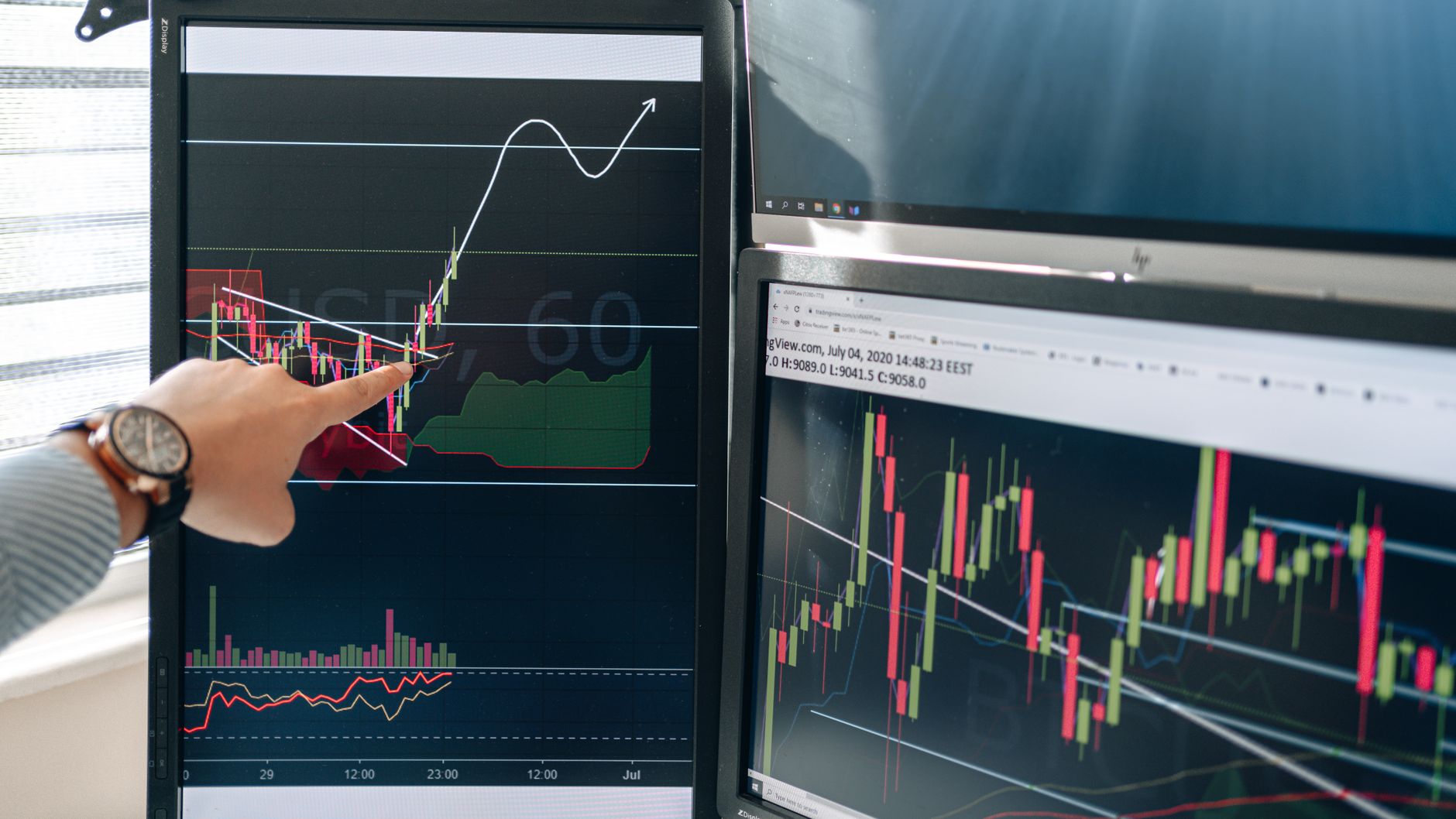
- This anticipatory rush is driving a dramatic increase in shipping costs, with some routes experiencing a doubling of prices compared to last year, placing immense financial pressure on businesses.
- The current surge in freight rates mirrors the chaotic supply chain disruptions observed during the COVID-19 pandemic, raising concerns about similar economic impacts and potential inflationary pressures.
- Industry experts predict that these elevated shipping costs will inevitably translate into higher prices for consumers, affecting a wide array of goods from electronics to apparel and household items.
- Major shipping lines are capitalizing on the heightened demand, implementing new surcharges and increasing their base rates, further exacerbating the cost burden on importers and ultimately, the end consumer.
- The strategic decision by retailers to absorb these higher shipping costs now is a calculated gamble to avoid even steeper expenses if new tariffs are indeed implemented, highlighting the significant uncertainty in global trade policy.
The Record
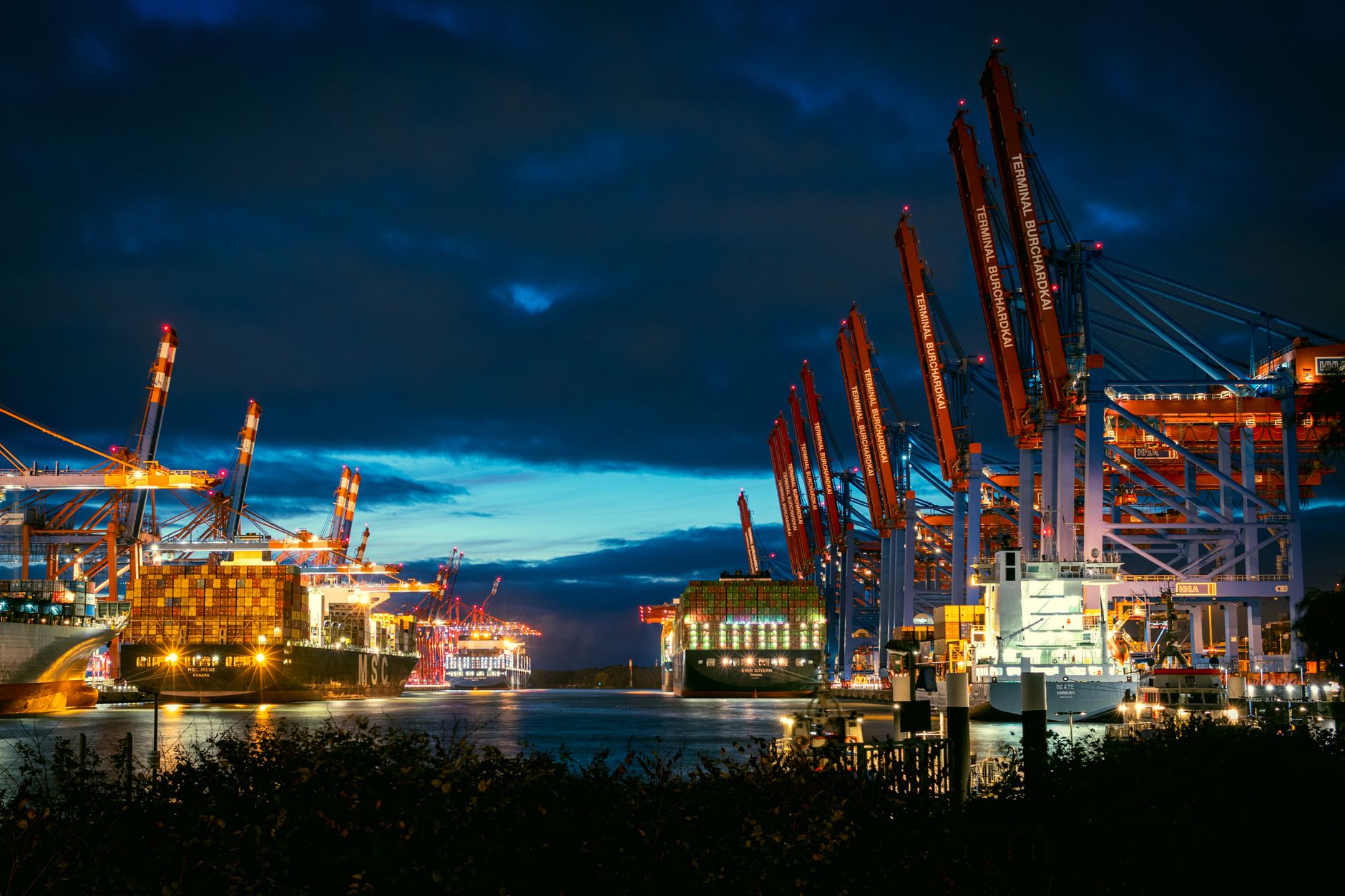
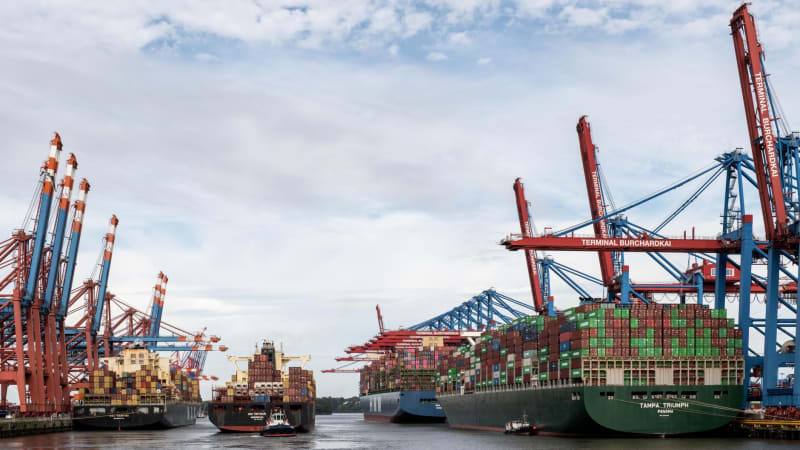
The global shipping industry is currently experiencing an unprecedented surge in demand and corresponding price hikes, largely driven by retailers' frantic efforts to pre-empt potential new tariffs under a future Trump administration. This proactive strategy involves accelerating the shipment of goods, particularly from China, to ensure inventory arrives before any new import duties could be imposed. This rush is creating a bottleneck in an already strained logistics network, pushing freight rates to levels reminiscent of the pandemic-era supply chain chaos. The sheer volume of goods being moved is overwhelming port capacities and container availability, creating a domino effect across the entire supply chain.
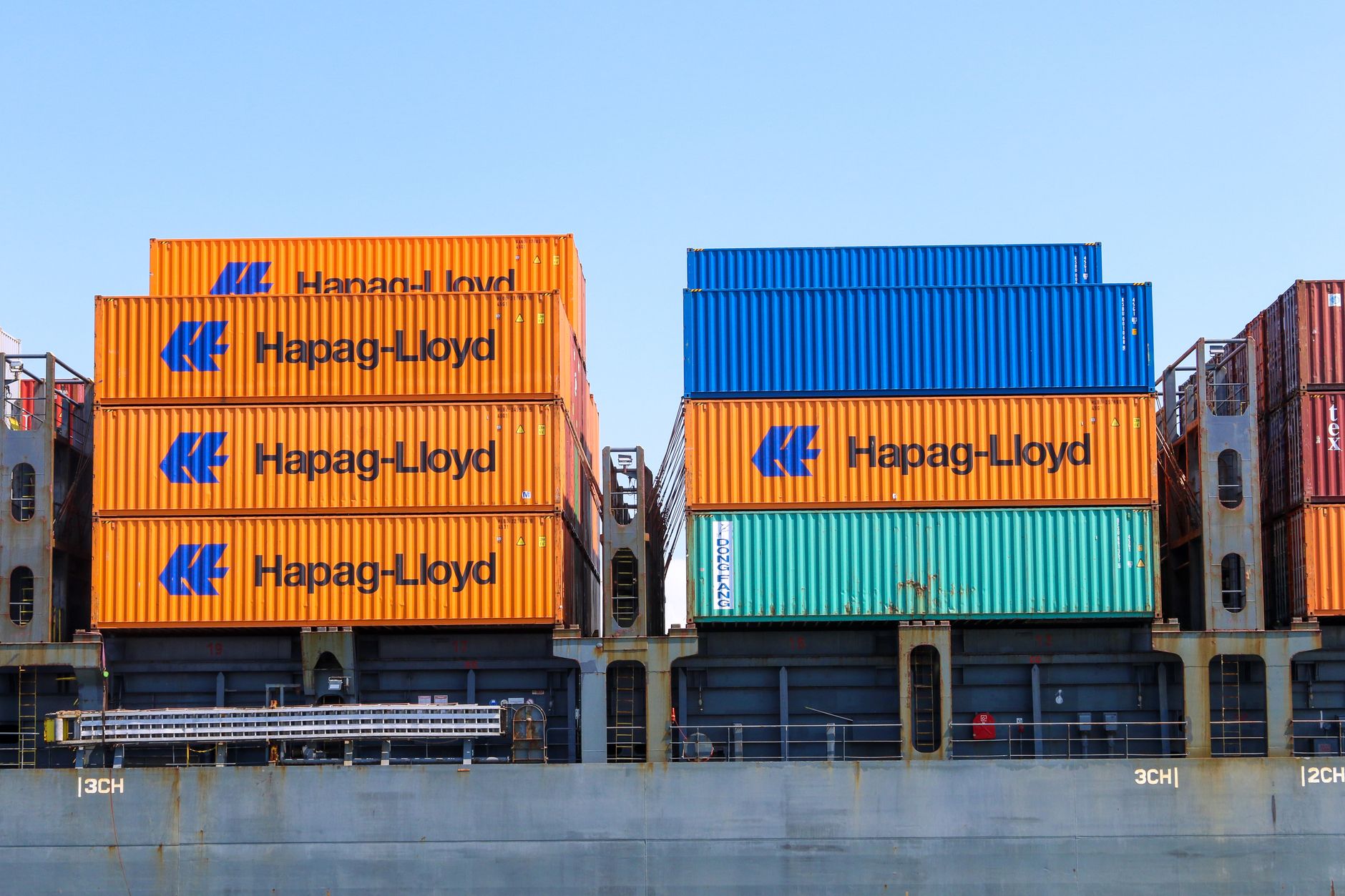
Shipping costs on critical routes, such as from Shanghai to Los Angeles, have more than doubled in the past year, with some carriers quoting rates exceeding $7,000 for a 40-foot container. This dramatic increase is not merely a seasonal fluctuation; it reflects a systemic response to perceived geopolitical and economic risks. Retailers are making a calculated bet: absorb higher shipping costs now to avoid potentially much steeper tariff payments later. This decision, however, has significant implications for their profit margins and, ultimately, for consumer prices. The pressure is immense, forcing companies to re-evaluate their entire procurement and inventory management strategies.
This situation is further complicated by the fact that many companies are still recovering from the supply chain disruptions of recent years. The current scramble to front-load inventory could strain warehouse capacity, create new logistical challenges, and potentially lead to product gluts in some categories while others face shortages. The ripple effect extends beyond just shipping; it impacts manufacturing schedules, labor demands at ports, and the overall efficiency of global trade. The underlying uncertainty surrounding future trade policies is compelling businesses to make costly decisions, with the hope of mitigating even greater financial penalties down the line.
Who Knew and When
The specter of renewed trade protectionism, particularly from a potential second Trump administration, has been a topic of discussion among economists and trade analysts for several years. Following his previous term, where tariffs on Chinese goods were a hallmark of his economic policy, the retail and logistics sectors began to anticipate a similar approach should he return to office. This foresight prompted many industry leaders to start scenario planning, considering how best to mitigate the impact of potential new tariffs on their intricate global supply chains. The memory of the 2018-2019 trade war, which saw significant disruptions and cost increases, served as a stark reminder of the need for proactive measures.
As the 2024 election cycle gained momentum and Donald Trump's rhetoric solidified around aggressive trade policies, the urgency for retailers intensified. By late 2023 and early 2024, discussions within boardrooms shifted from 'if' to 'when' and 'how much' regarding potential tariffs. Logistics providers and freight forwarders also began to observe an uptick in inquiries about accelerated shipping options and long-term freight contracts, signaling a clear shift in market sentiment. This early awareness allowed some larger corporations to begin adjusting their procurement strategies, though the full scale of the current shipping surge only became apparent more recently.
The current rush to front-load inventory is a direct consequence of these long-standing concerns materializing into concrete action. While the exact timing and scope of any future tariffs remain uncertain, the perceived risk is significant enough to warrant costly preventative measures. Retailers, having learned from past trade disputes, are not waiting for official announcements. They are acting on well-informed predictions and market intelligence, demonstrating a proactive stance to protect their margins and ensure product availability for consumers. This anticipatory behavior, while rational for individual businesses, collectively contributes to the dramatic market conditions we are witnessing today.
Voices from the Ground
"We're seeing an unprecedented scramble," stated Sarah Chen, a logistics manager for a major electronics retailer. "Our usual lead times have been slashed, and we're paying premium rates just to secure container space. It's a calculated risk; we'd rather absorb these higher shipping costs now than face a 10% or 25% tariff on top of everything else in a few months. The pressure from upper management is immense to get inventory in before any potential policy changes. It feels like a race against time, and every day counts, as the rates seem to climb higher with each passing week. This isn't just about profit margins; it's about maintaining market share and ensuring product availability for our customers during peak seasons."
A spokesperson for a mid-sized apparel importer, who wished to remain anonymous, echoed similar sentiments: "The cost of a 40-foot container from Asia has more than doubled for us compared to last year. This isn't sustainable in the long run, but what choice do we have? If new tariffs hit, our products become uncompetitive overnight. We're having to pass some of these costs onto consumers, which nobody wants to do, especially in the current economic climate. We're also exploring alternative sourcing countries, but that's a complex and lengthy process that doesn't offer an immediate solution to the current tariff threat. It's a constant balancing act between cost, speed, and risk mitigation."
From the shipping industry's perspective, Captain Mark Jensen, a veteran cargo ship operator, observed, "The docks are busier than they've been since the height of the pandemic. There's a palpable sense of urgency. We're seeing ships waiting longer for berths, and turnaround times are stretching. While the carriers are certainly benefiting from the higher rates, it also puts a strain on our crews and port infrastructure. It's a boom, but it's a boom driven by fear and uncertainty, which isn't the healthiest foundation for long-term stability. The industry is working overtime to meet this demand, but there are limits to capacity, and those limits are being tested daily."
The Debate
The current surge in shipping costs and the strategic front-loading of inventory by retailers have ignited a fierce debate among economists and trade policy experts. One school of thought argues that this preemptive action, while costly in the short term, is a rational and necessary measure for businesses to protect themselves against the potentially more damaging impact of future tariffs. Proponents of this view emphasize that tariffs directly increase the cost of imported goods, making them less competitive and ultimately burdening consumers with higher prices. By absorbing higher freight costs now, retailers are attempting to mitigate a potentially larger future price shock, thereby stabilizing consumer markets to some extent.
Conversely, critics contend that this rush to import, driven by political speculation, creates an artificial demand spike that distorts market dynamics and contributes to inflationary pressures. They argue that the increased shipping costs are already being passed on to consumers, effectively creating a 'pre-tariff tariff' through elevated prices. Furthermore, some economists suggest that such anticipatory behavior could inadvertently strengthen the hand of protectionist policymakers by demonstrating that industries are willing to absorb significant costs to avoid tariffs, potentially encouraging the implementation of such policies. This perspective highlights the risk of self-fulfilling prophecies in trade policy.
Another facet of the debate centers on the long-term implications for global supply chain resilience. While some see the current actions as a temporary tactical maneuver, others worry that repeated cycles of tariff threats and preemptive shipping could lead to a permanent restructuring of supply chains, potentially favoring domestic production or diversification away from traditional manufacturing hubs. This could result in higher production costs globally, reduced efficiency, and ultimately, a less interconnected and more fragmented global economy. The discussion also touches upon whether governments should offer more clarity on trade policy to prevent such market distortions, or if businesses should simply adapt to an inherently unpredictable geopolitical landscape.

Your Questions Answered
What Accountability Looks Like
Accountability in this complex scenario falls on multiple stakeholders. For policymakers, especially those advocating for or implementing tariffs, accountability means a clear articulation of the economic rationale and a transparent assessment of the potential consequences for businesses and consumers. This includes providing detailed impact analyses and considering mechanisms to support industries most adversely affected. The lack of clarity or sudden, unpredictable policy shifts can force businesses into costly defensive maneuvers, for which policymakers should acknowledge their role in creating such market uncertainty. Responsible governance demands a thorough understanding of the ripple effects of trade policy decisions on global supply chains and domestic economies.
Retailers and importers also bear a degree of accountability. While their current actions are rational business decisions, they must be transparent with consumers about the reasons behind potential price increases. Effective communication can help manage consumer expectations and build trust, rather than simply passing on costs without explanation. Furthermore, retailers have a responsibility to explore all viable options for mitigating costs, including supply chain diversification and efficiency improvements, rather than solely relying on preemptive shipping. Their long-term strategies should aim for resilience, not just reactive measures to political shifts, ensuring sustainable practices that benefit both their bottom line and the broader economy.
Finally, the shipping and logistics industry, while benefiting from the current demand surge, also holds accountability for maintaining fair practices and investing in infrastructure to prevent future bottlenecks. While market forces dictate rates, predatory pricing or a failure to invest in capacity expansion could exacerbate future crises. Ensuring transparent pricing, reliable service, and continuous improvement in port efficiency and container availability are crucial for the health of global trade. All parties involved must recognize their interconnectedness and work towards solutions that foster stability and predictability, rather than perpetuating cycles of reactive, costly decision-making driven by uncertainty.











Comments
No comments yet. Be the first to comment!