

What We Know
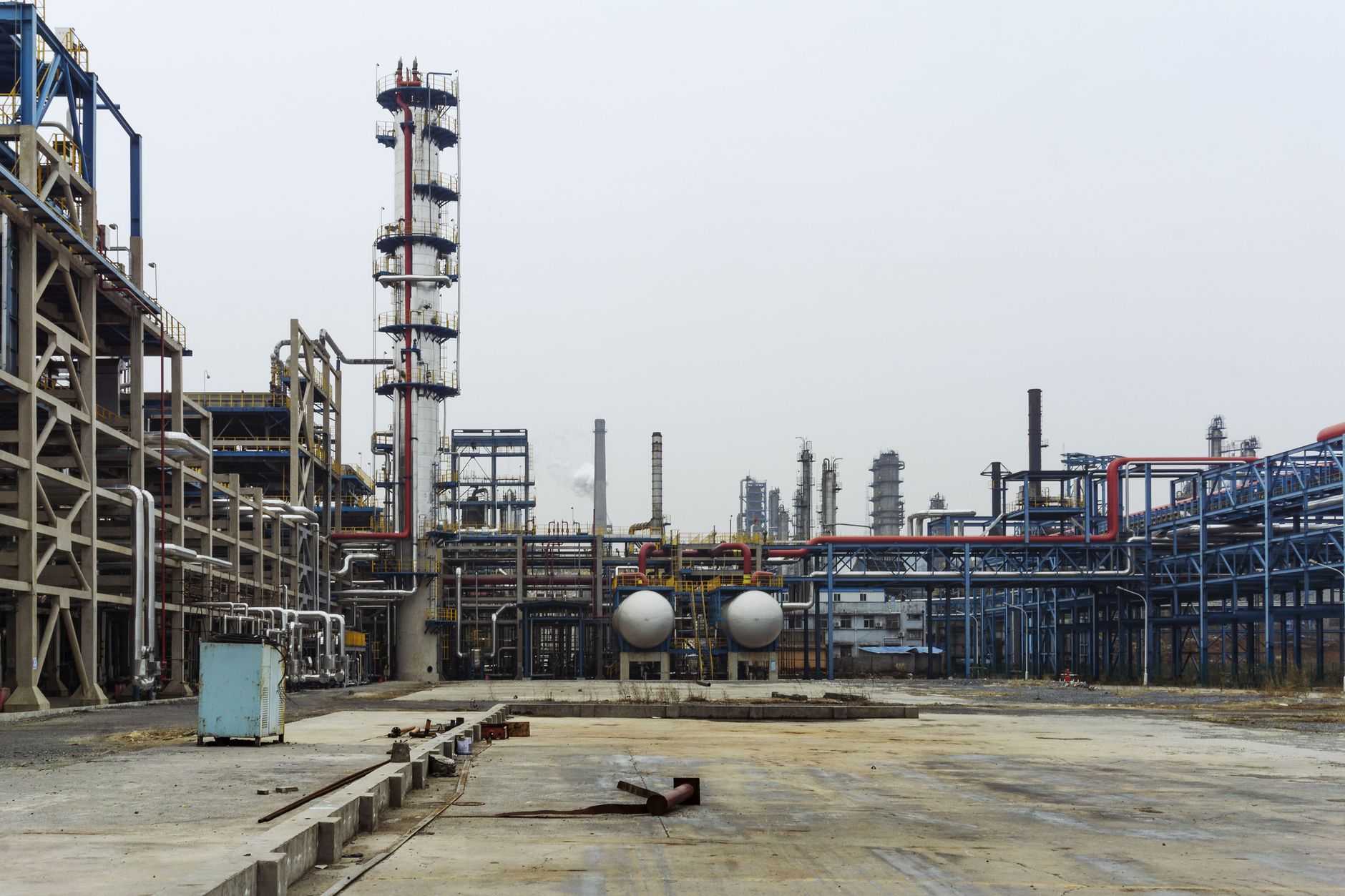
- Global oil prices have retreated to levels last observed before the outbreak of major geopolitical conflicts, marking a significant recalibration in the energy markets.
- This notable price decline is primarily attributed to an unexpected and substantial increase in crude oil production and exports from key Middle Eastern nations, exceeding market expectations.
- The surge in supply has outpaced global demand growth, leading to an oversupply that has exerted downward pressure on benchmark crude prices like Brent and WTI.
- Energy analysts are closely monitoring the situation, with many suggesting that this shift could signal a new phase of market dynamics, potentially impacting long-term investment strategies in the energy sector.
- Consumers are beginning to see the benefits at the pump, with gasoline and diesel prices reflecting the lower crude costs, offering some relief to household budgets.
- Governments are evaluating the economic implications of sustained lower oil prices, considering both the positive impact on inflation and potential challenges for oil-exporting economies.
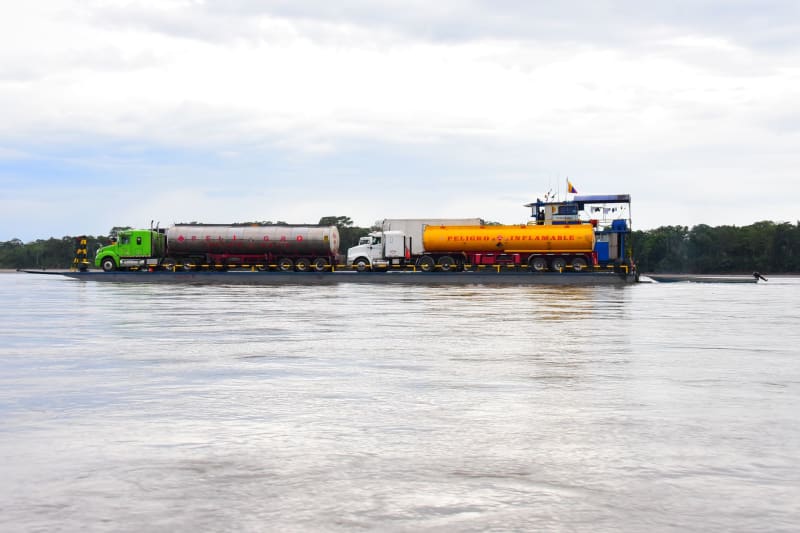
- The stability of supply chains reliant on oil transportation is improving, as reduced price volatility creates a more predictable environment for logistics and shipping companies worldwide.
- International energy agencies are updating their forecasts, acknowledging the unexpected resilience and increased output from the Middle East as a dominant factor in the current market landscape.
What We Do Not Know Yet
- The precise duration of this increased Middle Eastern oil supply remains uncertain, as geopolitical factors and production agreements could shift rapidly, influencing future output levels.
- Whether major oil-producing cartels, such as OPEC+, will intervene with production cuts to stabilize prices in response to the current oversupply is still an open question, with no clear consensus emerging.
- The full extent of the impact on renewable energy investments is unclear; sustained low oil prices could potentially slow the transition by making fossil fuels more economically competitive in the short term.
- How various national economies, particularly those heavily reliant on oil exports, will adjust their fiscal policies and development plans in light of these significantly lower revenues is yet to be determined.
- The long-term implications for global inflation rates are still being modeled; while immediate relief is evident, secondary effects on other commodities and services could emerge.
- The potential for new geopolitical tensions to disrupt this newfound supply stability is a constant concern, and the market's resilience to such shocks has not been fully tested under these new conditions.
- Consumer behavior in response to prolonged lower fuel prices, such as changes in travel patterns or vehicle purchasing decisions, is an evolving area of study for economists.
- The strategies of major international oil companies regarding exploration and production in non-Middle Eastern regions will likely be re-evaluated, but the specifics of these adjustments are not yet public.
Background
For the past several years, global oil markets have been characterized by extreme volatility, largely driven by a confluence of geopolitical tensions, supply chain disruptions, and fluctuating demand patterns. The initial surge in prices following major conflicts created significant economic headwinds, contributing to inflationary pressures worldwide and forcing central banks to adopt aggressive monetary policies. This period saw crude benchmarks like Brent and WTI soar to multi-year highs, creating a windfall for oil-producing nations but a burden for importing countries and consumers alike. The market was acutely sensitive to any news of potential supply disruptions, leading to rapid price spikes and an environment of pervasive uncertainty for businesses and households.
The narrative of constrained supply and escalating prices began to shift subtly in recent months, culminating in the current dramatic downturn. This reversal is fundamentally rooted in an unexpected and robust increase in crude oil output from several key Middle Eastern producers. Despite earlier expectations of cautious production management, these nations have significantly ramped up their extraction and export capabilities, injecting a substantial volume of crude into the global market. This strategic decision, whether driven by internal economic imperatives or a desire to regain market share, has fundamentally altered the supply-demand equilibrium, catching many market analysts off guard and leading to the current price correction.
This current situation marks a stark contrast to the market conditions prevalent just a few months ago, where fears of energy scarcity and sustained high prices dominated discussions. The rapid expansion of Middle Eastern output has effectively mitigated some of the supply concerns that had been driving the market. While the exact motivations behind this increased production remain subject to debate among experts, its immediate effect has been undeniable: a significant easing of global energy costs. This development is now forcing a re-evaluation of long-term energy forecasts and investment strategies, as the market adjusts to a potentially more abundant and affordable crude oil landscape than previously anticipated.
Why It Matters
The precipitous drop in oil prices to pre-conflict levels is a pivotal economic development with far-reaching implications for global stability and individual prosperity. For consumers, this translates directly into lower costs at the gas pump and reduced heating expenses, providing much-needed relief from persistent inflationary pressures. This newfound affordability can stimulate consumer spending in other sectors, potentially boosting economic growth in importing nations. However, for oil-exporting countries, especially those heavily reliant on crude revenues, this price correction could lead to significant budgetary shortfalls, potentially impacting public services, infrastructure projects, and overall economic stability, creating a complex web of winners and losers on the global stage.
Beyond immediate economic impacts, this shift profoundly influences geopolitical dynamics and energy policy. Lower oil prices can alleviate pressure on governments struggling with energy security and high import bills, potentially reducing the urgency to diversify energy sources or invest heavily in domestic production. Conversely, it could also empower major oil-producing nations to exert greater influence on global markets, reshaping alliances and trade relationships. The long-term implications for the transition to renewable energy are also critical; sustained low fossil fuel prices might decelerate investment in green technologies, making the economic case for renewables less compelling in the short term, thereby impacting global climate goals and sustainable development initiatives.
Furthermore, the financial markets are bracing for significant adjustments. Energy stocks, particularly those of exploration and production companies, are likely to face downward pressure, while sectors reliant on cheap transportation, such as airlines and logistics, could see improved profitability. Investors will need to recalibrate their portfolios to account for this new energy landscape, potentially shifting capital away from traditional fossil fuel investments towards more resilient or growth-oriented sectors. The ripple effect on inflation expectations, interest rate policies, and overall market sentiment cannot be overstated, making this a defining moment for economic planners and strategists worldwide. This unexpected turn of events underscores the inherent unpredictability of global commodity markets and the profound interconnectedness of energy, economics, and geopolitics.
Timeline of Events
- Early 2022: Geopolitical tensions escalate, leading to significant disruptions in global energy supply chains and an initial surge in crude oil prices, pushing benchmarks to multi-year highs.
- Mid-2022: Major oil-importing nations express growing concerns over energy security and inflationary pressures, prompting calls for increased global production and strategic reserve releases.
- Late 2022: OPEC+ maintains a cautious approach to production increases, citing market uncertainties, which contributes to sustained high prices and tight supply conditions worldwide.
- Early 2023: Reports begin to surface of several key Middle Eastern producers quietly increasing their output beyond previously stated quotas, though the full extent is not immediately clear.
- Spring 2023: Market analysts detect a noticeable increase in crude oil exports from the Middle East, leading to a gradual easing of global supply concerns and a slight moderation in price increases.
- Summer 2023: The cumulative effect of increased Middle Eastern supply becomes undeniable, as global inventories begin to swell, putting significant downward pressure on international oil prices.
- Autumn 2023: Benchmark crude prices, including Brent and WTI, consistently fall, eventually reaching levels comparable to those observed before the major geopolitical conflicts of early 2022.
- Present Day: The market continues to react to the sustained high supply from the Middle East, with discussions focusing on the long-term implications for global energy policy and economic stability.
Rapid-Fire Q&A
What Is Coming
- Expect continued volatility in oil markets as analysts closely monitor Middle Eastern production levels and any potential policy shifts from major oil-producing cartels like OPEC+.
- Consumers should anticipate sustained lower fuel prices in the near term, offering ongoing relief to household budgets, but remain aware of the potential for sudden market corrections.
- Governments in oil-importing nations will likely face renewed debates on energy policy, balancing the benefits of cheaper oil against long-term goals for energy independence and climate action.
- Oil-exporting economies will continue to grapple with reduced revenues, potentially leading to fiscal adjustments, revised national budgets, and a re-evaluation of economic diversification strategies.
- Financial markets will see ongoing adjustments, with energy sector stocks remaining under pressure while sectors benefiting from lower transportation costs, such as logistics and aviation, may experience improved performance.
- The discourse around renewable energy investments will intensify, as stakeholders weigh the implications of cheaper fossil fuels against the imperative for sustainable development and climate change mitigation.
- Geopolitical tensions in the Middle East will remain a critical factor, as any escalation could swiftly disrupt supply stability and trigger another upward swing in global oil prices, underscoring market fragility.
- International energy agencies will release updated forecasts and assessments, providing deeper insights into the longevity of the current supply surge and its broader impact on global energy demand and supply dynamics.
















Comments
No comments yet. Be the first to comment!