


The Numbers
- Over 20 distinct non-state armed groups are currently active across the Middle East, receiving varying degrees of support from regional and international powers, significantly complicating conflict resolution efforts.
- An estimated $1 billion annually is channeled by state actors into supporting proxy forces, demonstrating the substantial financial commitment to this indirect form of warfare and its pervasive influence.
- More than 300,000 lives have been lost in proxy-driven conflicts in Syria and Yemen alone over the past decade, underscoring the devastating human cost of these protracted and often brutal engagements.
- At least 15 major cross-border incidents involving proxy forces have been recorded in the last year, highlighting the persistent threat of escalation and the fragile nature of regional security.
- Over 20 million people have been displaced by conflicts where proxy forces play a significant role, creating immense humanitarian crises and placing an unbearable strain on neighboring countries and international aid organizations.
- Approximately 70% of all reported ceasefire violations in key conflict zones are attributed to non-state actors, illustrating the inherent difficulty in enforcing peace agreements when numerous armed groups operate outside direct state control.
Context Check
The Middle East has long been a crucible of geopolitical competition, where regional and global powers vie for influence, often through indirect means. Proxy warfare, a strategy where states support non-state actors to advance their interests without direct military confrontation, has become a defining characteristic of this complex landscape. This approach allows major players like Iran, Israel, and the United States to project power, destabilize adversaries, and achieve strategic objectives while ostensibly avoiding the political and military costs of direct intervention. The use of proxies, however, inherently introduces an element of unpredictability and significantly heightens the risk of unintended escalation, transforming localized disputes into broader regional flashpoints.
Understanding the intricate web of proxy relationships is paramount to comprehending the region's persistent instability. Iran, for instance, has cultivated a formidable 'Axis of Resistance' comprising groups like Hezbollah in Lebanon, various Shiite militias in Iraq, and the Houthis in Yemen. These proxies serve as extensions of Tehran's foreign policy, enabling it to challenge adversaries, project influence across the Levant, and deter potential attacks. Conversely, Israel often employs covert operations and intelligence sharing to counter these Iranian-backed groups, sometimes supporting local actors or conducting targeted strikes. The United States, while often engaging in direct military action, also leverages partnerships with local forces, such as the Syrian Democratic Forces, to combat terrorism and maintain regional balances, further entangling the geopolitical fabric.
The consequences of this shadow war are profound and far-reaching, extending beyond mere geopolitical maneuvering. Civilian populations bear the brunt of these conflicts, enduring displacement, humanitarian crises, and economic devastation. The proliferation of arms, the erosion of state sovereignty in affected regions, and the radicalization of various factions create a volatile environment where peace remains elusive. Each proxy engagement, while seemingly contained, carries the inherent danger of spiraling into a wider conflict, drawing in state actors directly and potentially triggering a catastrophic regional war. The international community grapples with how to de-escalate these tensions, as the indirect nature of the conflict makes traditional diplomatic solutions exceedingly difficult to implement effectively.
Background
The roots of current proxy conflicts in the Middle East stretch back decades, deeply intertwined with historical grievances, sectarian divides, and the legacy of colonial interventions. The Iranian Revolution of 1979 marked a pivotal moment, as the new Islamic Republic sought to export its revolutionary ideology and challenge the established regional order, particularly Saudi Arabia and Israel. This led to the strategic development of non-state actors, primarily Shiite militias, as a means to project power and counter perceived threats without direct military confrontation. The Iran-Iraq War further solidified this approach, demonstrating the utility of irregular forces in a protracted conflict. Simultaneously, Israel's security doctrine evolved to counter threats from state and non-state actors alike, often involving targeted operations and support for groups aligned with its strategic interests, particularly against Palestinian militant organizations and Hezbollah.
The post-9/11 era and the subsequent invasions of Afghanistan and Iraq by the United States dramatically reshaped the regional power dynamics, creating vacuums that both state and non-state actors eagerly filled. The collapse of the Iraqi state and the rise of sectarian violence provided fertile ground for Iranian-backed militias to gain significant influence, while also leading to the emergence of Sunni extremist groups like Al-Qaeda in Iraq and later ISIS. The Syrian Civil War, beginning in 2011, became a devastating crucible for proxy warfare, drawing in nearly every major regional and international player. Iran supported the Assad regime with Hezbollah and other Shiite militias, while the U.S., Turkey, and Gulf states backed various opposition factions, often with conflicting agendas, leading to a prolonged and brutal conflict that decimated the country.
Today, these historical trajectories converge in a complex tapestry of interconnected conflicts. The rivalry between Saudi Arabia and Iran, often framed as a sectarian Sunni-Shiite struggle, plays out in Yemen, Iraq, and Lebanon through various proxy groups. Israel's ongoing efforts to prevent Iran from establishing a permanent military presence in Syria and to curb Hezbollah's capabilities in Lebanon continue to fuel a dangerous shadow war. The United States, while attempting to balance its counter-terrorism objectives with broader geopolitical interests, finds itself deeply enmeshed in these proxy dynamics, often supporting different groups in different contexts. This intricate interplay of historical grievances, strategic imperatives, and external interventions has created a deeply entrenched system of proxy warfare, making any clear resolution exceptionally challenging and the potential for wider conflict ever-present.
Winners and Losers
In the complex landscape of Middle Eastern proxy warfare, identifying clear 'winners' is often elusive, as short-term gains frequently come at the cost of long-term instability. State actors like Iran, Israel, and the United States might achieve tactical objectives, such as disrupting an adversary's influence or preventing the rise of a hostile power. Iran, for example, has successfully expanded its regional reach through its network of proxies, establishing a significant presence from Lebanon to Yemen, which it views as a strategic victory in countering U.S. and Israeli influence. Israel, through targeted strikes and intelligence operations, often succeeds in degrading the capabilities of its adversaries' proxies, thereby maintaining a degree of security along its borders. The U.S. has, at times, effectively used proxy forces to achieve counter-terrorism goals, such as the defeat of ISIS in Iraq and Syria, without committing large numbers of its own ground troops. However, these successes are often fleeting and contribute to a cycle of violence and retaliation, rather than lasting peace.
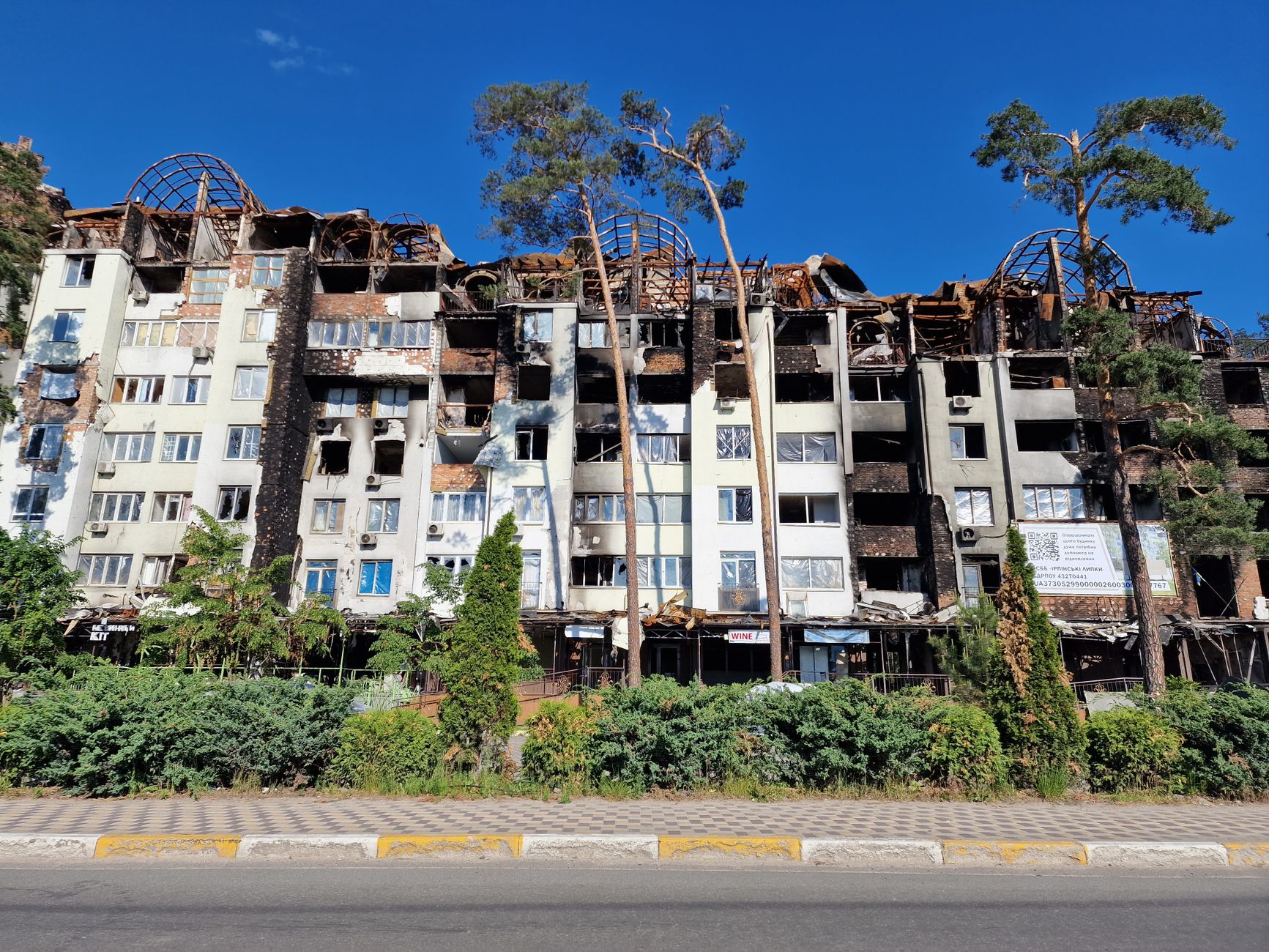
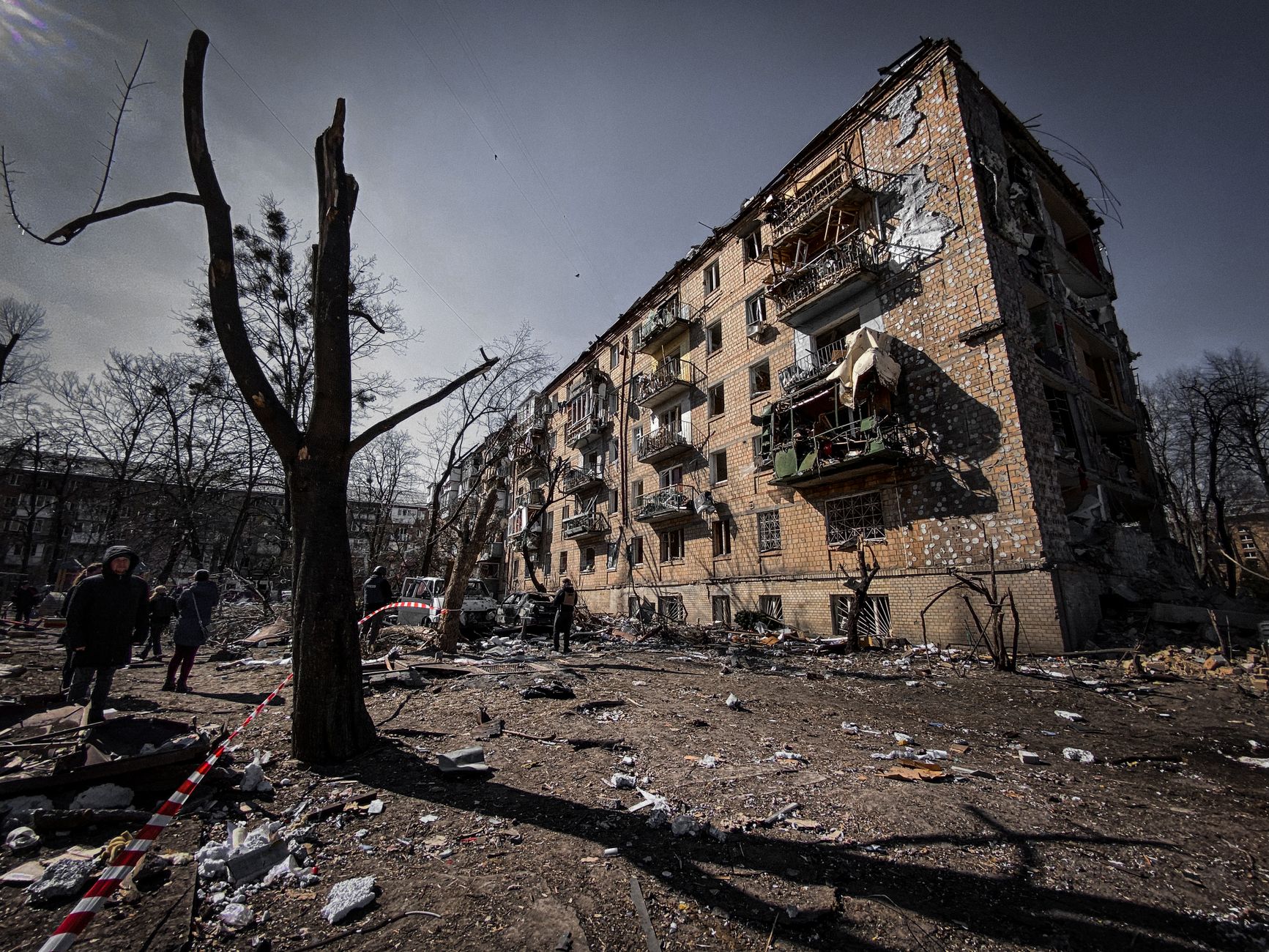
The most profound losers in this dangerous game are undoubtedly the civilian populations caught in the crossfire. Millions have been displaced, their homes destroyed, and their lives irrevocably altered by conflicts fueled by external powers. Countries like Syria, Yemen, and Iraq have seen their infrastructure decimated, their economies shattered, and their social fabric torn apart. The rise of extremist groups, often a byproduct of these conflicts, further exacerbates humanitarian crises and perpetuates cycles of violence. Furthermore, the sovereignty and stability of weaker states are severely undermined as they become battlegrounds for larger powers, leading to a loss of governmental control and the proliferation of armed non-state actors who operate with impunity. This erosion of state authority makes effective governance and post-conflict reconstruction incredibly difficult.
Even the state actors who initiate and support proxy wars face significant long-term costs. While direct military engagement is avoided, the financial burden of supporting proxies can be substantial, diverting resources from domestic needs. Moreover, proxy conflicts often lead to unforeseen consequences, such as blowback from radicalized groups, increased regional animosity, and the potential for miscalculation that could trigger a direct confrontation. The reputation of these states on the international stage can also suffer, as their involvement in fueling conflicts is exposed, leading to diplomatic isolation or sanctions. Ultimately, the 'winners' often find their victories to be Pyrrhic, achieved at an immense cost to regional stability and human lives, creating a perpetual state of tension that threatens to engulf the entire region in a much larger, more devastating conflict.
Analyst Perspectives
Leading analysts consistently highlight the inherent dangers of proxy warfare, emphasizing its capacity to lower the threshold for conflict while simultaneously making de-escalation incredibly difficult. Dr. Sarah Phillips, a senior fellow at the Carnegie Endowment for International Peace, notes that 'proxy conflicts allow state actors to test boundaries and exert pressure without direct accountability, creating a dangerous ambiguity that can easily spiral out of control.' She argues that the lack of direct engagement means traditional diplomatic channels are often ineffective, as the primary belligerents are not at the negotiating table. This indirectness fosters a climate of mistrust and miscalculation, where each side interprets the other's actions through a lens of suspicion, making genuine peace initiatives challenging to forge and sustain.
Many experts also point to the corrosive effect of proxy wars on state sovereignty and regional stability. Dr. Michael Eisenstadt of the Washington Institute for Near East Policy suggests that 'the proliferation of armed non-state actors, often better equipped and trained than national armies, fundamentally weakens the state structures in which they operate.' This erosion of state authority creates ungoverned spaces, which then become breeding grounds for further extremism and illicit activities, perpetuating cycles of violence and instability. The long-term consequences include fragmented societies, entrenched militias, and a profound challenge to any future attempts at national reconciliation or effective governance, making the region increasingly susceptible to external manipulation and internal collapse.
Furthermore, analysts like Professor Fawaz Gerges from the London School of Economics underscore the deeply intertwined nature of these conflicts with sectarian identities. 'While often framed as geopolitical struggles, the sectarian dimension is exploited and amplified by external powers to mobilize and legitimize their proxy forces,' Gerges explains. This manipulation of religious and ethnic divisions entrenches animosities, making reconciliation between communities incredibly difficult even if external support for proxies ceases. The legacy of such conflicts is not just physical destruction but also deep-seated societal wounds that can fester for generations, ensuring that the potential for future conflict remains high, irrespective of immediate geopolitical shifts. The path to genuine peace requires addressing these underlying societal fractures, a task far more complex than merely ending external support.
Key Questions Explained
The Outlook
The immediate outlook for the Middle East, deeply entrenched in proxy warfare, remains precarious. Without a fundamental shift in the strategic calculations of key regional and international powers, the cycle of indirect conflict is likely to persist, if not intensify. The entrenched nature of rivalries, particularly between Iran and its adversaries, suggests that proxy engagements will continue to be a primary tool for projecting power and challenging the status quo. Furthermore, the domestic political pressures within these states often incentivize a hardline stance, making concessions or de-escalation difficult. The humanitarian toll will continue to mount, and the risk of a miscalculation triggering a direct military confrontation between major state actors remains alarmingly high, threatening to engulf the entire region in a devastating, large-scale conflict.
Looking ahead, any meaningful path toward de-escalation would require sustained diplomatic efforts, potentially involving multilateral frameworks that address the core security concerns of all parties. This would entail not just ceasefires but also robust mechanisms for monitoring and enforcing them, coupled with serious negotiations on arms control and regional security architectures. However, the deep-seated mistrust and competing geopolitical agendas make such comprehensive agreements exceedingly difficult to achieve. International actors, particularly the United States, will face the challenge of balancing their own strategic interests with the imperative to foster stability, a task complicated by shifting alliances and the unpredictable nature of non-state actors.
Ultimately, the long-term stability of the Middle East hinges on addressing the underlying causes of conflict, including economic disparities, governance failures, and sectarian grievances that are so often exploited by external powers. Until these fundamental issues are tackled through inclusive political processes and genuine regional dialogue, proxy warfare will continue to serve as a dangerous symptom of a deeper malaise. The international community must recognize that short-term tactical gains from proxy support are far outweighed by the long-term costs of perpetual instability and human suffering. A concerted, unified effort is needed to transition from a paradigm of indirect confrontation to one of genuine cooperation and conflict resolution, a daunting but essential undertaking for the future of the region.











Comments
No comments yet. Be the first to comment!