
The Story in Brief
- Israel has issued a stark warning, indicating that a resumption of active hostilities could occur within an alarming two-day timeframe, significantly raising regional tensions and demanding immediate international attention.
- This critical ultimatum from Israel comes amidst ongoing, delicate technical discussions between the United States and Iran, which are currently taking place in Doha, Qatar, highlighting the complex diplomatic tightrope being walked.
- The primary focus of these high-stakes talks in Doha is reportedly centered on de-escalation strategies and the potential for a prisoner exchange, which could serve as a crucial confidence-building measure in a highly volatile environment.
- Despite the immediate focus on de-escalation, the broader implications of these discussions extend to the potential revival of the Joint Comprehensive Plan of Action (JCPOA), also known as the Iran nuclear deal, a long-term goal for regional stability.
- Regional and international observers are closely monitoring these developments, recognizing the profound potential for either a significant diplomatic breakthrough or a dangerous escalation of conflict across the Middle East.
- The current geopolitical landscape is characterized by extreme fragility, where a misstep by any party could trigger a cascade of unpredictable and devastating consequences, underscoring the urgency of effective diplomacy and restraint.
The Human Face
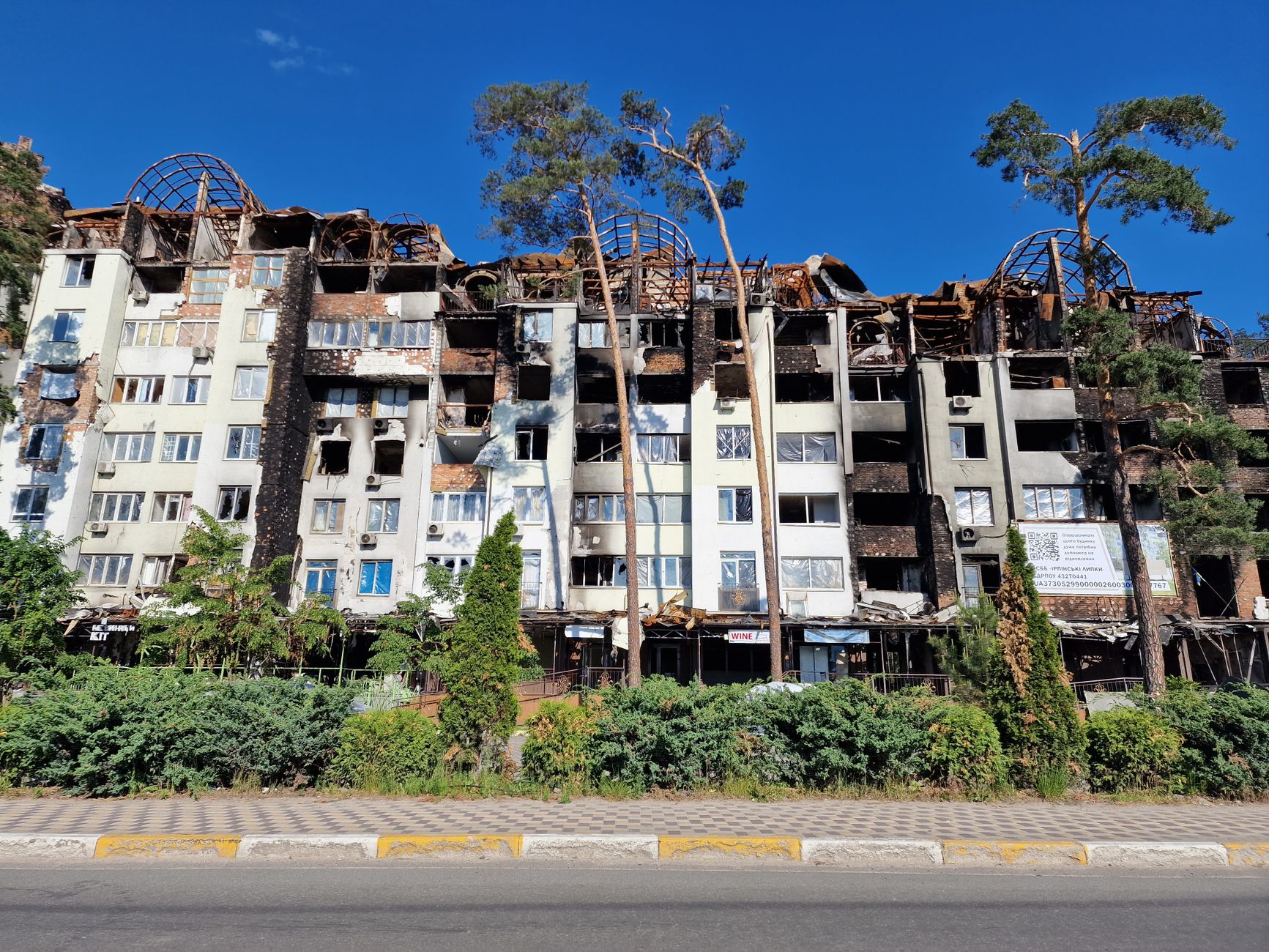
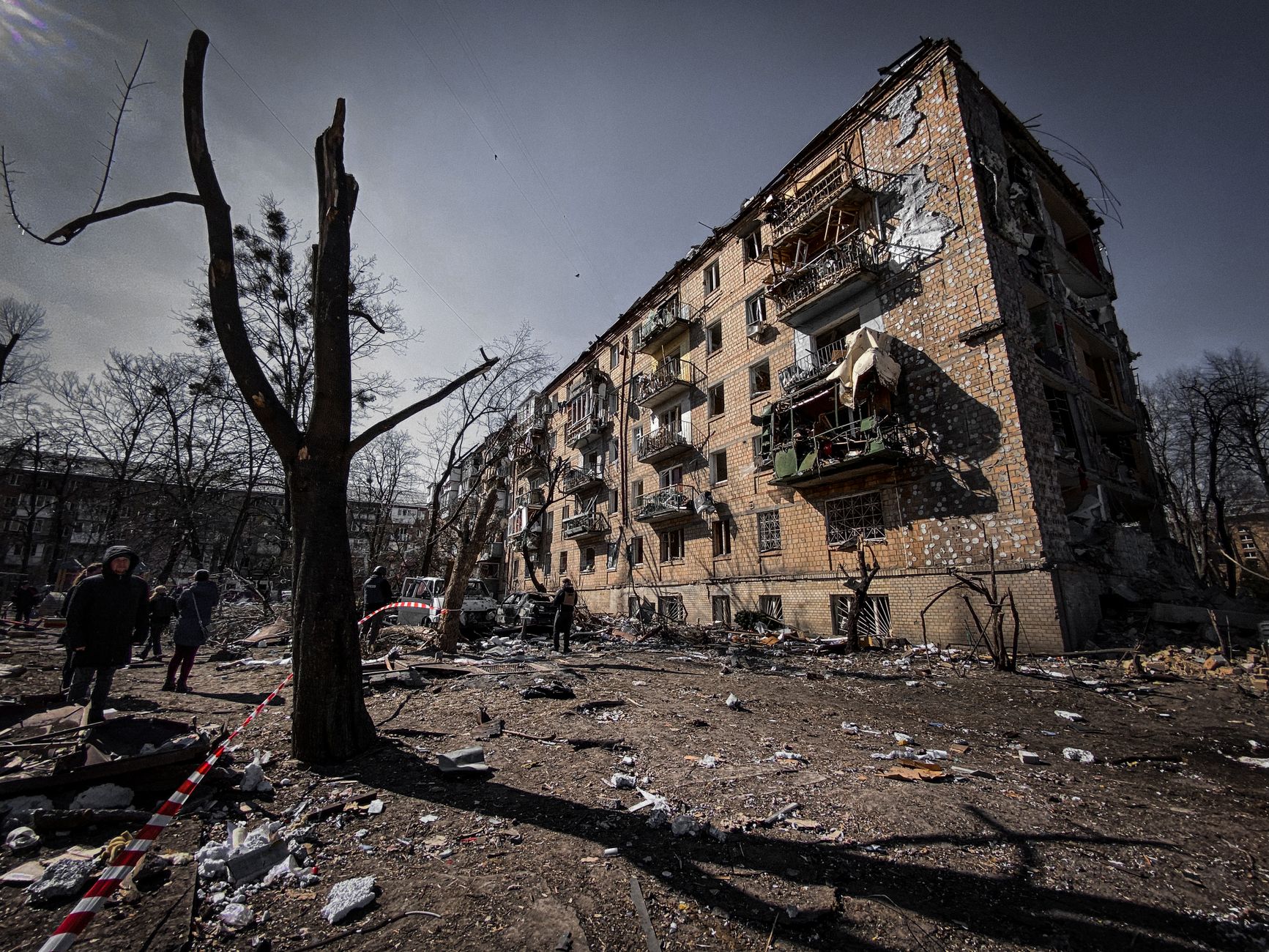
Behind the headlines of diplomatic maneuvering and military warnings lies the profound human cost of escalating tensions. Families in border communities, both Israeli and Palestinian, live in a constant state of anxiety, their lives dictated by the ebb and flow of conflict. Children grow up under the shadow of sirens and bomb shelters, their innocence eroded by the ever-present threat of violence. The psychological toll on these communities is immense, manifesting in widespread trauma, stress, and a pervasive sense of insecurity that impacts every aspect of daily life, from education to economic stability. The prospect of renewed conflict, even a short one, means immediate disruption, displacement, and potentially, tragic loss of life, further entrenching cycles of suffering and despair.
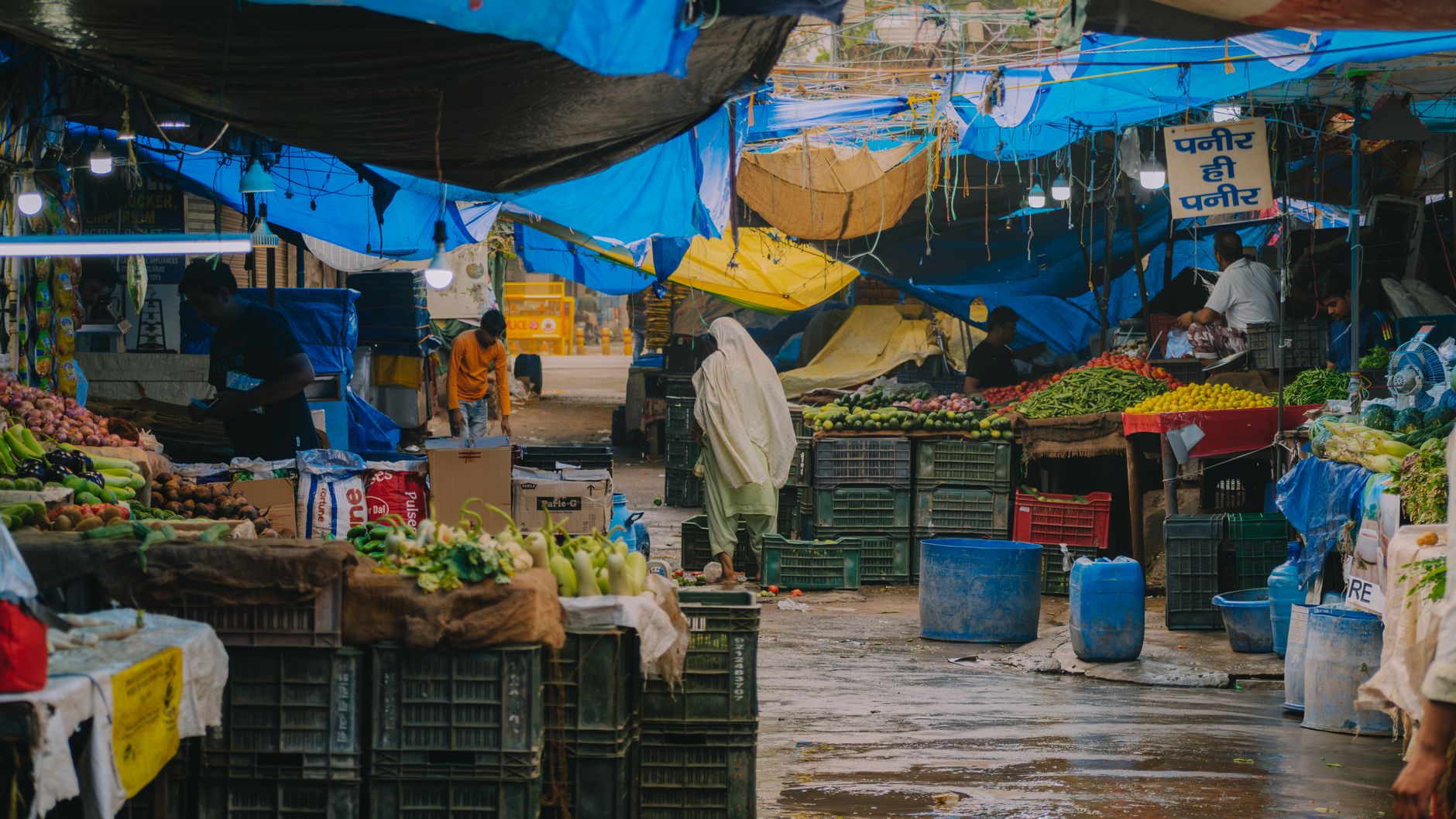
For the millions living in the broader region, particularly those in areas already grappling with humanitarian crises, the ripple effects of a renewed conflict would be catastrophic. Supply chains for essential goods, already fragile, could collapse, exacerbating food insecurity and limiting access to vital medical supplies. Refugee flows would likely increase, placing immense strain on neighboring countries and international aid organizations already stretched to their limits. The economic fallout would be widespread, impacting trade, investment, and the livelihoods of countless individuals across the Middle East, further destabilizing an already volatile region. This is not merely a political chess match; it is a matter of survival for ordinary people caught in the crossfire.
The international community, while focused on high-level negotiations, must not lose sight of the individuals whose lives hang in the balance. Every diplomatic effort, every ceasefire negotiation, and every aid package ultimately aims to alleviate the suffering of civilians. Their voices, often unheard amidst the clamor of geopolitical strategy, represent the true measure of success or failure in these complex situations. Ensuring their safety, access to humanitarian aid, and ultimately, a pathway to lasting peace, must remain at the forefront of all discussions, reminding decision-makers of the profound human responsibility they carry.
How We Got Here
The current precarious situation is the culmination of decades of unresolved conflict and more recent, rapidly escalating tensions. The initial ceasefire, which brought a temporary halt to a devastating period of violence, was always understood to be fragile, a pause rather than a resolution. Underlying grievances, territorial disputes, and deeply entrenched animosities were never fully addressed, leaving the region ripe for renewed hostilities. Both sides have consistently accused the other of violating the spirit, if not the letter, of the ceasefire, creating an environment of mutual distrust and heightened alert. This historical context of intermittent conflict and failed peace initiatives is crucial to understanding the current brinkmanship.
The recent surge in rhetoric and military posturing can be traced to a series of specific incidents and policy decisions. Reports of cross-border incursions, targeted strikes, and intelligence operations have chipped away at the fragile peace, pushing both sides closer to the precipice. Domestically, political pressures within both Israel and Iran, as well as their respective proxies, often dictate a hardline stance, making concessions difficult and escalating rhetoric almost inevitable. The absence of robust, sustained diplomatic channels capable of de-escalating minor incidents before they spiral into major crises has exacerbated the problem, leaving little room for error or miscalculation.
Compounding these regional dynamics is the complex interplay of international powers. The United States, a key player, has been attempting to balance its strategic interests with its role as a mediator. Its engagement in technical talks with Iran in Doha is a direct response to the escalating crisis, reflecting a desperate attempt to prevent a full-blown regional war. However, the legacy of the withdrawn JCPOA and the imposition of sanctions have created deep mistrust between Washington and Tehran, making any progress exceptionally challenging. The current moment is a critical juncture, where past grievances and present anxieties converge, threatening to ignite a broader conflict with unpredictable global repercussions.
Why This Cannot Be Ignored
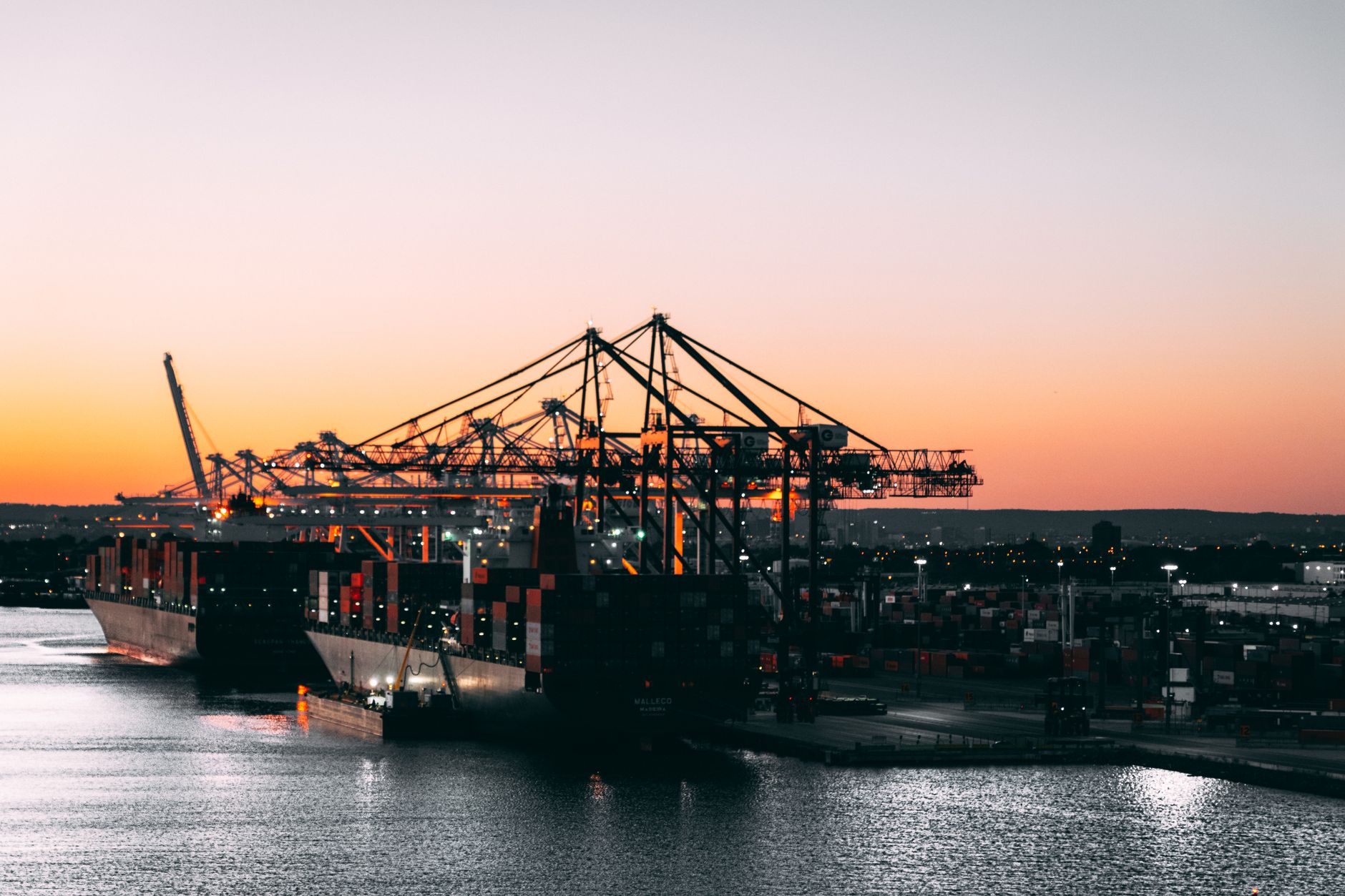
The potential resumption of hostilities in the Middle East carries far-reaching implications that extend well beyond the immediate conflict zone. A full-scale war would not only devastate the lives of millions in the region but would also trigger a cascade of global consequences. Energy markets would experience extreme volatility, driving up oil prices and potentially plunging the world into an economic recession. International trade routes, particularly those vital for global commerce, could be disrupted, leading to widespread supply chain issues and increased costs for consumers worldwide. The interconnectedness of the global economy means that instability in one critical region can quickly translate into economic hardship everywhere.
Beyond economics, a renewed conflict would severely test the already strained international diplomatic framework. It could undermine efforts to address other pressing global challenges, diverting resources and attention away from issues like climate change, pandemics, and humanitarian crises. The credibility of international institutions and their ability to mediate conflicts would be questioned, potentially leading to a more fragmented and less cooperative global order. Furthermore, the conflict could draw in other regional and international actors, creating a dangerous proxy war scenario with unpredictable alliances and even more devastating outcomes, making a peaceful resolution increasingly elusive.
For the United States and its allies, the stakes are particularly high. A regional war could necessitate direct intervention, leading to significant financial and human costs. It could also empower extremist groups, further destabilizing an already fragile geopolitical landscape and creating new security threats. The ongoing technical talks in Doha, therefore, represent a critical window of opportunity to avert a catastrophe. Their success or failure will not only determine the immediate future of the Middle East but will also send a powerful signal about the efficacy of diplomacy in addressing complex international disputes. The world watches with bated breath, understanding that the consequences of inaction or miscalculation are simply too grave to ignore.
Possible Paths Forward
One immediate path forward hinges on the success of the ongoing technical talks between the United States and Iran in Doha. These discussions, while focused on specific issues like de-escalation and prisoner exchanges, could serve as a crucial foundation for broader diplomatic engagement. If these talks yield tangible results, even small ones, they could build much-needed trust and create momentum for more comprehensive negotiations, potentially including a revival of the Joint Comprehensive Plan of Action (JCPOA). A successful outcome here would demonstrate that dialogue, even amidst deep mistrust, remains a viable tool for preventing conflict and managing complex geopolitical rivalries. The challenge lies in overcoming decades of animosity and finding common ground on highly contentious issues.
Alternatively, a failure of these talks, or a breakdown in the current fragile ceasefire, could lead to a rapid escalation of hostilities. In such a scenario, international mediation efforts would intensify, likely involving the United Nations and other global powers, to broker a new, more robust ceasefire. This path, however, is fraught with danger, as active conflict makes diplomatic solutions significantly harder to achieve. It would likely involve increased humanitarian aid efforts, sanctions, and potentially even military deterrents from external actors, further complicating the geopolitical landscape and increasing the risk of a wider regional conflagration. The international community would be forced to react to events rather than proactively shape them.
A third, more long-term but essential path involves a concerted effort to address the root causes of instability in the region. This would require sustained diplomatic engagement, economic development initiatives, and a commitment from all parties to de-escalate rhetoric and build confidence. Regional security frameworks, involving all relevant states, could be explored to foster greater transparency and reduce the likelihood of miscalculation. While this path is the most challenging and requires immense political will, it offers the only sustainable solution for lasting peace and stability in the Middle East. Without addressing the underlying issues, any temporary ceasefire or agreement will merely delay the inevitable resurgence of conflict.
Questions People Are Actually Asking
What to Watch
- The outcome of the US-Iran technical talks in Doha: Any official statements or leaks regarding progress, or lack thereof, will be crucial indicators of whether de-escalation is achievable or if tensions are set to further escalate in the immediate future.
- Statements from Israeli and Iranian officials: Pay close attention to any shifts in rhetoric, particularly from high-ranking military or political figures, as these can signal an imminent change in strategy or a heightened state of alert from either side.
- Activity on the ground in border regions: Reports of military movements, cross-border incidents, or increased security measures in areas prone to conflict will be key indicators of whether the ceasefire is holding or if hostilities are about to resume.
- International diplomatic efforts beyond Doha: Observe whether other global powers or international bodies like the UN step up their mediation efforts, which would suggest a recognition of the severe risk of broader conflict and a push for wider engagement.
- Global oil prices and financial markets: Significant fluctuations in these markets often reflect investor anxiety about geopolitical instability, providing a real-time barometer of perceived risk and the potential for economic fallout from regional conflict.
- Humanitarian aid agency reports: Increased calls for aid, reports of displacement, or warnings from humanitarian organizations will highlight the escalating human cost and the urgency of the situation, often preceding or accompanying military action.








Comments
No comments yet. Be the first to comment!