

Policy Snapshot
- The Federal Reserve is closely monitoring labor market data, including job openings and wage growth, as key indicators for future monetary policy adjustments, particularly concerning interest rates and inflation targets.
- Government stimulus packages and infrastructure spending initiatives, enacted over the past few years, have injected significant capital into various sectors, inadvertently bolstering demand for labor even amidst external economic shocks.
- Current fiscal policies aim to balance economic growth with inflation control, a delicate act complicated by persistent labor shortages in critical sectors and the unpredictable impacts of global geopolitical events.
- Regulatory frameworks in place, such as those governing hiring practices and worker protections, contribute to the structural rigidity and resilience observed in the labor market, preventing rapid contractions.
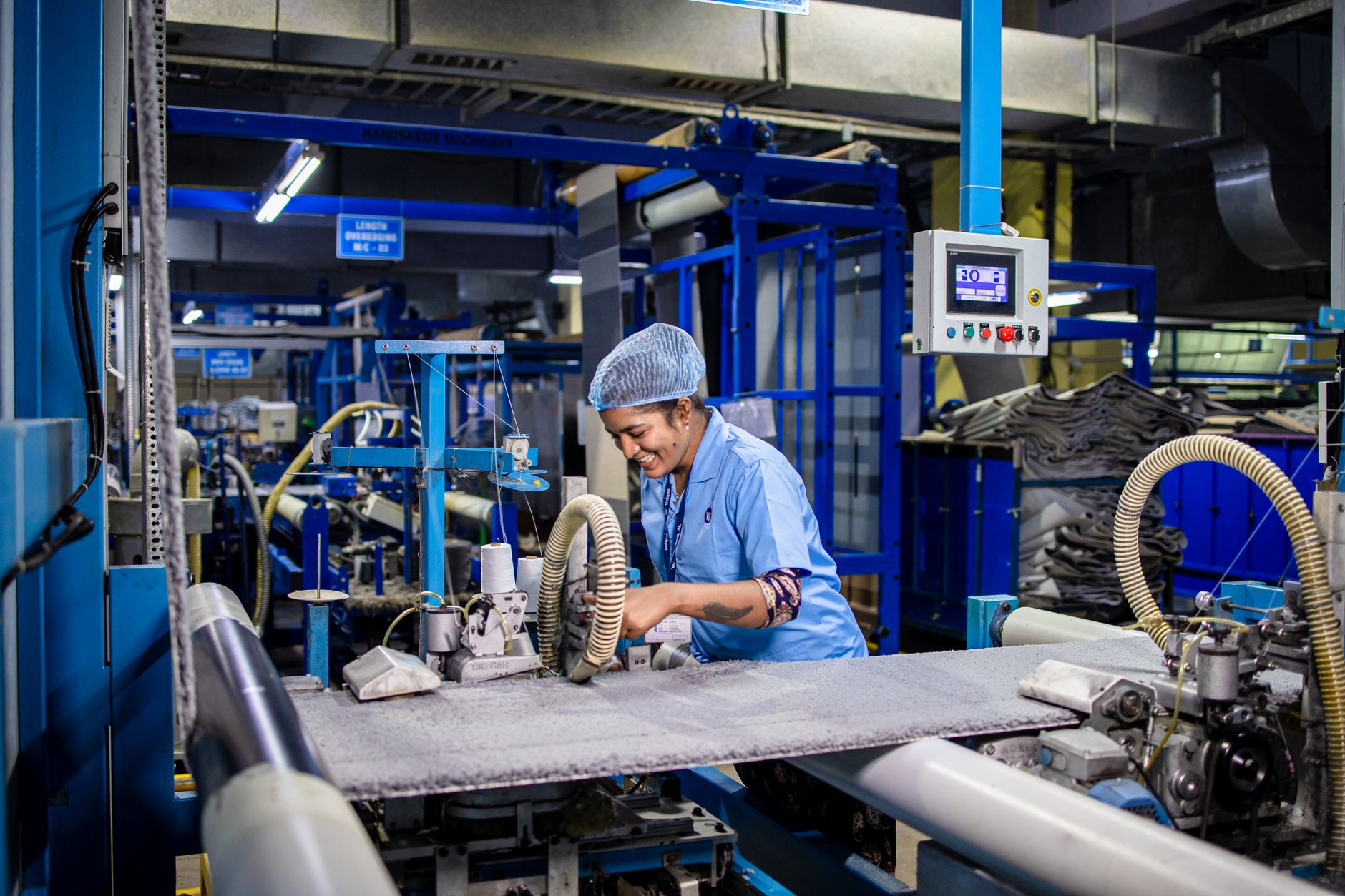
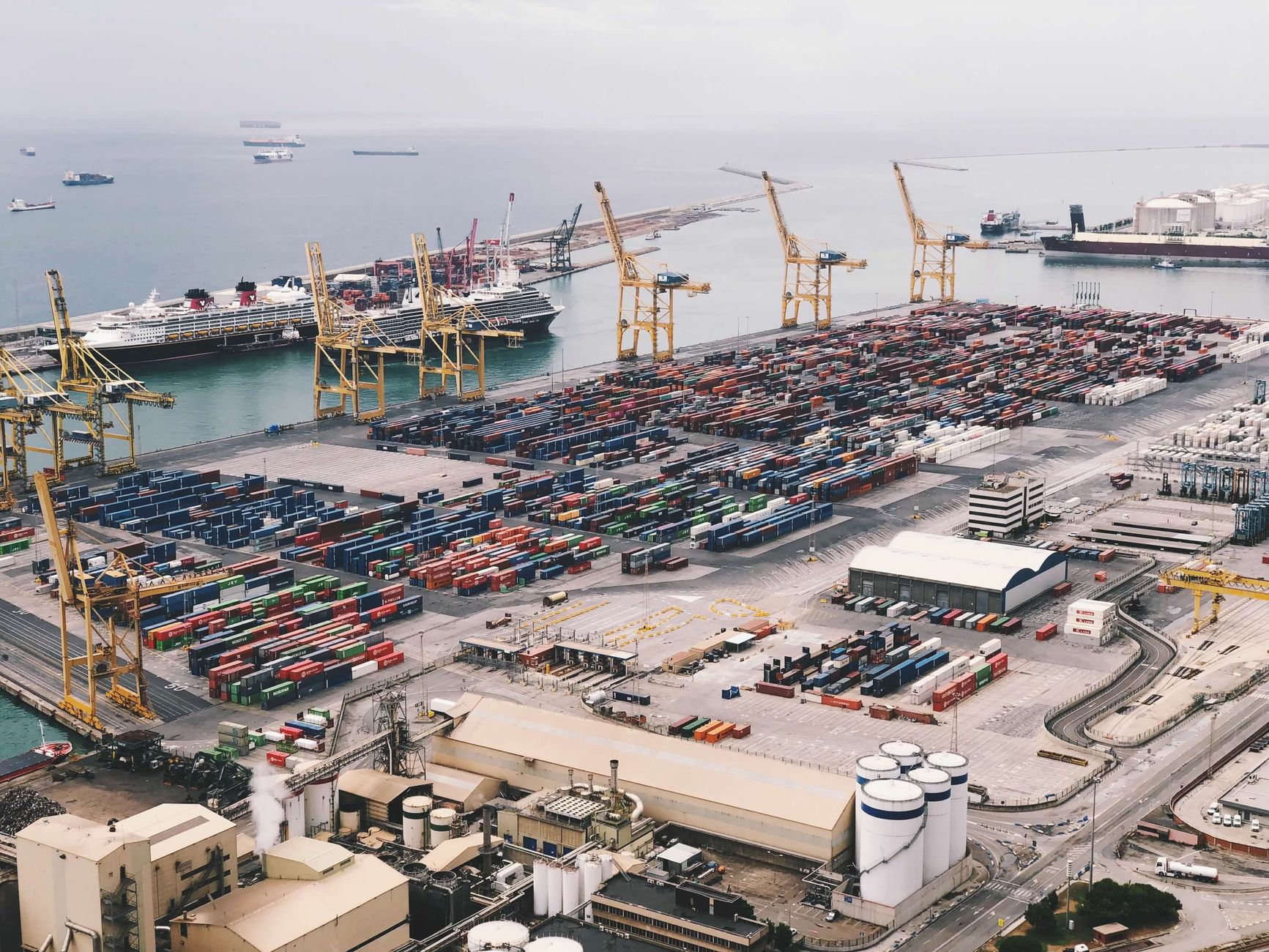
- Trade policies, especially those related to supply chain reshoring and domestic manufacturing incentives, are indirectly fueling job creation in specific industries, counteracting broader economic headwinds.
- The administration's focus on workforce development programs and vocational training initiatives is designed to address skill gaps, ensuring a steady pipeline of qualified workers to meet the sustained demand for labor across diverse sectors.
The Policy History
The resilience of the current job market, particularly the unexpected strength in job openings despite looming geopolitical crises, is not an isolated phenomenon but rather the culmination of several years of deliberate policy interventions and unprecedented economic shifts. Following the severe economic disruption of the early 2020s, policymakers implemented a series of aggressive fiscal and monetary measures designed to prevent a prolonged recession and stimulate rapid recovery. These included massive unemployment benefits, direct stimulus payments, and historically low interest rates, which collectively injected trillions of dollars into the economy and cushioned the blow for both businesses and consumers. This robust support system laid the groundwork for a surprisingly swift rebound, fostering an environment where demand for goods and services outpaced initial expectations, subsequently driving a strong demand for labor.
Furthermore, structural changes in the global supply chain, exacerbated by recent international events, have prompted many companies to re-evaluate their operational strategies, leading to a renewed focus on domestic production and nearshoring. This strategic pivot, often encouraged by government incentives and national security concerns, has directly contributed to increased hiring within the manufacturing, logistics, and technology sectors in the U.S. The ongoing trade disputes and geopolitical tensions, while creating uncertainty, have paradoxically accelerated this trend, creating new job opportunities that might not have emerged under different circumstances. This shift represents a significant departure from previous decades of globalization, marking a new era of localized economic activity.
The labor market's current state also reflects a demographic shift and evolving worker preferences. The 'Great Resignation' phenomenon, coupled with an aging workforce, has led to persistent labor shortages in key industries, giving workers more leverage and prompting employers to offer more competitive wages and benefits. Government policies aimed at enhancing worker protections and promoting unionization have further empowered employees, contributing to a tighter labor market where job openings remain high even as economic growth moderates. This complex interplay of historical policy responses, geopolitical realignments, and changing workforce dynamics has created a unique economic landscape where job demand continues to defy conventional expectations.
Who Is Affected
The sustained strength in job openings, even amidst global economic turbulence, profoundly impacts a diverse range of stakeholders across the U.S. economy. For job seekers, this environment presents a rare window of opportunity, characterized by a competitive market where employers are actively vying for talent. Individuals seeking new employment or career advancement are finding more options, better negotiating power, and potentially higher wages and improved benefits. This is particularly true for those in high-demand sectors such as healthcare, technology, and skilled trades, where labor shortages are most acute. The persistent demand means less time spent unemployed and a greater chance of securing a position that aligns with their skills and aspirations, fostering a sense of economic security for many households.
Conversely, businesses, especially small and medium-sized enterprises (SMEs), face significant challenges in this tight labor market. While robust demand for their products and services is generally positive, the struggle to fill open positions can hinder growth, increase operational costs due to higher wages and training expenses, and potentially lead to service disruptions or delayed project completions. Companies are forced to innovate their recruitment strategies, invest more in employee retention, and sometimes even scale back expansion plans due to a lack of available talent. This pressure is particularly intense in industries that rely heavily on entry-level or specialized labor, where the competition for workers is fiercest, potentially impacting their profitability and long-term viability.
Policymakers and economists are also heavily affected, as the unexpected resilience of the job market complicates their efforts to manage inflation and steer the economy toward a soft landing. The persistent demand for labor, coupled with wage growth, can fuel inflationary pressures, potentially forcing the Federal Reserve to maintain higher interest rates for longer than anticipated. This creates a delicate balancing act: celebrating a strong job market while simultaneously mitigating the risks of overheating. The current scenario challenges traditional economic models and necessitates a nuanced approach to fiscal and monetary policy, as the usual indicators of economic slowdown are not manifesting in the labor sector, making future economic predictions increasingly complex and uncertain.
The Case For
The sustained strength in job openings, even amidst the backdrop of geopolitical instability and economic uncertainty, serves as a powerful testament to the underlying resilience and dynamism of the U.S. economy. Proponents argue that this robust labor demand is a crucial buffer against potential downturns, indicating that consumer spending and business investment remain strong. A healthy job market means more people are employed, earning wages, and contributing to the economy through consumption, which in turn fuels further demand for goods and services. This virtuous cycle creates a self-sustaining economic engine that can absorb external shocks more effectively than a fragile one, providing a critical layer of stability when global conditions are volatile.
Furthermore, high job openings reflect an economy that is actively adapting and growing, with businesses confident enough to expand their workforces despite prevailing uncertainties. This confidence is vital for innovation and long-term economic prosperity. It suggests that companies are investing in future growth, developing new products, and expanding into new markets, all of which require human capital. The willingness of employers to continue hiring, even in the face of rising costs and potential geopolitical disruptions, signals a fundamental belief in the future prospects of the American economy. This forward-looking investment is essential for maintaining a competitive edge on the global stage and fostering sustained prosperity.
From a societal perspective, a strong job market translates into tangible benefits for everyday Americans. It means lower unemployment rates, increased opportunities for upward mobility, and greater financial security for families. Workers have more leverage to negotiate for better wages, benefits, and working conditions, leading to an overall improvement in living standards. This widespread economic well-being can also mitigate social unrest and foster a greater sense of optimism about the future. Therefore, the persistence of high job openings is not merely an economic statistic; it is a fundamental indicator of a healthy, adaptable, and opportunity-rich society, providing a crucial counter-narrative to the prevailing anxieties about global instability.
The Case Against
While a high number of job openings might superficially appear as a sign of economic strength, critics argue that this persistent demand for labor, especially in the current geopolitical climate, presents significant risks and challenges. One primary concern is the exacerbation of inflationary pressures. When job openings remain high and the labor market is tight, employers often have to offer higher wages to attract and retain talent. These increased labor costs can then be passed on to consumers in the form of higher prices for goods and services, contributing to a wage-price spiral that makes inflation more entrenched and difficult to control. This dynamic could force central banks to maintain a more aggressive monetary policy, potentially leading to a sharper economic slowdown than desired.
Another critical argument against viewing high job openings as purely positive is the potential for misallocation of resources and a mismatch between available jobs and worker skills. Many of the open positions might be in sectors experiencing structural labor shortages due to a lack of adequately trained workers, rather than a generalized boom in economic activity. This 'skills gap' means that while jobs are plentiful, many individuals may still struggle to find suitable employment, leading to underemployment or prolonged job searches in specific demographics. Furthermore, the sheer volume of openings could indicate a high churn rate in the labor market, where employees are frequently changing jobs, which can lead to inefficiencies and increased operational costs for businesses trying to stabilize their workforces.
Moreover, the current geopolitical landscape, particularly the ongoing Iran war, introduces a layer of fragility that high job openings alone cannot offset. The economic impacts of such conflicts – including disruptions to global supply chains, spikes in energy prices, and increased investor uncertainty – can quickly erode consumer and business confidence. If these external shocks intensify, the seemingly robust job market could rapidly contract as businesses face rising input costs, reduced demand, or increased financial instability. Relying solely on job opening numbers as an indicator of economic health without fully accounting for these external vulnerabilities could lead to a false sense of security, potentially leaving the economy unprepared for a sudden and severe downturn.

Policy Questions Answered
Implementation Watch
As the U.S. economy continues to navigate a complex landscape of robust labor demand and geopolitical uncertainty, the implementation of existing and potential new policies will be critical. Federal Reserve officials are meticulously scrutinizing every data point, particularly those related to job openings and wage growth, to inform their interest rate decisions. The challenge lies in determining whether the current labor market strength is a sign of healthy expansion or an inflationary pressure cooker. Their policy implementation will likely involve a delicate balancing act, aiming to cool demand just enough to bring inflation down without triggering a recession, a task made harder by the unpredictable external shocks from the Iran war.
Beyond monetary policy, the effectiveness of government initiatives aimed at workforce development and infrastructure spending will be under intense scrutiny. Programs designed to retrain workers for high-demand sectors or to attract skilled immigrants could significantly alleviate labor shortages, but their success hinges on efficient execution and adequate funding. Delays in project completion or bureaucratic hurdles could undermine their intended impact, leaving critical job openings unfilled. The ability of these policies to adapt to evolving economic conditions and unforeseen global events will dictate their ultimate efficacy in sustaining a balanced and resilient labor market.
Furthermore, the private sector's response to these dynamics will play a pivotal role. Companies' decisions regarding investment in automation, employee benefits, and flexible work arrangements will directly influence the supply and demand for labor. Policies that encourage private sector innovation in these areas, such as tax incentives for R&D or support for small businesses, could amplify positive outcomes. However, if businesses react to uncertainty by hoarding cash or delaying expansion, even well-intentioned government policies might struggle to maintain the current level of job market buoyancy. The interplay between public policy and private sector strategy will be the true test of the economy's ability to maintain its surprising labor market strength.














Comments
No comments yet. Be the first to comment!