
The Story in Brief
- Indian exporters are witnessing a notable increase in inquiries from US buyers, signaling a potential shift in global supply chains as companies seek alternatives to China.
- Despite the surge in interest, these inquiries are not consistently translating into firm orders, indicating a cautious approach by US companies awaiting clearer policy signals.
- The uncertainty surrounding potential tariff hikes by a future Trump administration is the primary driver behind this exploratory phase, as businesses prepare for various trade scenarios.
- Sectors like textiles, engineering goods, and pharmaceuticals in India are particularly experiencing this heightened interest, suggesting specific vulnerabilities and opportunities within the global market.
- Exporters are actively engaging with these potential new clients, participating in virtual meetings and sharing product samples, even as they navigate the speculative nature of these early discussions.
- The current situation highlights a broader trend of supply chain diversification, where companies are strategically evaluating risks associated with over-reliance on single manufacturing hubs like China.
The Human Face
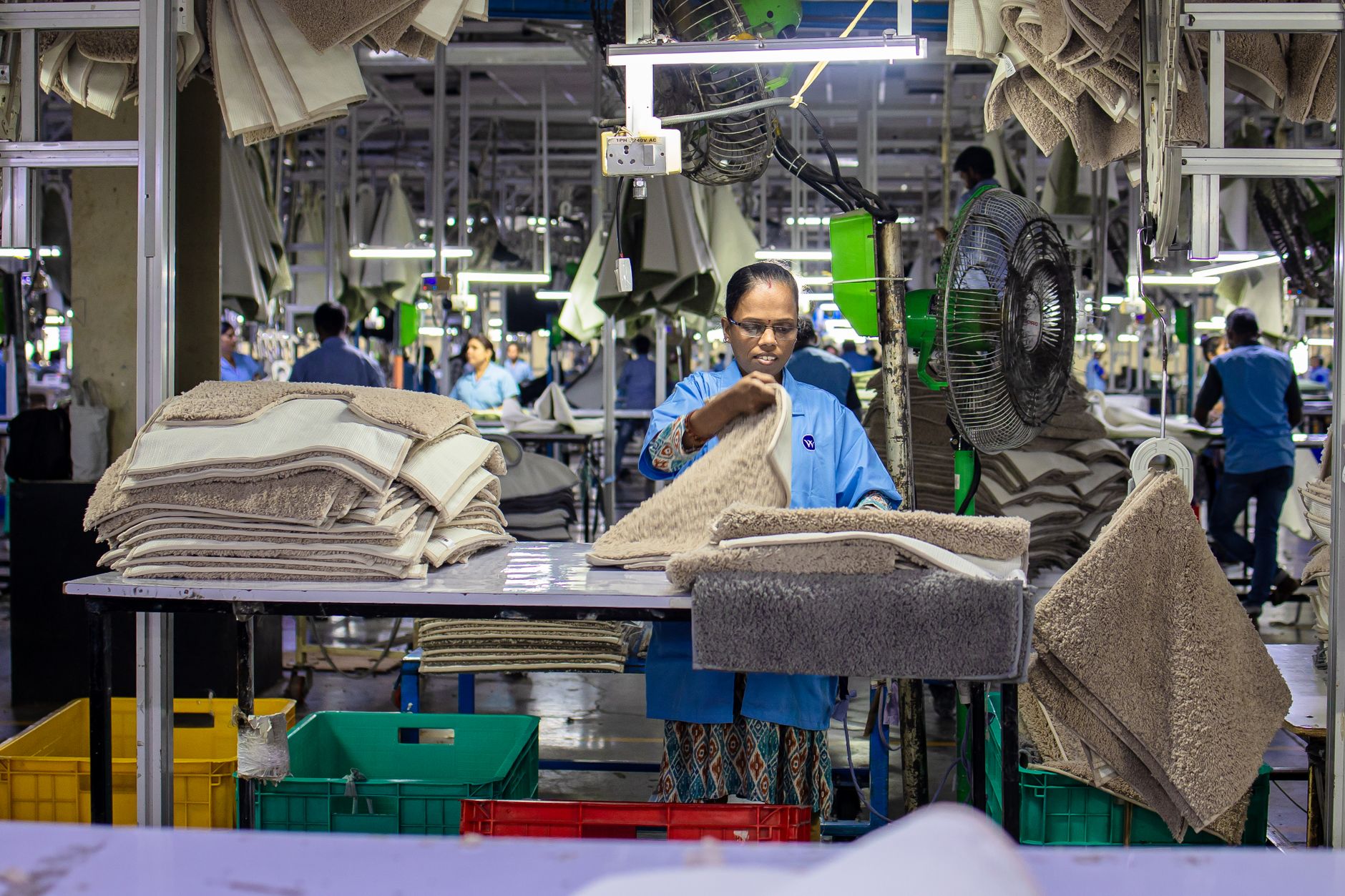
For many Indian exporters, the current climate is a mix of cautious optimism and palpable frustration. Rajesh Sharma, a textile exporter from Tirupur, notes, "We're seeing a definite uptick in emails and calls from US companies that previously sourced exclusively from China. They're asking for samples, discussing lead times, and inquiring about our production capacity. It's exciting to see this level of interest, as it opens up new avenues for growth that were previously inaccessible." This surge in communication, however, often stops short of concrete commitments, leaving many like Sharma in a holding pattern, investing time and resources without guaranteed returns.
The human element of this trade uncertainty extends beyond just the business owners. Workers on factory floors, logistics managers, and even raw material suppliers are all feeling the ripple effects. A potential increase in orders could mean more jobs, better wages, and expanded production facilities, injecting much-needed vitality into local economies. Conversely, if these inquiries fail to materialize into actual contracts, the dashed hopes could lead to a sense of stagnation, making long-term planning incredibly difficult for businesses and their employees alike. The emotional toll of this 'wait and see' game is significant, as livelihoods hang in the balance.
Furthermore, the nature of these inquiries often involves extensive due diligence from the US side, including factory audits and detailed product specifications. This requires Indian exporters to invest considerable effort in demonstrating compliance and capability, often without the assurance of a future order. "We've spent weeks preparing detailed proposals and sending multiple rounds of samples," explains Pooja Singh, who runs an engineering goods firm in Pune. "While we understand the need for thorough vetting, it's a significant drain on resources when the ultimate decision is contingent on political outcomes beyond our control. We're essentially doing speculative work, hoping that the political winds blow in our favor." This underscores the precarious position many are in, navigating global political currents with their business futures.
How We Got Here
The current trade landscape is largely shaped by the lingering specter of the Trump administration's protectionist policies, particularly its aggressive stance on tariffs against Chinese goods. During his previous term, former President Trump imposed significant tariffs on a wide range of imports from China, fundamentally altering global supply chains and prompting many US companies to seek alternative sourcing destinations. These tariffs, implemented under Section 301 of the Trade Act of 1974, were designed to pressure China on trade practices deemed unfair, including intellectual property theft and forced technology transfer. The economic impact was immediate, forcing businesses to absorb higher costs or re-evaluate their manufacturing and procurement strategies.
Following the initial implementation of these tariffs, many US businesses began a gradual, often painful, process of diversifying their supply chains. This 'China+1' strategy aimed to reduce reliance on a single country, mitigating risks associated with geopolitical tensions, trade disputes, and even natural disasters. Countries like Vietnam, Mexico, and India emerged as potential beneficiaries of this shift. However, the process of relocating or diversifying supply chains is complex, costly, and time-consuming, involving significant investments in new infrastructure, supplier relationships, and logistics. This initial wave of diversification laid the groundwork for the current situation, where companies are now acutely sensitive to renewed tariff threats.
The recent rhetoric from former President Trump, indicating a potential return to or even an escalation of tariff policies if re-elected, has injected a fresh wave of uncertainty into the global economy. This political speculation is now driving the current surge in inquiries to Indian exporters. US companies, having experienced the disruption of the previous tariff regime, are proactively exploring options to insulate themselves from potential future shocks. They are not waiting for tariffs to be imposed; rather, they are engaging in pre-emptive due diligence, identifying and vetting alternative suppliers to ensure business continuity and cost stability in a potentially volatile trade environment. This anticipatory behavior underscores the deep impact of political rhetoric on international commerce.
Why This Cannot Be Ignored
This phenomenon cannot be ignored because it signals a profound, potentially irreversible, re-alignment of global supply chains. The current surge in inquiries, even without immediate orders, represents a critical stress test for the existing international trade architecture. Companies are not merely reacting to current events; they are actively de-risking their operations against future political uncertainties. If these inquiries eventually translate into substantial orders, it could fundamentally shift manufacturing hubs, impacting employment, economic growth, and geopolitical influence across various nations. The long-term implications for global trade flows and economic interdependence are immense, making this a pivotal moment for international commerce.
For India, this presents a monumental opportunity to solidify its position as a reliable and competitive manufacturing alternative to China. Successfully converting these inquiries into sustained business relationships could unlock significant economic growth, create millions of jobs, and boost India's export revenues dramatically. However, it also places immense pressure on Indian infrastructure, manufacturing capabilities, and regulatory environment to meet the stringent demands of international buyers. The ability of Indian businesses and government to seize this moment will determine whether India truly becomes a global manufacturing powerhouse or if this remains a fleeting opportunity, underscoring the high stakes involved.
Moreover, the situation highlights the increasing politicization of global trade. The threat of tariffs, driven by nationalistic economic policies, creates an environment of instability that forces businesses to prioritize resilience over efficiency. This shift can lead to higher costs for consumers, reduced global economic output, and increased friction between trading partners. The current cautious approach by US buyers reflects a deep-seated anxiety about policy unpredictability, demonstrating that political rhetoric alone can have tangible economic consequences, even before any policies are officially enacted. Understanding this dynamic is crucial for anticipating future global economic trends and mitigating potential disruptions.
Possible Paths Forward
One primary path forward involves US companies continuing their strategic diversification away from China, regardless of the ultimate outcome of the US elections. The 'China+1' or 'China-plus-many' strategy has gained significant traction due to various factors beyond just tariffs, including rising labor costs in China, geopolitical tensions, and the desire for greater supply chain resilience. Even if a future US administration does not impose new tariffs, the lessons learned from recent disruptions, such as the COVID-19 pandemic and existing trade disputes, will likely compel companies to maintain diversified sourcing strategies. This means Indian exporters could still see a gradual, sustained increase in orders as companies prioritize risk mitigation and long-term stability over short-term cost efficiencies.
Another significant path hinges directly on the political landscape in the United States. If a Trump administration returns and implements the threatened tariffs, the trickle of inquiries to India could rapidly transform into a flood of firm orders. In this scenario, US companies would be forced to accelerate their pivot away from China to avoid punitive import duties, making India an even more attractive alternative. This would necessitate a rapid scale-up of production and logistics capabilities within India, presenting both immense opportunities and significant challenges for the Indian manufacturing sector. The speed and scale of this potential shift would test India's readiness to absorb a massive influx of global demand, requiring swift policy responses and infrastructure development.
Conversely, a path exists where the tariff threats do not materialize, or a more conciliatory trade policy emerges from the US. In this scenario, the urgency for US companies to shift supply chains might diminish, potentially slowing the conversion of inquiries into orders. However, it is unlikely that the interest in India would completely disappear. The initial due diligence and relationship-building undertaken during this period of uncertainty would still provide Indian exporters with a stronger foundation for future business. Companies that have explored alternatives will retain that knowledge and those connections, making future diversification easier if new disruptions arise. This path suggests a more measured, but still positive, long-term trajectory for India's role in global supply chains, emphasizing the enduring value of strategic preparation.

Questions People Are Actually Asking
What to Watch
- The rhetoric and policy proposals from leading US presidential candidates, especially regarding trade and tariffs, will be crucial indicators of future policy direction and market sentiment.
- Any official announcements or legislative actions concerning tariffs on Chinese goods, particularly after the US elections, will directly impact the urgency and volume of supply chain shifts.
- Reports from major US industry associations on their members' sourcing strategies and intentions will provide insights into the collective response of American businesses to trade uncertainties.
- Investment trends in India's manufacturing sector, including foreign direct investment and domestic capacity expansion, will signal the country's readiness to absorb increased global demand.
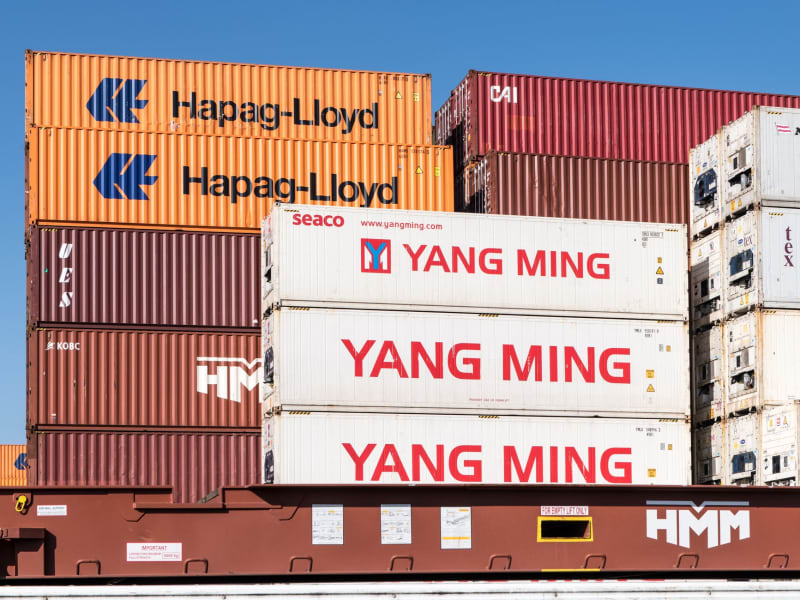
- Logistics and shipping costs between India and the US: significant changes could either facilitate or hinder the shift in supply chains, affecting the competitiveness of Indian exports.
- The ongoing geopolitical relationship between the US and China: any escalation or de-escalation of tensions will directly influence the imperative for US companies to diversify their sourcing.





Comments
No comments yet. Be the first to comment!