
What We Know
- A recent report definitively concludes that China emerged as a significant beneficiary from the Trump administration's foreign policy decisions and military engagements in the Middle East, solidifying its strategic position on the global stage.
- The report meticulously details how the United States' sustained focus and resource allocation towards Middle Eastern conflicts created a strategic vacuum and distraction, allowing China to advance its economic and geopolitical interests largely unhindered.
- China capitalized on the reduced U.S. presence and influence in various regions, particularly through its Belt and Road Initiative, expanding infrastructure projects and forging new economic partnerships across Asia, Africa, and even parts of Europe.
- The perceived instability and unpredictability of U.S. foreign policy under Trump prompted several traditional American allies to re-evaluate their alliances and, in some cases, explore closer ties with alternative global powers, including China.
- Beijing strategically positioned itself as a reliable and stable partner for economic development and trade, contrasting with the perceived transactional and often disruptive approach of the Trump administration.
- The report highlights that while the U.S. was embroiled in complex and costly Middle Eastern interventions, China was systematically investing in technological advancements, military modernization, and diplomatic outreach, bolstering its long-term global power projection.
What We Do Not Know Yet
- The full extent of China's long-term strategic gains from this period remains to be precisely quantified, as many of its initiatives, such as the Belt and Road, are still in various stages of development and their ultimate impact is yet to be fully realized.
- It is unclear how deeply these shifts in global power dynamics are entrenched and whether a change in U.S. administration or foreign policy approach could effectively reverse or significantly alter China's enhanced influence in the coming years.
- The specific internal deliberations and strategic planning within the Chinese Communist Party that allowed them to so effectively capitalize on U.S. policy decisions are not fully transparent to external observers, leaving a gap in understanding their opportunistic strategies.
- The precise impact on the U.S.'s traditional alliances and its ability to rally international support against China's rising influence, particularly in critical regions like the Indo-Pacific, is still being assessed and could evolve significantly.
- Whether this period of U.S. distraction and Chinese ascent will lead to a more multipolar world order or simply a new bipolar competition between the U.S. and China is a subject of ongoing debate among geopolitical analysts.
- The long-term economic implications for Middle Eastern nations, particularly those that have historically relied on U.S. security guarantees and economic partnerships, as they increasingly engage with China, are still an unfolding narrative.
Background
The Trump administration's foreign policy was characterized by a distinct shift away from multilateralism and a heightened focus on 'America First' principles, which often translated into a more transactional approach to international relations and a reduced emphasis on traditional alliances. In the Middle East, this manifested as a withdrawal from the Iran nuclear deal, increased military presence in some areas while signaling disengagement in others, and a general unpredictability that unsettled both allies and adversaries. These actions, while intended to serve U.S. interests, inadvertently created a complex geopolitical environment ripe for other global powers to exploit.
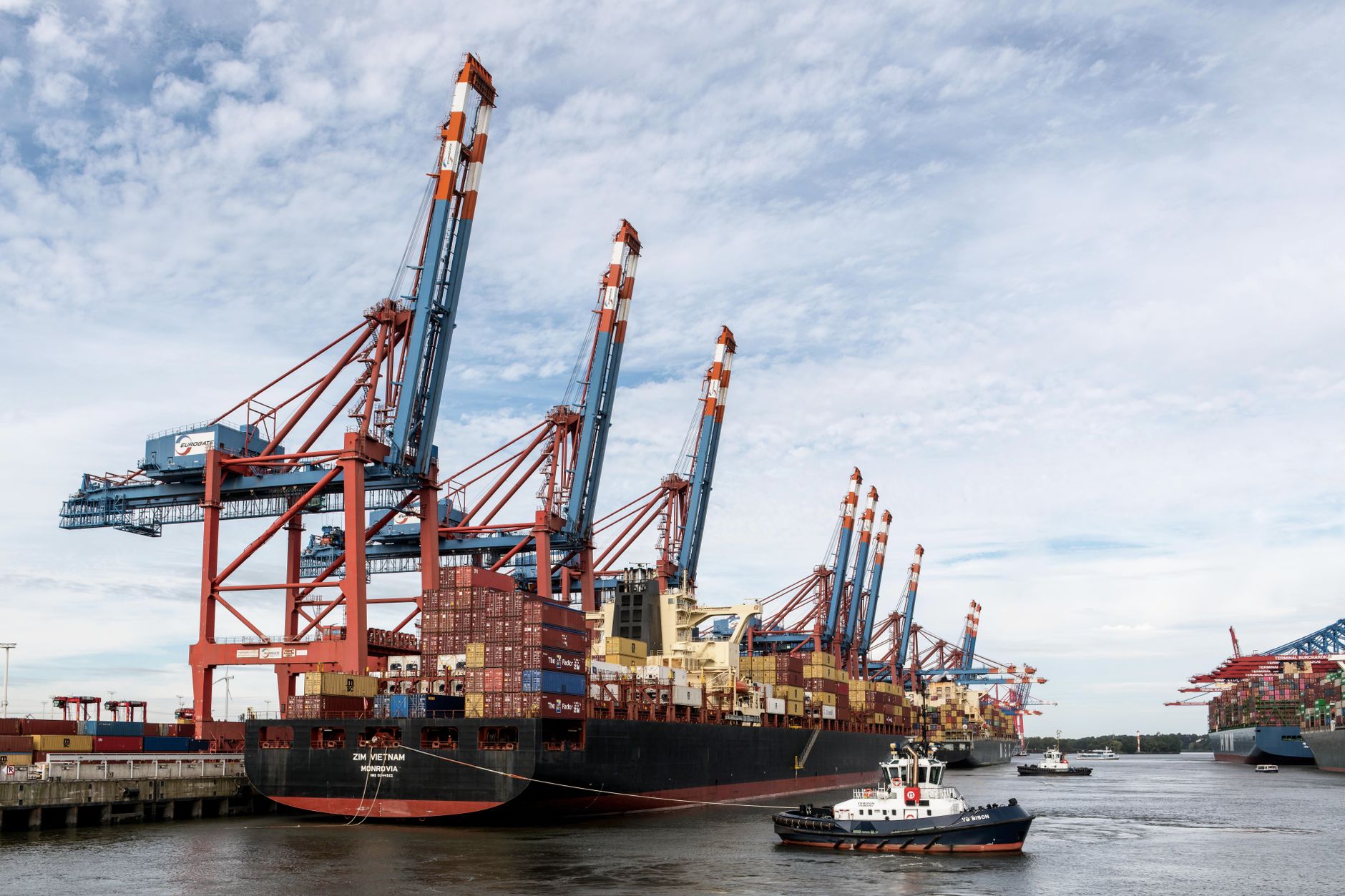
Simultaneously, China has been systematically pursuing its ambitious Belt and Road Initiative (BRI), a massive global infrastructure development strategy aimed at connecting Asia with Africa and Europe through land and maritime networks. This initiative, often seen as a cornerstone of China's foreign policy, involves substantial investments in ports, railways, roads, and energy pipelines across dozens of countries. While the U.S. was primarily engaged in counter-terrorism operations and managing regional conflicts, China was quietly but effectively building economic dependencies and diplomatic leverage through these infrastructure projects, particularly in regions where the U.S. presence was perceived to be waning.
The report underscores a critical divergence in strategic priorities. While the U.S. was expending significant resources and political capital on military interventions and crisis management in the Middle East, China was executing a long-term strategy of economic integration and soft power projection. This allowed Beijing to expand its influence without direct military confrontation, presenting itself as a partner for development rather than a security guarantor. The cumulative effect of these contrasting approaches has fundamentally altered the global power balance, leading to the conclusion that China has indeed been a significant, albeit indirect, beneficiary of the U.S.'s Middle East policies during this period.
Why It Matters
This shift in global power dynamics is not merely an academic observation; it has profound and tangible implications for international stability, economic partnerships, and future geopolitical alignments. As China's influence expands, its economic models and political values gain traction, potentially challenging the long-standing liberal democratic order championed by the United States and its allies. The report's findings suggest that the U.S. may have inadvertently ceded significant strategic ground, making it more challenging to counter China's rising assertiveness in critical regions like the Indo-Pacific and beyond. This rebalancing of power could lead to increased competition, not just militarily, but also in areas such as technology, trade, and governance.
For the United States, understanding these consequences is crucial for recalibrating its foreign policy. The report serves as a stark warning about the opportunity costs of prolonged engagement in certain regions, especially when another major power is strategically exploiting those distractions. Future U.S. administrations must critically evaluate how their global commitments align with their long-term strategic objectives, particularly concerning the rise of peer competitors. A failure to adapt could result in a further erosion of U.S. leadership and influence, impacting everything from global trade rules to international security frameworks.
Moreover, for nations worldwide, this report highlights the evolving landscape of international relations. Countries that have historically relied on U.S. security assurances or economic partnerships may find themselves navigating a more complex environment, potentially needing to balance relations between Washington and Beijing. The increased economic leverage of China, particularly through initiatives like the BRI, could create new dependencies and reshape regional power balances in ways that were unimaginable a decade ago. This necessitates a careful re-evaluation of national foreign policy strategies to adapt to a world where China plays an increasingly central and influential role.
Timeline of Events
- January 2017: Donald Trump assumes the U.S. presidency, initiating an 'America First' foreign policy agenda that prioritizes domestic interests and often questions existing international agreements and alliances, signaling a potential shift in global engagement.
- May 2017: China hosts the first Belt and Road Forum in Beijing, showcasing its ambitious global infrastructure initiative to world leaders and solidifying its commitment to expanding economic and political influence across continents.
- May 2018: The Trump administration withdraws from the Joint Comprehensive Plan of Action (JCPOA), commonly known as the Iran nuclear deal, leading to heightened tensions in the Middle East and a renewed focus on regional security challenges for the U.S.
- Throughout 2018-2019: The U.S. engages in escalating trade disputes with China, imposing tariffs on billions of dollars worth of Chinese goods, which paradoxically drives some nations to seek more stable trade relations elsewhere, including with China.
- January 2020: The U.S. conducts an airstrike killing Iranian General Qassem Soleimani, further escalating tensions in the Middle East and diverting significant U.S. strategic attention and resources to the region during a critical period.
- 2020-2021: As the U.S. grapples with domestic challenges and continues its Middle East engagements, China actively expands its diplomatic and economic footprint, particularly through vaccine diplomacy and continued BRI investments, strengthening its position as a global leader.
Rapid-Fire Q&A
What Is Coming
- Expect intensified debate within U.S. policy circles regarding the optimal allocation of resources and strategic focus, with increasing calls to pivot attention from the Middle East towards countering China's growing global influence, particularly in the Indo-Pacific region.
- A renewed emphasis on strengthening alliances and partnerships will likely emerge as a key strategy for the U.S. to collectively push back against China's expanded economic and diplomatic footprint, involving initiatives to offer compelling alternatives to Beijing's Belt and Road projects.
- China will likely continue to consolidate its gains, leveraging its expanded economic ties and diplomatic influence to further its geopolitical objectives, potentially leading to increased assertiveness in areas like the South China Sea and global governance forums.
- Middle Eastern nations will face increasing pressure to navigate the complex geopolitical landscape, balancing their security interests with the U.S. against their growing economic dependencies and opportunities with China, potentially leading to more diversified foreign policies.
- The global economic order could see further shifts as China's economic models and standards gain wider acceptance, challenging the long-standing dominance of Western-led institutions and potentially reshaping international trade and investment norms.
- Technological competition between the U.S. and China is expected to intensify, with both nations vying for leadership in critical sectors like AI, quantum computing, and advanced manufacturing, further impacting global supply chains and national security considerations.












Comments
No comments yet. Be the first to comment!