
The Story in Brief
- Russian economic sentiment has plummeted to its lowest point in two decades, marking a significant downturn in public confidence regarding the nation's financial future and stability.
- Gallup's Economic Outlook Index for Russia has registered a staggering -30, a dramatic fall from +10 just a year prior, indicating a profound shift in how ordinary Russians perceive their economic prospects.
- This sharp decline in optimism is directly linked to the sweeping international sanctions imposed on Russia following its actions in Ukraine, which have severely impacted various sectors of the economy.
- The negative sentiment is pervasive across all demographic groups within Russia, suggesting that the economic challenges are not isolated but are broadly felt throughout society.
- Historically, the last time Russia experienced such a low economic outlook was in 1999, highlighting the severity and unprecedented nature of the current economic climate for many citizens.
- The current economic downturn is not merely a statistical anomaly but reflects genuine anxieties among the Russian populace about inflation, job security, and the long-term viability of their financial well-being.
The Human Face
The abstract numbers of economic indices often obscure the very real anxieties and hardships faced by ordinary citizens. In Russia, the precipitous drop in economic sentiment translates directly into palpable fear and uncertainty for millions of households. Families are grappling with rapidly rising prices for essential goods, making everyday life increasingly challenging. The ruble's volatility means that savings can erode overnight, and the cost of imports, from electronics to medicines, has skyrocketed, placing immense pressure on household budgets that are already stretched thin. This isn't just about statistics; it's about parents worrying how to feed their children, elderly citizens struggling to afford their prescriptions, and young professionals seeing their career prospects dim.
Beyond the immediate financial strain, there's a profound psychological toll. The sense of stability that many Russians had grown accustomed to over the past two decades has been shattered. The future, once predictable, now appears fraught with unknowns. This pervasive anxiety can lead to decreased consumer spending, as people hoard what little they have, further stifling economic activity. Small businesses, the backbone of many local economies, are particularly vulnerable, facing supply chain disruptions, reduced demand, and difficulties accessing international markets. The human face of this economic downturn is one of resilience tested, dreams deferred, and a collective apprehension about what tomorrow may bring.
Stories emerging from various regions paint a stark picture. A shop owner in Vladivostok struggles to restock imported goods, seeing his customer base shrink. A factory worker in a provincial town fears layoffs as international companies pull out or scale down operations. A young graduate in Moscow, once optimistic about a career in a global firm, now faces a drastically narrowed job market. These individual narratives, multiplied across the vast expanse of Russia, illustrate the profound and widespread impact of the economic downturn. It's a daily battle against rising costs and shrinking opportunities, a testament to the direct consequences of geopolitical tensions on the lives of everyday people.
How We Got Here
The current economic predicament in Russia is not an isolated event but the culmination of a series of geopolitical decisions and their subsequent repercussions. The primary catalyst was Russia's full-scale invasion of Ukraine, which triggered an unprecedented wave of international condemnation and, crucially, a coordinated imposition of severe economic sanctions by Western powers. These sanctions were designed to cripple Russia's financial system, restrict its access to advanced technology, and limit its ability to fund its military operations. This immediate and forceful response fundamentally altered Russia's economic landscape, severing many of its long-standing ties with global markets.
Prior to the invasion, Russia had enjoyed a period of relative economic stability, largely buoyed by its vast energy exports. While not without its structural challenges, the economy had shown resilience to previous, less stringent sanctions imposed after the 2014 annexation of Crimea. However, the scale and scope of the 2022 sanctions were qualitatively different. They targeted Russia's central bank, major state-owned enterprises, key individuals, and critical sectors like finance, energy, and technology. This comprehensive approach aimed to isolate Russia from the global financial system and disrupt its economic engine, leading to an immediate and sharp depreciation of the ruble and a scramble by the Russian government to stabilize its economy.
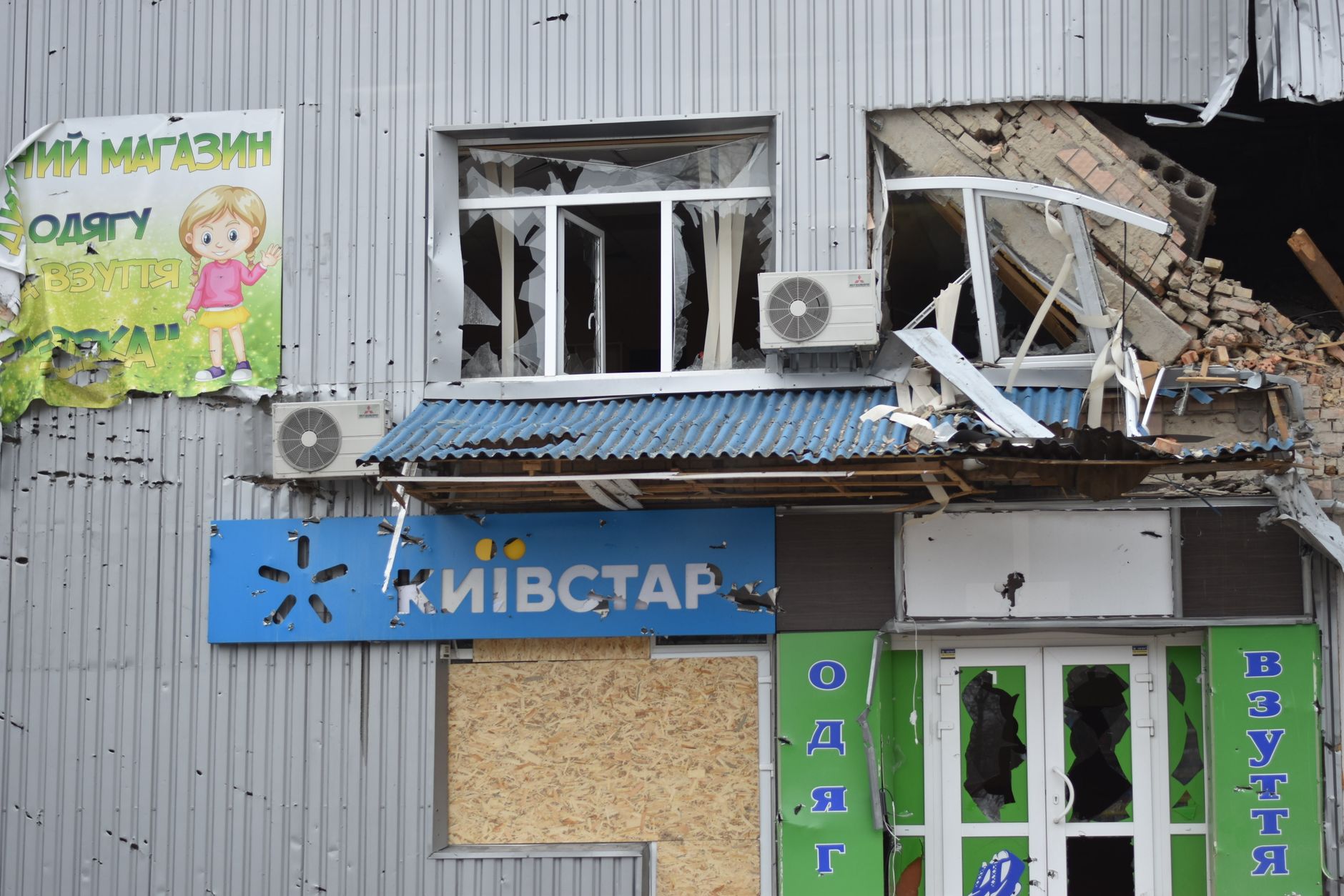
The withdrawal of numerous international companies further exacerbated the situation, leading to job losses, supply chain disruptions, and a significant reduction in foreign investment. Brands that had been ubiquitous in Russian cities for decades suddenly vanished, leaving behind empty storefronts and a sense of growing isolation. While the Russian government has implemented various countermeasures, including capital controls and import substitution policies, these have only partially mitigated the impact. The long-term effects of this economic reorientation, coupled with the erosion of consumer and business confidence, have created the fertile ground for the deeply negative economic sentiment now observed across the country.
Why This Cannot Be Ignored
The precipitous decline in Russian economic sentiment is far more than an internal Russian issue; it carries significant implications for global stability and international relations. A nation experiencing such widespread economic distress and uncertainty among its populace can become inherently less predictable on the world stage. Internal pressures stemming from economic hardship can influence political decisions, potentially leading to increased authoritarianism to maintain control, or, conversely, to unexpected shifts in foreign policy as leaders seek to deflect domestic discontent. The ripple effects of a destabilized Russia, a major nuclear power and energy supplier, could be felt across continents, impacting everything from energy prices to geopolitical alliances.
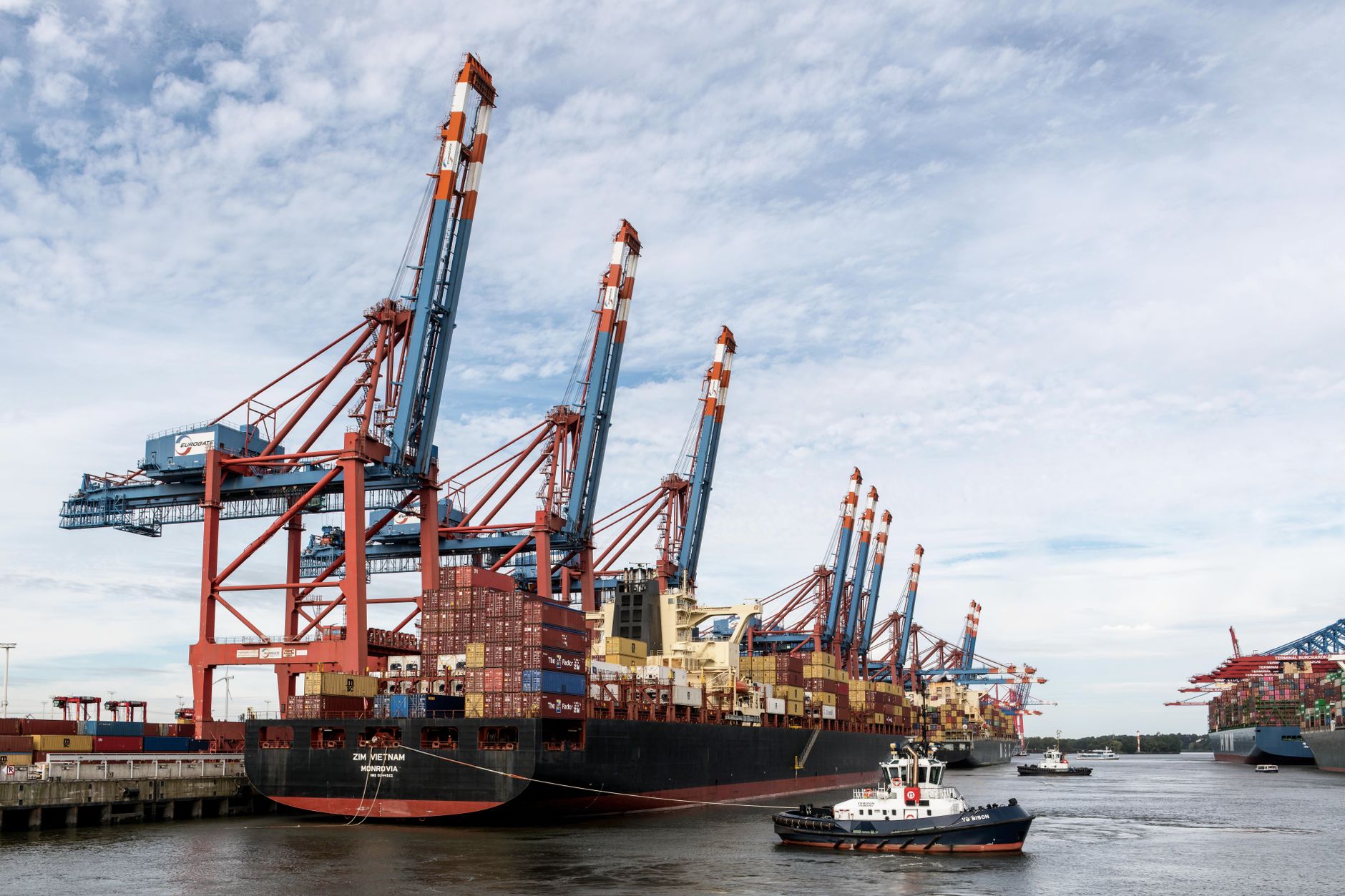
Moreover, the economic downturn in Russia directly impacts its trading partners and the global economy. Disruptions to supply chains, particularly for critical commodities like oil, gas, wheat, and various metals, can trigger inflationary pressures worldwide. Companies that had significant investments or operations in Russia face substantial losses, affecting shareholder value and global market stability. The isolation of such a large economy also fragments global trade networks, potentially leading to less efficient markets and higher costs for consumers everywhere. This is not merely a localized crisis; it's a structural shock to the interconnected global economic system that demands close attention.
Finally, the human cost of this economic decline cannot be overstated. Widespread economic hardship can lead to social unrest, increased poverty, and a humanitarian crisis within Russia itself. Such conditions often fuel migration waves, impacting neighboring countries and beyond. For the international community, understanding and monitoring these developments is crucial, not only for humanitarian reasons but also for anticipating potential security challenges. Ignoring the deteriorating economic outlook in Russia would be to overlook a critical factor in the evolving geopolitical landscape, with potential long-term consequences for global peace and prosperity.
Possible Paths Forward
Navigating the current economic quagmire presents Russia with a formidable challenge, and several distinct paths could emerge, each with its own set of consequences. One potential trajectory involves a continued, intensified pivot towards non-Western economies, particularly China and India, to mitigate the impact of Western sanctions. This would entail deepening trade relationships, fostering new financial mechanisms outside the SWIFT system, and developing alternative supply chains. While this strategy offers a degree of economic insulation, it also risks making Russia overly reliant on a limited number of partners, potentially reducing its economic autonomy and diversification in the long run. The success of this path hinges on the willingness and capacity of these alternative partners to absorb Russian exports and supply critical imports.
Another path could see the Russian government attempting to stimulate domestic production and innovation through aggressive import substitution policies. This involves significant state investment in key industries, fostering local manufacturing, and reducing reliance on foreign goods and technology. While this could create some domestic jobs and enhance self-sufficiency in certain sectors, it also carries the risk of inefficiency, lower quality products compared to international standards, and a lack of competitive pressure that drives innovation. Furthermore, the technological gap in many advanced sectors, such as microelectronics, would be incredibly challenging to bridge without access to global expertise and components, potentially leading to a less technologically advanced economy.
A third, albeit less likely in the immediate term, path could involve a significant shift in geopolitical strategy, leading to a de-escalation of tensions with Western powers and a gradual lifting of sanctions. This would require substantial diplomatic efforts and potentially a re-evaluation of current foreign policy stances. Such a scenario could unlock access to global markets, technology, and investment, leading to a potential economic recovery and reintegration. However, the political will for such a dramatic reversal, both domestically and internationally, appears to be severely lacking at present. The current trajectory suggests a prolonged period of economic isolation and adaptation, with the Russian economy facing a protracted struggle to regain its footing and restore public confidence.
Questions People Are Actually Asking
What to Watch
- The trajectory of international sanctions: Any tightening or easing of sanctions by Western powers will have immediate and significant repercussions on Russia's economic stability and its ability to engage with global markets.
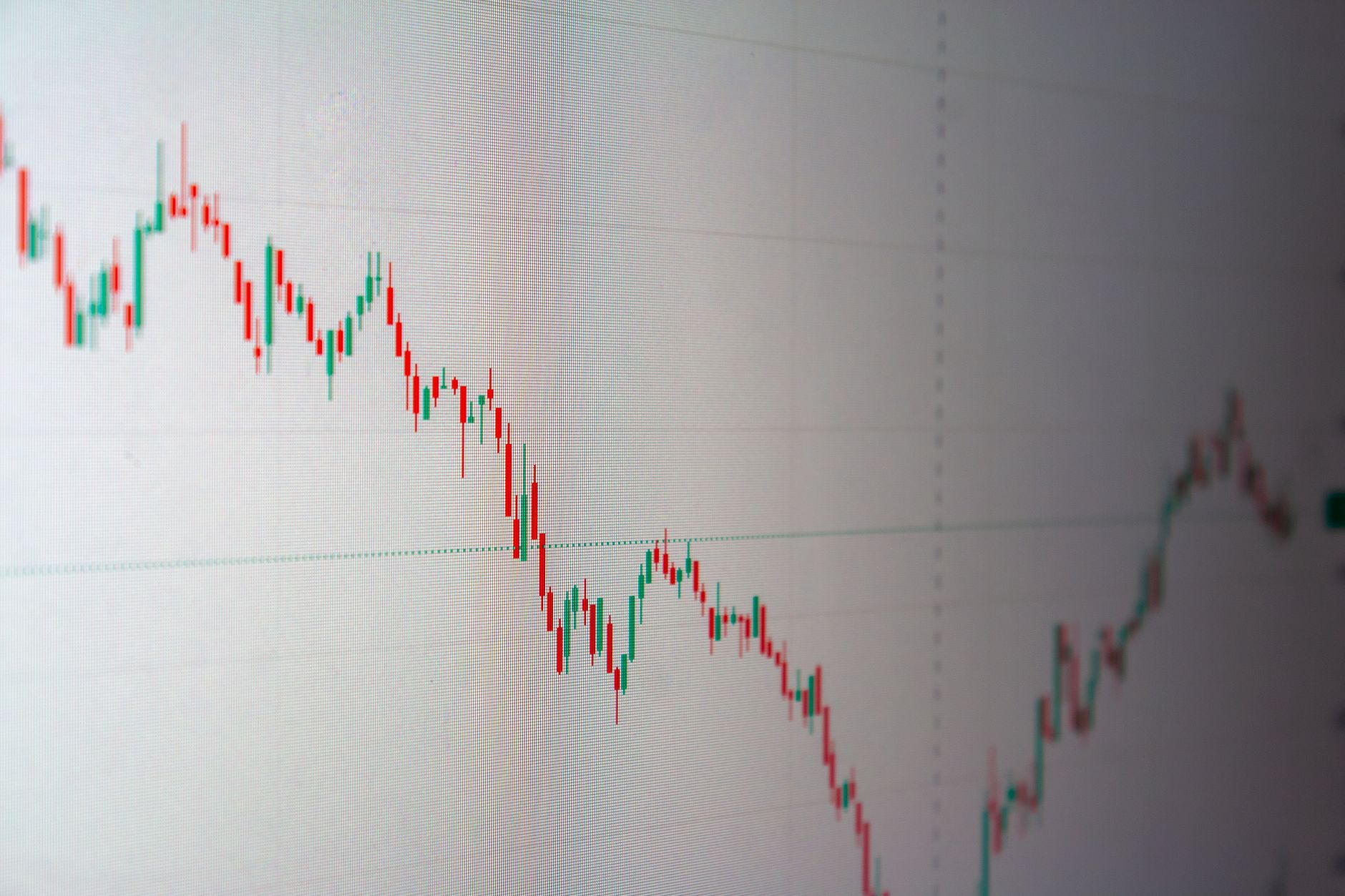
- Ruble stability and inflation rates: Fluctuations in the ruble's value against major currencies and the rate of domestic inflation will be key indicators of the effectiveness of government economic policies and the impact on citizens' purchasing power.
- Russia's energy exports and oil price volatility: As a major energy producer, Russia's economic health is heavily dependent on global oil and gas prices, as well as its ability to find new markets for its energy resources amidst Western embargos.
- The pace of economic diversification and import substitution: Observe the success and sustainability of Russia's efforts to reduce its reliance on foreign goods and technology by boosting domestic production and fostering new industries.
- Social and political stability within Russia: Economic hardship can often lead to social unrest or shifts in political dynamics; monitoring public discontent and government responses will be crucial for understanding internal pressures.
- Developments in trade relations with non-Western partners: The extent to which Russia can deepen its economic ties with countries like China, India, and other Asian and African nations will determine its ability to circumvent Western economic isolation.



Comments
No comments yet. Be the first to comment!