

At a Glance
- Top Russian bankers, including those from Sberbank and Alfa-Bank, have publicly acknowledged the significant negative impact of the war and Western sanctions on the Russian economy, marking a notable departure from previous official narratives.
- Herman Gref, CEO of Sberbank, Russia's largest bank, explicitly stated that the country's economy has lost approximately a decade's worth of development due to the conflict and subsequent international isolation.
- The admission highlights the severe consequences of severed supply chains, restricted access to critical technologies, and the exodus of foreign businesses, which are fundamentally reshaping Russia's economic landscape.
- Despite initial government claims of resilience, the banking sector's frank assessment underscores a growing internal recognition of the deep-seated structural problems and long-term challenges now facing the Russian Federation.
- These statements suggest that even within the Kremlin's inner circles and among key economic players, the true cost of the war is becoming increasingly undeniable and difficult to mask with optimistic projections.
- The shift in rhetoric from influential financial figures could signal a potential internal pressure point for policy adjustments, or at the very least, a more realistic public discourse about the nation's economic future.
The Record
For the first time since the full-scale invasion of Ukraine, prominent Russian bankers have openly acknowledged the severe economic repercussions of the ongoing conflict and the sweeping Western sanctions. This marks a significant deviation from the Kremlin's consistently optimistic portrayal of the nation's economic resilience. Such candid admissions from figures deeply embedded within Russia's financial elite underscore a growing, undeniable reality that the war is inflicting profound and lasting damage, far beyond initial estimates or official reassurances. The willingness of these powerful individuals to speak truth to power, even subtly, suggests a shift in internal consensus regarding the true state of the Russian economy.
Herman Gref, the long-serving CEO of Sberbank, Russia's largest bank and a crucial pillar of its financial system, delivered a particularly stark assessment. He unequivocally stated that the Russian economy has effectively lost a decade of development due to the war and the subsequent international isolation. This isn't merely a setback; it represents a fundamental regression, wiping out years of progress and investment. Gref's remarks, made at a public forum, carry immense weight, given his proximity to economic policy-making and his bank's central role in the national economy. His statement serves as a powerful counter-narrative to the government's official line, which has largely downplayed the long-term structural damage.
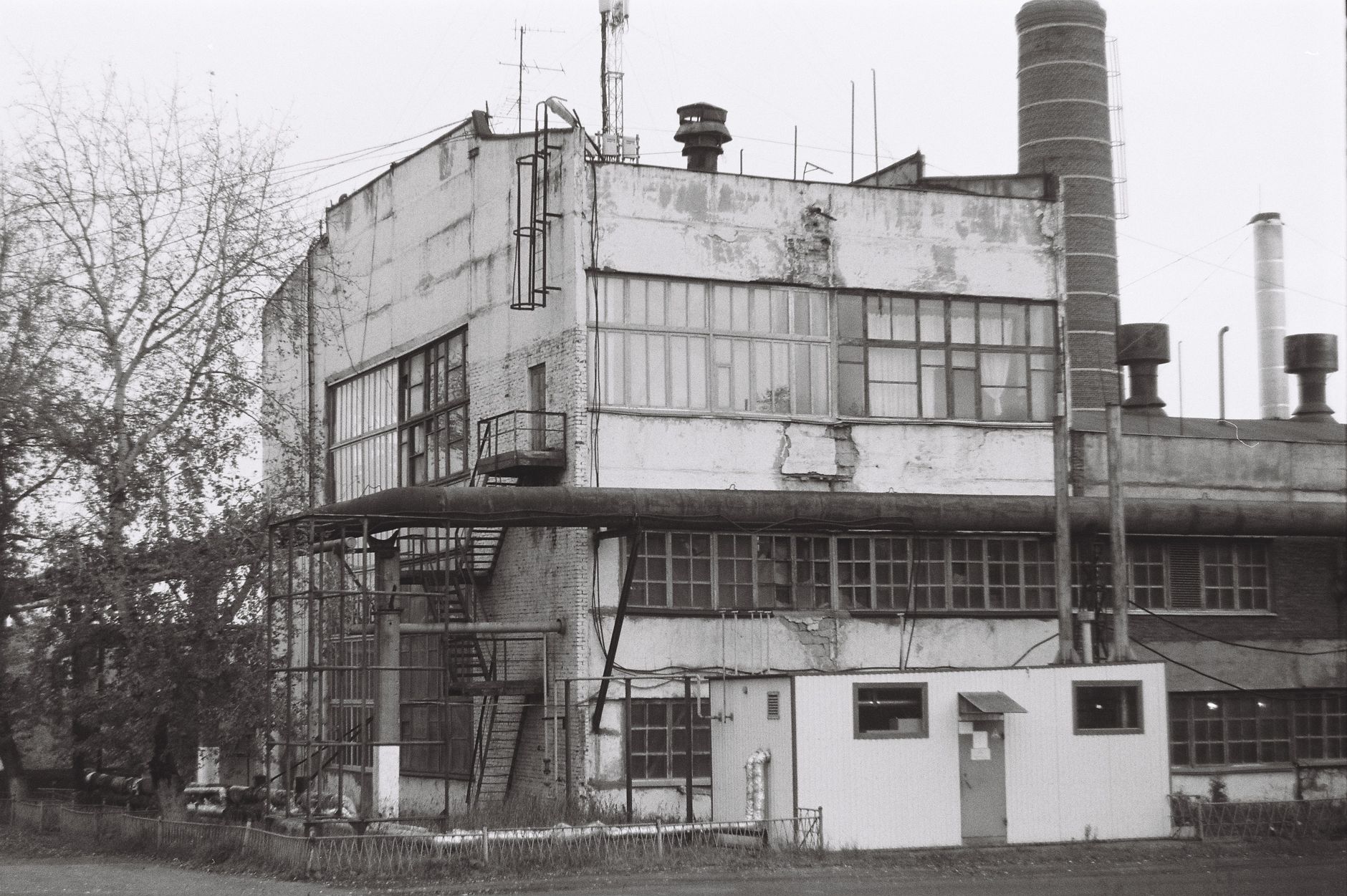
Echoing Gref's concerns, Vladimir Verkhoshinskiy, the CEO of Alfa-Bank, another major Russian financial institution, highlighted the profound impact of severed supply chains and restricted access to crucial Western technologies. He emphasized that these disruptions are not temporary inconveniences but are fundamentally altering the operational capabilities and future growth potential of Russian industries. The inability to import essential components, software, and machinery is forcing a painful and often inefficient reorientation towards domestic production or less advanced alternatives, stifling innovation and productivity. This technological isolation is a long-term structural challenge that will continue to impede Russia's economic modernization for years to come.
Who Knew and When
While the public admissions from Gref and Verkhoshinskiy are recent, the underlying economic challenges have been evident to informed observers and analysts for many months. Economists outside of Russia, and likely many within its financial institutions, have consistently pointed to the unsustainable nature of the war economy and the long-term corrosive effects of sanctions. The initial shock of sanctions in early 2022 led to a significant depreciation of the ruble and a scramble by the Central Bank to stabilize the financial system. However, even as the immediate crisis was averted, experts warned that the structural damage to trade, technology access, and foreign investment would accumulate over time, leading to a gradual but profound decline in economic potential. The current statements from top bankers confirm these earlier, more pessimistic projections.
The Russian government, particularly through the Central Bank and the Ministry of Finance, has largely maintained a narrative of resilience, often citing better-than-expected GDP figures or the stability of the ruble as proof that the economy was weathering the storm. However, these official pronouncements often overlooked the qualitative aspects of economic decline, such as the degradation of technological capabilities, the brain drain of skilled professionals, and the increasing reliance on less efficient, state-directed economic activity. The recent statements by bankers suggest that this official optimism was not universally shared within the economic elite, who likely possessed a more granular and realistic understanding of the challenges facing their respective sectors. Their silence until now was likely a matter of political expediency and self-preservation.
The timing of these public admissions is also crucial. They emerge at a point when the war has dragged on for an extended period, and the initial reserves and adaptive measures have begun to show their limits. The 'decade of development lost' is not a sudden event but the cumulative effect of prolonged isolation and resource diversion. It indicates that the long-term consequences, which were perhaps abstract in the early days of the conflict, are now becoming tangible and undeniable even to those who previously remained silent. This shift in discourse could signal a growing internal pressure for a more realistic assessment of Russia's economic future, potentially influencing future policy decisions or at least shaping the public's understanding of the true costs of the war.
Voices from the Ground
Beyond the high-profile statements from banking CEOs, the economic strain is acutely felt by ordinary Russian citizens and businesses. Small and medium-sized enterprises (SMEs) have struggled with disrupted supply chains, increased costs for imported goods, and a shrinking consumer base due to declining real incomes. Many businesses that relied on Western technology or components have been forced to either shut down, pivot to less efficient domestic alternatives, or navigate complex and often illegal parallel import schemes, which carry significant risks and add to operational expenses. The cumulative effect is a less competitive, less innovative, and more precarious business environment, leading to job losses and reduced opportunities for growth across various sectors.
Workers in industries heavily reliant on foreign investment or technology have faced layoffs or reduced working hours, contributing to a sense of economic uncertainty. The exodus of numerous international companies, from automotive manufacturers to IT firms, has left significant gaps in the labor market and deprived many Russians of high-paying, skilled jobs. While the government has attempted to reallocate resources and create new opportunities in defense-related industries, these often do not compensate for the diversity and quality of jobs lost in the civilian sector. The long-term impact on human capital, including the 'brain drain' of skilled professionals seeking opportunities abroad, further exacerbates the economic challenges.
Consumers are also feeling the pinch through rising inflation, particularly for imported goods, and a more limited selection of products. While the government has managed to stabilize prices for some essential items, the overall cost of living has increased, eroding purchasing power. The loss of familiar brands and services, coupled with the general atmosphere of uncertainty, contributes to a decline in consumer confidence and a more cautious approach to spending. This translates into reduced demand for non-essential goods and services, creating a ripple effect throughout the economy. The everyday reality for many Russians is one of increasing economic hardship and a palpable sense that the future is less secure than it once was.
The Debate
The public admissions by top Russian bankers have ignited a significant debate both within Russia and among international observers regarding the true state and future trajectory of the Russian economy. Domestically, these statements challenge the official narrative of resilience and self-sufficiency, forcing a more realistic conversation about the costs of the war. Some within the economic elite may view these candid assessments as a necessary step towards formulating more effective long-term strategies, while others might see them as undermining national unity or providing ammunition to external critics. The debate centers on whether Russia can truly pivot to a sustainable, self-reliant economic model without access to advanced Western technology and global financial markets, or if its current trajectory is one of inevitable decline.
Internationally, these statements are being interpreted as further evidence that Western sanctions are indeed having a profound, long-term impact, contrary to initial Russian claims of their ineffectiveness. Analysts are discussing whether these admissions will lead to any significant shifts in Russian policy, either domestically or regarding the war in Ukraine. Some argue that such public candor from influential figures could signal growing internal dissent or at least a powerful lobby pushing for a re-evaluation of economic priorities. Others remain skeptical, suggesting that these statements are merely a pragmatic acknowledgment of reality without necessarily indicating a willingness to change the fundamental course of the 'special military operation.' The core question is if and how these economic realities will translate into political pressure.
The debate also encompasses the effectiveness and future direction of Western sanctions policy. If even top Russian bankers are admitting to a 'decade lost,' it strengthens the argument for maintaining or even intensifying sanctions. However, it also raises questions about the specific mechanisms through which sanctions are having their greatest impact and how to further refine them to maximize pressure while minimizing unintended consequences. The discussion extends to the long-term implications for global economic architecture, particularly the rise of parallel trading systems and the efforts by Russia and its allies to de-dollarize and create alternative financial mechanisms. The implications of Russia's economic isolation are far-reaching, affecting global trade, energy markets, and geopolitical alignments.
Your Questions Answered
What Accountability Looks Like
In the context of Russia's tightly controlled political and economic landscape, the public admissions by top bankers represent a rare, albeit indirect, form of accountability. While not a direct challenge to the Kremlin's authority, these statements implicitly hold the government's policies, particularly the decision to invade Ukraine, responsible for the severe economic downturn. This form of accountability is less about legal or political repercussions for specific individuals and more about the unavoidable confrontation with economic reality. The 'meter' here measures the extent to which the true costs of the war can no longer be hidden or sugarcoated, even by those who typically benefit from the existing power structures. It signifies a moment where economic truth begins to pierce through official propaganda.
True accountability would involve a transparent assessment of the decisions that led to this economic regression, open debate on alternative policies, and potentially, a shift in leadership or strategy. However, in Russia's current political climate, such direct accountability is highly unlikely. Instead, the current situation suggests a form of 'market accountability,' where the undeniable economic consequences force even powerful figures to acknowledge the damage. The long-term impact of this 'decade lost' will be borne by the Russian populace and future generations, highlighting a profound lack of accountability from those who initiated and continue to prosecute the war. The economic pain itself becomes a silent, yet powerful, form of judgment against the current course.
Moving forward, the measure of accountability will be whether these stark warnings from the financial sector translate into any tangible policy adjustments that prioritize long-term economic stability over geopolitical ambitions. If the government continues to ignore or downplay these expert assessments, the economic deterioration will likely accelerate, further isolating Russia and diminishing its future prospects. The 'accountability meter' will continue to tick, reflecting the growing gap between the regime's rhetoric and the lived economic reality for millions of Russians. The ultimate accountability may come not from within the system, but from the relentless and unforgiving pressures of a globalized economy from which Russia is increasingly estranged.



Comments
No comments yet. Be the first to comment!