
Policy Snapshot
- The Egyptian government has historically invested in sports infrastructure and youth development programs, aiming to foster national talent and improve athletic performance on the global stage, a strategy that appears to be yielding significant results.
- Recent policy adjustments have focused on attracting foreign investment into sports academies and professional leagues, creating a more competitive environment for Egyptian athletes to thrive and gain international exposure.
- Increased funding has been allocated to national sports federations, particularly football, to enhance coaching standards, provide better equipment, and facilitate international training camps for promising players.
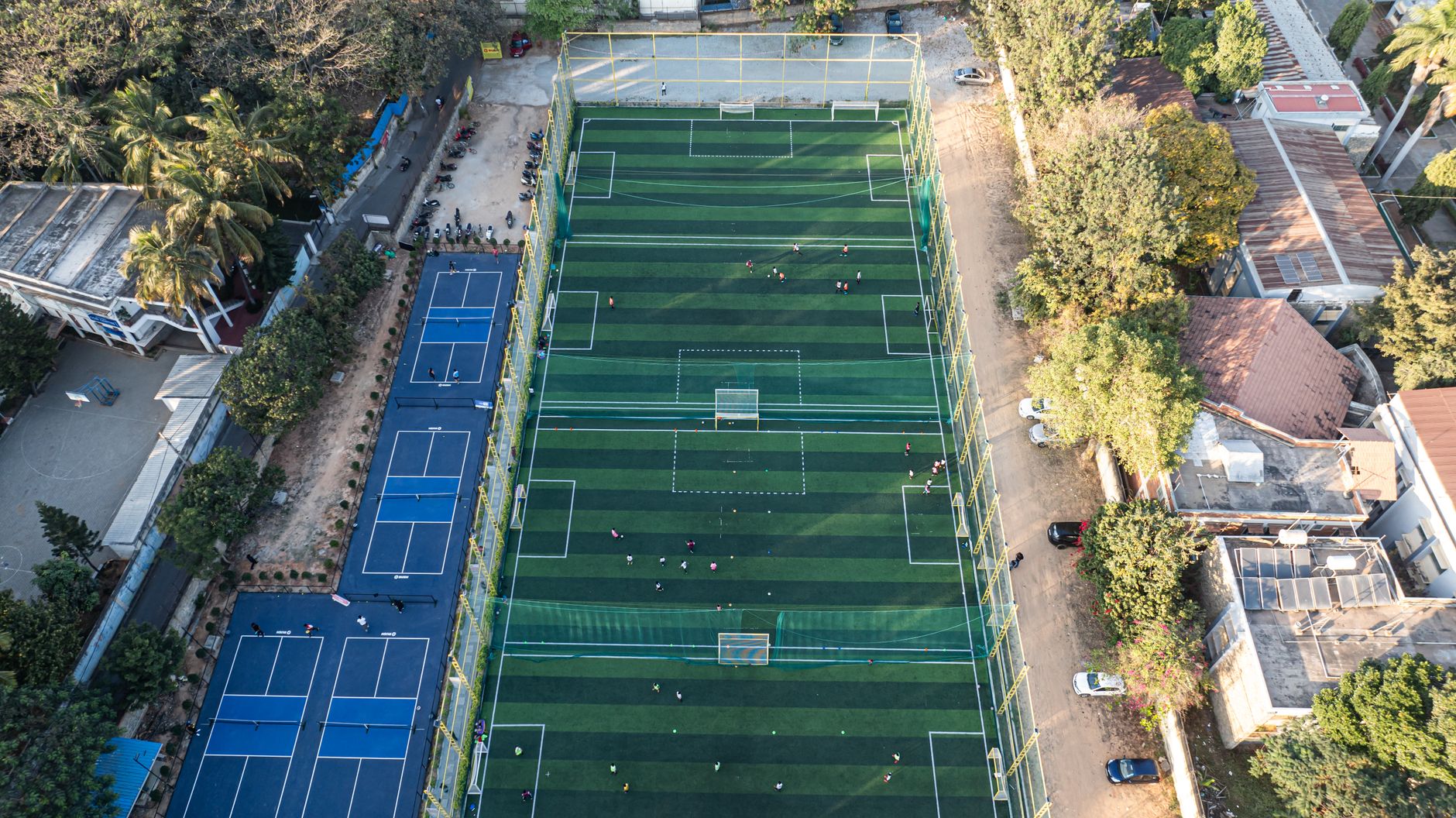
- The Ministry of Youth and Sports has launched initiatives to promote grassroots sports participation, encouraging children and young adults across the country to engage in physical activity and identify potential future stars.
- Strict anti-doping policies have been implemented in alignment with international standards, ensuring fair play and maintaining the integrity of Egyptian sports, which is crucial for international credibility.
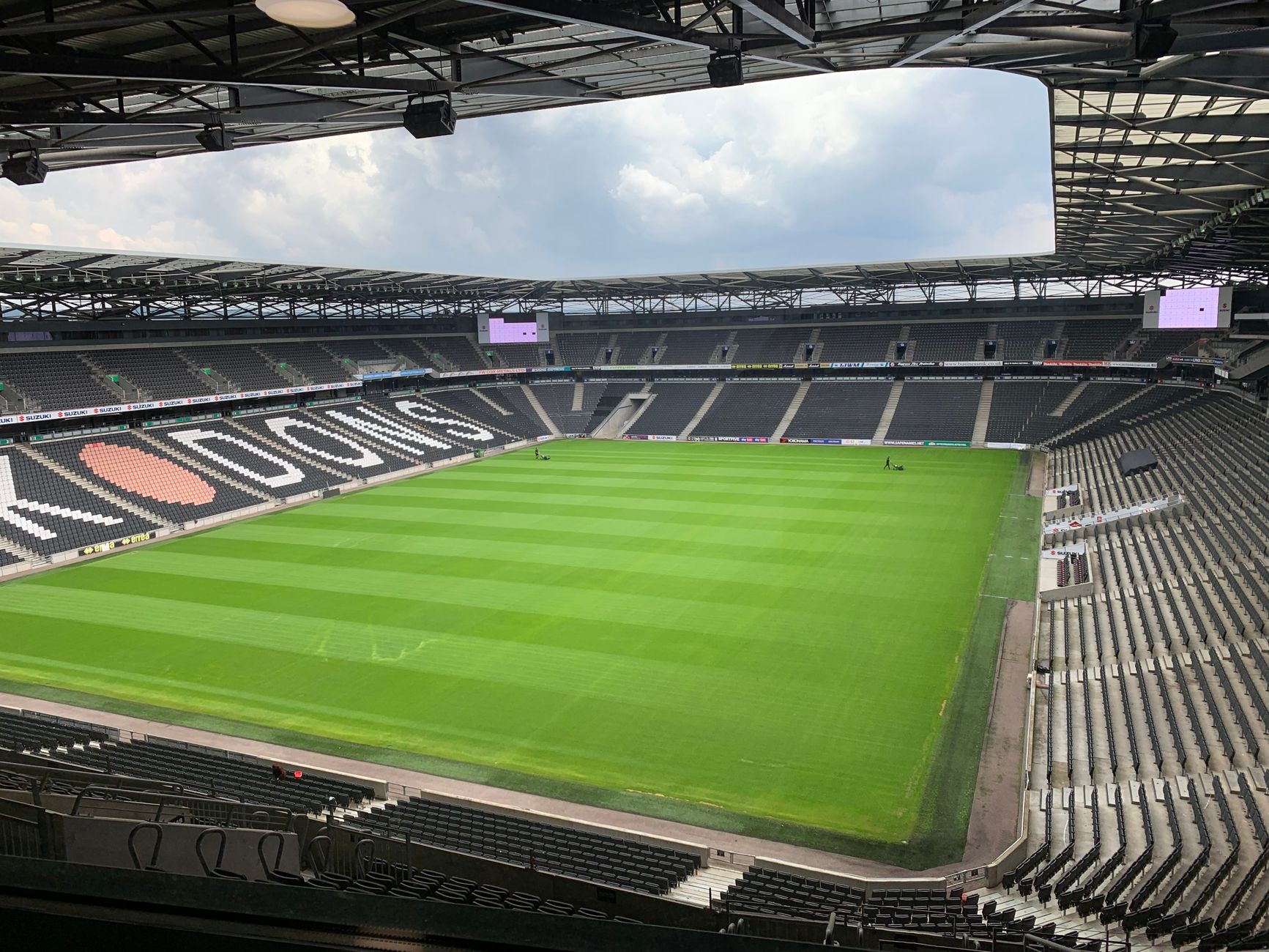
- Public-private partnerships have been forged to build and renovate stadiums and training facilities, ensuring that athletes have access to world-class venues for both practice and competitive matches, further boosting national capabilities.
The Policy History
Egypt's journey to international sporting prominence, particularly in football, has been a long and arduous one, marked by periods of both immense promise and frustrating setbacks. For decades, the nation's footballing aspirations were often hampered by inconsistent investment, fragmented development strategies, and a lack of sustained international exposure. While individual talents occasionally shone brightly, a cohesive national framework for nurturing and elevating these talents to a world-class level remained elusive. This historical context is crucial for understanding the significance of recent achievements, as they represent a culmination of renewed efforts and strategic shifts in national sports policy.
In the early 2000s, there was a noticeable push to professionalize the Egyptian Premier League and establish more structured youth academies. This period saw the emergence of several key players who would later form the backbone of the national team. However, political instability and economic challenges in subsequent years often diverted attention and resources away from these crucial development programs. The lack of continuity in policy implementation meant that progress was often cyclical, with bursts of improvement followed by periods of stagnation, preventing Egypt from consistently competing at the highest echelons of global football.
The past decade, however, has witnessed a more concerted and sustained effort by the Egyptian government and private sector to fundamentally transform the sporting landscape. Recognizing the immense unifying power of football and its potential to project a positive national image, significant investments have been channeled into upgrading training facilities, importing international coaching expertise, and fostering a culture of athletic excellence. These strategic policy decisions, coupled with the dedication of a new generation of players, have laid the groundwork for the kind of historic success that the nation is now celebrating, demonstrating a clear return on sustained investment and vision.
Who Is Affected
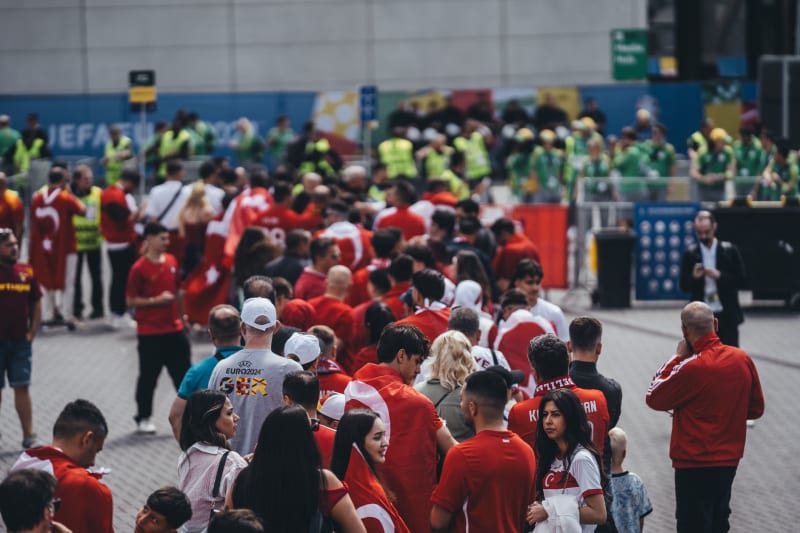
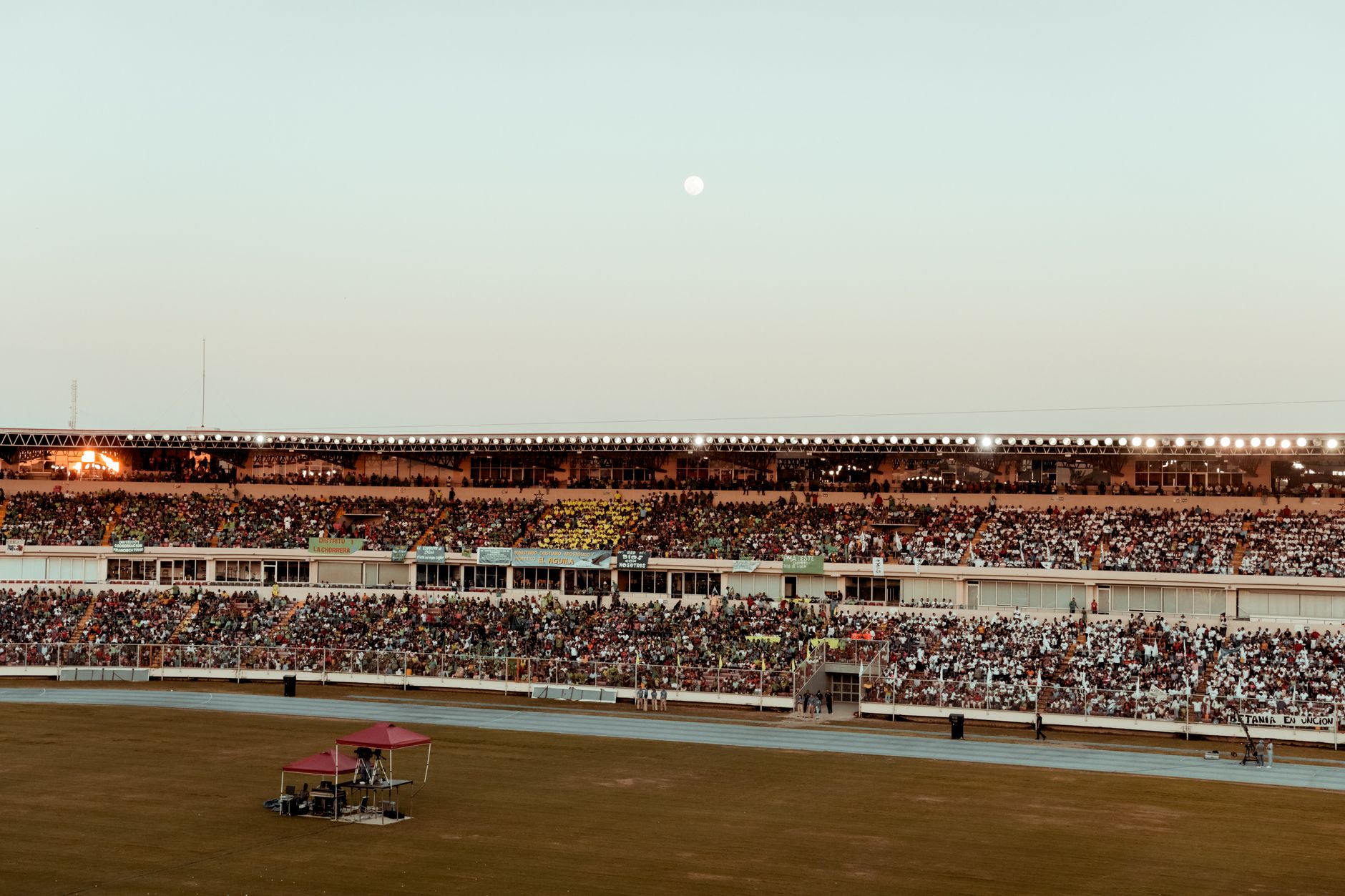
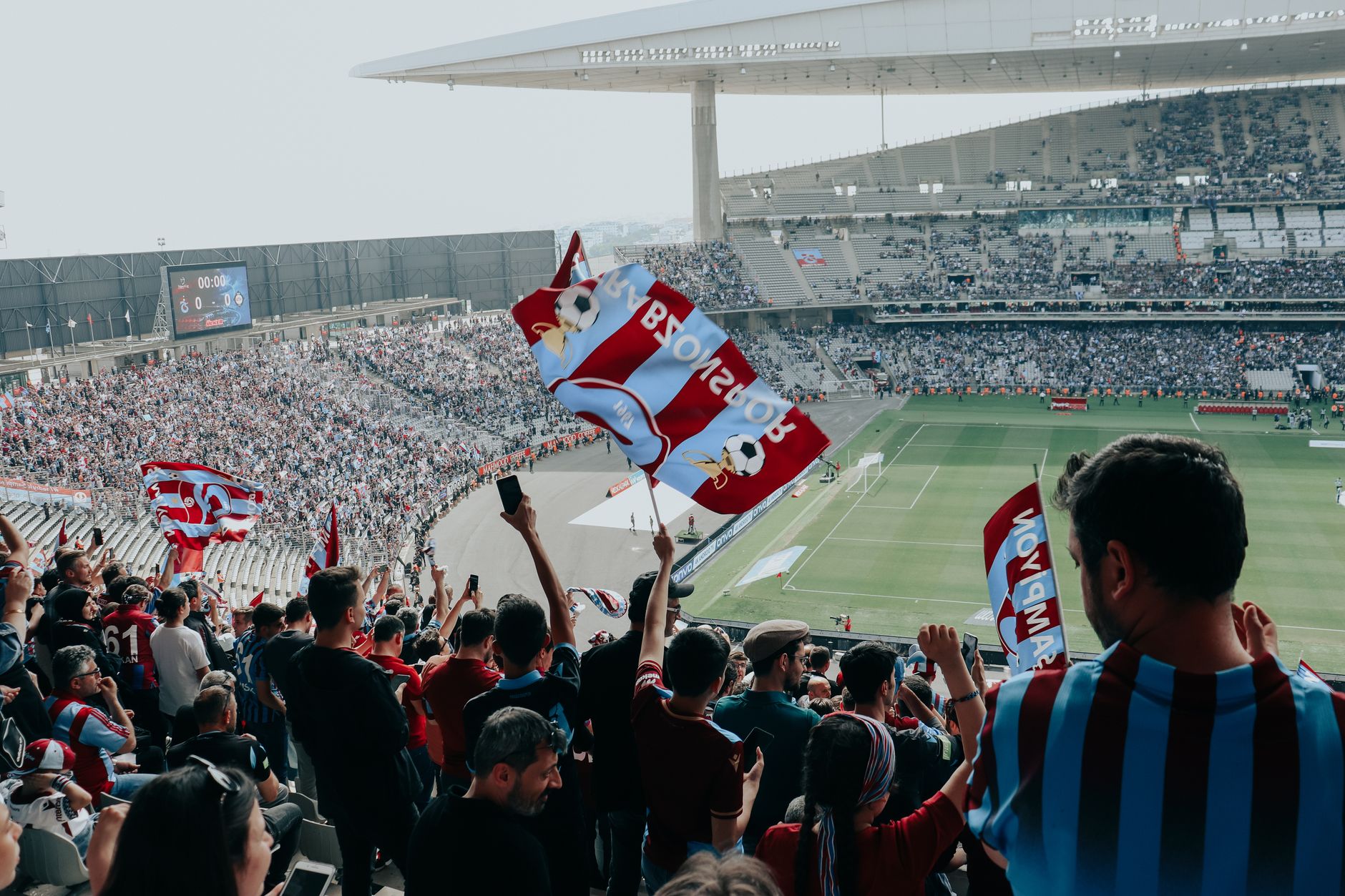
The immediate beneficiaries of Egypt's historic World Cup win are undoubtedly the millions of passionate football fans across the nation. From the bustling streets of Cairo to the quiet villages along the Nile, the victory has ignited an unparalleled wave of national pride and collective euphoria. This shared experience transcends socio-economic divides, uniting people under a common banner of celebration and hope. The emotional impact is profound, offering a much-needed morale boost and a sense of shared accomplishment in a country that often faces significant challenges. The sheer volume of people celebrating in public spaces underscores the deep connection Egyptians feel to their national team and its successes.
Beyond the immediate emotional uplift, this victory has significant implications for Egyptian athletes, particularly young aspiring footballers. The success of the national team serves as a powerful inspiration, demonstrating that with hard work, dedication, and proper support, international dreams are attainable. It will likely lead to increased participation in youth sports programs, as children look up to their national heroes and envision themselves on the global stage. This surge in interest could, in turn, drive further investment in grassroots development, creating a virtuous cycle that strengthens the talent pipeline for future generations of Egyptian athletes.
Furthermore, the win has a broader impact on Egypt's international standing and its economy. Such high-profile sporting achievements often boost national tourism, attracting global attention and potentially increasing foreign investment. The positive media coverage generated by the celebrations and the team's performance enhances Egypt's soft power, projecting an image of vibrancy and success to the world. This can lead to increased cultural exchange, business opportunities, and a general improvement in the country's global perception, benefiting various sectors beyond just sports. The ripple effects of this victory are far-reaching and will likely be felt for months, if not years, to come.
The Case For
The argument for sustained and increased investment in national sports programs, particularly football, is overwhelmingly strengthened by this historic World Cup victory. Such successes are not merely about a single game; they are powerful catalysts for national unity and pride, fostering a collective identity that transcends political and social differences. When a nation's team performs exceptionally on the global stage, it instills a profound sense of shared accomplishment and optimism among its citizens, providing a valuable psychological boost that can ripple through various aspects of society. This intangible benefit alone justifies significant public and private sector commitment.
Moreover, robust sports development policies contribute directly to public health and youth engagement. By providing accessible and well-funded sports programs, governments can encourage physical activity, combat sedentary lifestyles, and offer constructive outlets for young people. This not only leads to a healthier population but also helps in developing discipline, teamwork, and leadership skills among the youth. The inspiration drawn from national heroes like those who achieved this World Cup win is invaluable in motivating the next generation to pursue athletic excellence and healthy living, creating a healthier and more engaged citizenry.
Economically, the benefits are also substantial. Successful national teams attract international attention, boosting tourism, merchandise sales, and media rights. This influx of capital can stimulate local economies, create jobs, and even attract foreign investment into related industries. Furthermore, a strong national sporting presence enhances a country's soft power and international reputation, opening doors for diplomatic and economic collaborations. The World Cup victory serves as a compelling case study, demonstrating that strategic investment in sports yields not only sporting glory but also tangible socio-economic returns and enhanced global standing.
The Case Against
While the recent World Cup victory is undoubtedly a cause for celebration, it's crucial to consider the counter-arguments regarding disproportionate investment in a single sport, even one as popular as football. Critics often argue that channeling vast resources into professional football might divert funds from other equally important, or even more critical, public services such as education, healthcare, or infrastructure development. In a country facing various socio-economic challenges, the allocation of significant public funds to sports, which can be seen as a luxury by some, warrants careful scrutiny and a balanced perspective on national priorities. The immediate euphoria of a win, while powerful, should not overshadow long-term developmental needs.
Another concern revolves around the sustainability and equity of such investments. While a single victory can generate immense excitement, the long-term impact of sports policies needs to be assessed beyond isolated successes. Are these investments creating a broad-based, inclusive sports culture, or are they primarily focused on elite performance in a few high-profile sports? There's a risk that an overemphasis on professional football might neglect other sports that also have potential, or fail to address the fundamental issues of access and participation for all segments of the population. Without a holistic approach, the benefits might remain concentrated, leaving many without opportunities.
Furthermore, the argument against excessive sports spending often highlights the potential for corruption and mismanagement within large-scale projects. The significant sums involved in building and maintaining sports infrastructure, as well as funding professional teams, can create opportunities for graft if oversight mechanisms are not robust. There's also the risk of 'white elephant' projects – expensive stadiums or facilities that become underutilized after major events, draining public resources without providing sustained benefits. Therefore, while celebrating success, it is imperative for policymakers to ensure transparency, accountability, and a balanced allocation of resources across all sectors for comprehensive national development.

Policy Questions Answered
Implementation Watch
As the celebrations subside, the focus will inevitably shift to the implementation of future sports policies and how the momentum from this historic World Cup win can be effectively channeled into sustained development. Key areas to watch include the allocation of new government budgets for sports, particularly how much is directed towards grassroots football versus elite professional structures. Observers will be keen to see if the rhetoric of increased investment translates into tangible projects, such as the construction of new training facilities, the expansion of youth leagues, and the recruitment of more qualified coaches at all levels. The efficiency and transparency of these new initiatives will be critical to their success and public acceptance.
Another crucial aspect of implementation will be the integration of sports development with broader national strategies. This includes how the Ministry of Youth and Sports collaborates with the Ministry of Education to incorporate sports more effectively into the school curriculum, ensuring that talent is identified and nurtured from an early age. Furthermore, the role of private sector partnerships will be under scrutiny. Will major corporations step up their sponsorship and investment in sports, or will the burden fall predominantly on public funds? Successful implementation will require a cohesive strategy that leverages both public and private resources, ensuring that the benefits of this victory are maximized and distributed equitably across the nation.
Finally, the long-term impact of these policies will depend heavily on robust oversight and evaluation mechanisms. It's not enough to simply allocate funds; there must be clear metrics for success, regular performance reviews, and accountability for outcomes. Will there be independent bodies to monitor the progress of sports development programs? How will the government ensure that investments are reaching their intended beneficiaries and producing the desired results, rather than being siphoned off or mismanaged? The challenge now is to transform this moment of triumph into a sustainable legacy of sporting excellence and national well-being, demanding vigilant implementation and continuous adaptation.









Comments
No comments yet. Be the first to comment!