

The Numbers
- Ayatollah Ali Khamenei served as Iran's Supreme Leader for over 35 years, a tenure that profoundly shaped the nation's political, social, and economic trajectory since 1989.
- The Supreme Leader holds ultimate authority over all major state policies, including foreign policy, military strategy, and the judiciary, making his successor's identity critically important.
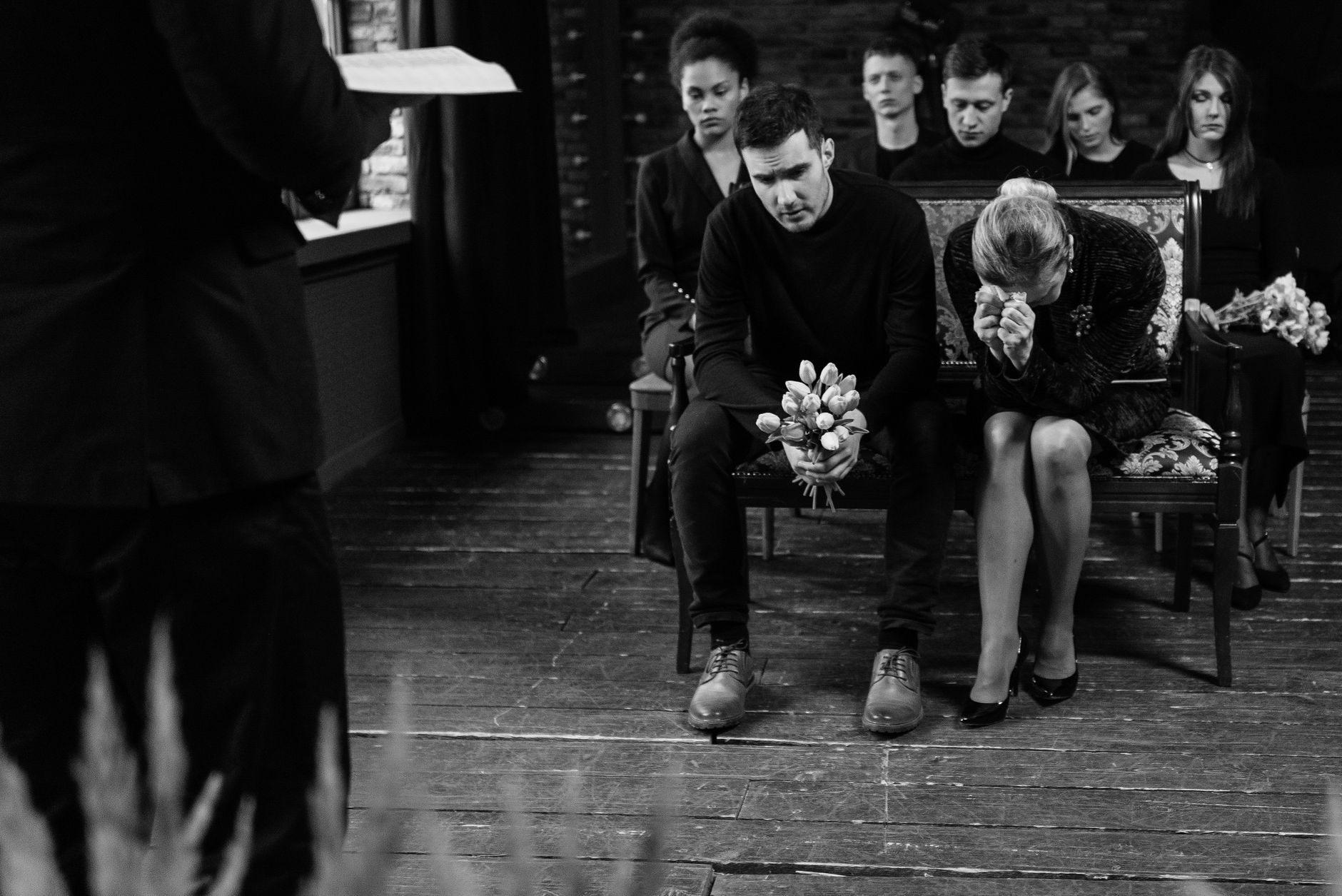
- Millions are expected to participate in the week-long funeral ceremonies across various cities, a testament to the deep reverence for the deceased leader and a display of national unity.
- The Assembly of Experts, a body of 88 clerics, is constitutionally tasked with selecting the next Supreme Leader, a process that is often shrouded in secrecy and intense internal politicking.
- Iran's economy, already strained by international sanctions and domestic challenges, faces further uncertainty as leadership transition could impact economic stability and policy direction.
- Regional allies and adversaries are closely monitoring the succession, understanding that the new leader's stance could significantly alter the balance of power in the Middle East and beyond.
Context Check
The passing of Ayatollah Ali Khamenei marks the end of an era for the Islamic Republic of Iran, ushering in a period of profound uncertainty and potential transformation. For over three decades, Khamenei stood as the undisputed spiritual and political guide, navigating the nation through turbulent times including international sanctions, regional conflicts, and significant domestic unrest. His death is not merely the loss of a leader but potentially a catalyst for shifts in Iran's intricate power structures and its complex relationship with the global community. The immediate focus is on the elaborate funeral rites, which serve not only as a period of national mourning but also as a crucial moment for displaying unity and projecting strength both internally and externally. These ceremonies are meticulously orchestrated to reinforce the legitimacy and continuity of the Islamic revolutionary ideals that underpin the state.
The process of selecting a new Supreme Leader is enshrined in the Iranian constitution, falling to the Assembly of Experts. This influential body, comprised of senior clerics, holds the monumental responsibility of identifying and appointing Khamenei's successor. The selection process is inherently opaque, often involving intense backroom negotiations and ideological alignments among powerful factions within the clerical establishment. The individual chosen will inherit immense power, dictating the strategic direction of a nation that plays a pivotal role in global energy markets and regional geopolitics. Understanding the dynamics within the Assembly of Experts and the potential candidates is paramount to anticipating Iran's future trajectory.
Beyond the immediate succession, Khamenei's death raises critical questions about the future of Iran's domestic policies, its nuclear program, and its engagement with the international community. His tenure was characterized by a steadfast resistance to Western influence and a commitment to advancing Iran's regional agenda. A new leader, while likely adhering to the fundamental principles of the Islamic Revolution, may bring a different approach to these complex issues. This transition could either solidify existing policies or introduce subtle, yet significant, shifts that ripple across the Middle East and impact global security. The world watches with bated breath, recognizing the immense implications of this leadership change.
Background
Ayatollah Ali Khamenei assumed the mantle of Supreme Leader in 1989, following the death of the Islamic Republic's founder, Ayatollah Ruhollah Khomeini. His ascension was initially seen by some as a transitional period, given his lesser clerical stature compared to other prominent figures at the time. However, Khamenei skillfully consolidated power, establishing himself as the ultimate arbiter of all state affairs. Over his 35-year leadership, he meticulously built a robust network of loyalists within the Revolutionary Guard, the judiciary, and various governmental institutions, ensuring his directives were implemented without significant challenge. This intricate web of influence is a testament to his political acumen and his deep understanding of Iran's complex power dynamics, allowing him to maintain stability despite numerous internal and external pressures.
Khamenei’s leadership was defined by a staunch anti-Western stance, particularly against the United States, which he consistently labeled the 'Great Satan.' This ideological bedrock informed Iran's foreign policy, leading to its support for various proxy groups across the Middle East, including Hezbollah in Lebanon, Hamas in Palestine, and the Houthis in Yemen. These strategic alliances were designed to project Iranian power and influence, creating a 'Shiite crescent' that challenged the regional dominance of Saudi Arabia and its allies. Domestically, his rule saw a tightening of social controls, suppression of dissent, and a continued emphasis on Islamic revolutionary values, even as the country grappled with economic hardship and calls for greater freedoms from its younger population. His legacy is therefore a complex tapestry of steadfast resistance and authoritarian control.
The mechanism for succession, the Assembly of Experts, was established as a crucial pillar of the Islamic Republic's constitutional framework. This body, whose members are directly elected by the people but vetted by the Guardian Council, is tasked with both appointing and, theoretically, overseeing the Supreme Leader. However, in practice, the Supreme Leader's authority has largely overshadowed the Assembly's oversight capabilities. The selection process for a new leader is not a simple democratic vote but a highly politicized deliberation among senior clerics, often influenced by the outgoing leader's preferences and the prevailing power struggles within the establishment. The current composition of the Assembly and the influence of various factions will play a critical role in determining who ultimately emerges as the next Supreme Leader, a decision that will reverberate far beyond Iran's borders.
Winners and Losers
The immediate 'winners' in the aftermath of Khamenei's death are likely to be the hardline factions within Iran's political and clerical establishment. These groups, who have consistently aligned with Khamenei's conservative ideology and anti-Western policies, are well-positioned to influence the selection of his successor. Figures within the Revolutionary Guard Corps (IRGC) and the judiciary, who have benefited from Khamenei's patronage and shared his vision, will undoubtedly exert significant pressure to ensure a candidate who maintains the status quo or even intensifies conservative policies is chosen. Their entrenched power and organizational strength provide a considerable advantage in the opaque succession process, allowing them to consolidate their influence and potentially marginalize more reform-minded elements. This internal maneuvering will be critical to watch, as it dictates the future direction of the Islamic Republic.
Conversely, the 'losers' are likely to be the reformist movement and any elements within Iranian society advocating for greater political openness, social freedoms, or a more conciliatory approach to international relations. With Khamenei's passing, the already limited space for dissent and reform could shrink further, especially if a hardline successor is appointed. The aspirations of Iran's younger, often more globally connected population for economic improvement and social liberalization may be further suppressed, leading to increased internal frustrations and potential unrest. Any hope for a significant shift towards more moderate governance or a thawing of relations with the West could be dashed, prolonging the nation's isolation and internal struggles. This outcome would deepen the chasm between the ruling elite and a significant portion of the populace.
Regionally, the death of Khamenei could create both opportunities and challenges for various actors. States like Israel and Saudi Arabia, long-standing adversaries of Iran, will be closely watching for any signs of weakness or internal division that could be exploited. However, a hardline successor might also intensify Iran's regional proxy activities, leading to increased instability. For Iran's allies, such as Hezbollah and other Shiite militias, the transition period could be a moment of uncertainty regarding continued support, though a continuity of hardline policy is more probable. The global community, particularly the signatories of the JCPOA, will be assessing whether a new leader signals any willingness to re-engage on nuclear negotiations or if the path of confrontation will be further cemented. The stakes are incredibly high for all involved, making the succession a pivotal moment for Middle Eastern geopolitics.
Analyst Perspectives
Many analysts emphasize that the succession process, while constitutionally defined, is fundamentally a political struggle. Dr. Sarah Jafari, a scholar of Iranian politics at Chatham House, notes, "While the Assembly of Experts holds the legal mandate, the real power brokers are the Revolutionary Guard and the influential clerical networks. The next leader will be chosen not just for their religious credentials, but for their ability to maintain the delicate balance of power and uphold the revolutionary ideals." She suggests that any candidate perceived as too moderate or too radical by the dominant factions will likely be sidelined, ensuring a continuation of the established ideological framework. This perspective highlights the deep-seated institutional forces at play, often overshadowing individual personalities.
Another prominent view, articulated by Middle East expert Dr. Hassan Al-Hassan, suggests that the transition could paradoxically strengthen the hardline elements. "Khamenei's long tenure allowed for a degree of internal stability, but his death removes a unifying figure. The ensuing power vacuum could be filled by a more assertive, less compromising leader, especially if the IRGC plays a decisive role in the selection," Al-Hassan states. He warns that this could lead to an even more confrontational foreign policy and a further crackdown on domestic dissent, as the new leadership seeks to establish its authority and legitimacy by demonstrating unwavering commitment to revolutionary principles. Such a scenario would have significant implications for regional security and international relations.
Conversely, some analysts, like Dr. Reza Pahlavi, a former Iranian diplomat, argue that while a hardline successor is probable, the long-term dynamics within Iran are shifting. "The profound economic challenges and the growing disaffection among the youth cannot be ignored indefinitely. While the immediate succession may favor conservatives, the underlying pressures for change will continue to mount," Pahlavi posits. He suggests that any new leader, regardless of their initial ideological leanings, will eventually have to contend with these deep-seated societal issues, potentially leading to gradual, albeit slow, adjustments in policy over time. This view offers a glimmer of hope for future evolution, even if the immediate outlook appears bleak for reformists.
Key Questions Explained
The Outlook
The coming weeks will be crucial for Iran, as the nation navigates the immediate aftermath of Khamenei's death and the beginning of the succession process. While the funeral ceremonies provide a public display of national unity and mourning, behind the scenes, intense political maneuvering will be underway. The Assembly of Experts will convene, and their deliberations, though private, will be the subject of intense speculation and global scrutiny. The most likely outcome is the selection of a candidate from the hardline conservative camp, ensuring continuity with Khamenei's ideological legacy and safeguarding the interests of the powerful clerical and military establishments. This continuity is seen as essential for maintaining the stability of the Islamic Republic in a volatile region.
Looking further ahead, the new Supreme Leader will face formidable challenges, both domestically and internationally. Economic pressures, exacerbated by sanctions and internal mismanagement, continue to fuel public discontent. The new leader will need to address these issues while simultaneously managing Iran's complex regional relationships and its ongoing standoff with Western powers over its nuclear program. The ability of the new leadership to balance these competing demands will determine Iran's trajectory in the coming years. Any significant deviation from the established path could trigger internal instability or escalate regional conflicts, making the transition a high-stakes affair for all involved.
The international community will be closely watching for any signals regarding Iran's future foreign policy and its willingness to engage in dialogue. While a radical departure from Khamenei's anti-Western stance is improbable, even subtle shifts in tone or approach could have profound implications for global diplomacy and security. The succession marks a pivotal moment, not just for Iran, but for the entire Middle East and beyond. The choice of the next Supreme Leader will resonate across geopolitical landscapes, shaping alliances, conflicts, and economic futures for years to come. The world must prepare for a period of heightened vigilance and potential shifts in one of the world's most critical regions.






Comments
No comments yet. Be the first to comment!