
The Numbers
- Dozens of Israeli Defense Forces (IDF) troops were deployed to the United Arab Emirates, marking a significant and unprecedented military presence in an Arab nation.
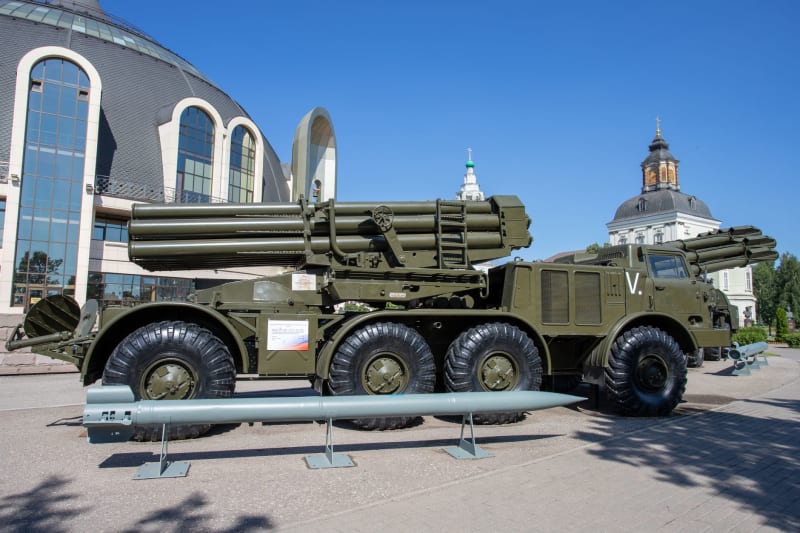
- At least one Iron Dome air defense system was transferred, a highly sophisticated Israeli-developed technology designed to intercept and destroy short-range rockets and artillery shells.
- The deployment occurred during a period of heightened regional instability, specifically during a critical phase of the conflict with Iran, underscoring the urgency and strategic importance of the move.
- The operation remained classified for an extended period, with official confirmation only emerging from an Israeli minister, highlighting the sensitive nature of the intelligence and diplomatic implications.
- This strategic collaboration represents a tangible outcome of the Abraham Accords, demonstrating a deepening of security ties beyond mere diplomatic recognition, moving towards active military partnership.
- The estimated cost of an Iron Dome battery is significant, running into tens of millions of dollars, reflecting the substantial investment and trust placed in this joint security endeavor.
Context Check
The revelation that Israel deployed its Iron Dome system and dozens of IDF troops to the UAE during a period of intense conflict with Iran is nothing short of a geopolitical earthquake. This unprecedented move, confirmed by a senior Israeli minister, shatters previous assumptions about the pace and depth of security cooperation between the two nations. It signals a profound shift from the symbolic gestures of the Abraham Accords to concrete, operational military collaboration, directly confronting shared regional threats. The secrecy surrounding this deployment underscores its strategic sensitivity and the delicate balance both nations are attempting to strike in a volatile Middle East.
This deployment was not merely a defensive measure; it was a powerful statement of intent. The Iron Dome, a system proven effective in intercepting rocket threats, provided a critical layer of protection for the UAE, a nation increasingly targeted by Iranian-backed proxies. The presence of IDF personnel alongside this advanced technology signifies a level of interoperability and trust that few would have predicted just a few years ago. It suggests a shared threat perception so acute that it transcended decades of diplomatic estrangement, forging an alliance based on immediate, tangible security needs. The timing, specifically during an active conflict with Iran, amplifies the gravity of this cooperation.
The broader implications for regional stability are immense. This alliance, forged in the crucible of conflict, could serve as a deterrent against further Iranian aggression, or it could be perceived by Tehran as a direct provocation, potentially escalating tensions. For other Gulf states, this development offers a blueprint for enhanced security through collaboration with Israel, potentially drawing more nations into this burgeoning anti-Iran bloc. Conversely, it could deepen existing fault lines, isolating nations less willing or able to engage in such overt partnerships. The long-term ramifications of this secret deployment will undoubtedly reshape the strategic landscape of the Middle East for years to come.
Background
The Abraham Accords, signed in 2020, formally normalized relations between Israel, the United Arab Emirates, Bahrain, Sudan, and Morocco. While initially hailed as a diplomatic breakthrough, many observers questioned the extent to which these agreements would translate into substantive security cooperation, particularly given the historical animosities and public sensitivities. The accords were largely driven by a shared concern over Iran's growing regional influence and its nuclear ambitions, creating a strategic convergence of interests that transcended traditional Arab-Israeli divides. However, the exact nature and depth of military collaboration remained largely speculative, often confined to intelligence sharing and low-profile engagements.
Iran's aggressive posture in the region, characterized by its support for proxy militias in Yemen, Lebanon, Iraq, and Syria, and its development of ballistic missile capabilities, has been a primary catalyst for this evolving alliance. The UAE, in particular, has faced direct threats from Houthi rebels in Yemen, who have launched drone and missile attacks targeting Emirati infrastructure. These attacks highlighted vulnerabilities in existing air defense systems and underscored the urgent need for more robust protection. Israel, possessing one of the world's most advanced multi-layered air defense architectures, including the Iron Dome, became a natural partner in addressing these immediate security concerns.
The decision to deploy the Iron Dome and IDF troops was not taken lightly. It represents a significant trust-building exercise and a calculated risk for both nations. For Israel, sharing its cutting-edge defense technology and deploying its soldiers on Arab soil is a monumental step, signaling a commitment to its new allies beyond mere rhetoric. For the UAE, accepting Israeli military assets and personnel demonstrates a pragmatic approach to national security, prioritizing immediate defensive needs over historical political considerations. This move effectively elevates the Abraham Accords from a diplomatic achievement to a tangible military partnership, setting a new precedent for regional alliances.
Winners and Losers
The primary winners in this unprecedented strategic maneuver are undoubtedly the United Arab Emirates and Israel. The UAE gains immediate, tangible protection against missile and drone threats, bolstering its national security infrastructure with one of the world's most effective air defense systems. This deployment provides a critical deterrent and enhances the safety of its population and vital economic assets, allowing the nation to continue its ambitious development plans with greater confidence. For Israel, this collaboration deepens its integration into the regional security architecture, solidifying its position as a crucial partner in confronting shared threats and demonstrating the practical benefits of the Abraham Accords. It also provides a valuable opportunity for operational collaboration and intelligence sharing in a real-world, high-stakes environment.
Conversely, Iran and its network of proxy forces emerge as significant losers. The deployment of the Iron Dome in the UAE directly undermines their ability to project power and sow instability through missile and drone attacks. This enhanced defensive capability reduces the effectiveness of their primary asymmetric warfare tools, forcing them to reconsider their tactical approaches and potentially escalating the costs of their aggression. This development also highlights Iran's increasing isolation in the region, as more Arab states align with Israel to counter its influence. The strategic calculus for Tehran becomes far more complex and challenging, as its adversaries demonstrate a united front.
Other regional actors and global powers also experience varying degrees of impact. The United States, which brokered the Abraham Accords, can claim a diplomatic victory, as this development validates its efforts to foster regional stability through new alliances. However, it also underscores the growing self-reliance of these regional partners in addressing their security needs, potentially altering the dynamics of U.S. engagement. For other Gulf states, particularly those still hesitant to normalize relations with Israel, this success story might serve as a powerful incentive to reconsider their positions, potentially leading to further shifts in regional alignments. The Palestinian Authority, however, may view this deepening alliance as a further marginalization of their cause, as Arab states prioritize national security over the Palestinian issue.
Analyst Perspectives
Security analysts are largely in agreement that this deployment marks a watershed moment in Middle Eastern geopolitics. Dr. Sarah Khan, a senior fellow at the Institute for Gulf Affairs, noted, "This isn't just about selling weapons; it's about operationalizing an alliance. The presence of IDF troops indicates a level of trust and interoperability that goes far beyond standard defense contracts. It signifies a genuine, shared commitment to confronting a common enemy, and it sets a precedent for future military cooperation in the region." She emphasized that the secrecy surrounding the operation highlights the delicate balance between public perception and strategic necessity, suggesting that both nations are navigating complex internal and external pressures.
Many experts believe this move will significantly alter Iran's strategic calculations. "Tehran now faces a more formidable and unified front," stated Professor David Cohen, a Middle East security specialist at Georgetown University. "The Iron Dome in the UAE dramatically reduces the effectiveness of their proxy attacks, forcing them to either escalate in a way that risks direct confrontation or rethink their strategy entirely. This is a clear deterrent, but it also carries the risk of miscalculation if Iran perceives it as an existential threat rather than a defensive measure." He cautioned that while the immediate benefit is enhanced defense, the long-term stability hinges on careful diplomatic management.
However, some analysts also point to potential pitfalls. Dr. Lena Hassan, an expert on regional conflicts, expressed concern that "while strategically sound, this overt military alliance could further entrench regional divisions. It might push nations not aligned with this bloc closer to Iran, creating a more polarized Middle East. The long-term success of such partnerships will depend not just on military prowess but also on inclusive diplomatic efforts to de-escalate tensions and address the root causes of conflict, rather than simply containing symptoms." She suggested that while effective in the short term, a purely military solution might not bring lasting peace.
Key Questions Explained
The Outlook
The long-term outlook for this unprecedented Israeli-UAE military alliance remains complex but points towards deeper integration. This deployment is unlikely to be a one-off event; rather, it sets a precedent for future security cooperation, potentially involving more advanced defense systems, joint military exercises, and enhanced intelligence sharing. The shared threat perception of Iran will continue to be a powerful unifying force, driving both nations to explore further avenues for collaboration. However, the public nature of future engagements will depend heavily on regional political dynamics and the evolving threat landscape, with both nations likely to maintain a degree of strategic ambiguity where possible.
The revelation of this deployment will undoubtedly send ripples throughout the Middle East, forcing all regional actors to reassess their strategic positions. Nations currently on the fence regarding normalization with Israel may find themselves compelled to reconsider, especially if they perceive similar threats from Iran or its proxies. Conversely, it could solidify the anti-Israel stance of nations aligned with Iran, potentially leading to a more entrenched and polarized regional environment. The coming months will be crucial in observing how these new dynamics play out, particularly in the context of ongoing conflicts and diplomatic initiatives.
Ultimately, the success of this alliance will be measured not just by its military effectiveness but also by its contribution to broader regional stability. While providing a robust defense against immediate threats, sustained peace will require more than just military deterrence. It will necessitate ongoing diplomatic efforts, de-escalation strategies, and potentially, new frameworks for regional dialogue that include all stakeholders. The Iron Dome in the UAE is a powerful symbol of a new era in Middle Eastern security, but it is just one piece of a much larger, intricate puzzle that demands careful and nuanced management.












Comments
No comments yet. Be the first to comment!