
The Story in Brief
- The United States and Iran have engaged in a dangerous exchange of military strikes, pushing an already fragile regional ceasefire to the brink of collapse and raising fears of broader conflict.
- Both nations vehemently accuse the other of violating existing agreements and escalating tensions, creating a perilous cycle of blame and retaliation that undermines diplomatic efforts.
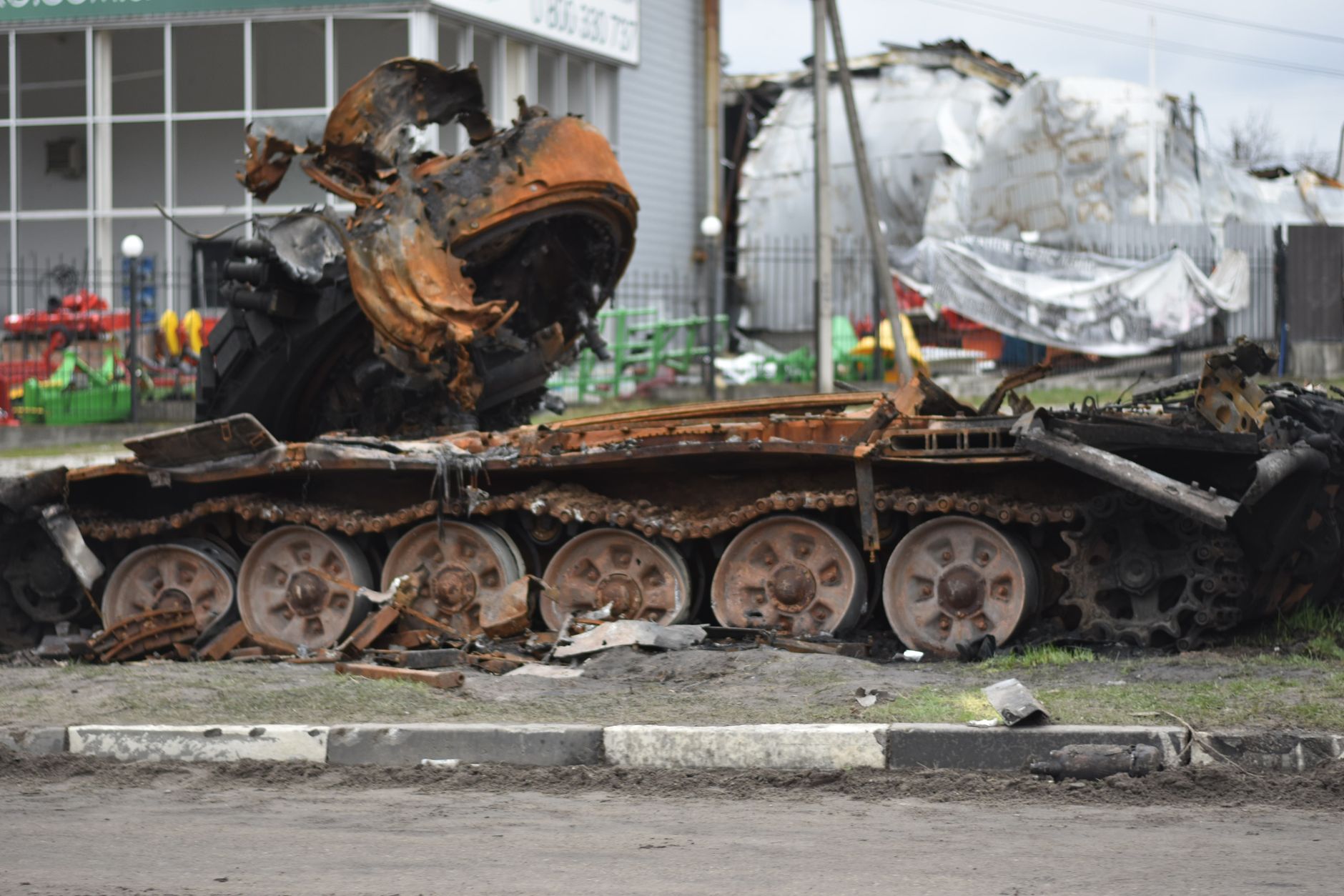
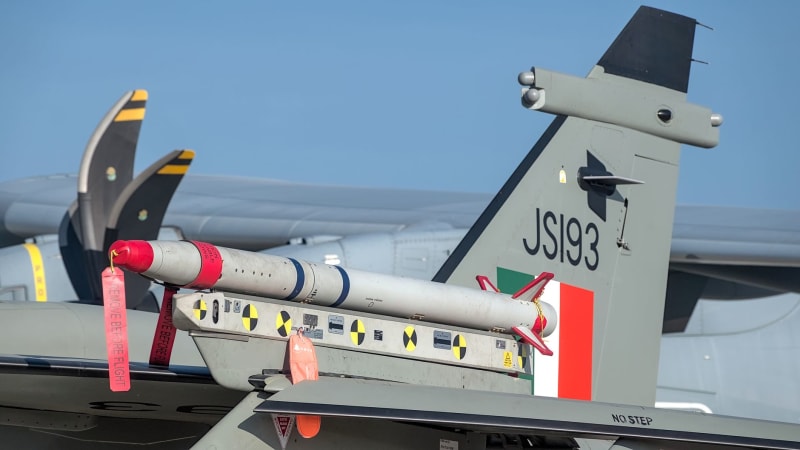
- Recent US airstrikes targeted facilities in Syria allegedly used by Iranian-backed militias, described by Washington as defensive responses to attacks on American personnel and bases.
- Iran, in turn, has condemned the US actions as illegal aggression and a direct threat to regional stability, vowing to respond to any further provocations with decisive force.
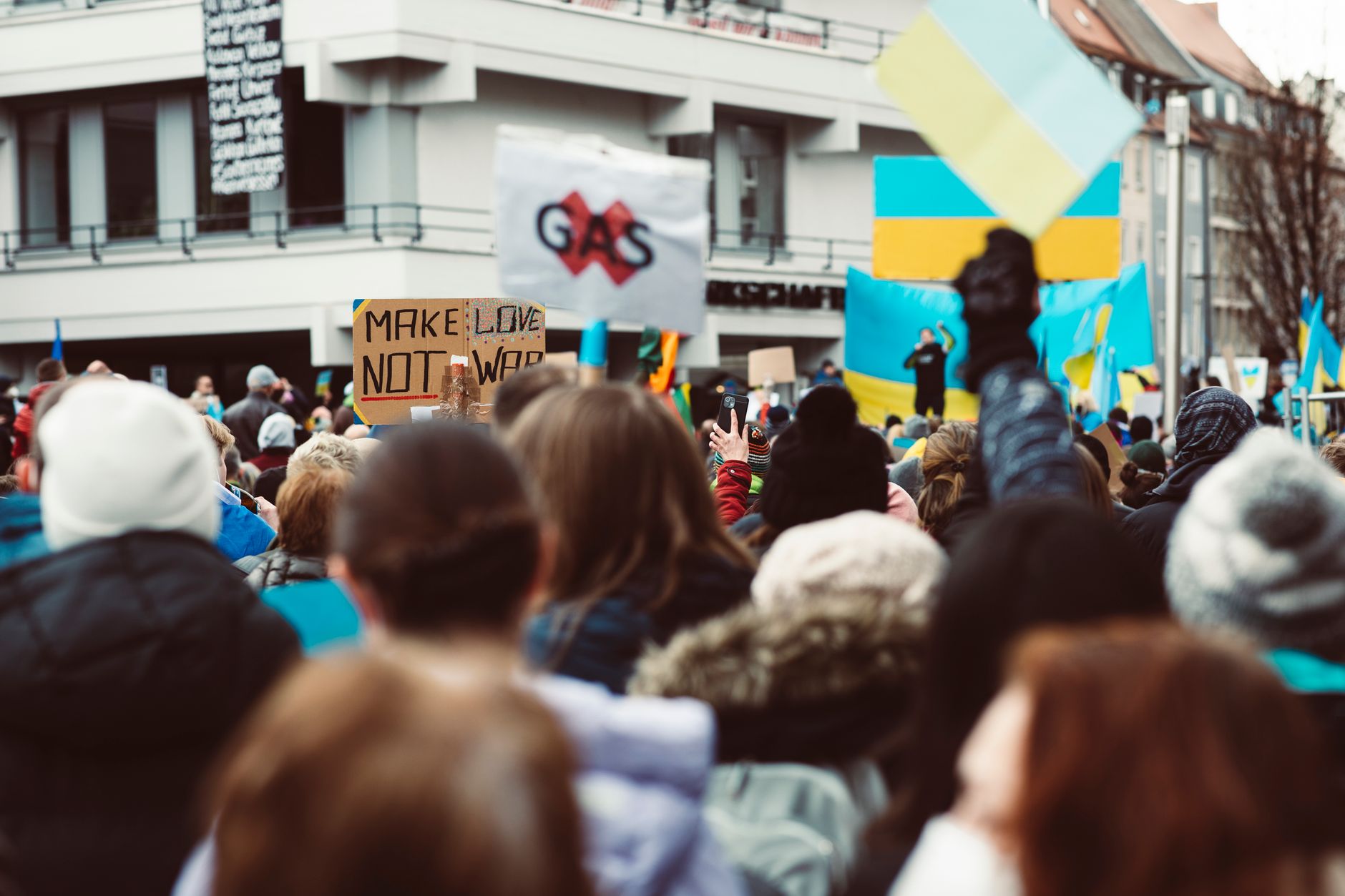
- International observers and regional powers are expressing profound concern over the escalating rhetoric and military actions, urging both sides to exercise maximum restraint and return to dialogue.
- The precarious situation highlights the complex web of proxy conflicts and geopolitical rivalries in the Middle East, where miscalculations could trigger a devastating wider confrontation.
The Human Face
Beyond the geopolitical maneuvering and military posturing, the true cost of escalating tensions between the US and Iran is borne by ordinary civilians caught in the crossfire. Families in regions like Syria and Iraq, already devastated by years of conflict and instability, now face renewed fears of displacement, injury, and death. The constant threat of airstrikes and retaliatory actions shatters any semblance of normalcy, forcing communities to live in perpetual anxiety, uncertain of what each new day will bring. Essential services, already stretched thin, risk further disruption, exacerbating humanitarian crises and making daily survival an even more arduous struggle for millions.
Children, in particular, are disproportionately affected by this cycle of violence. Their education is interrupted, their homes are destroyed, and their psychological well-being is severely impacted by the pervasive atmosphere of fear. Witnessing such widespread instability at a young age can have profound, long-lasting consequences, shaping their worldview and hindering their ability to thrive. The international community often focuses on strategic implications, but it is crucial to remember that every strike, every accusation, translates into tangible suffering for innocent men, women, and children who simply desire peace and stability in their lives.
The economic fallout also hits vulnerable populations the hardest. As tensions rise, investment flees, trade routes become insecure, and the cost of basic necessities often skyrockets. Local economies, struggling to recover from previous conflicts, are further destabilized, leading to job losses and increased poverty. This economic strain, coupled with the constant threat of violence, creates a desperate environment where hope dwindles and the prospect of a peaceful future seems increasingly distant. Understanding these profound human impacts is essential to truly grasp the gravity of the current US-Iran standoff.
How We Got Here
The current volatile situation between the United States and Iran is the culmination of decades of deep-seated mistrust, ideological clashes, and a complex web of regional proxy conflicts. The roots of this animosity can be traced back to the 1979 Iranian Revolution and the subsequent hostage crisis, which fundamentally altered the US-Iran relationship from a strategic alliance to one of profound antagonism. Over the years, this tension has manifested in various forms, including economic sanctions, accusations of state-sponsored terrorism, and proxy confrontations across the Middle East, particularly in Iraq, Syria, Lebanon, and Yemen. Each incident, each perceived slight, has layered another brick onto the wall of mutual suspicion, making genuine de-escalation an increasingly formidable challenge.
More recently, the withdrawal of the US from the Joint Comprehensive Plan of Action (JCPOA), commonly known as the Iran nuclear deal, in 2018 under the Trump administration, marked a significant turning point. This decision, coupled with the re-imposition of stringent sanctions, was perceived by Iran as a hostile act, leading to its gradual rollback of commitments under the deal and an acceleration of its nuclear program. The assassination of Iranian General Qassem Soleimani in early 2020 further inflamed tensions, prompting direct Iranian missile strikes on US bases in Iraq and bringing the two nations perilously close to all-out war. These events created a new, more dangerous baseline for interactions, where direct military confrontation became a more immediate and tangible threat.
The current ceasefire, often more of a tense truce, has been repeatedly tested by skirmishes involving Iranian-backed militias and US forces in Iraq and Syria. These groups, often operating independently but with varying degrees of Iranian support, frequently target US personnel and interests, prompting retaliatory strikes from Washington. Both sides claim their actions are defensive, aimed at protecting their assets and deterring further aggression. However, this cycle of action and reaction creates a dangerous feedback loop, where each strike, regardless of its stated intent, is interpreted by the other side as an act of aggression, propelling them closer to a full-scale regional conflict that neither side explicitly desires but both seem unable to avoid.
Why This Cannot Be Ignored
The escalating hostilities between the United States and Iran are not merely a bilateral dispute; they represent a severe threat to global stability and could ignite a broader regional conflagration with catastrophic consequences. The Middle East is already a geopolitical tinderbox, riddled with proxy wars, humanitarian crises, and fragile states. Any direct military confrontation between these two powerful actors would undoubtedly draw in other regional players, including Israel, Saudi Arabia, and various non-state armed groups, creating an unpredictable and uncontrollable cascade of violence. Such a scenario would destabilize global energy markets, trigger massive refugee flows, and potentially lead to an unprecedented humanitarian catastrophe, impacting nations far beyond the immediate conflict zone.
Furthermore, the breakdown of the fragile ceasefire and the continuous exchange of accusations undermine any prospects for diplomatic resolution to long-standing issues, most notably Iran's nuclear program. With each strike and counter-strike, the space for dialogue shrinks, and hardliners on both sides gain greater leverage, pushing for more aggressive postures. This erosion of diplomatic pathways means that critical issues, which require nuanced negotiation and trust-building, are instead addressed through military force, increasing the risk of miscalculation and accidental escalation. The international community's ability to enforce non-proliferation treaties and maintain regional security frameworks is directly jeopardized by this escalating cycle of violence.
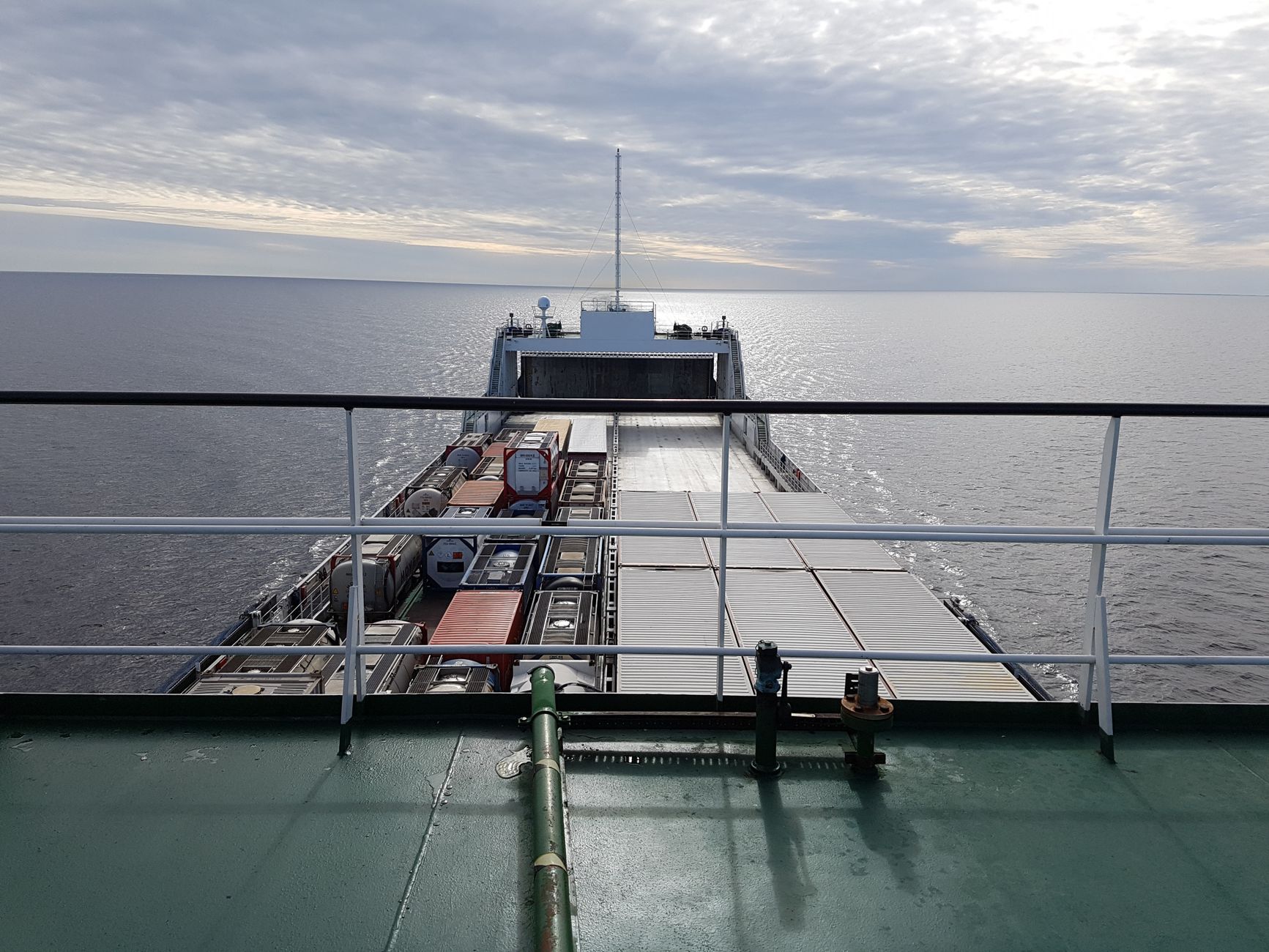
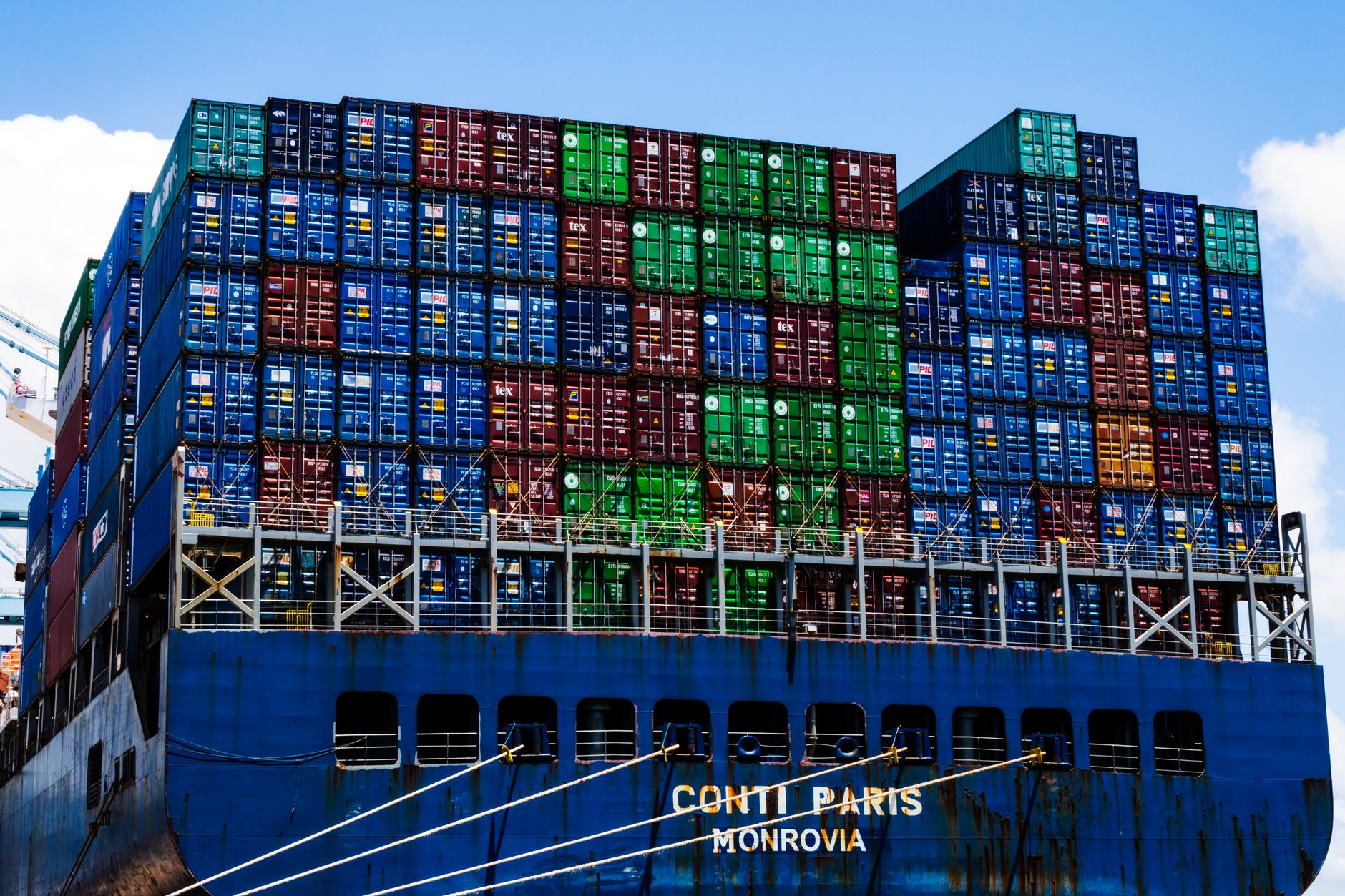
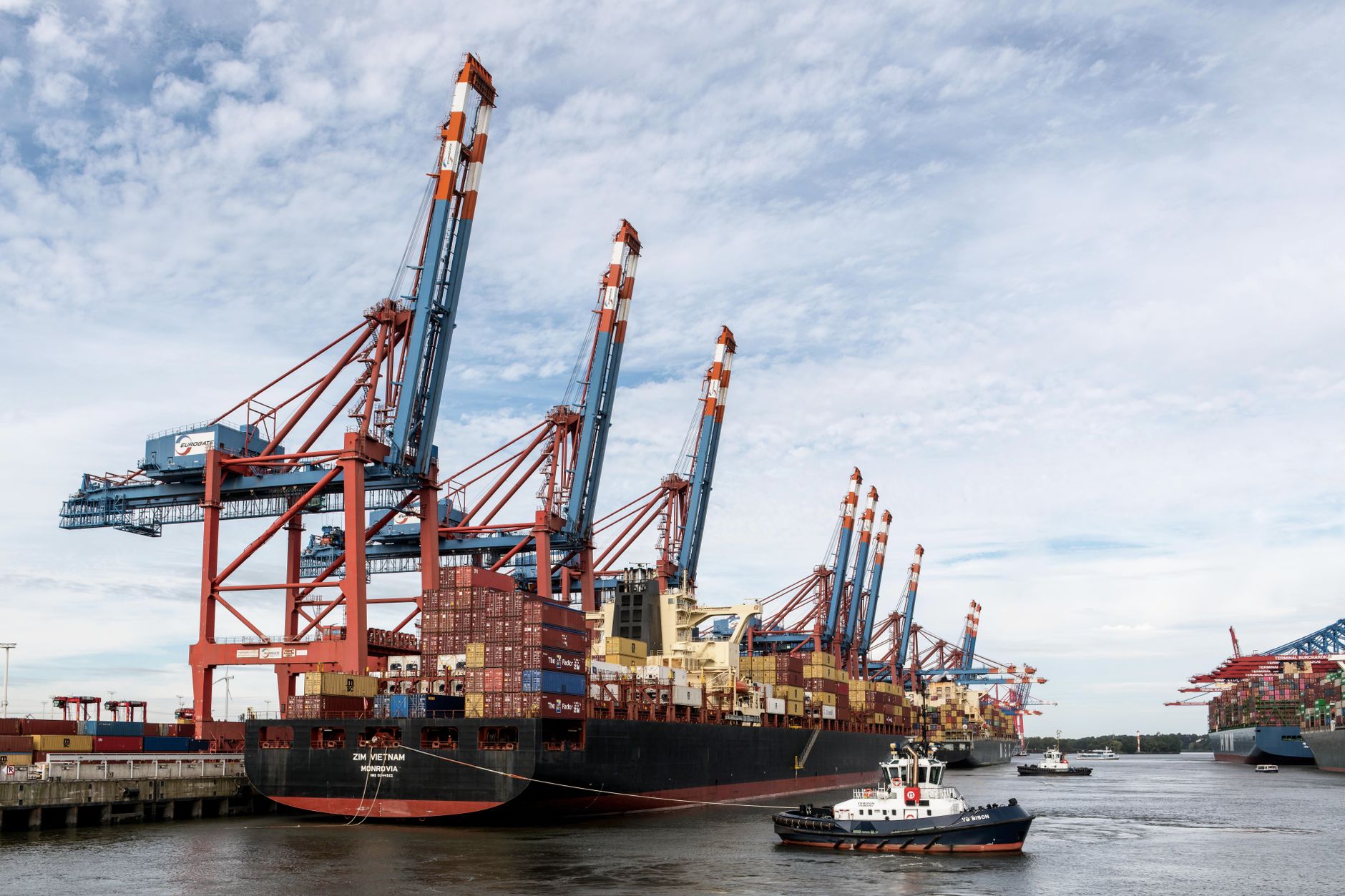
The economic repercussions of a full-blown conflict would be felt worldwide. The Strait of Hormuz, a critical chokepoint for global oil shipments, could be disrupted, sending oil prices soaring and plunging the global economy into recession. Supply chains, already strained by recent global events, would face immense pressure, leading to inflation and economic instability across continents. Beyond the immediate economic shock, the long-term impact on international trade, investment, and development would be profound. Therefore, the current US-Iran standoff is not just a regional concern but a critical global challenge that demands immediate and concerted international diplomatic intervention to prevent a devastating escalation.
Possible Paths Forward
De-escalation demands a multi-pronged approach, beginning with immediate, direct, and unconditional diplomatic engagement between Washington and Tehran. This means establishing secure back channels for communication, possibly facilitated by neutral third parties like Oman or Switzerland, to prevent miscalculation and clarify intentions. Both sides must commit to a verifiable cessation of hostilities and proxy actions, creating a cooling-off period where trust can begin to be rebuilt. A critical first step would be a mutual agreement to halt all offensive military actions and publicly reaffirm commitments to regional stability, even if only as an initial gesture to open the door for more substantive talks.
Beyond immediate de-escalation, a more comprehensive diplomatic framework is urgently needed to address the core grievances and security concerns of both the US and Iran. This could involve reviving elements of the JCPOA, but potentially expanding it to include regional security dialogues that incorporate other key players like Saudi Arabia and the UAE. Such a broader framework would aim to tackle not only nuclear proliferation but also ballistic missile development, regional proxy activities, and maritime security. The goal should be to forge a new regional security architecture that provides assurances to all parties, reducing the incentive for unilateral military action and fostering a climate of collective security.
Finally, the international community, particularly the United Nations Security Council and major global powers, must exert concerted pressure on both the US and Iran to prioritize diplomacy over confrontation. This includes offering incentives for de-escalation, such as phased sanctions relief for Iran in exchange for verifiable commitments, and imposing consequences for continued provocations. A unified international front, speaking with one voice, can provide the necessary leverage to compel both nations to step back from the brink and pursue a negotiated settlement. Without sustained international engagement, the current trajectory risks spiraling into an irreversible and devastating conflict.

Questions People Are Actually Asking
What to Watch
- Any direct, high-level diplomatic contact or statements from Washington or Tehran indicating a willingness to de-escalate, as even subtle shifts in rhetoric can signal a change in posture.
- The frequency and nature of attacks on US forces or interests in Iraq and Syria, and the subsequent US response, as these exchanges often dictate the immediate trajectory of tensions.
- Statements or actions from regional allies and adversaries, particularly Saudi Arabia, Israel, and other Gulf states, as their involvement or reactions could significantly broaden or complicate the conflict.
- Developments concerning Iran's nuclear program and its compliance with international monitoring, as any significant acceleration or withdrawal could trigger a severe international crisis.
- The role of international mediators and organizations, such as the UN or European powers, and their efforts to facilitate dialogue or propose new frameworks for de-escalation and regional security.
- Economic indicators, especially global oil prices and shipping security in the Strait of Hormuz, which would immediately reflect any significant escalation or disruption in the region.









Comments
No comments yet. Be the first to comment!