
The Story in Brief
- Russian forces launched a devastating series of missile and drone attacks across Ukraine, resulting in the tragic deaths of at least three civilians and widespread destruction of critical infrastructure and residential areas.
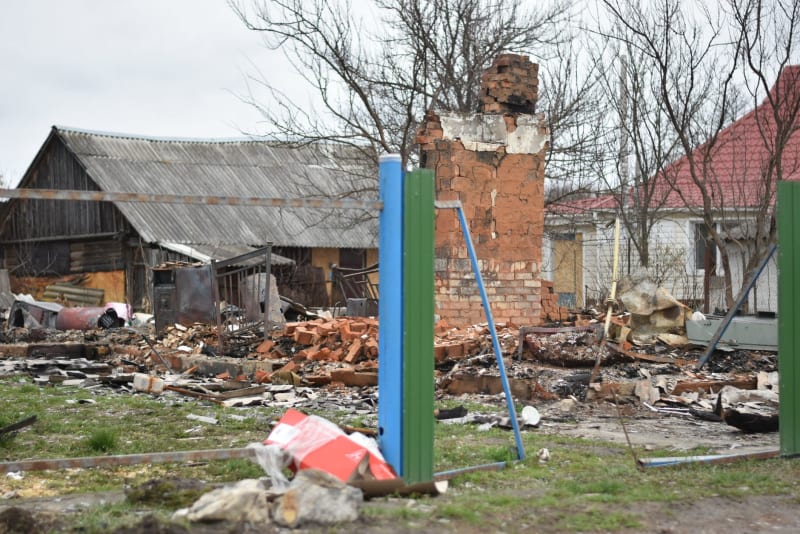
- The targeted regions included the eastern Donetsk province, where two individuals were killed, and the northeastern Kharkiv region, which saw one fatality and significant damage to civilian homes and essential services.
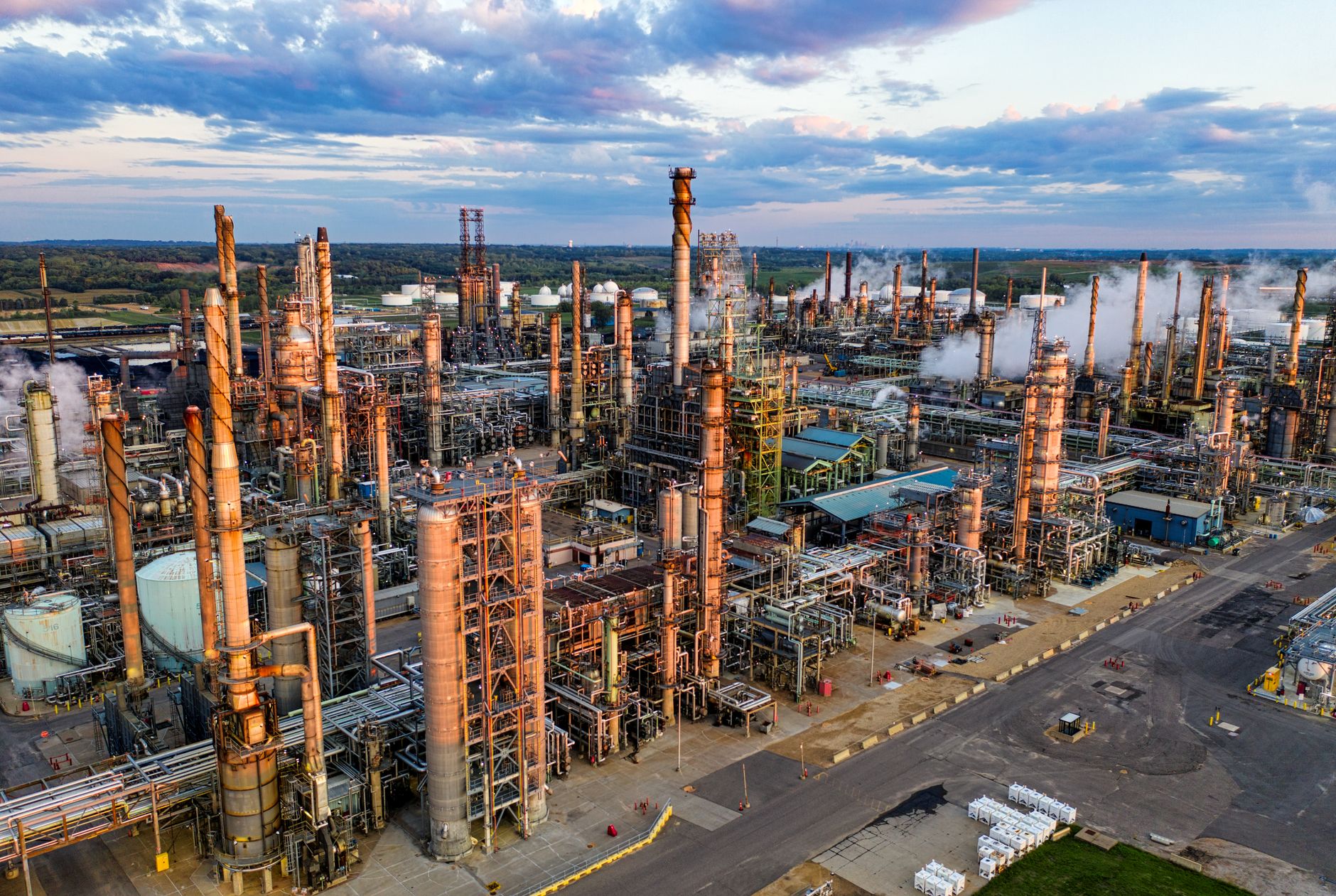
- In a significant retaliatory move, Ukraine successfully struck a major Russian oil refinery in the Krasnodar region, marking the latest in a series of calculated attacks aimed at disrupting Russia's vital energy sector.
- The Ukrainian General Staff reported a total of 88 combat engagements along the front lines over the past 24 hours, indicating a sustained and intense level of ground warfare across multiple sectors.
- President Volodymyr Zelenskyy has consistently urged Western allies to expedite the delivery of advanced air defense systems, emphasizing their critical importance in protecting Ukrainian cities and infrastructure from relentless Russian aerial assaults.
- The ongoing strikes against Russian oil facilities represent a strategic shift by Kyiv, aiming to exert economic pressure on Moscow and hinder its ability to finance the protracted invasion, while simultaneously demonstrating Ukraine's expanding long-range strike capabilities.
The Human Face
The latest wave of Russian aggression has once again underscored the brutal human cost of this conflict. In the eastern Donetsk province, two lives were tragically extinguished, leaving families shattered and communities reeling from the sudden, violent loss. These are not mere statistics; they represent individuals with hopes, dreams, and loved ones whose lives have been irrevocably altered by the indiscriminate nature of modern warfare. The constant threat of aerial bombardment forces civilians into a perpetual state of fear, disrupting every aspect of daily life and eroding any sense of normalcy.
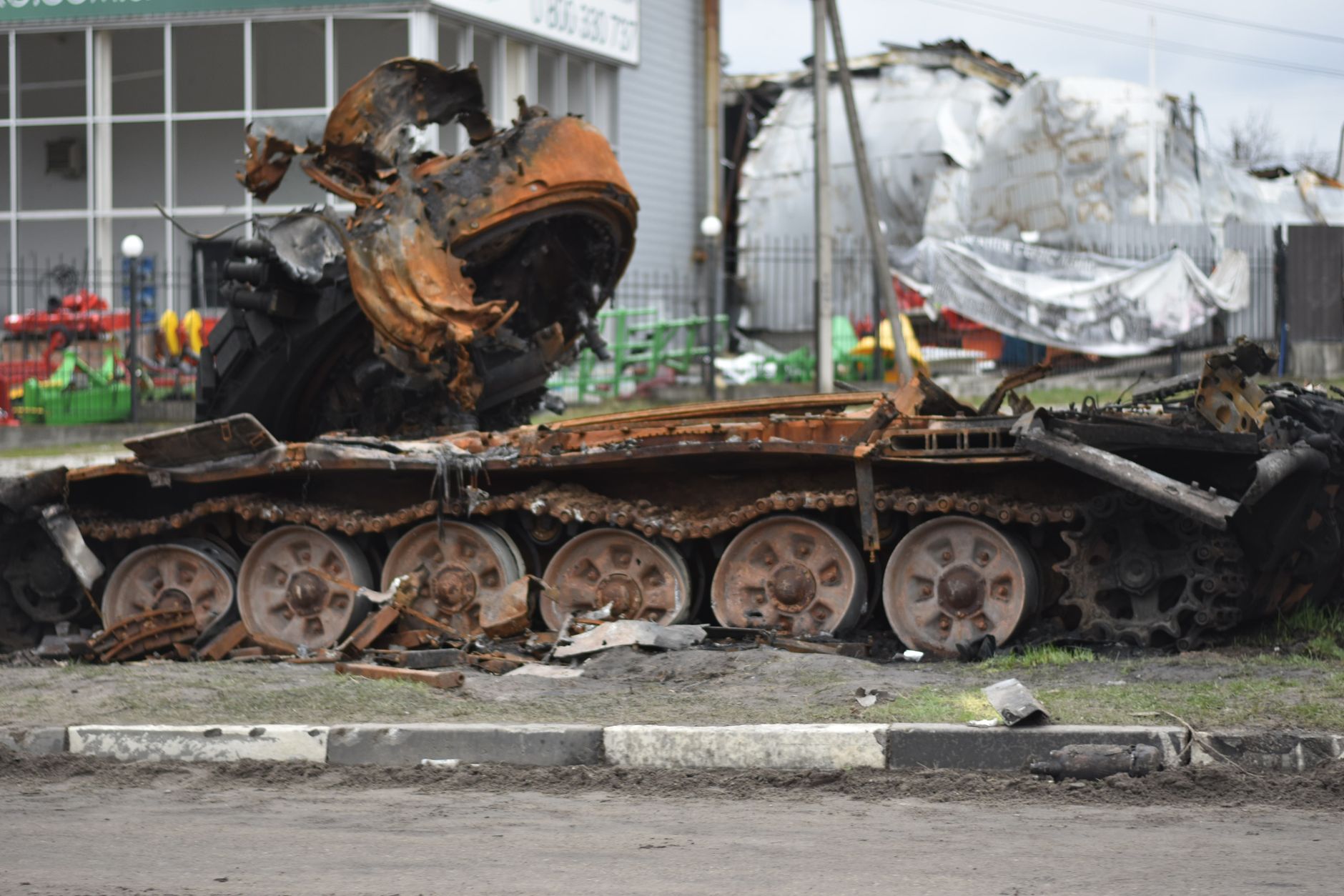
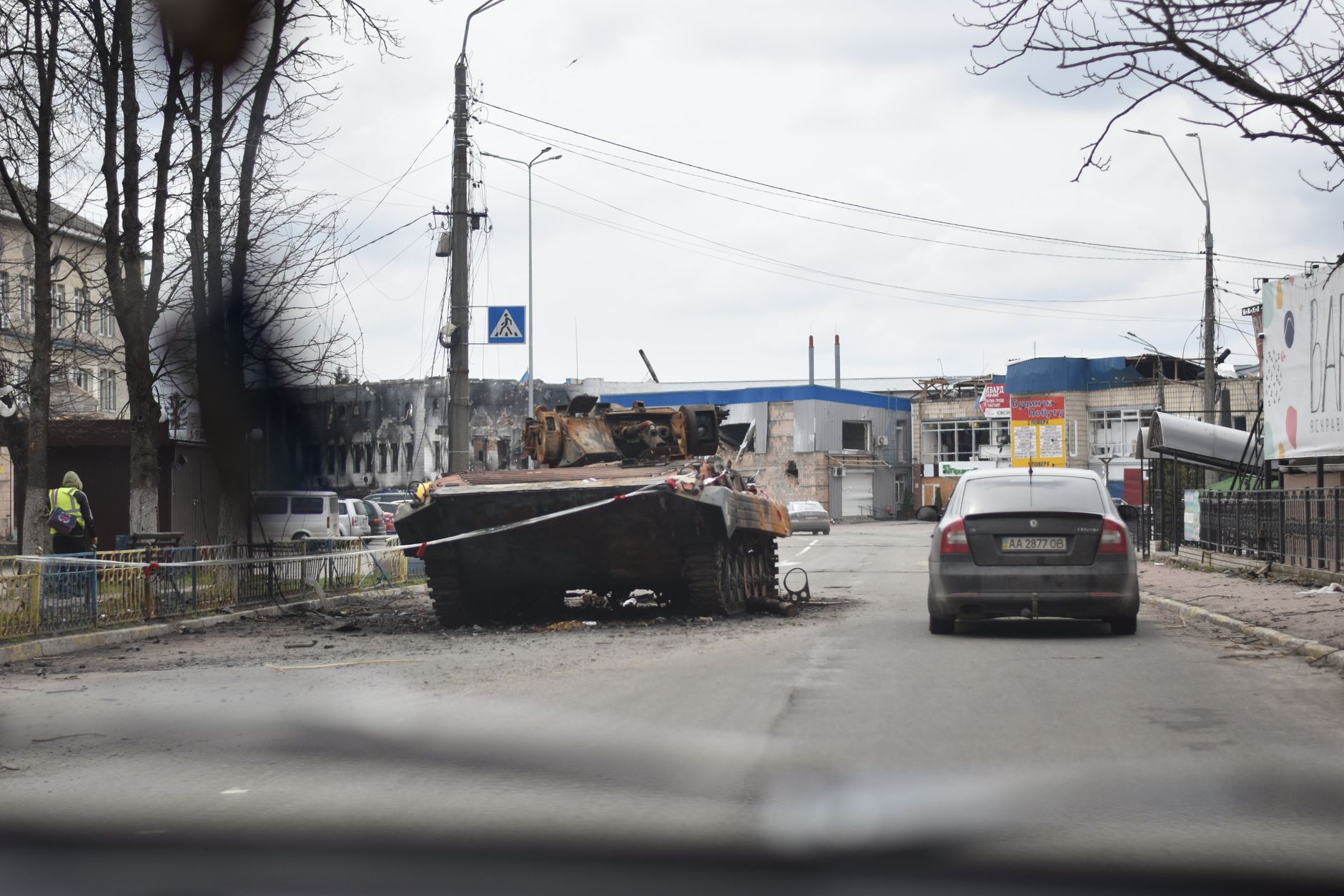
Further north, in the Kharkiv region, another civilian perished, a stark reminder of the widespread devastation that stretches across Ukraine. Homes, schools, and hospitals, once symbols of community and progress, are now reduced to rubble, their inhabitants displaced or worse. The psychological toll on survivors, particularly children, is immense, as they grapple with trauma, loss, and the uncertainty of their future. These attacks are designed not just to destroy infrastructure but to break the spirit of the Ukrainian people, a tactic that has, thus far, only strengthened their resolve.
Beyond the immediate casualties, millions have been forced to flee their homes, becoming internally displaced persons or refugees in neighboring countries. The fabric of Ukrainian society is being tested daily, with communities demonstrating remarkable resilience in the face of relentless assault. Volunteer networks, local authorities, and international aid organizations work tirelessly to provide humanitarian assistance, shelter, and medical care, but the scale of the crisis continues to overwhelm resources. Each new strike deepens the wounds of a nation fighting for its very existence.
How We Got Here
The current intensification of hostilities is a direct consequence of Russia's full-scale invasion of Ukraine, which commenced in February 2022. For over two years, Russia has systematically targeted Ukrainian cities, critical infrastructure, and military installations, employing a vast arsenal of missiles, drones, and artillery. This sustained campaign of aggression has aimed to degrade Ukraine's defense capabilities, destabilize its government, and break the will of its people, often disregarding international humanitarian law and resulting in immense civilian suffering.
In response to these relentless attacks and facing a protracted conflict, Ukraine has increasingly adopted a strategy of striking back at Russia's economic and military assets within its own territory. This shift became particularly noticeable with the rising frequency of drone attacks targeting Russian oil refineries, military depots, and logistical hubs. These actions are designed to disrupt Russia's war machine, impose economic costs, and demonstrate Ukraine's capacity to project power beyond its borders, thereby creating pressure on Moscow to reconsider its aggressive stance.
The recent escalation, characterized by simultaneous Russian missile barrages and Ukrainian counter-strikes on energy infrastructure, reflects a dangerous new phase in the conflict. With both sides demonstrating enhanced capabilities for long-range attacks, the war is extending beyond the immediate front lines, impacting civilian populations and economic stability in both nations. This tit-for-tat escalation highlights the urgent need for robust international support for Ukraine's air defenses and a renewed diplomatic push to de-escalate a conflict that shows no signs of abating.
Why This Cannot Be Ignored
The ongoing escalation in Ukraine carries profound implications that extend far beyond the immediate conflict zone. The targeting of critical energy infrastructure, both by Russia within Ukraine and by Ukraine within Russia, threatens global energy markets, potentially leading to increased volatility in oil and gas prices. This instability can ripple through economies worldwide, impacting everything from consumer costs to industrial production, and exacerbating existing inflationary pressures in an already fragile global economic landscape. The interconnectedness of modern economies means that disruptions in one region can quickly become global challenges.
Furthermore, the relentless attacks on civilian populations and infrastructure represent a grave violation of international law and humanitarian principles. The deliberate targeting of non-combatants and essential services is a war crime that demands unequivocal condemnation and accountability. Allowing such actions to continue unchecked risks normalizing egregious breaches of international norms, setting a dangerous precedent for future conflicts and undermining the very foundations of global security and human rights. The international community has a moral imperative to protect civilian lives and uphold the rule of law.
This conflict also serves as a critical test for the international rules-based order. The outcome in Ukraine will significantly influence the geopolitical landscape for decades to come, shaping perceptions of deterrence, sovereignty, and the efficacy of collective security mechanisms. A failure to adequately support Ukraine and hold aggressors accountable could embolden other revisionist powers, leading to further instability and conflict across various regions. Therefore, the stakes are not just about Ukraine's future, but about the future of global peace and stability.
Possible Paths Forward
One immediate path forward involves a significant and expedited increase in military aid to Ukraine, particularly advanced air defense systems and long-range precision weaponry. Strengthening Ukraine's ability to defend its skies and target Russian military and logistical assets is crucial for deterring further aggression and leveling the playing field. This includes not only providing the necessary hardware but also ensuring robust training, maintenance, and a consistent supply chain for ammunition and spare parts. Enhanced air defense capabilities would significantly reduce civilian casualties and protect critical infrastructure, allowing Ukraine to maintain its economic and social stability amidst the conflict.
Concurrently, diplomatic efforts must be intensified to explore avenues for a just and lasting peace. While a ceasefire without Russian withdrawal is unacceptable to Ukraine, back-channel negotiations and multilateral discussions could lay the groundwork for future talks. This might involve engaging neutral parties, leveraging international organizations, and exploring confidence-building measures that could eventually lead to a comprehensive peace settlement. The goal should be to achieve a resolution that respects Ukraine's sovereignty and territorial integrity, while also addressing broader security concerns in the region. Diplomatic pressure, coupled with military support, creates the most viable path towards a sustainable peace.
Another critical path forward involves increasing economic pressure on Russia through expanded sanctions and stricter enforcement mechanisms. Targeting key sectors of the Russian economy, particularly those funding its war efforts, can diminish its capacity to sustain the invasion. This includes cracking down on sanctions evasion, reducing reliance on Russian energy, and freezing assets of individuals and entities complicit in the aggression. Additionally, international efforts to hold Russia accountable for war crimes and provide reparations to Ukraine must be pursued vigorously, ensuring that justice is served and a precedent is set against future acts of aggression. This comprehensive approach of military, diplomatic, and economic measures offers the most robust strategy for navigating this complex conflict.

Questions People Are Actually Asking
What to Watch
- The frequency and scale of Russian missile and drone attacks: Observe whether Russia intensifies its aerial bombardments in response to Ukrainian strikes, particularly targeting energy infrastructure, and how effectively Ukraine's air defenses can counter these threats.
- Ukraine's continued targeting of Russian oil refineries and other strategic assets: Monitor the impact of these strikes on Russia's fuel supply, export capabilities, and the Kremlin's economic stability, as well as any potential shifts in Russia's retaliatory strategies.
- Western military aid packages, especially air defense systems: Keep an eye on the speed and volume of advanced air defense deliveries from NATO allies, as these are crucial for Ukraine's ability to protect its cities and critical infrastructure from ongoing Russian aggression.
- Developments on the front lines, particularly in eastern Ukraine: Track the intensity of combat engagements and any significant territorial changes in key areas like Donetsk and Kharkiv, which could indicate shifts in military momentum or strategic objectives.
- Global energy market reactions: Watch for any volatility in international oil and gas prices in response to attacks on energy infrastructure in either Ukraine or Russia, as these can have ripple effects on economies worldwide.
- Diplomatic efforts and statements from international bodies: Pay attention to any new proposals for peace talks, mediation efforts, or intensified sanctions discussions from the UN, EU, G7, or individual nations, which could signal potential pathways towards de-escalation.









Comments
No comments yet. Be the first to comment!