
Key Takeaways
- The United States has launched targeted military strikes against Iranian-backed facilities, marking a significant escalation in regional tensions following a recent attack on a commercial vessel in the Gulf.
- These retaliatory actions underscore a firm U.S. commitment to safeguarding international shipping lanes and deterring further aggression in a strategically vital maritime corridor.
- The strikes were meticulously planned to minimize civilian casualties while sending a clear message to Tehran regarding the unacceptable nature of its proxy forces' destabilizing activities.
- Iran has vehemently condemned the U.S. actions, vowing a proportionate response, which raises serious concerns about a potential cycle of escalation and broader regional conflict.
- International observers are closely monitoring the situation, with many nations urging de-escalation and diplomatic solutions to prevent a full-blown military confrontation that could destabilize global energy markets.
- The incident highlights the precarious balance of power in the Middle East, with proxy conflicts increasingly threatening direct state-on-state military engagements, demanding careful diplomatic navigation.
Background
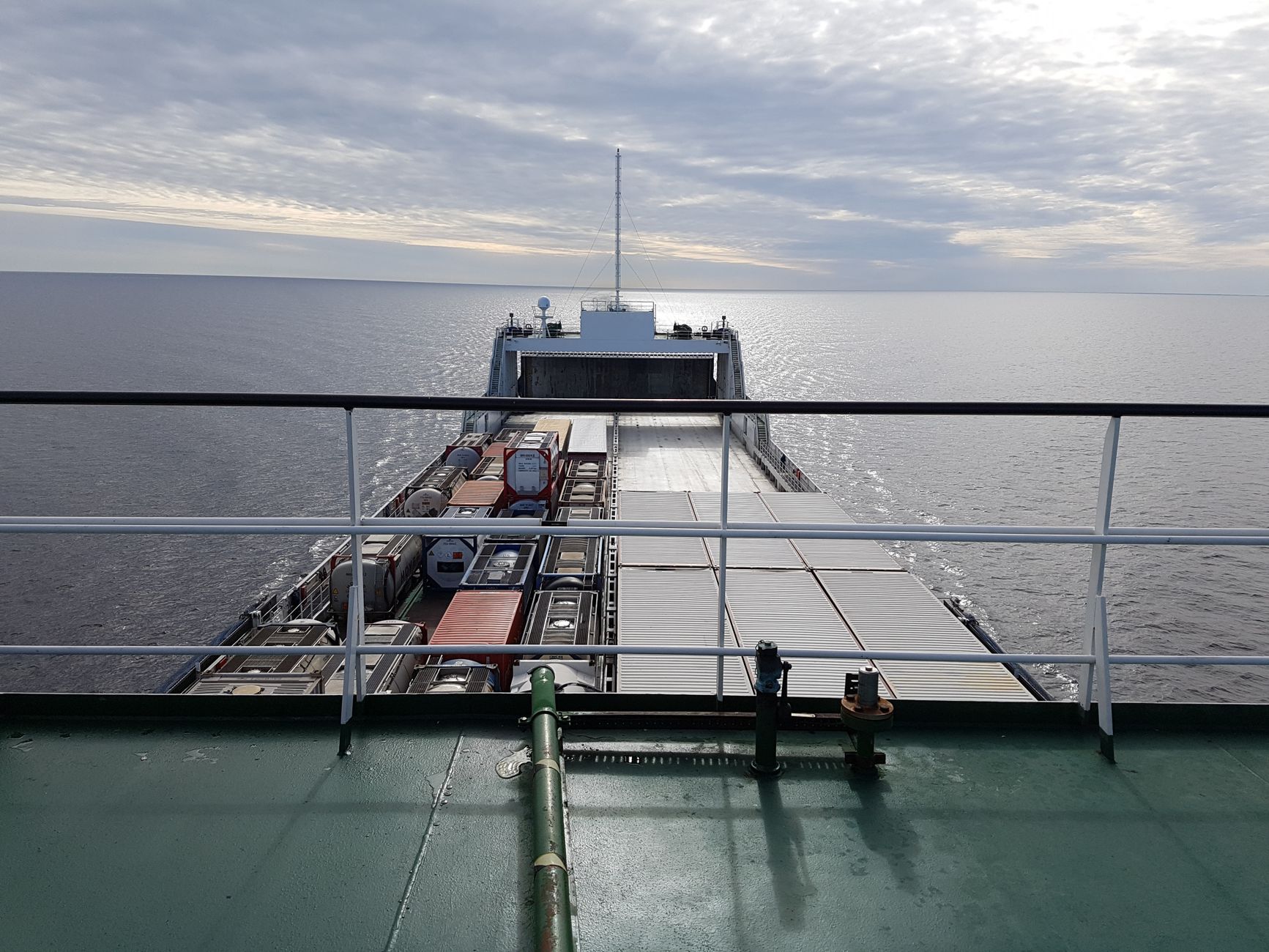
The recent U.S. military strikes against Iranian-backed targets represent a direct response to a series of escalating provocations, culminating in a drone attack on a commercial tanker in the Gulf of Oman. This particular incident, which caused significant damage and threatened the lives of the crew, was unequivocally attributed to Iranian-backed militias operating in the region. For months, there has been a concerning pattern of harassment and attacks on international shipping, disrupting vital trade routes and raising insurance premiums for vessels traversing these waters. The U.S. and its allies have repeatedly warned against such actions, emphasizing the critical importance of freedom of navigation in these global arteries.
The broader context involves a long-standing shadow war between the United States and Iran, often playing out through proxy forces across the Middle East. From Yemen to Iraq and Syria, Iranian-backed groups have been instrumental in projecting Tehran's influence, frequently clashing with U.S. interests and those of its regional partners. These proxies, often well-armed and trained, provide Iran with plausible deniability while enabling it to exert pressure and challenge the existing regional order without direct state-on-state confrontation. The attack on the commercial ship is seen as another calculated move within this complex strategic game.
Prior to these strikes, diplomatic efforts to de-escalate tensions had largely stalled, with both sides maintaining firm stances. The U.S. had consistently called for Iran to rein in its proxies and adhere to international maritime law, while Iran has accused the U.S. of maintaining an aggressive military presence in the region. The current administration in Washington has signaled a lower tolerance for attacks on commercial shipping and military personnel, indicating a more robust response strategy. This shift in policy has now materialized into direct military action, marking a significant turning point in the already fraught relationship between the two nations.
Why It Matters
The U.S. retaliatory strikes against Iranian-backed forces carry profound implications for regional stability and global energy markets. The Strait of Hormuz, a narrow chokepoint through which a significant portion of the world's oil supply passes, becomes increasingly vulnerable to disruption with every escalation. Any sustained conflict or even heightened tensions in this area could lead to a dramatic spike in oil prices, impacting economies worldwide and potentially triggering inflationary pressures that would be felt by consumers globally. The stability of this critical maritime passage is not merely a regional concern but a fundamental pillar of international economic security.
Furthermore, these actions risk igniting a broader conflict that could draw in other regional and international actors. The intricate web of alliances and rivalries in the Middle East means that a direct confrontation between the U.S. and Iran could quickly spiral out of control, involving Saudi Arabia, Israel, and other Gulf states. Such a scenario would have devastating humanitarian consequences, displace millions, and create an even more fertile ground for extremist groups to flourish, further destabilizing an already volatile region. The potential for miscalculation on either side remains a constant and alarming threat.
Beyond the immediate military and economic ramifications, this escalation also tests the limits of international law and diplomacy. The U.S. justification for its strikes hinges on self-defense and the protection of international shipping, while Iran views them as an act of aggression. The international community is now faced with the challenge of de-escalating the situation, preventing further bloodshed, and finding a diplomatic off-ramp. The credibility of international institutions and the effectiveness of multilateral diplomacy are on the line as the world watches to see if a full-scale war can be averted in this strategically crucial part of the world.
Ground Reality
On the ground, the immediate aftermath of the U.S. strikes has been characterized by heightened alert levels across military installations in the region. U.S. forces and their allies have reinforced defenses and increased surveillance, anticipating potential retaliatory actions from Iran or its proxies. Local populations, particularly in areas near known Iranian-backed facilities or strategic chokepoints, are experiencing increased anxiety and uncertainty. There are reports of increased security checkpoints and a general sense of unease as residents brace for what might come next, highlighting the immediate human impact of these geopolitical maneuvers.
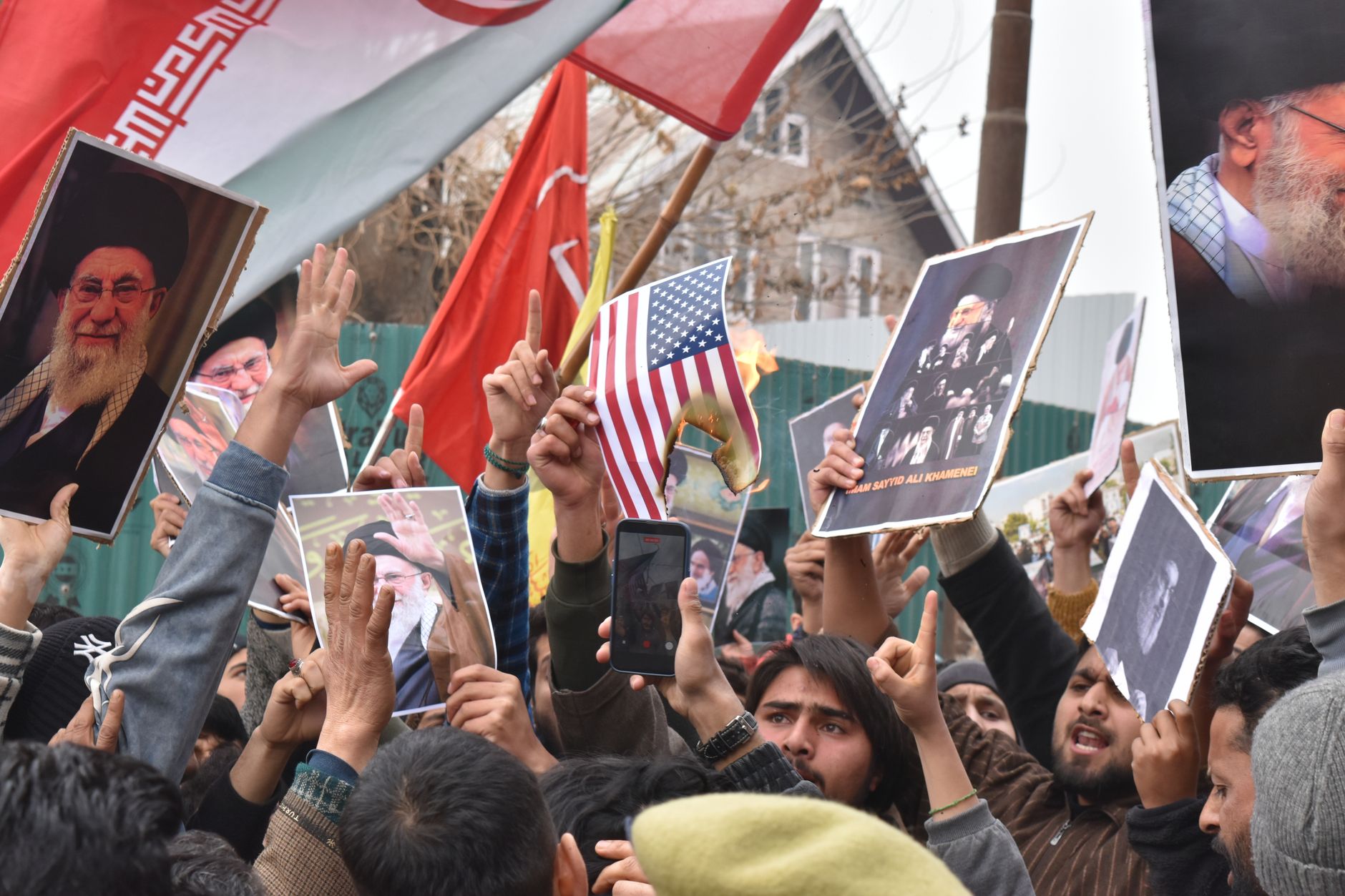
In Iran, the government has swiftly condemned the U.S. actions as a violation of its sovereignty and international law, mobilizing public opinion against what it portrays as American aggression. State media is heavily emphasizing the narrative of resistance and resilience, while simultaneously downplaying the effectiveness or scope of the U.S. strikes. There is a strong domestic political imperative for the Iranian leadership to demonstrate strength and resolve, which could lead to a more aggressive posture in the coming days, making de-escalation efforts significantly more challenging for international mediators.
The operational landscape for shipping in the Gulf has become even more precarious. Insurance premiums for vessels transiting the Strait of Hormuz and surrounding waters have already seen a sharp increase, reflecting the elevated risk profile. Shipping companies are re-evaluating routes and security protocols, with some considering longer, more expensive detours to avoid potential flashpoints. This directly impacts global supply chains, adding costs and delays to the movement of goods, and ultimately affecting consumers worldwide. The immediate ground reality is one of increased militarization and economic disruption.
What Experts Are Saying
Security analysts are largely in agreement that the U.S. strikes represent a calculated escalation designed to restore deterrence rather than initiate a full-scale war. Dr. Eleanor Vance, a senior fellow at the Institute for Global Security Studies, notes, "Washington's intent appears to be a clear signal that attacks on international shipping and U.S. assets will not go unanswered. The precision and limited scope of these strikes suggest a desire to avoid a wider conflict, but the ball is now firmly in Iran's court regarding the next move." This perspective emphasizes the strategic messaging behind the military action, aiming to recalibrate Iranian behavior through force.
However, other experts warn of the inherent dangers of such tit-for-tat exchanges. Professor David Chen, an expert on Middle Eastern geopolitics at the National University, cautions, "While the U.S. may intend a limited response, the history of this region is replete with miscalculations that have led to unintended escalations. Iran's domestic political landscape often dictates a strong, defiant response to external pressure, making it difficult for Tehran to back down without losing face. We are walking a very fine line here, and the risk of a regional conflagration is significantly elevated." This viewpoint highlights the unpredictable nature of regional dynamics and the potential for unintended consequences.
Economists and energy market specialists are particularly concerned about the potential impact on global oil prices. Ms. Anya Sharma, a lead analyst at Global Energy Futures, states, "Even a perceived threat to the Strait of Hormuz can send shockwaves through the oil markets. If these tensions persist or escalate further, we could see crude oil prices surge well beyond current levels, putting immense pressure on global inflation and potentially triggering a slowdown in economic growth. The immediate economic fallout is already visible in increased shipping insurance costs, which will ultimately be passed on to consumers." Her analysis underscores the direct link between geopolitical instability and global economic health.

Frequently Asked Questions
What Happens Next
The immediate future hinges on Iran's next move. While Tehran has vowed retaliation, the form and scale of its response will be critical in determining whether this remains a contained exchange or spirals into a broader conflict. Analysts anticipate that Iran may choose to respond through its proxy forces, potentially targeting commercial shipping again, U.S. military bases, or interests of U.S. allies in the region. A direct, overt military response from Iran against U.S. forces is considered less likely in the short term, as it would risk a devastating counter-response, but cannot be entirely ruled out given the unpredictable nature of the situation.
Diplomatic efforts are expected to intensify behind the scenes, with various international actors attempting to mediate and de-escalate the situation. The United Nations, along with European and regional powers, will likely urge both the U.S. and Iran to exercise maximum restraint and engage in dialogue. However, the effectiveness of such diplomatic overtures will largely depend on the willingness of both Washington and Tehran to step back from the brink and prioritize stability over perceived strategic gains. The challenge lies in finding a face-saving solution for both sides.
Economically, the global energy markets will remain highly sensitive to any further developments. Any perceived threat to oil production or shipping lanes in the Gulf will likely trigger further price volatility. Shipping companies will continue to reassess their routes and security measures, potentially leading to ongoing disruptions in global supply chains. The long-term implications for regional trade and investment are significant, as sustained instability will deter foreign capital and hinder economic development across the Middle East. The coming days will be crucial in shaping the trajectory of this dangerous escalation.










Comments
No comments yet. Be the first to comment!