
The Numbers
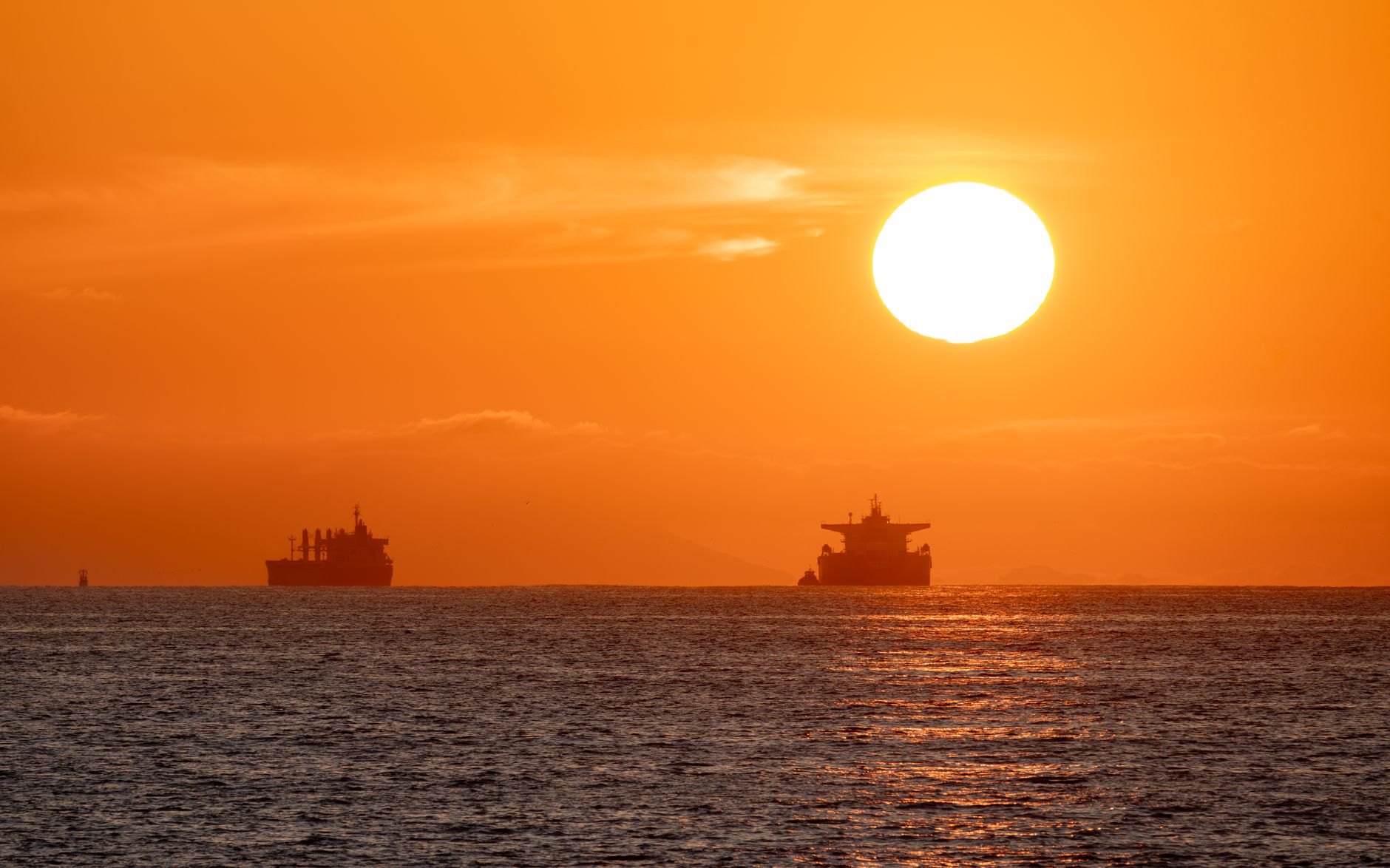
- Approximately 21 million barrels of oil per day, representing about one-third of the world's seaborne oil trade and nearly 20% of global oil consumption, transit through the Strait of Hormuz.
- The current standoff has driven global oil prices up by nearly 7% in the past 48 hours, reflecting market anxieties and the potential for severe supply disruptions.
- Iran's economy has contracted by an estimated 9.5% in the past year, largely due to crippling US sanctions, intensifying domestic pressure on the regime.
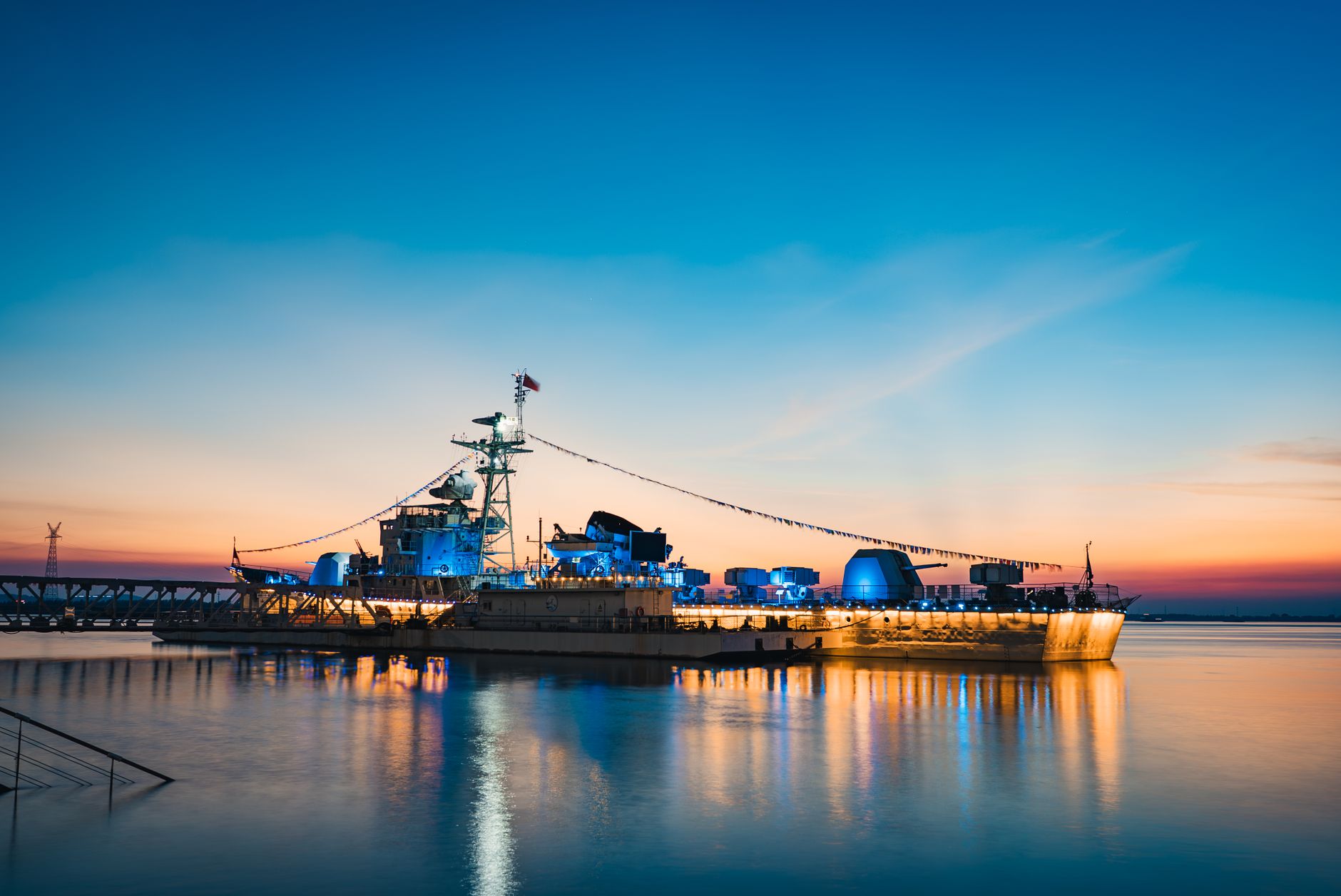
- The US has deployed an additional 1,500 troops to the Middle East, alongside a carrier strike group and bomber task force, significantly bolstering its military presence.
- Over 60% of Iran's annual revenue is derived from oil exports, making the Strait of Hormuz blockade a critical, albeit self-damaging, leverage point for Tehran.
- Analysts estimate that a full-scale conflict in the Persian Gulf could send crude oil prices soaring above $150 per barrel, triggering a global economic recession.
Context Check
The geopolitical landscape surrounding the US-Iran relationship has been fraught with tension since the unilateral US withdrawal from the Joint Comprehensive Plan of Action (JCPOA), commonly known as the Iran nuclear deal, in May 2018. This pivotal decision, championed by the Trump administration, reinstated and intensified a broad spectrum of economic sanctions against Tehran, aiming to cripple its economy and force it back to the negotiating table for a 'better deal.' The administration's 'maximum pressure' campaign has systematically targeted Iran's vital oil exports, financial institutions, and strategic industries, leading to a severe economic downturn within the Islamic Republic.
Iran, in response to these escalating pressures, has progressively reduced its commitments under the JCPOA, including increasing its uranium enrichment levels and stockpiles, actions designed to demonstrate its dissatisfaction and to create leverage. These moves have been met with alarm by European signatories of the deal, who have struggled to preserve the agreement and maintain trade channels with Iran despite US sanctions. The current crisis is further exacerbated by a series of regional incidents, including attacks on oil tankers in the Gulf of Oman and drone strikes on Saudi oil facilities, which the US and its allies have attributed to Iran, though Tehran denies direct involvement.
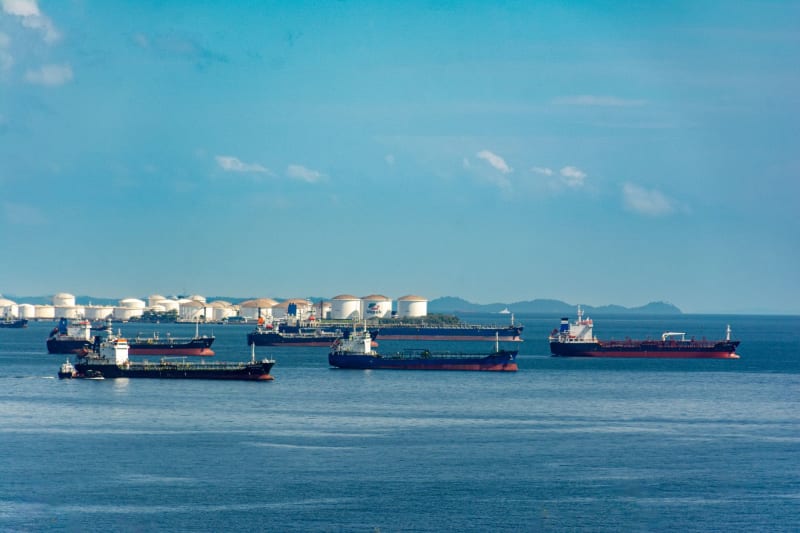
The Strait of Hormuz, a narrow waterway connecting the Persian Gulf to the open ocean, stands as a critical chokepoint for global oil shipments. Its strategic importance cannot be overstated; any disruption to its free passage has immediate and severe repercussions for international energy markets. Iran's repeated threats to close the Strait, coupled with recent naval maneuvers and the seizure of foreign-flagged vessels, underscore its willingness to use this vital artery as a bargaining chip. This volatile situation places immense pressure on international diplomacy and raises the specter of a direct military confrontation, with potentially devastating global economic and security consequences.
Background
The current escalation between the United States and Iran is deeply rooted in decades of mistrust and geopolitical rivalry, fundamentally shaped by the 1979 Iranian Revolution and the subsequent hostage crisis. For over forty years, the relationship has been characterized by periods of intense confrontation and proxy conflicts across the Middle East. The 2015 JCPOA, which saw Iran agree to significant restrictions on its nuclear program in exchange for sanctions relief, represented a brief, fragile détente. However, the Trump administration's decision to withdraw from this landmark agreement fundamentally altered the trajectory, reigniting a cycle of escalating tensions and mutual recriminations.
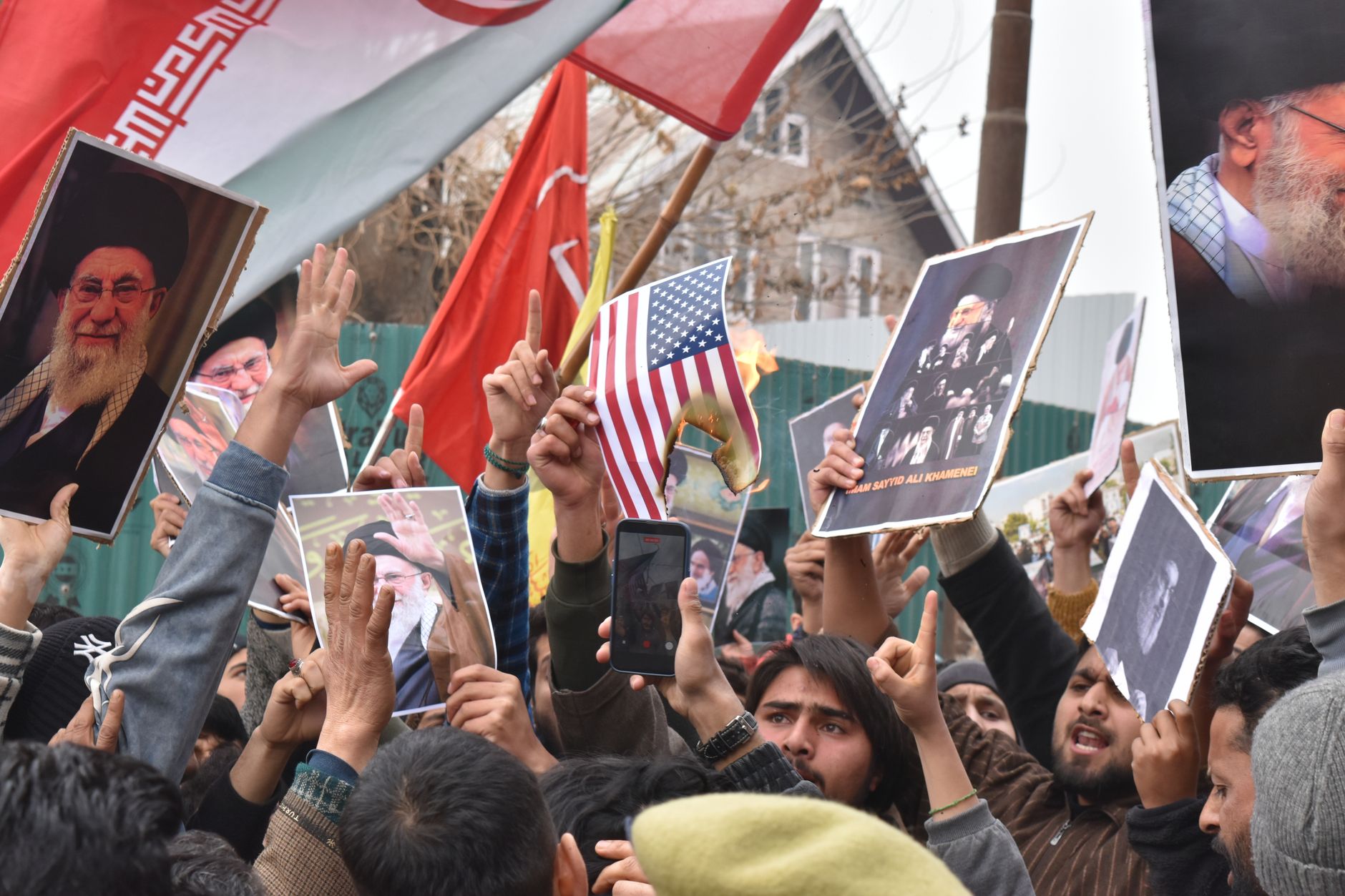
President Trump's 'maximum pressure' campaign, initiated after the JCPOA withdrawal, has been predicated on the belief that severe economic hardship would compel Iran to negotiate a more comprehensive deal, addressing not only its nuclear ambitions but also its ballistic missile program and its regional activities. This strategy has involved reimposing and expanding sanctions targeting Iran's oil exports, banking sector, and key industries, aiming to cut off the regime's primary sources of revenue. While the sanctions have undoubtedly inflicted significant economic pain on Iran, they have also fueled anti-American sentiment and hardened Tehran's resolve, leading to a dangerous tit-for-tat escalation.
The recent ultimatum from President Trump, threatening further military action if a new deal is not reached, marks a dangerous intensification of this pressure. This rhetoric, coupled with Iran's continued defiance and its actions in the Strait of Hormuz, creates an exceptionally volatile environment. The international community watches with bated breath, recognizing that a miscalculation or an unintended incident could swiftly spiral into a full-blown military conflict, with catastrophic implications for global energy supplies, regional stability, and the broader international order. The stakes could not be higher, demanding urgent diplomatic engagement to de-escalate the crisis.
Winners and Losers
In this high-stakes geopolitical chess match, there are clear potential winners and losers, though the ultimate outcome remains uncertain and fraught with peril. Saudi Arabia and other Gulf monarchies, long-standing rivals of Iran, could potentially emerge as 'winners' if the US campaign severely weakens Iran's regional influence and military capabilities. These nations would likely see increased security and potentially greater market share in oil production if Iranian exports are further curtailed. Additionally, global arms manufacturers might see a surge in demand as regional powers seek to bolster their defenses in an increasingly unstable environment.
Conversely, the most immediate and profound 'losers' are undoubtedly the Iranian people, who bear the brunt of crippling economic sanctions. Shortages of essential goods, rampant inflation, and a collapsing currency are creating immense hardship, fueling popular discontent and potentially destabilizing the regime internally. Furthermore, global consumers and industries reliant on stable oil prices stand to lose significantly; any sustained disruption in the Strait of Hormuz would trigger a sharp rise in energy costs, potentially plunging the global economy into recession. European nations, striving to maintain the JCPOA and avoid a wider conflict, also face a losing scenario as their diplomatic efforts are undermined and their economic interests threatened.
The global shipping industry and international trade routes are also significant potential losers, facing increased insurance premiums, rerouting costs, and the constant threat of maritime incidents in the Persian Gulf. Even the United States, despite its military might, risks substantial losses: the economic cost of military intervention, potential American casualties, and the erosion of its international standing if the conflict escalates uncontrollably. In essence, while some actors might perceive short-term gains, a full-scale conflict would unleash a cascade of negative consequences, creating a scenario where, ultimately, no one truly wins.
Analyst Perspectives
Leading geopolitical analysts are largely in agreement that President Trump's latest ultimatum significantly raises the risk of a direct military confrontation. Dr. Sarah Miller, a Middle East security expert at Chatham House, notes, "This is not merely saber-rattling; it's a deliberate escalation designed to push Iran into a corner. The danger lies in the diminishing space for de-escalation, where both sides are increasingly locked into a confrontational posture. A miscalculation by either Tehran or Washington could easily ignite a wider conflict that neither side truly desires, but which becomes unavoidable through a series of tactical responses." She emphasizes that the lack of clear communication channels exacerbates this risk.
Economists are particularly concerned about the global ramifications of a sustained conflict in the Persian Gulf. Dr. Kenji Tanaka, a senior energy market analyst at the International Energy Agency, warns, "The Strait of Hormuz is the world's most critical oil chokepoint. Any prolonged disruption, whether through blockade or military action, would send oil prices skyrocketing, likely triggering a severe global economic recession. The ripple effects would be felt across every industry, from manufacturing to transportation, leading to widespread inflation and job losses. The global economy is simply not prepared for such a shock." He stresses that diversified energy sources cannot immediately compensate for such a massive supply deficit.
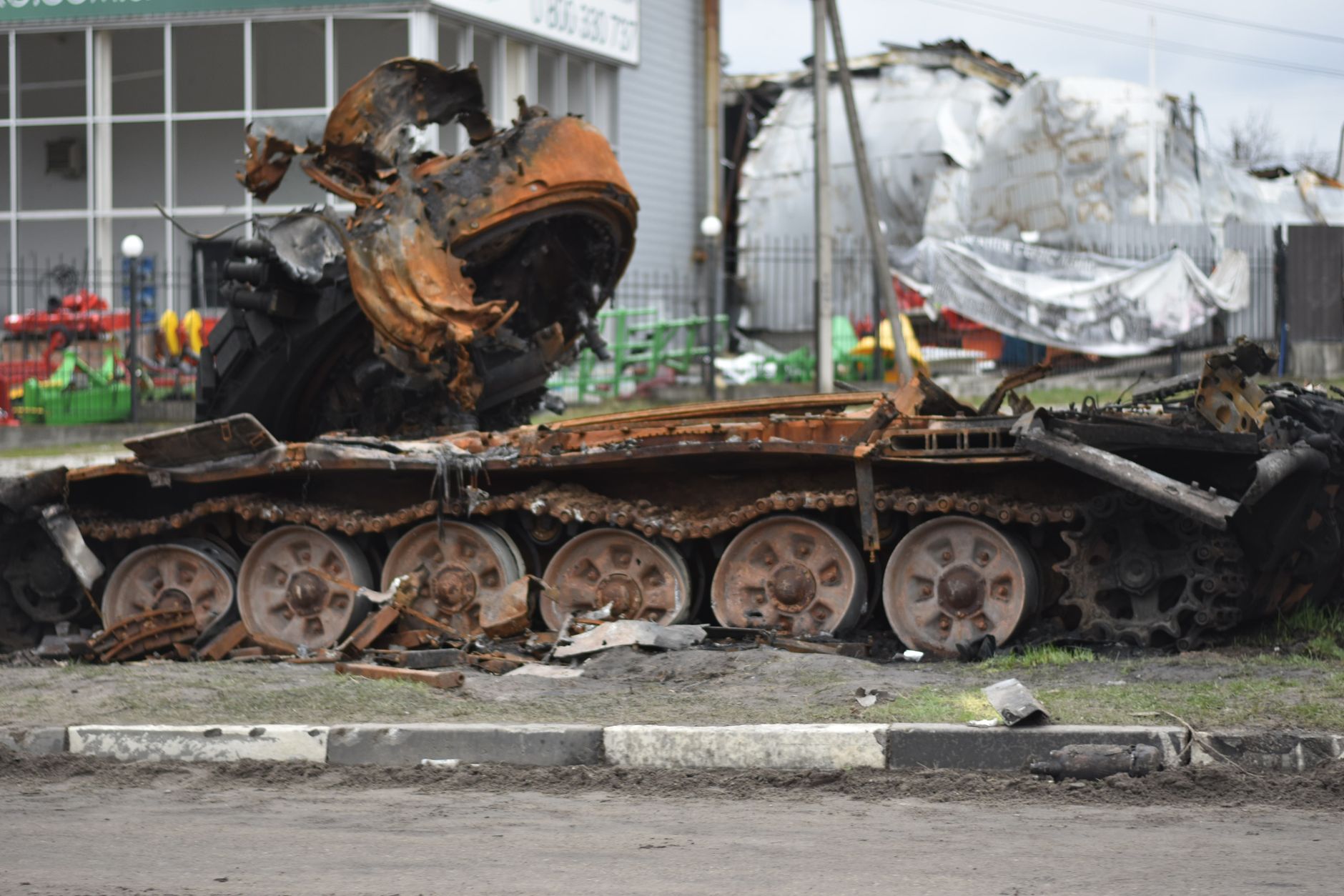
Military strategists are also weighing in on the potential operational challenges. General Mark Hertling (Ret.), a former commanding general for US Army Europe, suggests, "While the US military possesses overwhelming conventional superiority, a conflict with Iran would be incredibly complex. Iran has invested heavily in asymmetric warfare capabilities, including ballistic missiles, naval mines, and proxy forces, which could inflict significant damage and prolong any engagement. Furthermore, the urban combat scenarios and the potential for a protracted insurgency mean that a 'quick victory' is highly improbable, leading to a costly and drawn-out commitment." He highlights the difficulty of achieving clear objectives in such a multifaceted environment.
Key Questions Explained
The Outlook
The immediate outlook for the US-Iran standoff remains exceptionally precarious, teetering on the brink of a direct military confrontation. President Trump's explicit ultimatum, threatening renewed military action if a new nuclear deal is not swiftly negotiated, has significantly narrowed the diplomatic window. Iran, facing immense economic pressure and domestic discontent, is unlikely to capitulate easily, viewing any perceived weakness as an invitation for further demands. This creates a dangerous impasse where both sides are entrenched in their positions, making de-escalation incredibly challenging and increasing the probability of an accidental or intentional trigger for conflict.
Looking ahead, the international community faces a critical test of its diplomatic capabilities. European efforts to mediate and preserve the remnants of the JCPOA are increasingly fragile, undermined by US sanctions and Iran's escalating nuclear activities. The potential for regional proxy conflicts to ignite a wider conflagration remains high, particularly given the complex web of alliances and rivalries in the Middle East. A sustained period of heightened tension, even without direct military conflict, will continue to destabilize global energy markets and hinder economic recovery, casting a long shadow over international trade and security.
The long-term trajectory depends heavily on whether a viable path to de-escalation and negotiation can be forged. Without clear, direct communication channels and a willingness from both Washington and Tehran to make meaningful concessions, the cycle of escalation is likely to continue. The risk of a broader regional conflict, with devastating human and economic costs, is now higher than it has been in decades. The world watches anxiously, hoping that statesmanship and pragmatism will ultimately prevail over brinkmanship and the allure of military solutions, steering the region away from the precipice of war.








Comments
No comments yet. Be the first to comment!