

The Story in Brief
- NATO leaders are preparing for a critical summit, facing intense pressure to demonstrate unwavering unity and strategic coherence amidst escalating global instability and internal disagreements.
- A central challenge remains the ongoing debate over defense spending, with the United States consistently urging European members to meet their commitment of allocating at least 2% of their GDP to defense, a target many still fall short of.
- The specter of former President Trump's potential return to power looms large, as his past rhetoric questioning NATO's value and threatening to withdraw US support has created significant anxiety among alliance members.
- The alliance is actively working to strengthen its collective defense posture, particularly in Eastern Europe, in response to Russia's continued aggression and its destabilizing actions in the region.
- Discussions will undoubtedly focus on the persistent support for Ukraine, with leaders seeking to solidify long-term aid packages and strategic assistance to help Kyiv defend against Russian invasion and rebuild its infrastructure.
- Beyond immediate threats, the summit will address broader geopolitical shifts, including China's growing global influence, cyber warfare, and hybrid threats, all of which demand a coordinated and robust response from the alliance.
The Human Face
For citizens across NATO member states, the alliance represents more than just a military pact; it embodies a fundamental promise of collective security and shared values. In countries bordering Russia, like Poland or the Baltic states, the presence of NATO troops and the assurance of Article 5 are not abstract concepts but tangible safeguards against potential aggression. Families in these regions live with a heightened awareness of geopolitical tensions, and the stability provided by NATO’s deterrence is a daily reassurance, allowing them to pursue their lives with a greater sense of safety and predictability. The debates at the summit, therefore, directly impact their sense of security and future prospects.
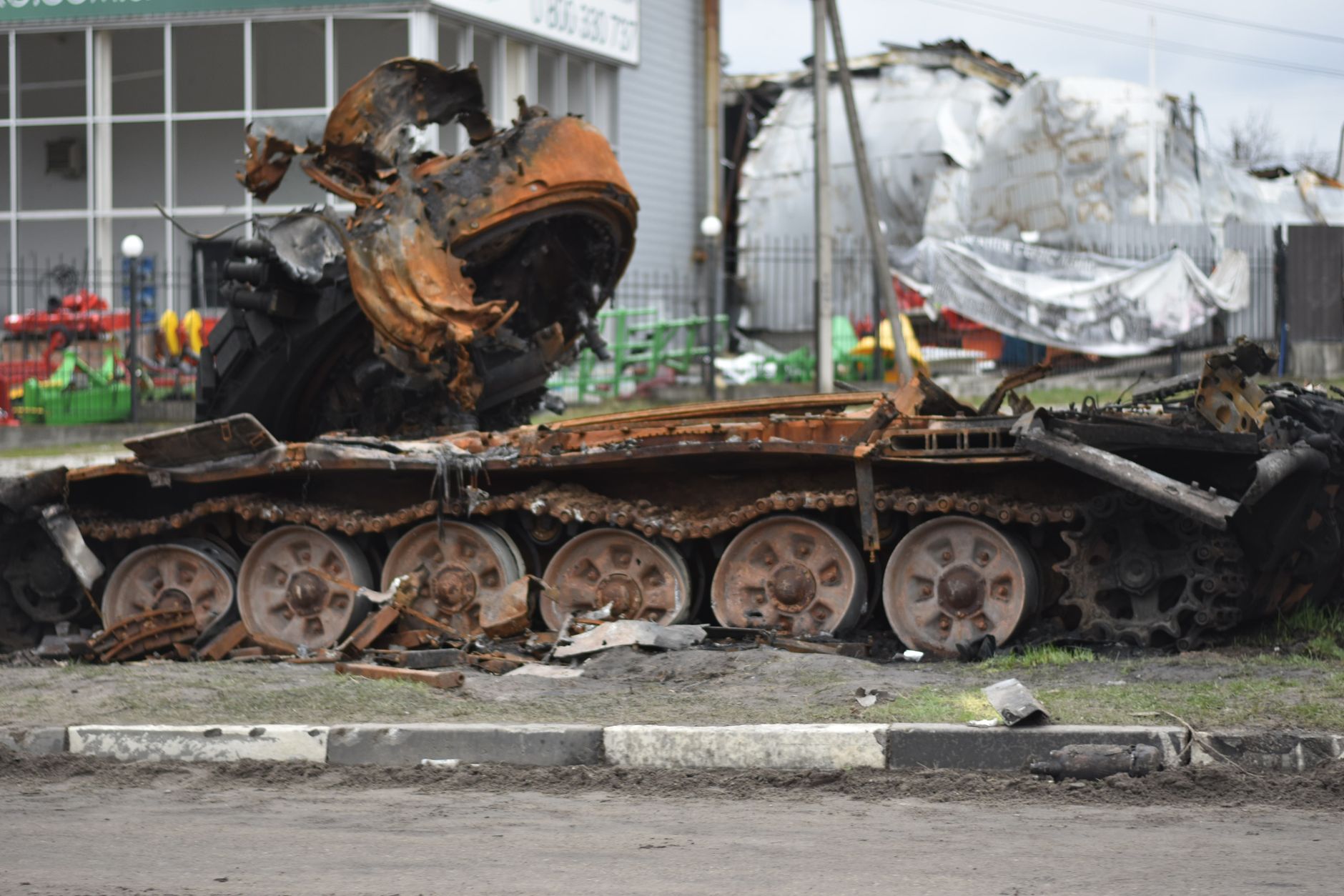
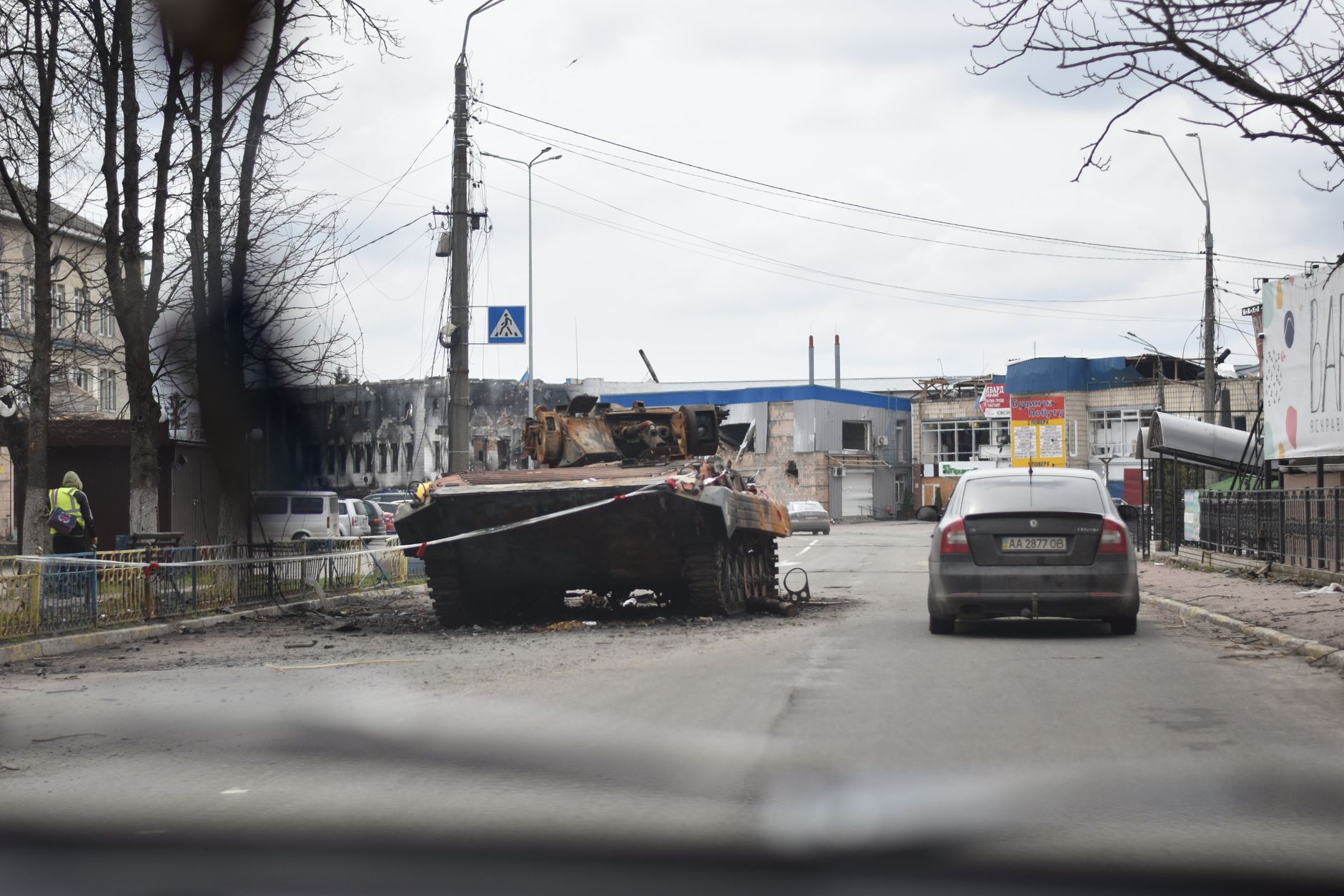
The human cost of conflict, as seen in Ukraine, profoundly shapes public perception and political will within NATO. Refugees fleeing the war, stories of civilian casualties, and the destruction of cities serve as stark reminders of the importance of a strong defense alliance. This human element fuels the urgency for leaders to maintain unity and resolve, as any perceived weakness or division could embolden adversaries and place more lives at risk. The commitment to collective defense is not just about military hardware; it's about protecting the lives and livelihoods of millions of people who rely on the alliance for peace.
Furthermore, the economic implications of defense spending and geopolitical instability directly affect ordinary citizens. Increased defense budgets, while necessary for security, can divert resources from other critical areas like healthcare or education. Conversely, a failure to invest adequately in defense could lead to far greater economic disruption and human suffering if conflicts erupt or escalate. The decisions made at the NATO summit, particularly regarding burden-sharing and strategic priorities, will ripple through national economies and impact the daily lives of taxpayers, influencing everything from job markets to social services. Understanding this intricate connection between high-level policy and everyday reality is crucial for appreciating the stakes involved.
How We Got Here
NATO, established in 1949, emerged from the ashes of World War II as a bulwark against Soviet expansionism, embodying the principle of collective defense: an attack on one member is an attack on all. For decades, this foundational principle, enshrined in Article 5 of the North Atlantic Treaty, successfully deterred direct confrontation between the Soviet bloc and the West. The alliance's initial focus was on conventional warfare, but its mission evolved significantly following the collapse of the Soviet Union, adapting to new threats such as terrorism, cyber warfare, and hybrid aggression. This historical context is vital for understanding the enduring relevance and adaptability of the alliance in a continuously changing global security landscape.
The post-Cold War era brought both expansion and new challenges. NATO welcomed former Warsaw Pact nations, extending its security umbrella eastward, a move that Russia consistently viewed with suspicion. This expansion, while strengthening the alliance, also introduced complexities in decision-making and resource allocation. The 9/11 attacks triggered Article 5 for the first and only time, leading to operations in Afghanistan and demonstrating NATO's capacity for out-of-area missions. However, the subsequent withdrawal from Afghanistan highlighted the difficulties of nation-building and the limits of military intervention, prompting a re-evaluation of strategic priorities and operational doctrines within the alliance.
More recently, Russia's annexation of Crimea in 2014 and its full-scale invasion of Ukraine in 2022 fundamentally reshaped NATO's strategic environment. These aggressive actions underscored the resurgence of state-on-state conflict in Europe and revitalized the alliance's focus on its core mission of territorial defense. Simultaneously, the rise of populist movements and leaders, particularly the presidency of Donald Trump, introduced unprecedented internal strains. Trump's repeated questioning of Article 5, his demands for increased European defense spending, and his transactional approach to alliances created deep anxieties and forced member states to confront the fragility of transatlantic unity. This confluence of external threats and internal divisions sets the stage for the current summit, where leaders must navigate a perilous path to reaffirm their collective purpose and demonstrate unwavering resolve.
Why This Cannot Be Ignored
The stability of the global security architecture hinges significantly on a strong and unified NATO. In an era marked by increasing geopolitical volatility, from Russia's aggressive expansionism to China's growing military assertiveness, a fractured NATO would send a dangerous signal to revisionist powers. Such a signal could embolden adversaries, leading to further destabilization of international norms and potentially sparking wider conflicts. The alliance's ability to project strength and resolve acts as a crucial deterrent, preventing conflicts and safeguarding the principles of sovereignty and territorial integrity that underpin global peace. Ignoring the need for unity now could have catastrophic consequences for international order.
Beyond immediate military deterrence, NATO's cohesion is vital for maintaining economic stability and democratic values across the transatlantic community. A breakdown in trust or a weakening of the alliance could disrupt trade routes, undermine investment confidence, and create an environment of uncertainty that stifles economic growth. Furthermore, NATO is a collective of democratic nations, and its strength reflects the resilience of democratic governance against authoritarian challenges. Any erosion of NATO's unity could be perceived as a victory for those who seek to undermine democratic institutions, potentially leading to a rollback of human rights and freedoms in various parts of the world. The stakes extend far beyond military strategy; they encompass the very fabric of our interconnected global society.
The upcoming summit is not merely a diplomatic gathering; it is a critical test of collective will and strategic foresight. The decisions made, or not made, will have profound and lasting implications for the future of international security. A failure to address internal divisions, particularly regarding defense spending and the reliability of mutual defense commitments, could irrevocably damage the alliance's credibility. This would leave member states more vulnerable, force individual nations to pursue fragmented security policies, and ultimately diminish the collective capacity to respond to complex, multifaceted threats like cyberattacks, climate-induced migration, and global pandemics. The world is watching, and the consequences of inaction or disunity are simply too severe to ignore.
Possible Paths Forward
One crucial path forward involves a renewed commitment to burden-sharing, with all member states consistently meeting or exceeding the 2% GDP defense spending target. This isn't merely about financial contributions; it's about demonstrating a tangible commitment to collective security and ensuring the alliance has the resources required to modernize its forces, enhance readiness, and invest in cutting-edge defense technologies. Achieving this would not only strengthen NATO's military capabilities but also alleviate pressure from the United States, fostering greater transatlantic trust and demonstrating a shared responsibility for defense. This proactive approach would send an unequivocal message to potential adversaries that the alliance is serious about its defense posture and capable of unified action.
Another vital avenue is the diversification and strengthening of NATO's strategic partnerships beyond its traditional geographic scope. Engaging more deeply with partners in the Indo-Pacific, such as Japan, South Korea, and Australia, could create a broader network of like-minded democracies capable of addressing global challenges, including China's growing influence and maritime security. This expanded network would not dilute NATO's core focus on Euro-Atlantic security but rather enhance its overall strategic relevance and capacity to respond to interconnected global threats. Such partnerships would also facilitate intelligence sharing, joint exercises, and coordinated responses to emerging security dilemmas, creating a more resilient international security framework.
Finally, NATO must proactively develop robust strategies to counter hybrid warfare, disinformation campaigns, and cyberattacks, which are increasingly becoming the tools of choice for state and non-state actors seeking to destabilize democracies. This requires not only advanced technological defenses but also enhanced intelligence cooperation, public awareness campaigns, and resilient societal infrastructures. Furthermore, the alliance should invest in diplomatic initiatives that foster de-escalation and dialogue where possible, while simultaneously maintaining a credible deterrence. By embracing a multi-faceted approach that combines military strength with diplomatic agility and resilience against non-military threats, NATO can navigate the complex geopolitical landscape and secure its future as the cornerstone of transatlantic security.
Questions People Are Actually Asking
What to Watch
- The final communiqué from the summit: Pay close attention to the language regarding defense spending commitments, the level of support for Ukraine, and any new strategic initiatives or partnerships announced. The specific wording will reveal the true extent of unity and resolve among member states.
- Statements from key leaders, particularly the US President and NATO Secretary-General: Their public remarks will offer insights into the alliance's internal dynamics and its strategic priorities moving forward. Any signs of discord or strong consensus will be critical indicators.
- New pledges for military aid to Ukraine: Observe whether new, substantial long-term commitments for military, financial, and humanitarian assistance are announced, indicating a sustained and robust effort to support Kyiv against Russian aggression.
- Progress on defense spending targets: Monitor reports on which countries are meeting or exceeding the 2% GDP defense spending target, as this will be a key measure of burden-sharing and commitment to the alliance's collective defense.
- Any joint declarations or initiatives regarding China: Look for signals that NATO is developing a more coordinated approach to addressing China's growing global influence, particularly in areas like cyber security, economic coercion, and military expansion.
- The tone and content of any discussions or agreements related to future NATO enlargement: While not immediately on the table, any hints about potential new members or deeper engagement with aspiring nations will indicate the alliance's long-term vision and strategic direction.













Comments
No comments yet. Be the first to comment!