


Key Takeaways
- The NATO annual summit in Turkey is a critical juncture for the alliance, aiming to solidify a united front against an array of complex and evolving global threats, from state-sponsored aggression to hybrid warfare tactics.
- Discussions will heavily focus on strengthening collective defense capabilities, particularly in light of ongoing conflicts and the persistent need to deter potential adversaries across multiple domains, including land, sea, air, and cyber.
- Addressing internal disagreements and fostering greater cohesion among member states is paramount, as divergent national interests often complicate the implementation of unified strategic responses and undermine the alliance's overall effectiveness.
- The summit will delve into critical regional security challenges, including the volatile situation in Eastern Europe, the ongoing humanitarian crises in the Middle East, and the strategic implications of an increasingly assertive China.
- Leaders are expected to reaffirm their commitment to burden-sharing, urging all members to meet or exceed the 2% GDP defense spending target to ensure the alliance possesses the necessary resources for its ambitious security agenda.
- Cybersecurity and emerging technologies will feature prominently, with an emphasis on developing robust defenses against sophisticated digital attacks and exploring the strategic integration of AI and quantum computing into military operations.
Background
The North Atlantic Treaty Organization (NATO) stands as the cornerstone of transatlantic security, an alliance forged in the aftermath of World War II to safeguard peace and stability in Europe. Established in 1949, its foundational principle, Article 5, dictates that an attack on one member is an attack on all, a collective defense clause that has deterred aggression for over seven decades. The alliance has continually adapted to shifting geopolitical landscapes, from the Cold War's ideological standoff to the post-9/11 era of global terrorism, expanding its membership and evolving its strategic concepts to remain relevant in an ever-changing world. This enduring commitment to mutual defense underscores its critical role in maintaining international order.
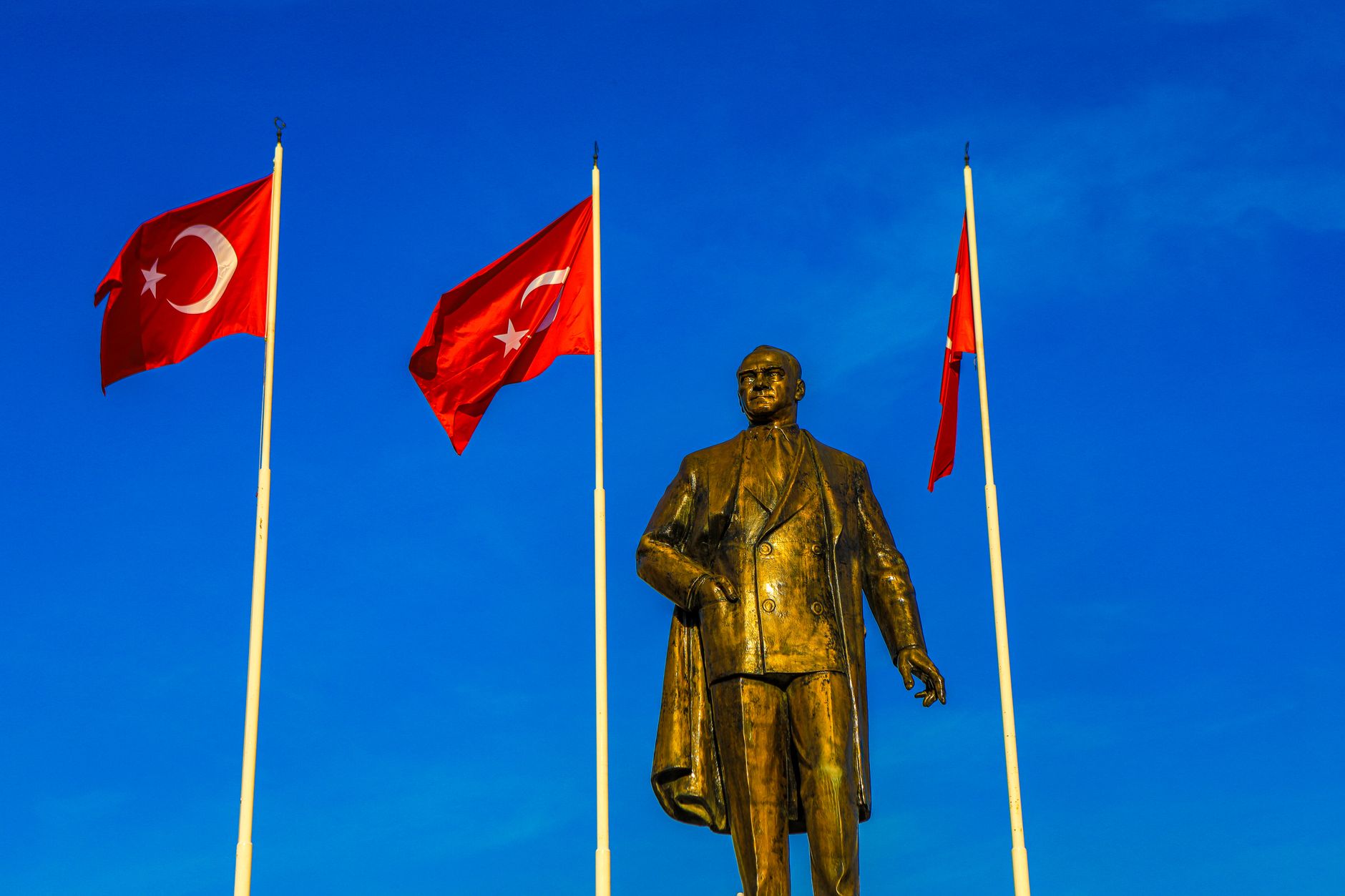
Turkey, a strategically vital member since 1952, hosts this year's annual summit, a location that itself highlights the complex geopolitical challenges facing the alliance. Situated at the crossroads of Europe and Asia, Turkey's unique position brings both strategic advantages and intricate diplomatic considerations. Its borders touch regions of significant instability, including the Middle East and the Black Sea, making its contributions to regional security operations and counter-terrorism efforts indispensable. However, Turkey's independent foreign policy stances on certain issues have, at times, generated friction within the alliance, necessitating careful diplomatic navigation during these high-stakes meetings.
The current global environment is characterized by heightened tensions and multifaceted threats, ranging from resurgent state-based competition to the proliferation of sophisticated cyberattacks and disinformation campaigns. Russia's continued aggression in Eastern Europe, China's growing military and economic influence, and the persistent threat of terrorism all demand a cohesive and robust response from NATO. This summit is not merely a routine gathering; it is a critical forum where leaders must confront these realities head-on, reaffirming their collective resolve and charting a clear course for the alliance's future resilience and strategic posture. The decisions made here will resonate far beyond the meeting halls, shaping the trajectory of global security.
Why It Matters
This NATO summit is not merely a diplomatic formality; it is a critical barometer of the alliance's health and its capacity to address an increasingly volatile global security landscape. The decisions made here will directly impact the stability of Europe, the transatlantic relationship, and the broader international order. As geopolitical fault lines deepen and new threats emerge, the ability of NATO members to speak with one voice and act decisively is paramount. A fragmented or indecisive alliance risks emboldening adversaries and undermining the collective security framework that has prevented large-scale conflict for decades, making the outcomes of this summit profoundly significant for global peace.
The summit's agenda will tackle issues that directly affect the daily lives of citizens across member states and beyond. From ensuring energy security in a turbulent world to bolstering defenses against cyber warfare that can cripple critical infrastructure, the alliance's strategic choices have tangible consequences. Furthermore, the discussions on defense spending and burden-sharing are crucial, as they determine the resources available to protect populations and project stability. A failure to adequately fund collective defense initiatives could leave nations vulnerable, emphasizing the urgent need for concrete commitments and unified action from all participating leaders.
Beyond immediate security concerns, the summit serves as a vital platform for reinforcing democratic values and international cooperation in an era marked by rising authoritarianism. NATO is more than a military alliance; it is a political one, founded on shared principles of democracy, individual liberty, and the rule of law. By demonstrating unity and resolve, the alliance sends a powerful message that these values remain non-negotiable and that collective action is the most effective means to defend them. The outcome of this summit will therefore not only shape military strategies but also influence the broader ideological contest playing out on the world stage.
Ground Reality
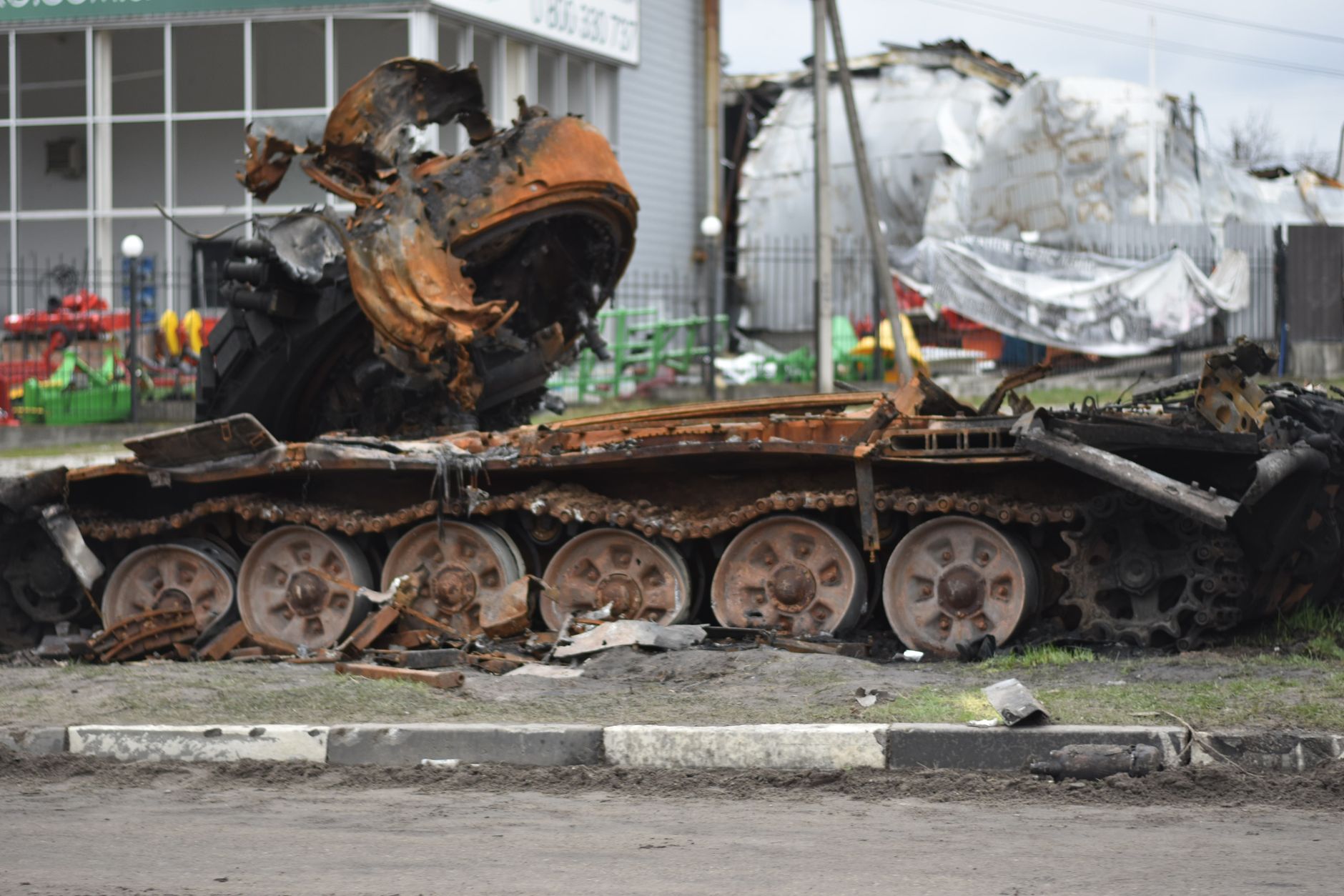
The current ground reality facing NATO is one of unprecedented complexity and escalating threats. In Eastern Europe, the ongoing conflict continues to destabilize the region, forcing frontline states to enhance their defensive postures and demanding a robust, unified response from the alliance. This conflict has not only highlighted the persistent threat from revisionist powers but also underscored the critical importance of conventional deterrence and rapid deployment capabilities. The alliance is under immense pressure to demonstrate its readiness and resolve, ensuring that any potential aggressor understands the severe consequences of encroaching on NATO territory or challenging its core principles.
Beyond traditional military challenges, the alliance confronts a pervasive landscape of hybrid warfare, where disinformation campaigns, cyberattacks, and economic coercion are increasingly used to undermine stability and sow discord. Adversaries exploit digital vulnerabilities to disrupt critical infrastructure, influence public opinion, and erode trust in democratic institutions. This necessitates a comprehensive and multi-domain approach to defense, integrating intelligence sharing, cyber resilience, and strategic communications to counter these insidious tactics effectively. The summit must address how NATO can better coordinate its efforts to protect its members from these non-kinetic but equally damaging forms of aggression.
Furthermore, internal dynamics within the alliance present their own set of challenges. Divergent national interests, varying levels of commitment to defense spending, and differing strategic priorities can strain cohesion and hinder effective decision-making. The need for consensus among 32 diverse nations, each with its own geopolitical concerns, is a constant balancing act. This summit in Turkey, a nation with its own distinct foreign policy considerations, will be a crucial test of NATO's ability to bridge these gaps, reaffirm its shared purpose, and present a united front against the myriad threats that define the contemporary security environment. Achieving genuine unity will be a significant diplomatic victory.
What Experts Are Saying
Security analysts widely agree that the Ankara summit is a pivotal moment for NATO to reassert its collective defense posture and adapt to a rapidly evolving threat landscape. Dr. Evelyn Farkas, a former Deputy Assistant Secretary of Defense for Russia, Ukraine, and Eurasia, emphasizes that "the alliance must move beyond rhetoric and deliver concrete plans for enhanced forward presence and rapid response capabilities, particularly along its eastern flank." She argues that anything less would signal weakness to potential adversaries, undermining the credibility of NATO's deterrence strategy. The focus, according to her, needs to be on tangible military readiness and interoperability across all domains, ensuring that the alliance can effectively project power and defend its territory against any form of aggression.
Concerns about internal cohesion and burden-sharing are also prominent among expert discussions. Dr. Jamie Shea, a former NATO spokesperson, points out that "while Article 5 remains the bedrock, the political will to enact it fully and equitably across all members is constantly being tested." He suggests that the summit needs to address the persistent disparities in defense spending and ensure that all members are contributing their fair share to the collective security effort. Shea also highlights the importance of strategic communication, stating that "NATO must clearly articulate its purpose and capabilities to both its own citizens and to potential adversaries, countering disinformation narratives that seek to divide the alliance." The unity of purpose is as crucial as military might.
Furthermore, experts are increasingly focusing on the need for NATO to expand its strategic thinking beyond traditional military threats to encompass emerging challenges like climate change, pandemics, and the weaponization of technology. Rose Gottemoeller, a former Deputy Secretary General of NATO, argues that "the alliance needs to develop a comprehensive strategy for resilience, integrating civil preparedness with military readiness." She advocates for greater investment in cyber defense, artificial intelligence, and quantum computing, noting that future conflicts will increasingly be fought in the digital realm. "Ignoring these technological frontiers would be a grave mistake," Gottemoeller warns, emphasizing that NATO's long-term relevance hinges on its ability to innovate and adapt to the threats of tomorrow.

Frequently Asked Questions
What Happens Next
Following the Ankara summit, the immediate focus will shift to the implementation of the decisions and commitments made by the leaders. This includes translating strategic directives into actionable military plans, resource allocations, and diplomatic initiatives. Member states will be expected to integrate new defense spending targets into their national budgets and accelerate efforts to modernize their armed forces, particularly in areas like cyber defense, air superiority, and rapid deployment capabilities. The effectiveness of the summit will ultimately be judged by the tangible progress made in strengthening the alliance's collective defense and deterrence posture in the months that follow.
Diplomatic efforts will intensify to address ongoing regional conflicts and manage complex relationships with both allies and adversaries. The alliance will continue to engage in dialogue with non-member partners, particularly those in Eastern Europe and the Western Balkans, to promote stability and security in their respective regions. Furthermore, NATO will closely monitor geopolitical developments, particularly concerning Russia's actions and China's growing global influence, adjusting its strategies as new challenges emerge. The post-summit period will be characterized by sustained diplomatic engagement and continuous assessment of the global security environment.
Looking further ahead, the alliance will likely begin preparations for its next summit, building on the momentum and decisions from Ankara. This involves continuous strategic reviews, adaptation of military doctrines, and fostering greater interoperability among member forces. The long-term trajectory of NATO will depend on its ability to maintain unity, adapt to unforeseen threats, and uphold its foundational principles in an increasingly multipolar world. The Ankara summit is a crucial step, but the journey of ensuring transatlantic security is an ongoing and dynamic process requiring constant vigilance and commitment from all members.











Comments
No comments yet. Be the first to comment!