
Key Takeaways
- The Democratic Republic of Congo's eastern regions are plagued by a brutal conflict, directly fueled by the illicit trade of valuable '3T' minerals: tin, tantalum, and tungsten, which are essential components in modern electronics.
- Despite stringent US sanctions and international efforts to curb the flow of these conflict minerals, armed groups continue to exploit mining operations, using the proceeds to finance their violent campaigns and perpetuate instability across the region.
- The M23 rebel group, among others, has significantly expanded its control over strategic mining areas, intensifying the humanitarian crisis and displacing millions of innocent civilians, highlighting the direct link between resource exploitation and human suffering.
- International supply chains remain deeply implicated, as these minerals often find their way into global markets through complex, opaque networks, making it incredibly challenging for consumers and corporations to ensure ethical sourcing.
- The failure of current regulatory frameworks and enforcement mechanisms to effectively disrupt the conflict mineral trade underscores a critical need for more robust, transparent, and internationally coordinated strategies to address this persistent issue.
- The humanitarian cost is immense, with widespread reports of atrocities, forced labor, and displacement, emphasizing that the demand for these minerals in consumer electronics has a direct and devastating impact on the lives of Congolese citizens.
Background
The Democratic Republic of Congo (DRC) is a nation of immense natural wealth, yet its eastern provinces have been a crucible of conflict for decades. This persistent instability is inextricably linked to the region's vast reserves of valuable minerals, often referred to as '3Ts': tin, tantalum, and tungsten. These minerals are indispensable for the global electronics industry, found in everything from smartphones and laptops to electric vehicles. The demand for these resources, ironically, has become a primary driver of violence, as numerous armed groups vie for control over lucrative mining sites.
The conflict escalated dramatically with the resurgence of the M23 rebel group, which has systematically seized control of key territories rich in these strategic minerals. This expansion has not only displaced millions of people but has also solidified the rebels' financial lifeline, allowing them to procure weapons and sustain their operations. The international community, particularly the United States, has attempted to intervene through sanctions, aiming to disrupt the financial networks of these groups and prevent the flow of conflict minerals into global supply chains. However, the effectiveness of these measures remains a contentious issue, as the violence continues unabated.
Understanding the historical context is crucial: the DRC has endured a complex legacy of colonial exploitation, political instability, and proxy wars, all of which have contributed to the current crisis. The porous borders with neighboring countries, particularly Rwanda and Uganda, further complicate efforts to stabilize the region, as external actors are frequently accused of supporting various armed factions. This intricate web of local grievances, regional geopolitics, and international demand for minerals creates a deeply entrenched conflict that defies simple solutions, perpetuating a cycle of violence and poverty for the Congolese people.
Why It Matters
The conflict in eastern DR Congo is not merely a regional issue; it is a profound global humanitarian crisis with far-reaching implications. The direct link between the minerals powering our everyday technology and the atrocities committed in the DRC creates an ethical imperative for consumers, corporations, and governments worldwide. Every purchase of an electronic device, from a smartphone to a laptop, carries the potential to inadvertently contribute to the suffering of millions if the supply chain for its components is not rigorously ethical and transparent. This connection demands immediate and sustained attention, as it highlights a critical flaw in global consumption patterns and corporate responsibility.
Beyond the immediate human cost, the instability fueled by conflict minerals threatens regional peace and security. The DRC's vast size and strategic location mean that internal conflicts often spill over into neighboring countries, creating refugee crises, destabilizing economies, and fostering an environment ripe for further exploitation. The failure to address the root causes of this conflict, particularly the illicit mineral trade, ensures a perpetual cycle of violence that undermines development efforts and hinders any prospect of long-term stability for the entire Great Lakes region of Africa. This ongoing turmoil represents a significant geopolitical challenge that cannot be ignored.
Furthermore, the situation in the DRC exposes the limitations of current international regulatory frameworks and corporate due diligence practices. Despite legislation like the Dodd-Frank Act in the US, which aimed to curb conflict mineral financing, armed groups continue to profit, demonstrating the need for more robust enforcement, greater transparency, and innovative solutions. The global community's inability to effectively sever the link between mineral extraction and armed conflict calls into question the efficacy of existing policies and underscores the urgent need for a more coordinated, multifaceted approach involving governments, industry, and civil society to protect vulnerable populations and promote sustainable, ethical trade practices.
Ground Reality
On the ground in eastern DR Congo, the reality is one of pervasive fear and relentless violence. Armed groups, including the M23, operate with impunity, controlling lucrative mining territories and extorting local populations. These groups impose illegal taxes, force civilians into labor, and perpetrate horrific human rights abuses, including rape, torture, and murder. The presence of these armed factions has created a climate of terror, forcing millions to abandon their homes and seek refuge in overcrowded, under-resourced displacement camps, where conditions are often dire and humanitarian aid is stretched thin. The daily struggle for survival is a stark reminder of the direct impact of the conflict mineral trade.
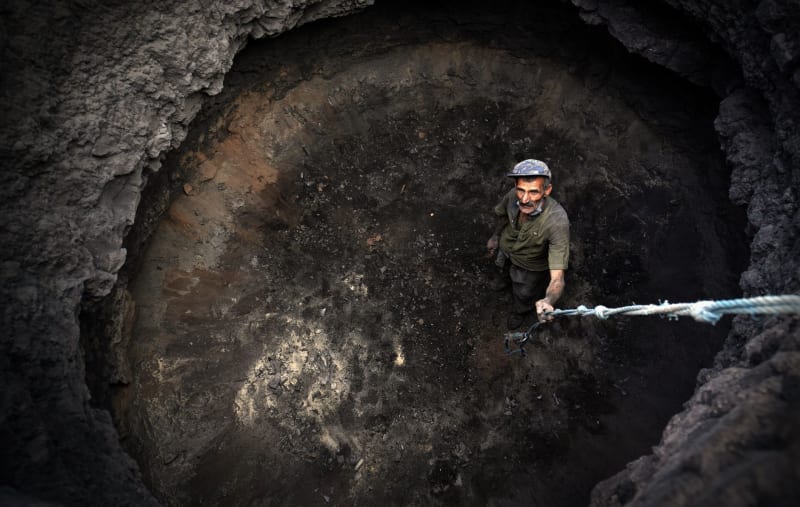
The mining sites themselves are often unregulated and dangerous, with miners, including children, working in perilous conditions for meager wages. The profits from these operations rarely benefit the local communities; instead, they flow directly into the coffers of armed groups, perpetuating the cycle of violence. Despite international efforts to establish 'conflict-free' mineral supply chains, the intricate and often clandestine nature of the trade makes it incredibly difficult to verify the origin of minerals. Smuggling routes are sophisticated, and minerals are frequently laundered through neighboring countries, making it nearly impossible to distinguish between ethically sourced and conflict-tainted materials once they enter the global market.
The humanitarian crisis is escalating rapidly, with the United Nations reporting millions displaced and facing severe food insecurity. Access to basic services like healthcare and education is severely limited in conflict-affected areas, further entrenching poverty and vulnerability. Local communities live under constant threat, caught between the warring factions and struggling to survive amidst the chaos. The international community's response, while present, is often overwhelmed by the scale of the crisis, highlighting the urgent need for more robust protection mechanisms, increased humanitarian assistance, and a concerted effort to address the underlying economic drivers of the conflict, particularly the illicit mineral trade.
What Experts Are Saying
Experts universally agree that the conflict in eastern DR Congo is fundamentally driven by the control and exploitation of its vast mineral wealth. Dr. Laura Smith, a leading researcher on conflict resources, emphasizes that "the 3Ts – tin, tantalum, and tungsten – are not just commodities; they are the currency of war in the DRC. As long as armed groups can profit from their extraction, the violence will persist, regardless of other interventions." She argues that current sanctions, while well-intentioned, often fail to address the systemic corruption and the complex, informal networks through which these minerals are smuggled out of the country, undermining their intended impact.
Many analysts, including Professor Jean-Pierre Lacroix from the University of Kinshasa, point to the critical role of regional actors in perpetuating the conflict. "The involvement of neighboring countries, whether through direct support to rebel groups or by facilitating the illicit trade, is a significant impediment to peace," Lacroix states. He suggests that a truly effective strategy must involve robust diplomatic pressure and economic disincentives for any state or entity found to be complicit in the conflict mineral trade, alongside strengthening regional cooperation mechanisms to monitor and control cross-border movements of both minerals and armed groups.
Furthermore, human rights organizations and development economists highlight the urgent need for greater corporate accountability. Sarah Jones, a senior advocate at Global Witness, notes that "companies at the end of the supply chain have a moral and legal obligation to ensure their products are not tainted by conflict." She advocates for more stringent due diligence requirements, independent auditing of supply chains, and greater transparency from multinational corporations regarding their mineral sourcing. Without this concerted effort from the private sector, coupled with stronger government oversight, the demand for these minerals will continue to inadvertently fuel the conflict and the devastating humanitarian crisis in the DRC.

Frequently Asked Questions
What Happens Next
The immediate future for eastern DR Congo remains precarious, with the M23 rebel group continuing its offensive and the humanitarian crisis deepening. International efforts will likely focus on increasing diplomatic pressure on regional actors suspected of supporting armed groups, alongside calls for a more robust and effective UN peacekeeping presence. However, without a fundamental shift in how conflict minerals are managed and regulated globally, the underlying drivers of the conflict will persist. The coming months will be critical in determining whether existing sanctions can be strengthened and enforced more effectively to truly disrupt the illicit financial flows.
Looking ahead, there is an urgent need for a multi-pronged approach that combines security interventions with sustainable economic development. This includes investing in alternative livelihoods for communities dependent on mining, strengthening governance and rule of law in mining areas, and enhancing traceability systems for minerals from mine to market. The effectiveness of these measures will depend on unprecedented levels of international cooperation, involving governments, industry, and civil society, to create a truly conflict-free supply chain that benefits the Congolese people rather than exploiting them.
Ultimately, the long-term resolution of the conflict hinges on addressing the root causes: poverty, corruption, and the insatiable global demand for cheap minerals. This requires a sustained commitment from the international community to support peace-building initiatives, promote human rights, and hold both armed groups and complicit corporations accountable. The path forward is challenging, but the immense human cost of inaction demands a renewed and concerted effort to break the cycle of violence and exploitation in the DR Congo, ensuring that its vast mineral wealth becomes a source of prosperity, not conflict.












Comments
No comments yet. Be the first to comment!