

The Story in Brief
- The Bank of Canada's latest Business Outlook Survey reveals a significant downturn in business sentiment, directly attributed to escalating geopolitical tensions, particularly the specter of conflict with Iran.
- Concerns over potential military action in the Middle East have directly contributed to an upward revision in price expectations among Canadian businesses, signaling potential inflationary pressures.
- The survey indicates a noticeable dip in business confidence, as firms grapple with increased uncertainty regarding global trade routes, energy prices, and supply chain stability.
- A substantial number of businesses are now factoring geopolitical risks into their operational planning and investment decisions, leading to a more cautious economic outlook across various sectors.
- The Bank of Canada is closely monitoring these developments, recognizing that external shocks can have profound and rapid impacts on domestic economic stability and monetary policy effectiveness.
- This shift in sentiment underscores the interconnectedness of global events and Canada's economy, highlighting how international conflicts can quickly translate into domestic economic challenges.
The Human Face
For many small business owners across Canada, the abstract concept of 'geopolitical tensions' translates into very real, tangible anxieties. Maria, who runs a small import business in Toronto, has seen her shipping costs fluctuate wildly in recent months. 'Every news report about the Middle East sends shivers down my spine,' she explains. 'It means higher fuel prices, delays at ports, and ultimately, higher costs for my customers. It’s not just about profit margins anymore; it’s about keeping the lights on and ensuring my employees have stable jobs.' This sentiment is echoed by countless entrepreneurs who find their carefully laid business plans disrupted by events unfolding thousands of miles away.
Consumers are also feeling the pinch. The Bank of Canada's report on price expectations isn't just a statistic; it reflects the growing worry among Canadian families about the rising cost of living. John, a father of two in Vancouver, notes, 'We're already struggling with grocery bills and gas prices. When you hear about potential wars, you just know things are going to get more expensive. It makes you think twice about every purchase, every vacation, every major investment for your home.' This pervasive sense of economic insecurity can lead to a significant slowdown in consumer spending, creating a ripple effect throughout the economy.
The psychological impact of global instability on both businesses and households cannot be overstated. When the future feels uncertain, investment decisions are postponed, hiring plans are scaled back, and discretionary spending is curtailed. This cautious behavior, while rational for individuals, collectively contributes to a broader economic slowdown. The Bank of Canada's findings underscore that these aren't just economic models; they represent the collective anxieties and strategic adjustments of millions of Canadians trying to navigate an increasingly volatile world, where international conflicts have direct, personal consequences.
How We Got Here
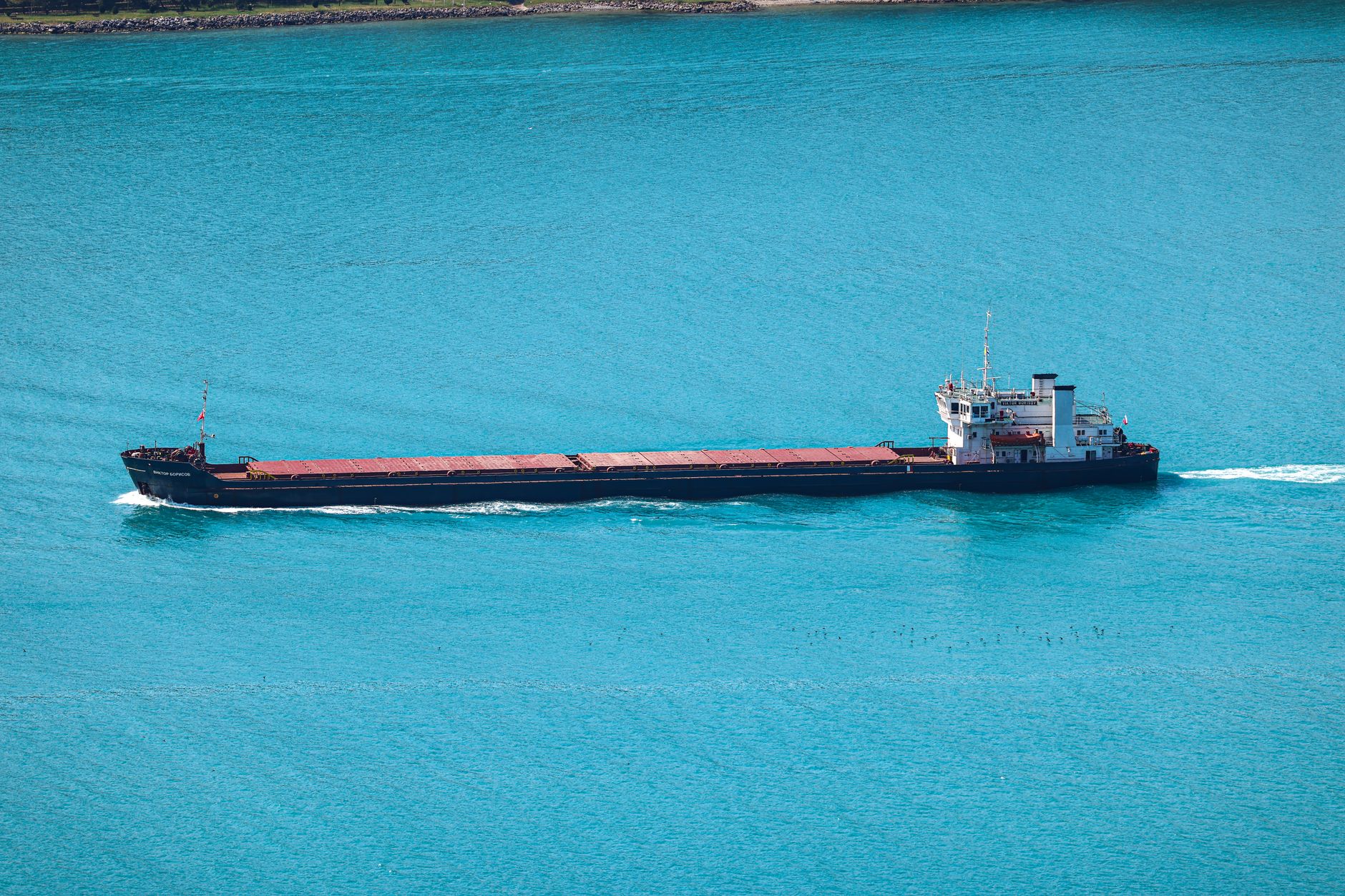
The current climate of heightened geopolitical tension, specifically concerning Iran, did not emerge overnight. It is the culmination of decades of complex diplomatic relations, regional power struggles, and, more recently, a series of escalating incidents in the Middle East. The initial seeds of concern for Canadian businesses were sown with the resurgence of tensions in the Persian Gulf, particularly surrounding maritime security and the stability of global oil supplies. These events, often reported with dramatic headlines, began to filter into the collective consciousness of the business community, prompting a re-evaluation of risk.
The Bank of Canada's Business Outlook Survey acts as a crucial barometer, gauging the sentiment of Canadian firms. In its latest iteration, the survey explicitly captured a marked shift, with a significant number of respondents citing 'geopolitical developments' as a primary source of uncertainty. This directly reflects a period where the threat of military confrontation involving Iran became more pronounced, leading to fears of disruptions in critical shipping lanes and potential spikes in energy prices. Businesses, inherently risk-averse, began to incorporate these external factors into their forecasts, leading to a more conservative outlook on investment and growth.
Furthermore, the interconnectedness of the global economy means that even conflicts far removed from Canada's borders can have immediate and profound effects. Canada, as a trading nation, relies heavily on stable international markets and predictable supply chains. The mere *threat* of a war with Iran, and its potential to disrupt oil production and shipping, was enough to trigger a defensive posture among businesses. This preemptive adjustment, driven by a desire to mitigate future losses, manifested as reduced confidence and increased price expectations, as firms anticipated higher input costs and logistical challenges. The Bank of Canada's report merely quantifies this widespread, cautious reaction to a volatile international landscape.
Why This Cannot Be Ignored
The Bank of Canada's findings are not merely academic observations; they represent a critical warning sign for the Canadian economy. When business confidence falters due to external geopolitical threats, it directly impacts investment decisions, hiring intentions, and overall economic expansion. A sustained period of low confidence can lead to a self-fulfilling prophecy, where businesses postpone growth plans, reduce capital expenditures, and become more hesitant to innovate. This retrenchment can stifle job creation and slow down productivity gains, ultimately weakening Canada's long-term economic resilience and competitiveness on the global stage. Ignoring these signals would be akin to overlooking early symptoms of a systemic economic malaise.
Moreover, the upward revision of price expectations by businesses signals a looming inflationary challenge that could further erode the purchasing power of Canadian households. If businesses anticipate higher costs due to geopolitical disruptions, they are likely to pass these costs onto consumers, leading to broader price increases across various goods and services. This inflationary pressure, if unchecked, could force the Bank of Canada into difficult monetary policy decisions, potentially requiring higher interest rates to cool the economy. Such measures, while necessary to control inflation, can also dampen economic activity and increase the cost of borrowing for both businesses and consumers, creating a challenging economic environment.
The interconnectedness of global events and domestic economic stability means that Canada cannot afford to view international conflicts as distant concerns. The threat of a war with Iran, even if hypothetical, has already demonstrated its capacity to directly influence Canadian economic indicators. This underscores the need for robust risk management strategies at both the corporate and governmental levels, including diversifying supply chains, strengthening energy security, and actively engaging in diplomatic efforts to de-escalate global tensions. The economic fallout from geopolitical instability is a tangible and immediate threat that demands proactive and comprehensive responses to safeguard Canada's economic future.
Possible Paths Forward
Addressing the economic fallout from geopolitical tensions requires a multi-faceted approach, beginning with enhanced diplomatic engagement. Canada, alongside its international partners, must actively pursue de-escalation strategies in volatile regions like the Middle East. Diplomatic efforts aimed at reducing the likelihood of conflict, fostering stability, and ensuring the free flow of trade are paramount. This involves leveraging multilateral forums, supporting peaceful resolutions, and potentially engaging in targeted sanctions or incentives to encourage responsible state behavior. A stable global environment is the bedrock upon which a confident domestic economy can thrive, and proactive diplomacy is the first line of defense against external shocks.
Domestically, the Canadian government and the Bank of Canada can implement policies designed to bolster economic resilience against external shocks. This includes exploring measures to diversify Canada's energy supply and reduce its vulnerability to global oil price fluctuations, perhaps through increased investment in renewable energy sources and domestic production capabilities. Furthermore, supporting businesses in diversifying their supply chains, reducing reliance on single regions or suppliers, and investing in advanced logistics can mitigate the impact of international disruptions. The Bank of Canada, while maintaining its inflation mandate, must also consider the unique pressures geopolitical events place on price expectations and business sentiment when formulating monetary policy.
Finally, fostering transparency and clear communication from both government and financial institutions is crucial to managing public and business expectations. Providing timely and accurate assessments of geopolitical risks and their potential economic impacts can help businesses make more informed decisions and prevent panic-driven reactions. Educational initiatives for businesses on risk mitigation strategies, access to trade finance, and export diversification programs can also empower them to navigate an uncertain global landscape more effectively. By combining proactive diplomacy, strategic domestic policy, and transparent communication, Canada can build a more resilient economy capable of weathering future geopolitical storms.

Questions People Are Actually Asking
What to Watch
- Closely monitor the geopolitical situation in the Middle East, particularly any developments concerning Iran, as these events will continue to be a primary driver of global oil prices and supply chain stability.
- Keep an eye on the Bank of Canada's subsequent Business Outlook Surveys and Consumer Expectations Surveys for further indications of shifts in confidence and inflation expectations among Canadians.
- Track global oil benchmarks like Brent Crude and WTI, as sustained increases will likely translate into higher domestic energy costs and contribute to inflationary pressures across the Canadian economy.
- Observe government policy responses, both domestically and internationally, regarding trade routes, energy security, and diplomatic efforts to de-escalate tensions, as these can mitigate economic risks.
- Pay attention to corporate earnings reports and investment announcements from major Canadian businesses, which will offer real-time insights into how firms are adjusting their strategies in response to the current economic climate.
- Watch for any significant changes in global shipping costs and insurance premiums, as these are direct indicators of perceived risk in international trade and can quickly impact the cost of imported goods for Canadian consumers.














Comments
No comments yet. Be the first to comment!