

Key Takeaways
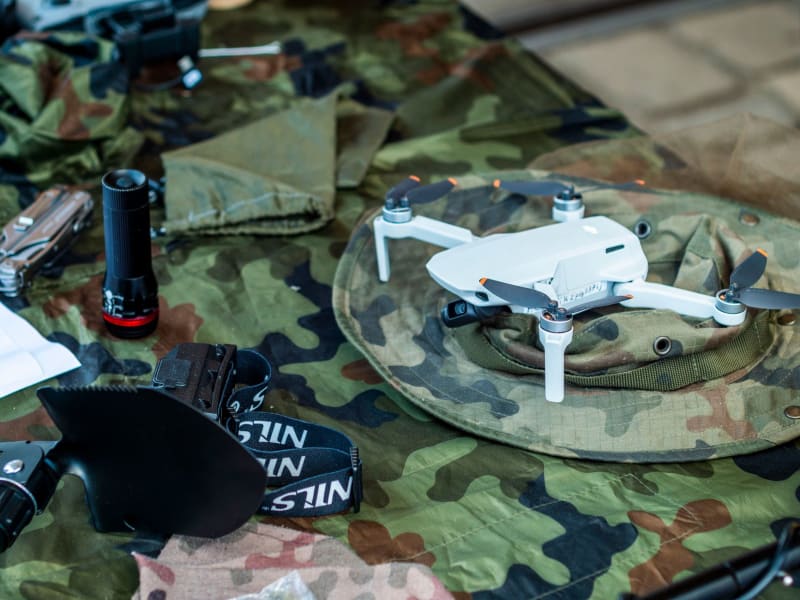
- Ukraine's strategic deployment of midrange drones has fundamentally altered battlefield dynamics, enabling precision strikes and reconnaissance deep behind enemy lines, a capability previously limited to more expensive, manned aircraft.
- These drones are proving to be highly cost-effective alternatives to traditional artillery and manned aircraft, allowing Ukraine to inflict significant damage on Russian forces while conserving its more limited resources and minimizing risk to human life.
- The conflict highlights a critical shift in military doctrine, demonstrating that smaller, agile, and networked drone fleets can overwhelm sophisticated air defense systems through sheer numbers and coordinated attacks.
- Innovation in drone technology, particularly in electronic warfare countermeasures and autonomous navigation, is accelerating rapidly, driven by the urgent demands of the Ukrainian front, pushing the boundaries of what these systems can achieve.
- The widespread adoption of midrange drones presents significant challenges for conventional military forces, necessitating a reevaluation of existing air defense strategies and a greater emphasis on counter-drone technologies and tactics.
- This evolving drone warfare paradigm has profound implications for future conflicts, suggesting a future where aerial superiority may be determined less by fighter jets and more by swarms of intelligent, expendable unmanned systems.
Background
The ongoing conflict in Ukraine has become an unprecedented crucible for military innovation, particularly in the realm of unmanned aerial vehicles (UAVs). While initial attention often focused on larger, more sophisticated drones or the ubiquitous FPV (first-person view) kamikaze drones, a quieter yet profoundly impactful revolution has been unfolding with the widespread deployment of midrange drones. These systems, distinct from their smaller counterparts due to their extended range, payload capacity, and more advanced sensor suites, have emerged as a critical force multiplier for Ukrainian defenders, enabling them to execute complex operations with remarkable effectiveness against a larger, better-equipped adversary. This technological evolution represents a significant departure from traditional warfare paradigms, where such capabilities were primarily the domain of highly specialized and expensive manned aircraft.
Before the full-scale invasion, Ukraine's drone capabilities were relatively nascent, relying heavily on commercial off-the-shelf solutions and a burgeoning but small domestic industry. However, the exigencies of war spurred an extraordinary acceleration in development and deployment. The initial phases of the conflict saw Ukraine leveraging smaller reconnaissance drones to great effect, but the need to strike deeper, more persistently, and with greater precision quickly became apparent. This necessity fueled a rapid expansion in the production and adaptation of midrange drones, often developed through a collaborative ecosystem involving government initiatives, private companies, and volunteer groups. This agile approach allowed for quick iteration and deployment of systems tailored to specific battlefield requirements, bypassing the often-cumbersome procurement processes of larger militaries.
The strategic importance of these midrange drones cannot be overstated. They bridge the gap between short-range tactical UAVs and long-range strategic assets, offering a versatile platform for a multitude of missions. From precision targeting of Russian artillery and armored vehicles to critical intelligence, surveillance, and reconnaissance (ISR) operations, these drones provide Ukrainian forces with an unparalleled situational awareness and strike capability. Their ability to operate beyond the immediate frontline, often deep within enemy-controlled territory, has allowed Ukraine to disrupt Russian logistics, command and control, and troop movements in ways that would be far riskier and more resource-intensive with conventional assets. This paradigm shift underscores a fundamental re-evaluation of air power and its accessibility in modern conflicts.
Why It Matters
The ascendancy of midrange drones in Ukraine is not merely a tactical footnote; it represents a seismic shift in military strategy and doctrine that will resonate across global defense establishments for decades. These relatively inexpensive, expendable assets are fundamentally altering the cost-benefit analysis of air power, challenging the long-held assumption that aerial superiority is solely the domain of multi-million dollar fighter jets and complex air defense systems. By providing persistent surveillance and precision strike capabilities at a fraction of the cost and risk, midrange drones are democratizing air power, making it accessible to nations and non-state actors who previously could only dream of such reach. This has profound implications for future conflicts, potentially leveling the playing field between technologically disparate forces and forcing a complete rethinking of defense budgets and procurement priorities worldwide.
Beyond the immediate tactical advantages, the proliferation and effectiveness of these drones highlight a critical vulnerability in modern conventional militaries. Sophisticated air defense systems, designed to counter manned aircraft and high-end missiles, are often struggling to cope with swarms of smaller, slower, and lower-flying drones that present a different kind of threat signature. This forces adversaries to expend expensive interceptors on cheap targets, creating an unsustainable economic asymmetry. Furthermore, the rapid pace of innovation driven by the Ukrainian conflict means that drone capabilities are evolving at an unprecedented rate, often outpacing the development of effective countermeasures. This technological arms race demands immediate attention and investment from all major powers to avoid being outmaneuvered by these agile and adaptable systems.
The impact extends beyond the battlefield to the very nature of intelligence gathering and information warfare. Midrange drones provide real-time, high-resolution intelligence from contested areas, offering an unfiltered view of ground realities that can be crucial for strategic decision-making and public messaging. Their ability to operate covertly for extended periods allows for the collection of vast amounts of data, which, when combined with advanced analytics, can provide an unparalleled understanding of enemy movements, logistics, and vulnerabilities. This continuous stream of actionable intelligence significantly enhances the effectiveness of ground operations and allows for more dynamic and responsive tactical adjustments, fundamentally changing how military campaigns are planned and executed in the digital age.
Ground Reality
On the ground in Ukraine, the impact of midrange drones is palpable and pervasive, reshaping every aspect of combat. These drones are not just supplementary tools; they are integral to daily operations, from identifying targets for artillery to guiding infantry movements and assessing battle damage. Ukrainian forces have become adept at integrating drone intelligence directly into their command and control systems, enabling rapid decision-making and precision strikes that minimize collateral damage and maximize effectiveness. This seamless integration means that a drone spotting a Russian armored column can, within minutes, relay coordinates to an artillery unit, which then engages the target with pinpoint accuracy, often before the enemy is even aware they have been detected. This level of responsiveness was unimaginable just a few years ago.
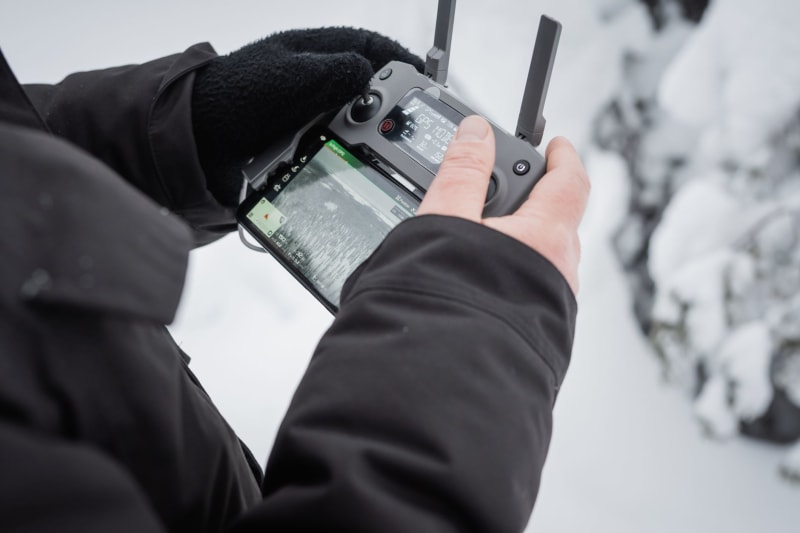
The operational reality also involves a constant cat-and-mouse game of electronic warfare. Both sides are continuously developing and deploying sophisticated jamming and anti-jamming technologies to either disrupt enemy drone operations or protect their own. Ukrainian drone operators frequently face intense electronic countermeasures, requiring them to adapt their flight paths, communication frequencies, and even their drone hardware on the fly. This dynamic environment has fostered an incredible pace of innovation, with new software updates and hardware modifications being implemented weekly, sometimes daily, to counter the latest Russian electronic warfare tactics. The ability to rapidly iterate and deploy these counter-countermeasures is a significant factor in Ukraine's continued success with its drone fleet.
Furthermore, the psychological impact on soldiers is profound. The constant presence of enemy drones, whether for reconnaissance or attack, creates an omnipresent threat that can wear down morale and force troops to adopt new defensive postures and tactics. Conversely, the sight of friendly drones providing cover or striking enemy positions can be a significant morale booster. Ukrainian drone operators, often young volunteers with backgrounds in IT or engineering, have become vital assets, their skills in piloting and data analysis directly contributing to the survival and success of frontline units. This human element, combined with the technological prowess, defines the current ground reality where the sky is no longer just for manned aircraft but a contested space dominated by these silent, deadly machines.
What Experts Are Saying
Military strategists and defense analysts globally are meticulously studying the Ukrainian conflict, with particular emphasis on the transformative role of midrange drones. Dr. Mykola Bielieskov, a research fellow at the National Institute for Strategic Studies in Kyiv, emphasizes that "Ukraine has demonstrated that a technologically agile defender can effectively counter a numerically superior aggressor by leveraging asymmetric advantages provided by advanced drone capabilities. It’s not just about the drones themselves, but the entire ecosystem of rapid development, deployment, and tactical integration." This perspective highlights that the true innovation lies not just in the hardware, but in the organizational flexibility and strategic thinking that allows for their effective use.
General Philip Breedlove, former NATO Supreme Allied Commander Europe, has frequently pointed out that "the sheer volume and persistent presence of these drones are overwhelming traditional air defense systems. We are witnessing a shift from air superiority being about expensive fighter jets to being about swarms of interconnected, relatively inexpensive UAVs that can saturate and bypass even sophisticated defenses." His analysis underscores the economic dilemma faced by conventional militaries: how to justify shooting down a $10,000 drone with a $2 million missile. This unsustainable exchange rate is forcing a reevaluation of defense spending and technological priorities across the Western world.
Meanwhile, drone warfare expert Samuel Bendett from CNA and the Center for a New American Security (CNAS) notes that "the innovation cycle in Ukraine is incredibly compressed. What would take years in peacetime development is happening in months. Both sides are learning and adapting at an unprecedented pace, creating a dynamic laboratory for future warfare. The lessons learned here will dictate the future of military robotics, AI integration, and electronic warfare for the next generation." This sentiment is echoed by numerous other experts who believe that the conflict is not just a testbed for existing technologies but a catalyst for entirely new paradigms in autonomous systems and their application in combat. The rapid evolution of these systems demands constant vigilance and adaptation from all military forces.
Frequently Asked Questions
What Happens Next
The trajectory of midrange drone development and deployment in Ukraine suggests a future where these systems will become even more sophisticated, autonomous, and integrated into military operations. We can anticipate a continued focus on enhancing their electronic warfare capabilities, making them more resilient to jamming and harder to detect. The integration of advanced artificial intelligence for target recognition, autonomous navigation, and swarm coordination will likely accelerate, pushing the boundaries of what these unmanned systems can achieve without direct human intervention. This evolution will not only increase their effectiveness but also reduce the cognitive load on human operators, allowing for more complex and simultaneous operations. The rapid pace of innovation witnessed during the conflict will undoubtedly continue, driven by the urgent demands of the battlefield.
Globally, military powers will undoubtedly intensify their investment in both offensive drone capabilities and counter-drone technologies. The lessons from Ukraine are being absorbed by defense ministries worldwide, leading to a re-evaluation of existing procurement strategies and a greater emphasis on developing robust defenses against drone swarms and individual high-end UAVs. This will likely spur a new arms race in the drone and anti-drone sectors, with significant implications for defense industries and national security budgets. We can expect to see new doctrines emerge that account for the pervasive presence of drones across all domains of warfare, from air and land to sea and cyberspace, fundamentally altering how future conflicts are conceived and executed.
Beyond military applications, the rapid advancements in drone technology spurred by the conflict will inevitably spill over into civilian sectors. Innovations in battery life, sensor miniaturization, autonomous navigation, and secure communication developed for military drones will find applications in areas such as logistics, infrastructure inspection, agriculture, and disaster response. This dual-use nature of drone technology means that the impact of Ukraine's drone revolution will extend far beyond the battlefield, shaping technological progress and societal capabilities for years to come. However, this also necessitates careful consideration of regulatory frameworks and ethical guidelines to manage the widespread proliferation and use of increasingly powerful drone systems.

















Comments
No comments yet. Be the first to comment!