

The Numbers
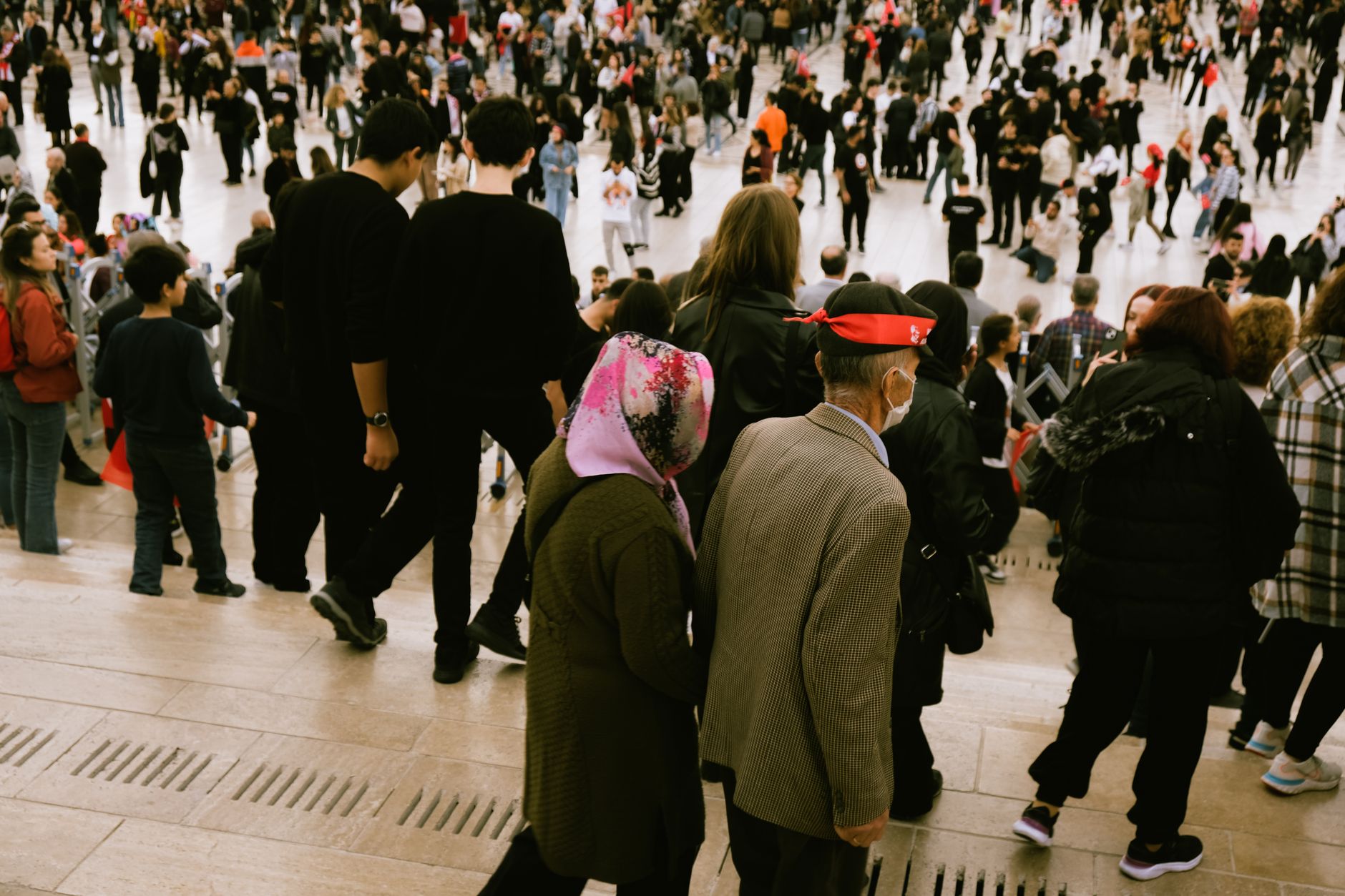
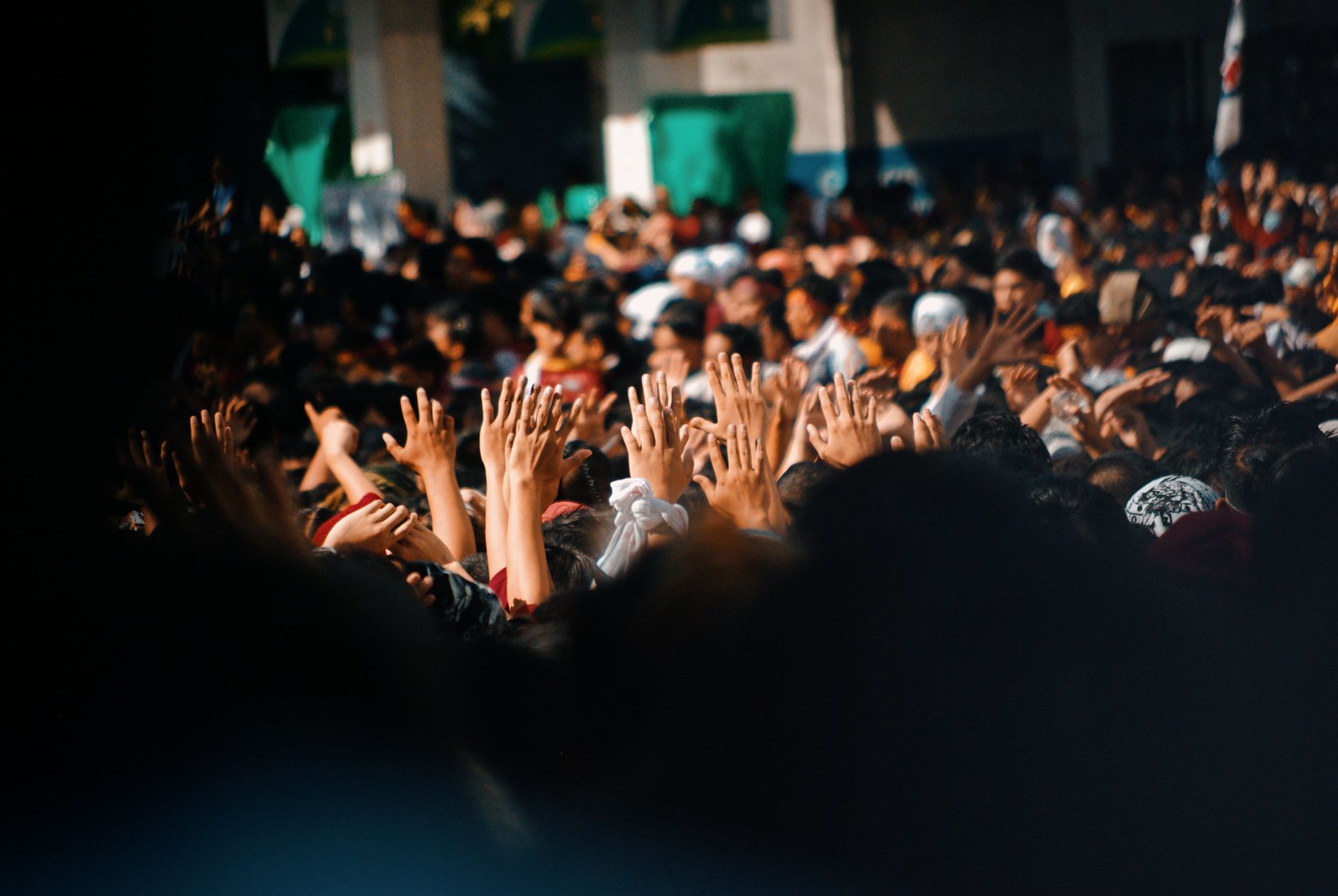
- An estimated 2.5 million mourners converged on Tehran, a monumental turnout that underscores the deep reverence and national sentiment surrounding the Supreme Leader's passing, making it one of the largest public gatherings in recent Iranian history.
- The funeral procession spanned over 10 kilometers through the heart of Tehran, a logistical marvel that required extensive coordination and security measures to manage the unprecedented crowds and ensure public safety.
- Over 50 international delegations, including high-ranking officials from regional allies and adversaries alike, attended the ceremonies, signaling the global diplomatic significance and regional implications of this transition.
- Security forces deployed over 100,000 personnel across Tehran and major cities nationwide, a testament to the heightened security posture and the importance placed on maintaining order during this sensitive period of national mourning.
- State media reported over 90% national television viewership for the live broadcast of the funeral, highlighting the profound impact and unifying nature of the event across diverse segments of Iranian society.
- The economic impact of the national mourning period, including widespread closures and disruptions, is estimated to be in the hundreds of millions of dollars, reflecting the comprehensive nature of the state-mandated observances.
Context Check
The passing of Ayatollah Ali Khamenei marks a profound inflection point for Iran, reverberating far beyond its borders. His leadership, spanning over three decades, has been instrumental in shaping the Islamic Republic's domestic policies, regional foreign relations, and its contentious nuclear program. This transition is not merely about replacing a figurehead; it represents a critical juncture for the ideological direction and geopolitical posture of a nation that sits at the crossroads of immense global strategic importance. The immediate aftermath of his death has already demonstrated the state's capacity to mobilize vast segments of its population, projecting an image of national unity and unwavering support for the existing political system, even amidst internal dissent and external pressures.
Understanding the context requires acknowledging the intricate balance of power within Iran's unique political structure, where the Supreme Leader holds ultimate authority over all major state affairs. Khamenei's successor will inherit a nation grappling with severe economic sanctions, persistent social unrest, and escalating regional tensions, particularly with Israel and the United States. The selection process, shrouded in the deliberations of the Assembly of Experts, is inherently opaque but profoundly impactful. The individual chosen will not only guide Iran's future but also determine the trajectory of its revolutionary ideals in an increasingly complex and volatile world. This period of transition is thus fraught with both immense challenges and potential opportunities for shifts in policy and governance.
The massive public turnout for the funeral, while undeniably a display of genuine grief for many, also serves as a powerful demonstration of state-mobilized support and a strategic projection of strength. For the regime, such an overwhelming display of popular allegiance is crucial for legitimizing the succession process and reinforcing its authority both domestically and internationally. It sends a clear message to internal critics and external adversaries alike: despite challenges, the Islamic Republic remains resilient and capable of rallying its base. This spectacle of national mourning is carefully orchestrated to consolidate power and ensure a smooth, uncontested transition, thereby preserving the foundational principles of the revolution.
Background
Ayatollah Ali Khamenei assumed the mantle of Supreme Leader in 1989, following the death of the Islamic Republic's founder, Ayatollah Ruhollah Khomeini. His ascension was a pivotal moment, as he was not initially seen as the most obvious successor, lacking Khomeini's towering clerical stature. However, he quickly consolidated power, navigating a complex political landscape marked by internal factions and external pressures. Over his 35-year tenure, Khamenei meticulously crafted a legacy defined by staunch anti-Western rhetoric, unwavering support for regional proxy groups, and a steadfast commitment to Iran's nuclear program, all while maintaining a delicate balance between hardline revolutionary ideals and pragmatic governance. His leadership has been characterized by a deep suspicion of foreign influence and a relentless pursuit of national self-reliance.
Under Khamenei's guidance, Iran significantly expanded its regional influence, establishing a network of allies and proxies often referred to as the 'Axis of Resistance,' stretching from Lebanon to Yemen. This strategic depth, while bolstering Iran's security interests, also fueled intense regional rivalries and contributed to numerous proxy conflicts. Domestically, his era saw both periods of reformist hope and subsequent crackdowns on dissent, demonstrating the regime's oscillating approach to internal political liberalization. Economically, Iran endured crippling international sanctions, yet Khamenei consistently prioritized national sovereignty and ideological principles over economic concessions, often at great cost to the Iranian populace. His vision for Iran was one of an independent, powerful Islamic state capable of challenging global hegemonies.
The funeral itself evoked powerful historical echoes, particularly the 1989 funeral of Ayatollah Khomeini, which also drew millions to the streets of Tehran. These mass mobilizations are not merely acts of mourning; they are carefully orchestrated national rituals designed to reinforce the legitimacy and popular support of the Islamic Republic. The sheer scale of participation in Khamenei's funeral underscores the enduring power of religious and revolutionary symbolism in Iran, serving as a potent reminder of the regime's ability to command public allegiance. This continuity in mass demonstrations highlights a fundamental aspect of Iranian political culture: the public display of unity and devotion as a cornerstone of state power and ideological resilience, especially during moments of leadership transition.
Winners and Losers
The immediate 'winners' in the aftermath of Khamenei's passing appear to be the hardline conservative factions within Iran's political establishment, particularly those aligned with the Islamic Revolutionary Guard Corps (IRGC). Their influence, already substantial under Khamenei, is likely to be further cemented as they play a critical role in the succession process and in shaping the policies of the new Supreme Leader. The massive turnout at the funeral also represents a win for the regime's narrative of national unity and popular support, projecting an image of stability and strength to both domestic audiences and international observers. This perceived stability can deter internal dissent and strengthen the hand of the ruling elite in navigating future challenges, reinforcing the current power structures.
Conversely, the 'losers' include the reformist and moderate elements within Iran, who have seen their political space steadily shrink under Khamenei's later years. Their calls for greater social freedoms and political openness are likely to be further marginalized as the hardline establishment consolidates its power. The Iranian populace, particularly those struggling under the weight of economic sanctions and yearning for greater civil liberties, may also find themselves among the losers if the new leadership continues or intensifies the current trajectory of strict social controls and economic isolation. The lack of a clear, popular mandate for the succession process, beyond the state-orchestrated mourning, could also lead to increased disillusionment among segments of the population.
Regionally, Iran's 'Axis of Resistance' — including groups like Hezbollah in Lebanon, Hamas in Palestine, and various Shiite militias in Iraq and Syria — could be seen as immediate winners. Khamenei was their steadfast patron, and a successor committed to maintaining this network ensures continued financial and military support. However, states like Israel and Saudi Arabia, long adversaries of Iran, might perceive this transition as a potential opportunity for shifts in Iranian foreign policy, though any significant departure from the established anti-Zionist and anti-Saudi stances seems unlikely in the short term. The long-term implications for regional stability remain highly uncertain, with the potential for either continued confrontation or, less likely, a cautious re-evaluation of regional engagements by the new leadership.
Analyst Perspectives
Many analysts emphasize that the succession process, while seemingly internal, will have profound implications for global geopolitics. Dr. Sarah Jafari, a Middle East scholar at Georgetown University, notes, "The choice of the next Supreme Leader is not merely a clerical decision; it's a strategic geopolitical maneuver that will dictate Iran's stance on everything from nuclear negotiations to regional proxy wars. We should expect continuity, but the personality and specific ideological leanings of the successor could introduce subtle yet significant shifts over time." This perspective highlights the intricate interplay between domestic power dynamics and international relations, suggesting that even minor changes in leadership style could ripple across the global stage, impacting alliances and conflicts far beyond Iran's borders.
Another prominent view, articulated by Dr. Hassan Moin, an expert on Iranian politics at Chatham House, suggests that the massive funeral turnout, while impressive, should not be misinterpreted as universal adoration. "While genuine grief is undoubtedly present, these events are also powerful tools of state propaganda and mobilization. They serve to project an image of unwavering popular support, both internally to quell dissent and externally to deter adversaries. It's a carefully choreographed display of national unity designed to smooth the transition of power and legitimize the incoming leadership." This critical analysis urges caution against simplistic interpretations of public displays, emphasizing the strategic utility of such events for authoritarian regimes.
Furthermore, several experts are closely watching the role of the Assembly of Experts, the clerical body responsible for selecting the next Supreme Leader. Dr. Reza Pahlavan, a former Iranian diplomat now a senior fellow at the Atlantic Council, states, "The Assembly of Experts, though often seen as a rubber stamp, holds immense power in this moment. The backroom dealings and consensus-building within this body will be crucial. The selection is unlikely to be a surprise, given the pre-vetted nature of candidates, but the process itself will reveal much about the current balance of power among the clerical elite and the IRGC." This perspective underscores the importance of institutional mechanisms in Iran's unique political system, where formal structures, however constrained, play a decisive role in moments of leadership transition.
Key Questions Explained
The Outlook
The immediate outlook for Iran points towards a period of carefully managed continuity, with the new Supreme Leader expected to largely adhere to the established ideological and geopolitical lines set by Ayatollah Khamenei. The selection process, while internal, will be meticulously designed to project an image of stability and unity, both domestically and internationally. This strategic approach aims to prevent any perceived power vacuum or internal strife that could be exploited by adversaries. However, the sheer weight of internal economic pressures and external geopolitical challenges means that even a leader committed to continuity will face immense pressure to adapt and innovate, potentially leading to gradual, incremental policy adjustments over time.
In the medium term, the new Supreme Leader will face the daunting task of navigating Iran's complex relationship with the West, particularly concerning the nuclear program and sanctions relief. While a dramatic shift in foreign policy is unlikely, the personality and diplomatic style of the successor could influence the tone and effectiveness of future negotiations. Domestically, managing public expectations amid persistent economic hardship and demands for social reform will be critical. The regime's ability to maintain public legitimacy and prevent widespread unrest will largely depend on its capacity to address these pressing internal issues, even while maintaining its revolutionary principles and hardline stance on certain matters.
The long-term outlook remains highly uncertain. The passing of a figure as central as Khamenei inevitably opens a new chapter for the Islamic Republic. While the immediate transition is likely to be controlled, the future leader will have the challenging task of guiding Iran through an evolving global landscape, balancing revolutionary ideals with pragmatic governance. The resilience of Iran's political system, its capacity for adaptation, and the ability of the new leadership to consolidate power and inspire public confidence will ultimately determine the nation's trajectory in the coming decades. This transition is not merely about replacing a leader; it is about redefining the future of a pivotal nation in the Middle East.






Comments
No comments yet. Be the first to comment!